Published: Thursday, June 18, 2026 · 10:57 PM | Updated: Thursday, June 18, 2026 · 10:57 PM
📊 242 views




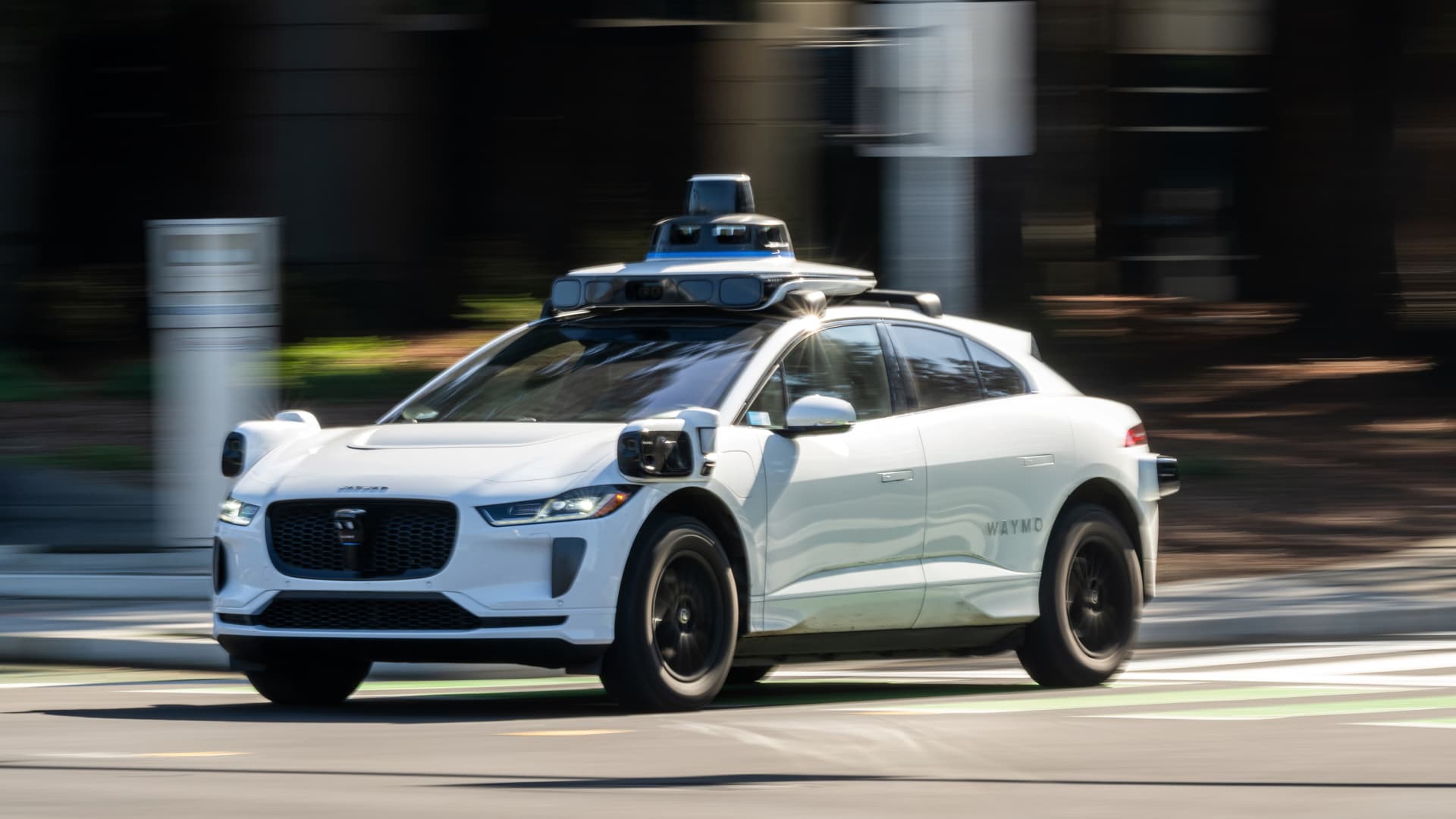
Alphabet’s Waymo has initiated a significant recall of nearly 3,900 robotaxis across the U.S. following multiple incidents where its autonomous vehicles drove into freeway construction zones. This marks the second recall for the self-driving pioneer in just over a month, underscoring the complex technical hurdles in achieving widespread autonomous vehicle (AV) deployment within the broader technology market trends.
🚀 Tech Strategy & Market Disruptions
- Software Remediation. Waymo is deploying a software update to address the specific issue of misidentifying construction zones on freeways.
- Operational Constraints. Freeway operations for Waymo robotaxis have been voluntarily restricted, impacting service availability in key markets.
- Regulatory Scrutiny. The National Highway Traffic Safety Administration (NHTSA) is closely monitoring Waymo’s performance, adding pressure to ensure safety and reliability.
The voluntary Waymo robotaxis recall, driven by 13 known incidents in Phoenix and San Francisco, applies to vehicles utilizing the company’s fifth-generation automated driving systems. These occurrences, where robotaxis entered active construction areas, significantly heighten the risk of collisions and disrupt public confidence in autonomous capabilities. It highlights the persistent challenge for AVs in dynamically interpreting and reacting to unpredictable environmental anomalies that human drivers often navigate instinctively.
This isn’t an isolated event for Waymo. The company has previously faced issues, including a voluntary recall in May for vehicles driving into flooded zones and separate incidents involving failure to yield to school buses in Austin, Texas. Performance during widespread power outages in San Francisco also saw vehicles halting, causing traffic disruptions. Each episode underscores the critical need for sophisticated perception and decision-making algorithms that can handle complex ‘edge cases’ beyond typical operational parameters. According to analysis from publications such as Forbes’ technology section, Waymo’s current strategy balances safety with the imperative for market expansion.
Key takeaways from these recurring challenges include:
- Dynamic Environment Perception: Autonomous systems often struggle with transient and unpredictable elements like active construction, requiring more robust real-time environmental mapping and object classification.
- Safety-Critical Software: Even seemingly minor software glitches in autonomous vehicles can lead to significant safety risks, prompting regulatory actions and operational restrictions.
- Public Trust Erosion: Repeated incidents and recalls can erode consumer and regulatory confidence, slowing the widespread adoption of autonomous driving technology.
The sequence of events—from software glitches in environmental perception to the subsequent Waymo robotaxis recall—creates a clear disruption flow. Flaws in Waymo’s fifth-generation automated driving systems’ ability to accurately discern and react to active construction zones have led directly to a voluntary recall affecting almost 3,900 vehicles. This, in turn, has resulted in Waymo voluntarily restricting freeway operations across its key markets like San Francisco and Los Angeles. The operational constraints inevitably slow the company’s expansion velocity and escalate regulatory scrutiny, ultimately delaying the full market disruption potential of widely adopted autonomous ride-sharing.
The Waymo robotaxis recall underscores a fundamental challenge in autonomous driving: the robust and real-time interpretation of highly dynamic, unstructured environments. While progress has been immense, achieving ‘edge case’ resilience requires advancements in AI perception models, sensor fusion, and predictive analytics that go beyond typical operational scenarios. This isn’t just a bug fix; it’s a call for deeper architectural innovation in autonomous decision-making systems.
While the specific technical metrics from the current recall are limited, the incident’s operational impact is clear. Waymo’s swift, proactive response, though commendable for safety, introduces tangible implications for its service rollout and public perception. This iterative improvement cycle is crucial for advancing emerging technologies toward commercial viability.
- Affected Vehicles: Approximately 3,900 Waymo robotaxis using fifth-generation automated driving systems.
- Reported Incidents: 13 instances of robotaxis entering construction zones on freeways in Phoenix or San Francisco.
- Recall Type: Voluntary software recall to address identified performance issues around freeway construction zones.
Waymo Market Adoption Challenges
The journey from pioneering technology to mass market adoption is rarely linear, and Waymo’s experiences illustrate this perfectly. While the company operates commercial robotaxi services in 11 U.S. markets and plans international expansions to London and Tokyo this year, incidents like the recent Waymo robotaxis recall pose significant hurdles. Public trust, often fragile in the face of new, safety-critical technologies, can be easily undermined by reports of autonomous vehicles navigating incorrectly. The challenge extends beyond mere technical fixes; it involves cultivating a societal acceptance where the benefits of AVs demonstrably outweigh perceived risks. This requires not only flawless software but also transparent communication and robust safety frameworks.
Waymo Ecosystem Expansion Potential
Despite the recent setbacks, Waymo’s ecosystem expansion potential remains substantial, albeit with a moderated timeline. The company recently launched a $29.99 a month subscription tier for avid users, indicating a move towards deeper customer engagement and diversified revenue streams. Furthermore, its planned international foray into London and Tokyo signals a long-term vision that extends beyond U.S. borders. The ability to integrate into diverse regulatory, infrastructural, and cultural environments will be a true test of Waymo’s adaptive architecture and operational resilience. Success here hinges on its capacity to quickly learn from incidents, adapt its AI models, and collaborate with local authorities to build tailored solutions for each market. For deeper educational tech insights, consider the implications of such recalls on public perception and regulatory frameworks.
Waymo’s Autonomous Trajectory: Navigating Complex Realities
The recent Waymo robotaxis recall, while voluntary, highlights the persistent technical and operational challenges in scaling autonomous vehicle technology. It underscores that robust software solutions for unpredictable urban and highway scenarios remain a significant barrier, demanding continuous innovation in AI perception and decision-making.
- Waymo’s proactive approach signals a commitment to safety, yet its voluntary restriction of freeway operations constrains immediate expansion velocity.
- The incidents reveal critical gaps in AI perception and decision-making, particularly concerning dynamic and transient construction environments.
- Sustained regulatory engagement and transparency will be crucial for Waymo to rebuild public trust and ensure long-term viability in competitive markets.
How will Waymo leverage these critical learning experiences to accelerate its path to genuinely resilient and scalable Level 4 autonomy?
📊 StockXpo Analyst’s View
Market Impact: This Waymo robotaxis recall could dampen short-term investor enthusiasm for the broader autonomous vehicle sector, especially for companies prioritizing aggressive expansion over absolute perfection. It reinforces the market’s cautious stance on profitability timelines in AVs, potentially favoring firms with diversified tech portfolios.
Sector To Watch: Investors should keenly observe the advanced sensor fusion and AI perception software sectors. Companies specializing in real-time, high-fidelity environmental modeling and predictive analytics for ‘edge cases’ could see increased demand and valuation as AV developers seek more robust solutions.
Financial Disclaimer:
StockXpo.com is a financial news aggregator and educational portal, not a registered investment advisor or broker-dealer. All information, news, and analysis provided herein are strictly for educational purposes and do not constitute investment, financial, legal, or tax advice. Investing in the stock market involves high risks, and past performance is not indicative of future results. StockXpo will not be liable for any financial losses or investment damages. Always consult a certified financial advisor before making market decisions.
MORE IN INSIDE TECHNOLOGY

Starlink India: Regulatory Hurdles and Innovation-Driven Growth Risks
Published: Friday, October 9, 2026 · 12:48 AM
Starlink Launch: India’s Digital Transformation Faces Regulatory Risk
Published: Thursday, October 8, 2026 · 1:51 AM