
Published: Thursday, May 28, 2026 · 3:51 AM | Updated: Thursday, May 28, 2026 · 3:51 AM
📊 262 views




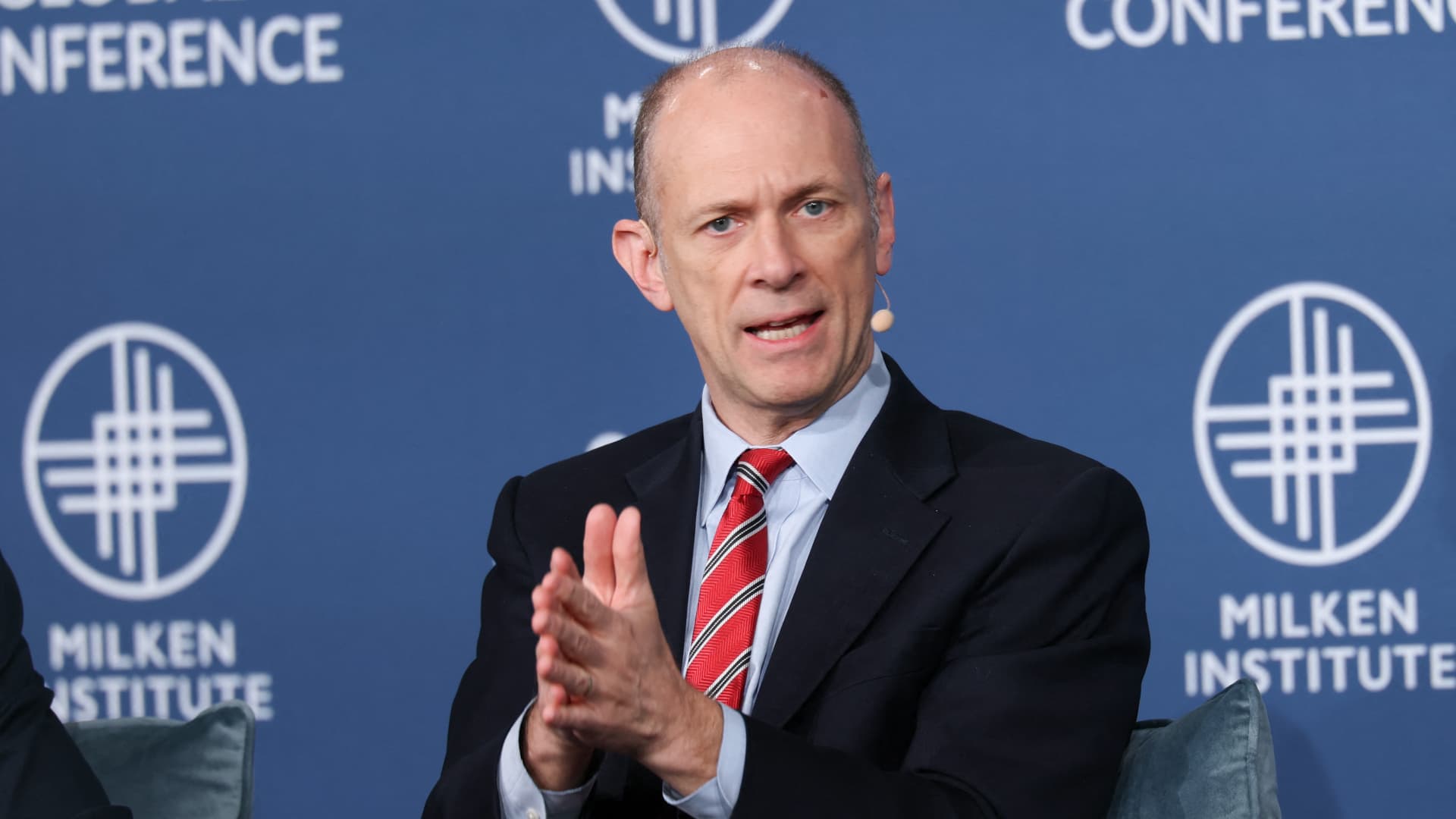
Persistent energy inflation, exacerbated by geopolitical tensions, is posing a significant risk to global economic stability, according to Chicago Federal Reserve President Austan Goolsbee. His remarks signal a deepening concern that price pressures, particularly in energy markets, could derail recovery efforts and inject stagflationary forces into key economies, especially in Asia.
📊 Macro-Economic Strategic Insights
- Persistent Energy Inflation: Goolsbee highlighted that current energy prices remain significantly higher than pre-conflict levels, defying initial market expectations for a faster decline.
- Stagflationary Shock for Asia: As net energy importers, Asian economies are particularly vulnerable to this shock, facing the dual challenge of rising prices and sluggish economic growth.
- AI’s Near-Term Inflationary Risk: The potential for artificial intelligence to boost productivity is acknowledged, but Goolsbee cautioned that rapid equity market gains fueled by AI optimism could prematurely overheat the economy by encouraging spending before productivity gains materialize.
Speaking at the Bank of Japan-IMES Conference, Goolsbee noted that futures markets had anticipated a swifter return to lower energy costs. Despite recent easing in oil prices due to progress in U.S.-Iran peace talks, benchmarks like Brent crude and West Texas Intermediate futures continue to trade at substantially elevated levels compared to the period immediately preceding the conflict. This sustained price pressure creates a complex challenge for central banks and policymakers navigating the post-pandemic economic landscape.
The implications for Asian economies are particularly stark. Goolsbee described the situation as an ‘old-fashioned stagflationary shock’ for nations heavily reliant on energy imports. This scenario, characterized by rising inflation alongside stagnant economic growth, could severely hamper their development prospects and necessitate difficult policy choices. For insights into broader economic policy discussions, exploring macro trends offers a comprehensive perspective.
Goolsbee’s stance on inflation’s persistence was underscored by his dissent on the Federal Reserve’s final rate cut in 2025. He expressed no regret, stating that inflation has proven less transient than initially advertised. However, he remained optimistic that a return to the Fed’s 2% inflation target would eventually lead to interest rates settling at levels considerably lower than their current peaks, a prospect that hinges on successfully managing these ongoing inflationary pressures.
AI’s Double-Edged Sword: Productivity vs. Inflation
Beyond energy markets, Goolsbee raised concerns about the potential for artificial intelligence to create a different kind of inflationary pressure. He warned that financial markets might be prematurely pricing in future productivity gains from AI, leading to inflated asset values today. This ‘wealth effect’ could encourage increased consumer spending before AI’s actual impact on productivity is felt, potentially overheating the economy in the short term.
- Concerns are mounting that AI-driven market rallies could lead to consumer spending booms fueled by perceived wealth increases, preceding actual productivity enhancements.
- Policymakers are advised to monitor consumer spending patterns and the impact of investments in areas like data centers on resource costs, such as electricity and construction labor.
- The phenomenon of AI-driven economic impacts is not expected to remain localized; similar dynamics could emerge in Asian economies as the technology disseminates globally.
The rapid adoption of AI technologies, while promising significant long-term productivity boosts, requires careful monitoring to avoid short-term inflationary imbalances. The interconnectedness of global markets means that these dynamics, whether driven by energy shocks or technological euphoria, can quickly transmit across borders, impacting diverse economies and influencing broader investment analysis on stock markets.
The Ripple Effect:
Persistent Energy Inflation → Increased Input Costs for Businesses → Higher Consumer Prices (Inflation) → Reduced Consumer Purchasing Power → Slower Economic Growth (Stagflationary Pressure).
AI Enthusiasm → High Equity Prices → Perceived Wealth Increase → Elevated Consumer Spending → Demand-Pull Inflationary Pressures → Potential Economic Overheating.
Understanding Stagflation: Stagflation is a challenging economic condition characterized by a combination of high inflation, slow economic growth, and high unemployment. It represents a difficult scenario for policymakers because traditional tools used to combat inflation (like raising interest rates) can worsen economic slowdown, while measures to stimulate growth could exacerbate inflation. The current geopolitical situation and the potential for rapid technological shifts create a complex environment where stagflationary risks are elevated.
Energy Inflation’s Impact on Asian Economies
The continuous rise in energy prices presents a significant challenge for Asian nations, many of which are net energy importers. This prolonged energy inflation contributes directly to higher production costs for businesses and increased expenses for households, thereby suppressing aggregate demand and potentially slowing economic expansion. The confluence of these factors could lead to a prolonged period of stagflationary pressures across the region.
AI’s Global Benchmarking
The transformative potential of AI is a global phenomenon, and its economic implications are being closely watched across developed and emerging markets. As Goolsbee pointed out, productivity gains from AI are unlikely to remain confined to a single region. This suggests that countries that invest strategically in AI adoption and adapt their labor markets accordingly will be better positioned to harness its benefits, while those lagging may face increased competitive disadvantages. For broader economic outlooks, consulting resources from Bloomberg’s economics section is crucial.
Navigating the Energy Inflationary Crosscurrents
The persistent nature of energy inflation, coupled with the novel risks posed by AI-driven market dynamics, underscores the intricate challenges facing global economic policymakers. Goolsbee’s cautionary notes highlight the need for vigilance and adaptive strategies to maintain macro-stability and foster sustainable systemic growth amidst these evolving pressures. The coming months will be critical in determining whether these forces lead to sustained inflation or can be effectively managed to promote a balanced economic trajectory.
- Persistent Inflationary Pressures: The enduring impact of energy price shocks continues to challenge central bank mandates for price stability.
- AI’s Dual Role: While AI promises future productivity, its near-term impact on market sentiment and consumer spending poses a risk of economic overheating.
- Geopolitical Sensitivity: Ongoing international conflicts significantly influence energy markets, creating unpredictable inflationary headwinds for import-dependent economies.
How will central banks balance the immediate need to curb inflation with the imperative to support economic growth in this complex global environment?
📊 StockXpo Analyst’s View
Market Impact: Goolsbee’s comments inject a note of caution into markets, suggesting that the path to disinflation may be longer and more complex than anticipated. This could lead to increased volatility as investors re-evaluate inflation expectations and potential central bank policy responses. The emphasis on potential stagflationary risks may also dampen investor sentiment towards riskier assets.
Sector To Watch: Energy producers are likely to benefit from sustained higher prices, though volatility remains a factor. Conversely, consumer discretionary sectors might face headwinds if reduced purchasing power from inflation or an economic slowdown takes hold. Technology companies perceived as leaders in AI innovation could see continued strong performance, but the warning about market overvaluation warrants careful consideration.
Financial Disclaimer:
StockXpo.com is a financial news aggregator and educational portal, not a registered investment advisor or broker-dealer. All information, news, and analysis provided herein are strictly for educational purposes and do not constitute investment, financial, legal, or tax advice. Investing in the stock market involves high risks, and past performance is not indicative of future results. StockXpo will not be liable for any financial losses or investment damages. Always consult a certified financial advisor before making market decisions.
MORE IN INSIDE ECONOMY
Fed Rate Hikes: December Surge Expected Amid Stubborn Inflation
Published: Tuesday, October 27, 2026 · 7:34 AM

2 Trillion Deficit: A Looming Challenge for U.S. Macro-Stability
Published: Monday, October 26, 2026 · 4:27 PM


