Published: Friday, June 19, 2026 · 2:30 AM | Updated: Friday, June 19, 2026 · 2:30 AM
📊 209 views




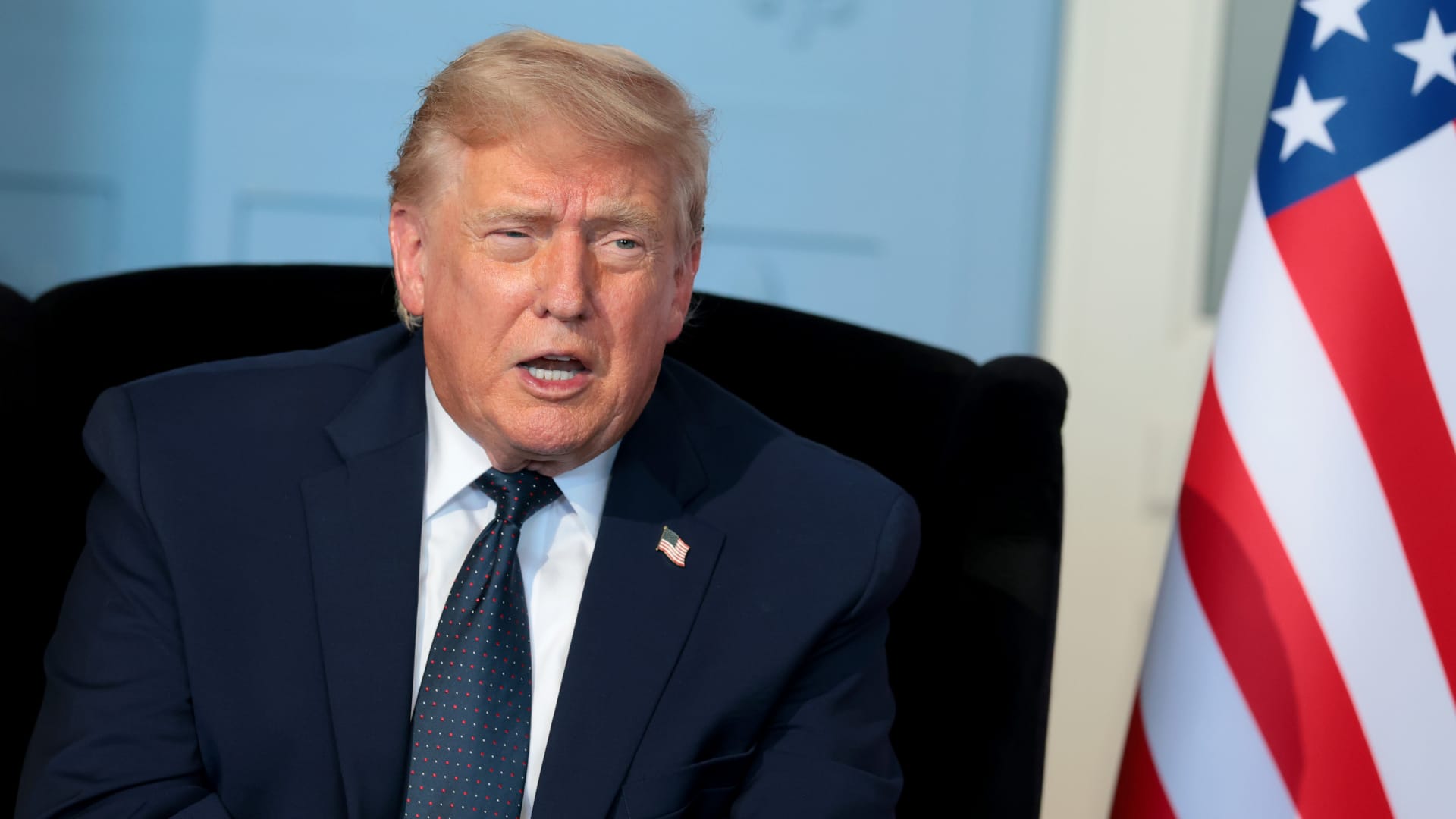
A newly forged Iran deal has brought a tense three-and-a-half-month conflict to a halt, reopening the strategically vital Strait of Hormuz and preventing a feared global economic depression. This interim agreement, however, is generating significant debate regarding its terms and the broader implications for international macro-stability and U.S. foreign policy leverage.
📊 Macro-Economic Strategic Insights
- Energy Market Stabilization. The reopening of the Strait of Hormuz immediately eased global energy supply concerns, preventing catastrophic price spikes and mitigating the risk of a global economic downturn.
- Fiscal Implications & Unresolved Terms. Lawmakers criticize the deal’s high cost ($100 billion) and perceived concessions, highlighting unresolved nuclear program details and the 60-day negotiation period as sources of continued uncertainty.
- Geopolitical Power Dynamics. President Trump’s assertion of ‘no limits’ to his power, alongside the deal’s outcome, underscores a shifting and debated approach to international diplomacy and military engagement, impacting global strategic alliances.
The United States and Iran have brokered an interim agreement following months of escalating tensions that saw the crucial Strait of Hormuz shut down, causing significant jitters across global energy markets. President Trump, who spearheaded the negotiations, stated the deal was essential to avert a global economic depression, though he controversially termed it an ‘unconditional surrender’ by Tehran while also asserting his own ‘unlimited power’ to Axios. This diplomatic breakthrough has allowed shipping activities, particularly oil tankers, to resume transit through the narrow artery, with maritime intelligence firm Windward reporting a notable uptick to 18 transits within 24 hours of the agreement taking effect. U.S. Central Command confirmed the lifting of all blockade enforcement, though naval forces will remain in the area to monitor compliance.
While the immediate effect of the Iran deal has been the stabilization of energy supply chains, the agreement itself is merely a memorandum of understanding with several critical components:
- 60-Day Negotiation Period: Establishes a framework for further technical talks to iron out a final agreement, with U.S. Vice President JD Vance’s initial trip to Switzerland for talks postponed due to logistical reasons.
- Strait of Hormuz Reopening: The most immediate and tangible economic benefit, allowing crucial oil and cargo transit to resume, directly impacting global supply and pricing.
- Nuclear Framework: Outlines a basis for future discussions on Iran’s nuclear program, but lacks concrete commitments or an immediate cessation of activities.
Critics, including Senate Minority Leader Chuck Schumer, argue that the terms fall short of initial objectives, such as regime change or halting Iran’s missile and nuclear programs, labeling it a ‘very poor job of negotiating’ and a costly ‘failure’ estimated at $100 billion. Senator Peter Welch further noted Iran’s continued leverage through its strategic control of Hormuz, underscoring the complexities that still lie ahead. Trump, however, defended his position, dismissing critics as ‘jealous, bad people or stupid,’ reiterating that prolonging the conflict with the Strait closed would have precipitated a global economic crisis.
The Economic Currents: Understanding the Ripple Effect
The interim Iran deal sets in motion a clear chain of economic ripple effects:
Strait of Hormuz Reopening → Increased Oil Supply Certainty → Stabilized Global Energy Prices → Reduced Inflationary Pressures → Boosted Consumer & Business Confidence → Systemic Growth Prospects Strengthened.
Conversely, the unresolved details carry potential risks:
Unresolved Nuclear Program Issues → Persistent Geopolitical Tensions → Potential for Future Disruptions → Increased Volatility in Commodity Markets → Dampened Long-Term Investment in the Region.
In macroeconomics, systemic growth refers to sustainable, broad-based economic expansion driven by fundamental factors like productivity gains, innovation, and stable trade routes. The reopening of the Strait of Hormuz is a critical factor in maintaining this stability, as it directly impacts global supply chains and energy costs, which are foundational to preventing inflationary spirals and ensuring predictable business environments globally.
While the full financial impact of the conflict and subsequent deal is still being assessed, initial data points highlight critical areas:
- Conflict Cost Estimate: Senator Peter Welch estimated the war cost approximately $100 billion, representing a significant fiscal outlay for the U.S. treasury.
- Maritime Transits: A rapid increase to 18 transits through the Strait of Hormuz within 24 hours post-agreement signals immediate relief for shipping and energy logistics, as reported by Windward.
- Negotiation Timeline: The established 60-day period underscores the deal’s interim nature, deferring crucial decisions and maintaining a degree of market uncertainty.
Geopolitical Policy Commentary: The Shifting Sands of Diplomacy
The framework of the Iran deal, despite its immediate economic relief, presents a complex picture for U.S. foreign policy. President Trump’s assertion of ‘no limits’ to his power, made during the Axios interview, contrasts sharply with the criticisms from lawmakers who feel the deal conceded too much. This dynamic signals a potential pivot in how future administrations might approach high-stakes international negotiations, prioritizing immediate de-escalation over long-term strategic objectives. The perceived ‘unconditional surrender’ by Iran, as claimed by Trump, is viewed by others as a significant compromise, potentially emboldening regional rivals or creating precedents for future diplomatic encounters that could reshape global power balances and impact multilateral efforts for long-term global stability.
Global Energy Market Benchmarking: A Return to Baseline?
For global energy markets, the reopening of the Strait of Hormuz represents a critical return to a fragile baseline, rather than a definitive resolution. Prior to the conflict, concerns over supply disruptions, geopolitical risks in the Middle East, and the pace of global demand growth were already significant factors influencing oil prices. The interim Iran deal has removed an immediate tail risk, preventing a spike that could have destabilized the global economy. However, the pending final negotiations and the unresolved nuclear issues mean that the risk premium for Middle Eastern oil will likely remain elevated. Investors and energy firms will continue to monitor the region closely, benchmarked against other volatile global supply regions, as any renewed tensions could quickly reverse the current market calm. This highlights the ongoing need for diversified energy sources and strategic petroleum reserves to mitigate future shocks, as discussed in broader analyses on the global economic landscape.
The Iran Deal’s Enduring Questions for Macro Stability
The interim Iran deal has successfully diffused an immediate crisis, pulling the global economy back from the brink of energy-induced instability. However, its incomplete nature and the political schism it has exposed within U.S. policy circles suggest that the path to genuine long-term macro-stability remains fraught with challenges.
- The immediate benefit is a crucial easing of global energy supply constraints, supporting economic recovery narratives.
- Significant political and financial capital has been expended for an agreement still lacking in specific, long-term resolutions.
- Future negotiations on Iran’s nuclear program and broader regional security will dictate the ultimate success or failure of this diplomatic effort.
How will the unresolved elements of this agreement shape future international relations and the structural integrity of global trade routes?
📊 StockXpo Analyst’s View
Market Impact: The immediate market reaction has been one of relief, particularly in crude oil futures, as the risk premium associated with Strait of Hormuz disruptions has significantly diminished. This positive sentiment could extend to broader stock markets, providing a temporary boost to investor confidence by reducing geopolitical uncertainty. However, the protracted nature of final negotiations means volatility could persist, especially for energy-related assets.
Sector To Watch: The Energy sector, specifically global shipping and oil exploration companies, will remain highly sensitive to further developments. While immediate supply fears have abated, the long-term strategic outlook for Middle East production and transit security will heavily influence investment decisions. Beyond energy, manufacturing and logistics sectors will benefit from stabilized supply chains.
Financial Disclaimer:
StockXpo.com is a financial news aggregator and educational portal, not a registered investment advisor or broker-dealer. All information, news, and analysis provided herein are strictly for educational purposes and do not constitute investment, financial, legal, or tax advice. Investing in the stock market involves high risks, and past performance is not indicative of future results. StockXpo will not be liable for any financial losses or investment damages. Always consult a certified financial advisor before making market decisions.
MORE IN INSIDE ECONOMY
Fed Governor Waller Hints at Rate Stability for September Meeting
Published: Thursday, September 3, 2026 · 9:41 AM

Private Payrolls Slow to 38,000: A Warning for Systemic Growth
Published: Wednesday, September 2, 2026 · 8:27 AM