Published: Friday, June 19, 2026 · 9:42 AM | Updated: Friday, June 19, 2026 · 9:42 AM
📊 223 views




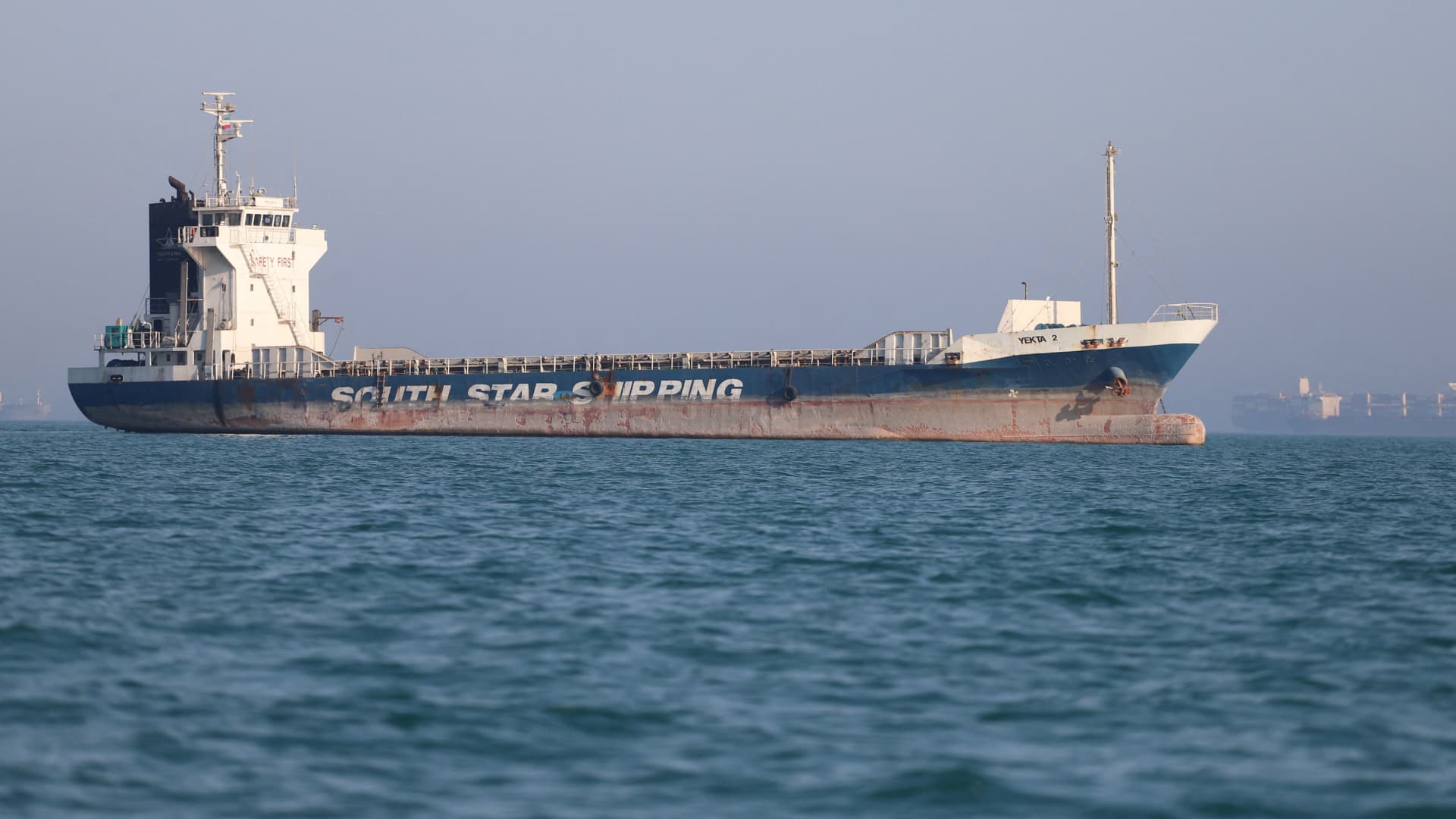
The recent Hormuz relief agreement, signaling the reopening of the Strait of Hormuz, has certainly assuaged immediate fears surrounding global energy supplies. However, economic analysts caution that the four months of conflict have already embedded significant inflationary pressures and dampened growth prospects across economies, making a swift recovery unlikely.
📊 Macro-Economic Strategic Insights
- Persistent Inflationary Pressures. Higher energy and fertilizer costs are already integrated into global supply chains, leading to continued elevated consumer prices for months to come.
- Dampened Global Growth Outlook. International bodies like the World Bank have lowered economic growth forecasts, reflecting the systemic impact of supply disruptions, even with the Strait’s reopening.
- Central Bank Policy Quandary. Monetary authorities face an intensified challenge of taming ingrained inflation while simultaneously navigating a landscape of slowing economic expansion, influencing interest rate decisions worldwide.
Despite early signals of the Strait of Hormuz reopening and a U.S.-Iran memorandum aimed at normalizing shipping, the economic toll from nearly four months of conflict is largely ‘baked in,’ according to analysts like Simon MacAdam, deputy chief global economist at Capital Economics. The prolonged disruption to global energy supply chains has pushed inflation higher and significantly dented the outlook for systemic growth.
While oil prices have retreated to around $80 a barrel from a March peak of $118, Goldman Sachs recently cut its oil price forecast, projecting Brent to average $80 in late 2026 and $75 in 2027. This reflects an anticipated faster recovery in Persian Gulf crude flows. However, the transmission of lower upstream energy costs to downstream food and energy sectors can take many months. Logistical backlogs of vessels awaiting transit through the Strait could further delay a full recovery in global freight flows.
The World Bank, which recently lowered its global economic growth forecast to a sluggish 2.5%—the slowest pace since the pandemic—still expects global inflation to climb to 4% this year, up from 3.3% in 2025. This grim projection holds even if oil flow disruptions ease in the coming weeks. A significant concern lies with fertilizer prices, which could jump as much as 38% this year, as supply disruptions and shortages of key inputs from the Gulf ripple through global agricultural markets, threatening food security and further inflating consumer baskets.
- Lingering Price Impacts: Natural gas prices for households typically lag upstream market changes by about three months, meaning consumers will continue to feel the pinch.
- Agricultural Market Shocks: Elevated fertilizer costs will inevitably translate into higher food production expenses, sustaining food inflation.
- Supply Chain Persistence: Despite the resolution of the conflict, the underlying supply chain vulnerabilities exposed by the Hormuz crisis will take time and investment to fully address.
The Echoes of Disruption: Understanding Economic Consequences
The cessation of hostilities in the Strait of Hormuz brings relief, but the embedded economic consequences will continue to propagate through the global system:
Supply Chain Bottlenecks & Energy Costs → Delays in Goods Transit → Increased Freight & Production Expenses → Elevated Consumer Inflation.
Higher Input Prices (Energy, Fertilizers) → Increased Production Costs for Industries & Agriculture → Reduced Corporate Margins or Higher End-Consumer Prices → Dampened Consumer Spending Power.
Persistent Inflationary Pressures → Central Bank Hawkish Stance (Interest Rate Hikes) → Higher Borrowing Costs for Businesses & Consumers → Slower Investment & Economic Growth.
Geopolitical Instability Perceptions → Heightened Risk Aversion for Investors → Potential Capital Outflows from Emerging Markets → Market Volatility & Reduced Liquidity.
Ensuring that everyone has a certain level of buffer in peaceful times would provide that cushion against even a global contingency.Matteo LanzafameDirector, Asian Development Bank
Key Economic Indicators: Before & After Hormuz Disruptions
| Metric | Pre-Conflict/Original Forecast | Post-Conflict/Revised Forecast | Significance |
|---|---|---|---|
| Oil Prices (Brent Crude Peak) | $80/barrel (Pre-conflict) | $118/barrel (March peak) | Highlights acute energy supply shock and subsequent normalization. |
| World Bank Global Growth Forecast (2026) | Higher than 2.5% | 2.5% | Reflects broad economic slowdown, slowest since the pandemic. |
| World Bank Global Inflation Forecast (2026) | 3.3% (2025 figure) | 4.0% | Indicates persistent price pressures despite easing energy flows. |
| Fertilizer Price Increase (2026) | N/A | Up to 38% | Direct impact on agricultural costs and future food inflation. |
| Fed PCE Inflation Forecast (Dec 2026) | 2.7% (March projection) | 3.6% | Illustrates shifting central bank expectations on inflation trajectory. |
European Inflationary Risks: A Deeper Dive
Europe faces a particularly acute challenge from the lingering effects of the Hormuz crisis, compounded by its energy dependency. Natural gas storage levels remain historically low across the continent, making it highly susceptible to upward price movements, especially as U.S. liquefied natural gas (LNG) export prices increase. Capital Economics’ Simon MacAdam suggests that inflation in Europe and Japan could rise by an additional 3 to 4 percentage points. This vulnerability was underscored by the European Central Bank’s recent decision to raise interest rates, its first tightening move in nearly three years, signaling a proactive stance against embedded inflationary pressures. The ECB’s move reflects a difficult balancing act, aiming to curb inflation without stifling an already fragile economic recovery.
Global Energy Security Policy Commentary
The recent disruptions stemming from the Strait of Hormuz have served as a stark reminder for governments worldwide regarding the fragility of global energy supply chains. This crisis is prompting a significant rethink of energy security strategies. Nations affected by the disruption are now expected to accelerate efforts to bolster strategic energy stockpiles, redirect resources towards ramping up domestic production, and actively pursue alternative supply routes to reduce critical dependence on single chokepoints, as highlighted by investment analysis. This shift implies increased investment in renewable energy sources and diversification of traditional fossil fuel suppliers, potentially reshaping long-term energy markets and international trade dynamics.
Hormuz Relief and the Path to Economic Recalibration
While the immediate tension around the Strait of Hormuz has subsided, the global economy is grappling with the enduring consequences. The ‘baked-in’ inflation and dampened growth prospects demand careful navigation from central banks and policymakers. The focus now shifts from crisis management to systemic recalibration, addressing vulnerabilities exposed by recent events.
- Global inflation is projected to remain elevated, fueled by higher energy and food costs.
- Central banks face a tightrope walk between controlling inflation and supporting decelerating growth.
- Energy security is paramount, driving investment in diversification and strategic reserves, an area often explored in educational insights.
Will the global economy successfully pivot from managing crisis aftermath to building sustainable, resilient growth?
📊 StockXpo Analyst’s View
Market Impact: The market’s initial relief rally post-Hormuz deal might be short-lived as investors digest the reality of persistent inflation and slower growth. We anticipate continued volatility as central banks navigate tightening cycles amidst decelerating economic activity. Market liquidity could remain constrained, favoring defensive assets over growth stocks in the near term.
Sector To Watch: The energy sector will remain a key focus, but with a shift towards companies investing in diversified supply chains, renewable energy infrastructure, and storage solutions. Agricultural commodities and related logistics will also experience sustained attention due to fertilizer cost pressures and El Niño threats, potentially benefiting firms with robust supply chain management or alternative input sources.
Financial Disclaimer:
StockXpo.com is a financial news aggregator and educational portal, not a registered investment advisor or broker-dealer. All information, news, and analysis provided herein are strictly for educational purposes and do not constitute investment, financial, legal, or tax advice. Investing in the stock market involves high risks, and past performance is not indicative of future results. StockXpo will not be liable for any financial losses or investment damages. Always consult a certified financial advisor before making market decisions.
MORE IN INSIDE ECONOMY

Judy Shelton’s Treasury Role: A Controversial Shift in Economic Guidance
Published: Friday, October 9, 2026 · 7:52 AM
Tariffs Fueled U.S. Inflation: NY Fed’s Clear Economic Signal
Published: Thursday, October 8, 2026 · 8:12 AM