Published: Wednesday, May 27, 2026 · 6:06 PM | Updated: Wednesday, May 27, 2026 · 6:06 PM
📊 233 views




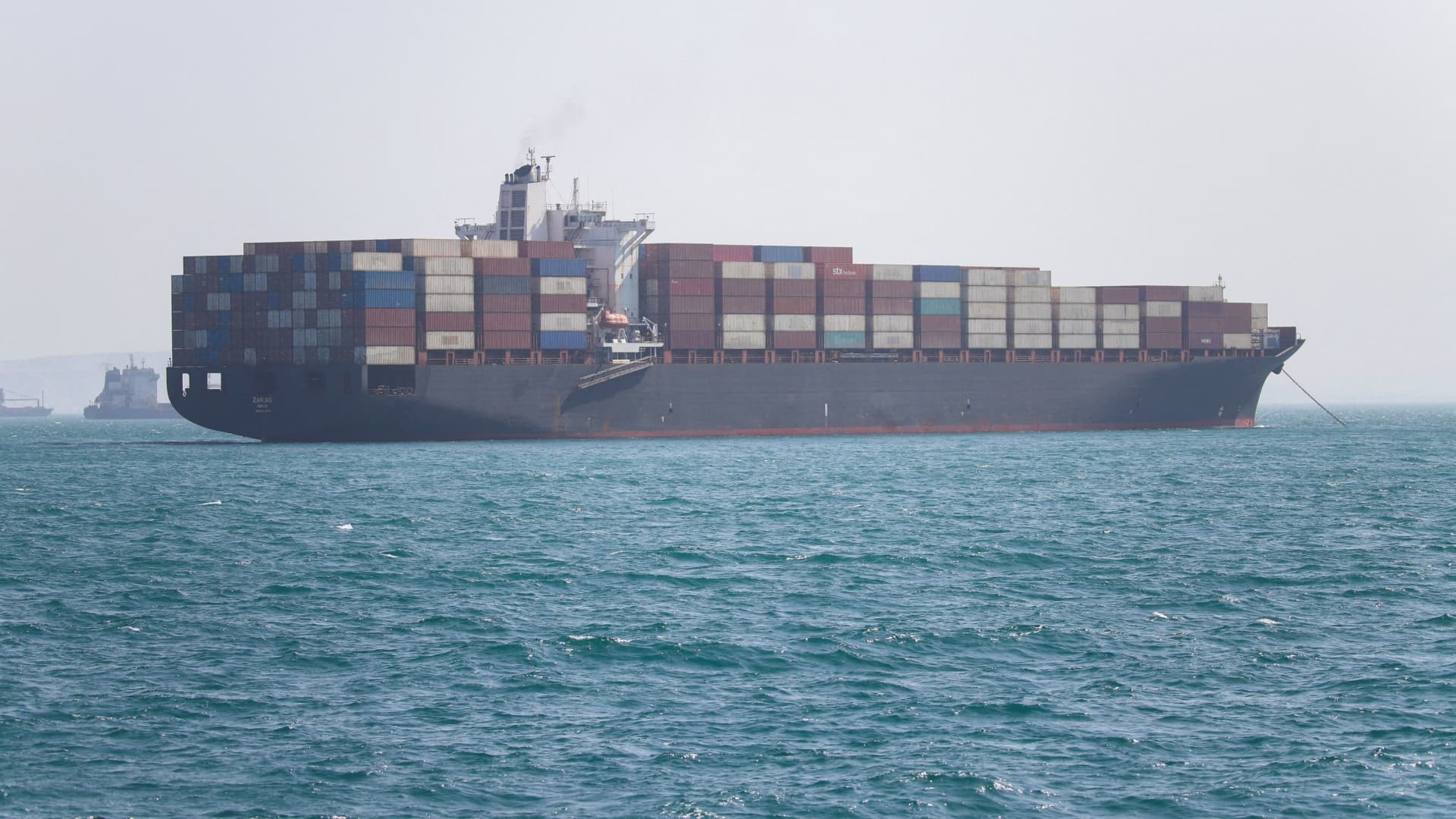
Geopolitical tensions continue to cast a shadow over energy markets as skepticism mounts among traders regarding the rapid Strait of Hormuz reopening. Despite Iran’s ambitious one-month timeline for normalizing traffic post-peace deal, prediction markets signal a much longer, more uncertain path, raising critical questions about global oil supply and shipping security.
💰 Financial Strategy & Market Insights
- Trader Skepticism Prevails. Prediction markets assign low probabilities to a swift return to normal traffic through the Strait of Hormuz, challenging official Iranian statements.
- Geopolitical Risk Premium. The uncertainty around the Strait of Hormuz reopening timeline will likely sustain a risk premium in oil prices, affecting energy sector valuations.
- Supply Chain Vulnerabilities. Prolonged disruption or uncertainty highlights the fragility of global supply chains reliant on key maritime chokepoints, impacting logistics and trade costs.
The prospect of the Strait of Hormuz reopening to pre-war traffic levels quickly is being met with considerable doubt by market participants, as evidenced by activity on prediction market platform Kalshi. While Iran has optimistically suggested a return to normalcy within one month of a peace accord with the U.S., traders currently peg the chance of traffic flow normalizing by July 1 at only 38%. This percentage, though a slight bump from the 32% prior to recent reports, still indicates deep skepticism within financial circles.
This hesitancy contrasts sharply with a brief period over the weekend when odds for a July return climbed to 50% following rumors of an imminent U.S.-Iran deal. However, the White House has since denied any framework agreement, quickly tempering market sentiment. The focus has now shifted to a slightly later horizon, with traders placing a 60% probability on normal traffic by August 1, up from a 50-50 chance before the denials. This gradual increase in odds over a longer timeframe underscores a cautious outlook, suggesting that any resolution and subsequent normalization of shipping routes will be complex and protracted, influencing broader global market trends.
Key takeaways from these evolving probabilities include:
- Market-driven indicators: Prediction markets offer real-time sentiment, often proving more accurate than official statements, especially in high-stakes geopolitical scenarios.
- Oil price sensitivity: Continued uncertainty about the Strait of Hormuz reopening directly influences global oil benchmarks, which typically price in a risk premium for supply disruptions.
- Shipping and insurance costs: Prolonged instability could lead to elevated shipping costs and insurance premiums for vessels traversing the critical waterway, impacting goods movement globally.
The Strait, a vital chokepoint for global oil transit, carries significant weight in energy market dynamics. Any disruption, perceived or real, can send ripples across the financial sector performance, affecting everything from commodity prices to inflation expectations and central bank policy considerations. Investors are keenly observing diplomatic efforts, recognizing that the economic implications of prolonged instability could be substantial.
Assessing Potential Upside vs. Downside Risk in Energy Markets
Navigating the investment landscape shaped by the Strait of Hormuz situation involves weighing clear risks against potential rewards:
- Upside Potential:
- Rapid Normalization: A swift, unexpected diplomatic breakthrough leading to a verifiable and sustained Strait of Hormuz reopening could trigger a temporary drop in oil prices, benefiting net oil importers and sectors like airlines and transportation.
- Reduced Geopolitical Premium: A clear path to peace would remove a significant geopolitical risk premium, potentially boosting broader market confidence and asset valuations.
- Downside Risks:
- Protracted Stalemate: Continued disagreement or escalation could maintain high oil prices, fueling inflation and increasing operational costs for industries reliant on energy.
- Supply Chain Disruptions: Any further militarization or incidents in the Strait would severely disrupt global shipping, leading to higher freight costs, delays, and potential supply shortages across various sectors.
- Market Volatility: The ongoing uncertainty is a catalyst for volatility, making accurate asset valuation challenging and increasing downside risk for energy-sensitive equities.
The skepticism surrounding the Strait of Hormuz reopening timeline highlights the concept of ‘geopolitical risk pricing’ in commodity markets. This refers to the premium added to an asset’s price, typically crude oil, to account for potential supply disruptions or heightened political instability in key production or transit regions. When market participants doubt official narratives, this premium tends to persist or even increase, directly influencing investment decisions and hedging strategies across the financial sector.
Recent market probabilities regarding the Strait’s return to normal traffic (seven-day moving average crossing 60 based on IMF PortWatch data) illustrate the shifting sentiment:
- Chance of normal traffic by July 1: 38% (up from 32% before Wednesday’s reports).
- Chance of normal traffic by August 1: 60% (up from 50% before reports).
- Peak chance of normal traffic by July 1 (weekend prior): 50% (following earlier deal rumors).
Oil Market Liquidity Analysis
The current geopolitical environment, marked by uncertainty over the Strait of Hormuz reopening, inevitably influences crude oil market liquidity. While benchmark futures contracts, such as WTI and Brent, typically exhibit robust liquidity, periods of heightened risk can lead to shallower markets during specific trading windows, particularly when major news breaks. Increased hedging activity by producers and consumers, coupled with speculative positioning by financial institutions, can create sharp price movements. Traders are actively monitoring open interest and volume metrics to gauge market depth and potential for slippage, especially as positions adjust to fluctuating peace deal probabilities. A sudden, unexpected shift in the Strait’s status, either positive or negative, could trigger flash moves as market participants scramble to reprice risk, demonstrating the tight interplay between physical supply concerns and financial market activity.
Geopolitical Risk Sentiment Tracker
Tracking sentiment related to geopolitical flashpoints like the Strait of Hormuz is crucial for understanding broader market trends. Beyond traditional news analysis, sophisticated investors increasingly utilize alternative data sources, including prediction markets like Kalshi, to gain an edge. These platforms aggregate collective beliefs, offering a real-time pulse on how market participants perceive complex political outcomes. The divergence between official statements and prediction market odds regarding the Strait of Hormuz reopening serves as a powerful sentiment indicator. A persistent bearish sentiment on these platforms implies that the market is already pricing in a slower, more difficult path to resolution, compelling investors to adjust their risk exposure and consider safe-haven assets. This highlights how investor psychology, influenced by political events, becomes a significant factor in educational financial insights and market positioning.
The Ripple Effect of Strait of Hormuz Uncertainty on Global Markets
The ongoing uncertainty surrounding the timeline for the Reuters financial reporting on the Strait of Hormuz reopening presents a complex challenge for global markets. Investor confidence remains fragile, balancing optimistic diplomatic signals against the harsh realities of geopolitical posturing and the historical difficulty of swift conflict resolution.
- Oil markets will likely retain a risk premium until concrete, verifiable steps towards de-escalation are established.
- Shipping and logistics companies face continued elevated operational costs and potential disruptions.
- Diversification of energy sources and supply routes becomes an even higher strategic priority for nations and corporations.
How long will financial markets continue to factor in this geopolitical uncertainty before pricing in a more definitive outcome?
📊 StockXpo Analyst’s View
Market Impact: The sustained skepticism regarding the Strait of Hormuz reopening timeline will likely keep a geopolitical risk premium baked into energy prices, especially crude oil futures. This uncertainty could lead to increased hedging activity and dampen liquidity in certain derivatives markets, as investors become more cautious. Expect continued volatility, with each diplomatic development, positive or negative, triggering swift price reactions.
Sector To Watch: The energy sector, particularly oil and gas exploration and production (E&P) companies, will remain highly sensitive. Shipping and logistics firms, especially those with routes through the Middle East, will also be under scrutiny due to potential insurance premium hikes and operational delays. Conversely, companies investing in renewable energy or alternative transportation fuels might see increased strategic interest as global supply chain vulnerabilities are re-evaluated. For broader global market analysis, investors should monitor how these energy cost fluctuations impact overall inflation expectations.
Financial Disclaimer:
StockXpo.com is a financial news aggregator and educational portal, not a registered investment advisor or broker-dealer. All information, news, and analysis provided herein are strictly for educational purposes and do not constitute investment, financial, legal, or tax advice. Investing in the stock market involves high risks, and past performance is not indicative of future results. StockXpo will not be liable for any financial losses or investment damages. Always consult a certified financial advisor before making market decisions.
MORE IN INSIDE FINANCE

China’s Exports Surge: Unpacking Global Trade Growth and Asset Implications
Published: Wednesday, October 14, 2026 · 2:14 AM

Singapore Haven: Stability Yields Opportunity Amid Global Volatility
Published: Tuesday, October 13, 2026 · 12:19 AM