Published: Wednesday, May 27, 2026 · 11:51 AM | Updated: Wednesday, May 27, 2026 · 11:51 AM
📊 236 views




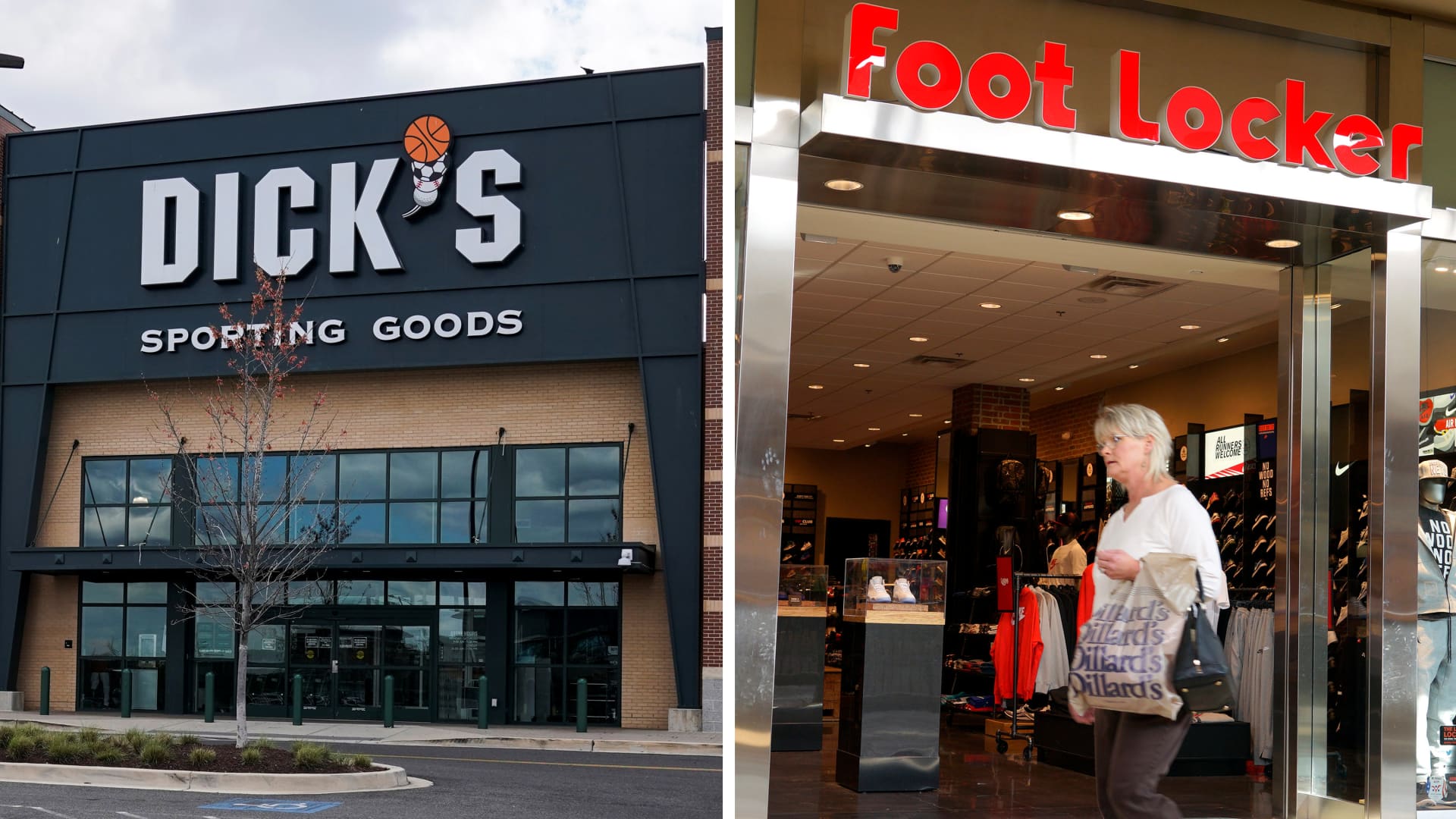
Foot Locker’s nascent return to positive comparable sales growth marks a crucial milestone in its turnaround, even as the strategic acquisition weighs on parent company Dick’s Sporting Goods’ recent earnings. This development underscores the complex dance between long-term strategic investments and immediate profitability pressures within the evolving sports retail landscape.
🗝️ Corporate Strategy Insights
- Integration Costs Impact Margins. Dick’s Sporting Goods incurred significant charges from the Foot Locker acquisition, highlighting the short-term financial drag of large-scale corporate integration efforts despite top-line growth.
- Foot Locker Growth Momentum. Foot Locker achieved its first comparable sales increase in over a year, with its U.S. segment demonstrating robust 6.4% growth, validating Dick’s turnaround initiatives for the struggling brand.
- Strategic Portfolio Optimization. Dick’s is actively optimizing Foot Locker’s sprawling footprint through store closures and concept testing like the ‘Fast Break’ pilot, aiming for enhanced merchandise margins and customer engagement.
Dick’s Sporting Goods reported an earnings miss for its first fiscal quarter, with adjusted earnings per share of $2.90 falling just short of the $2.92 anticipated by Wall Street analysts surveyed by LSEG. This dip in profitability largely stemmed from substantial charges related to the Foot Locker acquisition, amounting to $96.5 million. These costs included $53.8 million for merger and acquisition-specific expenses such as severance packages and store closings, alongside $42.7 million dedicated to clearing sale inventory. Despite these bottom-line pressures, the company’s revenue exceeded expectations, reaching $5.17 billion against a forecast of $5.09 billion, a robust 63% increase year-over-year attributed to the inclusion of Foot Locker’s business.
A closer look reveals encouraging signs for the acquired entity. Foot Locker returned to comparable sales growth for the first time since fiscal 2024, posting a 0.6% increase. This positive momentum was particularly strong in Foot Locker U.S., where comparable sales climbed by 6.4%, signaling that Dick’s focused turnaround efforts are beginning to yield results. Meanwhile, Dick’s namesake stores continued their strong performance with a 6% comparable sales increase, contributing to a combined figure of 4.1% growth across the consolidated portfolio. These figures suggest that while the integration is costly, the underlying assets are responding to strategic intervention, offering a critical indicator for long-term value creation.
Management’s revised 2026 guidance reflects this duality. While raising comparable sales growth expectations for both the Dick’s business (2.5% to 4%) and Foot Locker (1.5% to 3%), they simultaneously lowered projections for consolidated operating income and overall earnings per share. This indicates a clear acknowledgment that the benefits of strategic portfolio moves, like the Foot Locker growth story, come with immediate operational and financial hurdles that require careful navigation.
- The strategic rationales behind these operational adjustments are evident in initiatives such as the ‘Fast Break’ pilot program. This program, initially testing new products and store display strategies in 11 stores, has now expanded to approximately 100 global locations and is already delivering double-digit comparable sales growth and significant improvements in merchandise margins. The plan to further scale this pilot to 250 stores by the back-to-school season and expand before the holidays demonstrates a proactive approach to revitalizing Foot Locker’s store formats and product offerings, critical for sustaining market relevance.
The ongoing integration of Foot Locker into Dick’s Sporting Goods’ ecosystem represents a significant strategic gamble with widespread ripple effects across the sports retail sector. Dick’s strategic intent – leveraging Foot Locker’s expansive footprint and distinct customer demographics – aims to solidify its market leadership in athletic footwear and apparel. This acquisition, despite its initial financial drag, is designed to create a comprehensive retail powerhouse capable of capturing a broader spectrum of consumers, from performance athletes to streetwear enthusiasts.
The operational overhaul, including store closures and format experimentation, reflects a concerted effort to enhance operational efficiency and profitability across the acquired portfolio. Should the ‘Fast Break’ pilot continue its success, it could set a new standard for experiential retail within the segment, potentially forcing competitors like JD Sports or Finish Line to accelerate their own store modernization and product curation strategies. The successful revitalization of Foot Locker’s brand could also intensify competition for exclusive product launches from key athletic brands, shifting market dynamics and supply chain negotiations across the industry, as reported by industry analysis on global business news.
The turnaround in Foot Locker’s comparable sales is a pivotal moment, signaling that Dick’s strategic investments in operational efficiency and market repositioning are beginning to pay off, despite the near-term costs. This validates their long-term vision for sector dominance.
Key Financial Indicators at a Glance
- Q1 Revenue: $5.17 billion (vs. $5.09 billion expected), demonstrating robust top-line performance fueled by acquisition.
- Q1 Adjusted EPS: $2.90 (vs. $2.92 expected), reflecting the impact of acquisition-related expenses on profitability.
- Foot Locker Comp Sales: +0.6% (First growth since fiscal 2024), a critical metric indicating successful early-stage turnaround efforts.
- Acquisition Charges: $96.5 million, underscoring the significant investment in integration and inventory optimization.
These figures highlight the tension between strategic growth investments, which drove revenue growth and Foot Locker’s operational improvement, and the immediate financial costs that pressured the bottom line. Understanding this balance is crucial for analyzing the long-term potential of the acquisition for corporate growth strategies.
Dick’s Sporting Goods Strategic Analysis
Dick’s Sporting Goods’ acquisition of Foot Locker is a bold move to consolidate its position in the athletic retail space, aiming to create a more diversified portfolio that captures different consumer segments. By integrating Foot Locker, Dick’s is not merely expanding its store count but strategically enhancing its brand ecosystem to offer a wider array of products and experiences. The focus on leveraging Foot Locker’s unique demographic appeal while simultaneously refining its operational model — evident in the ‘Fast Break’ pilot — exemplifies a sophisticated approach to portfolio management. This strategy moves beyond simple volume aggregation towards value creation through improved customer experience and merchandise optimization. The initial capital allocation towards restructuring and inventory clearance, while impacting short-term earnings, is a necessary investment to unlock long-term synergies and competitive advantages for the consolidated entity within a dynamic retail market.
Dick’s Sporting Goods Market Leadership: Navigating Retail Evolution
In an era where sports and athleisure are central to global culture, Dick’s Sporting Goods is actively shaping its destiny to maintain market leadership. The company’s ability to attract customers, as indicated by strong comparable sales in its namesake stores, confirms its core strength. However, the challenge lies in translating this customer engagement into consistent profitability while absorbing a major acquisition. By proactively addressing underperforming assets within the Foot Locker portfolio and innovating store formats, Dick’s is demonstrating a commitment to evolving its retail model. This includes not only physical presence but also an integrated digital strategy, crucial for competing against both traditional retailers and online-first platforms. Their moves illustrate a broader trend in retail where differentiation, operational agility, and a clear brand identity are paramount to staying ahead. Insights into successful market strategies are frequently discussed on investment analysis platforms.
Foot Locker’s Comeback: A Turning Point for Dick’s Sporting Goods?
The first-quarter results from Dick’s Sporting Goods present a nuanced picture: short-term financial pressures from the Foot Locker acquisition are undeniable, yet the underlying strategic narrative of Foot Locker’s revitalization is gaining traction. The impressive comparable sales growth within Foot Locker U.S. offers a strong indicator that Dick’s turnaround playbook is effectively addressing prior challenges. This delicate balance between immediate costs and future potential defines the current investment thesis.
- Acquisition integration costs are temporarily suppressing Dick’s overall profitability.
- Foot Locker is showing tangible signs of recovery, driven by strategic operational changes.
- Dick’s revised guidance reflects a realistic assessment of both the opportunities and challenges ahead.
Can Dick’s Sporting Goods sustain this positive momentum in Foot Locker’s recovery while simultaneously improving its consolidated bottom line over the coming quarters?
📊 StockXpo Analyst’s View
Market Impact: The market’s initial reaction, with shares falling nearly 5% premarket, suggests investor focus on the earnings miss and reduced 2026 guidance for consolidated income. However, the underlying strength in comparable sales, particularly the nascent Foot Locker growth, could pivot sentiment toward long-term strategic value. Investors will closely monitor integration efficiency and the scaling of successful pilot programs. Financial market data indicates a general cautiousness around retail acquisitions due to integration complexities.
Sector To Watch: The sporting goods and athleisure retail sector remains highly dynamic, driven by strong consumer interest in wellness and active lifestyles. Companies demonstrating effective inventory management, experiential retail innovation, and robust omni-channel capabilities will likely gain market share. Dick’s performance, especially the Foot Locker turnaround, will be a key bellwether for the viability of large-scale retail acquisitions in this segment.
Financial Disclaimer:
StockXpo.com is a financial news aggregator and educational portal, not a registered investment advisor or broker-dealer. All information, news, and analysis provided herein are strictly for educational purposes and do not constitute investment, financial, legal, or tax advice. Investing in the stock market involves high risks, and past performance is not indicative of future results. StockXpo will not be liable for any financial losses or investment damages. Always consult a certified financial advisor before making market decisions.
MORE IN INSIDE BUSINESS

AI Wall Street Jobs: Surging Demand Redefines Finance’s Future Growth
Published: Friday, October 2, 2026 · 7:06 AM
Digital Shelf Labels: Walmart’s Operational Efficiency Breakthrough
Published: Thursday, October 1, 2026 · 10:42 AM