Published: Saturday, July 11, 2026 · 3:02 PM | Updated: Saturday, July 11, 2026 · 3:02 PM
📊 201 views




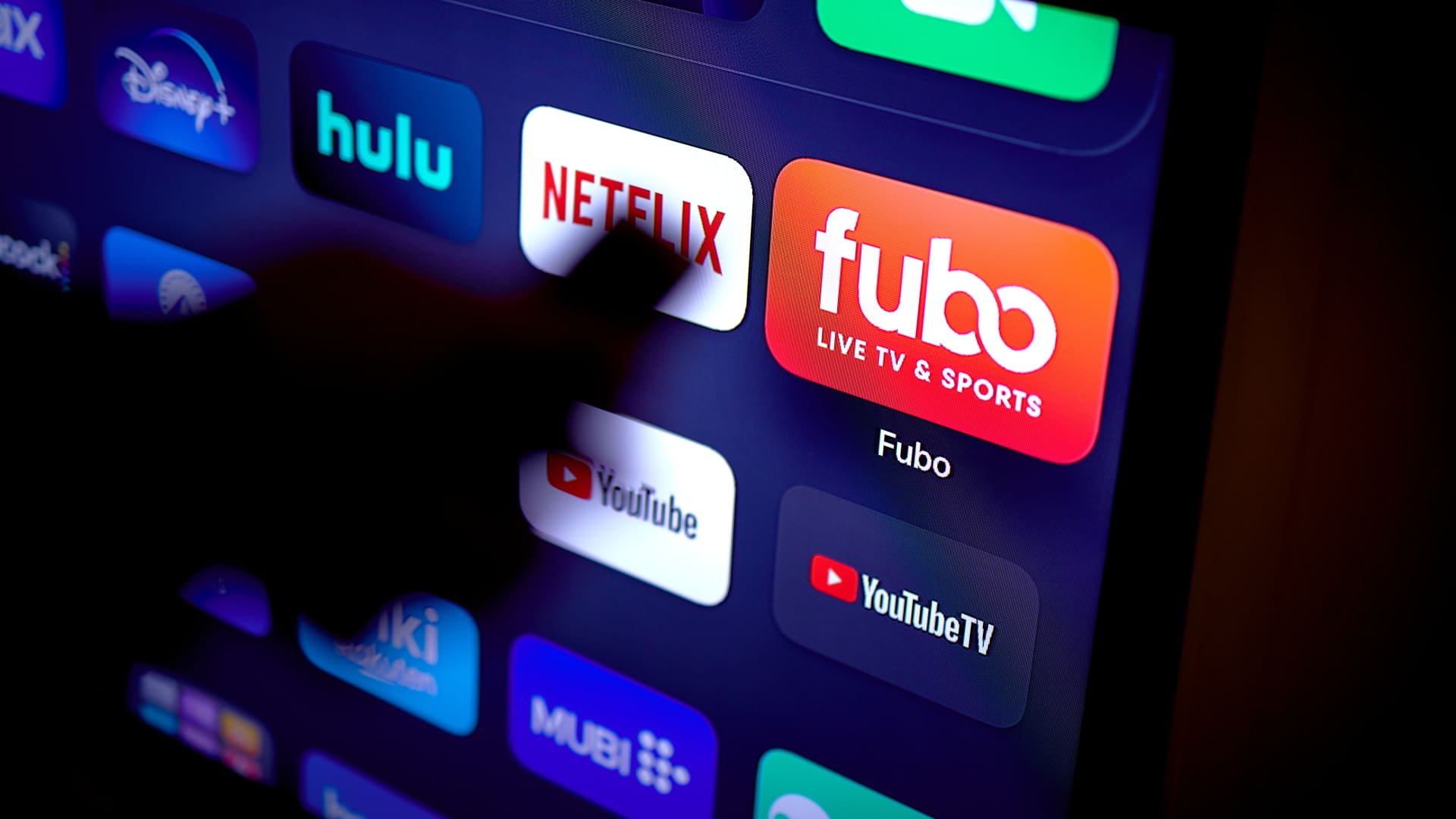
Global households are grappling with a new economic reality: the soaring cost of at-home entertainment, dubbed ‘Funflation.’ What was once a reliable budget-friendly alternative to costly out-of-home experiences has now become a significant strain on consumer wallets, signaling broader inflationary pressures impacting discretionary spending worldwide.
📊 Macro-Economic Strategic Insights
- Escalating Entertainment Costs. In-home leisure, once a budget refuge, now faces significant price hikes across streaming, gaming, and tech devices, directly impacting household budgets.
- Consumer Spending Contraction. Exclusive data from PNC Financial Services reveals a notable pullback in home entertainment transactions, particularly among Gen Z and Millennial consumers, indicating a shift in discretionary spending habits.
- Supply Chain & Geopolitical Drivers. The surge in ‘Funflation’ is attributed to an AI-driven memory chip crunch pushing up component costs and rising electricity prices exacerbated by geopolitical conflicts.
For years, video games and streaming services offered a respite from the often-exorbitant prices of live events or concerts. Yet, this dynamic has fundamentally shifted as ‘Funflation’ infiltrates even the sanctity of the living room. Major industry players like Amazon, Apple, and Netflix have implemented successive price hikes for their streaming platforms and devices, a trend mirrored by gaming giants such as Microsoft (Xbox) and Nintendo (Switch 2). These increases, some as high as 11% for consoles, are pricing out a segment of the consumer base, prompting shifts towards cheaper alternatives or even passively consuming content via platforms like YouTube.
The underlying causes of this widespread escalation are multifactorial. A significant contributor is the global memory chip crunch, largely driven by surging demand from the artificial intelligence sector, which makes components more expensive for consumer electronics. Furthermore, the cost of powering these devices has also seen a dramatic rise, with electricity prices rocketing 45% since 2019, a consequence of supply shocks tied to geopolitical events such as the Russian invasion of Ukraine in 2022 and the war with Iran in 2026. This confluence of factors means the disinflationary relief once offered by technological advancements is now reversing, according to Elizabeth Renter, senior economist at NerdWallet.
Consumer behavior is adapting to these pressures:
- Many are adopting a ‘subscribe-and-cancel’ strategy for streaming services, rotating subscriptions to manage costs.
- Others are turning to free, ad-supported alternatives, exemplified by the increased viewership of platforms like Fox Corp.’s Tubi, which now rivals leading streamers in some metrics.
- There’s a noticeable pivot towards more affordable leisure activities, with recreational books, for instance, seeing a 4% price decrease compared to the soaring costs of digital entertainment.
PNC Financial Services’ senior economist, Brian LeBlanc, highlighted that these pricing pressures are extending beyond traditional “funflation” categories like travel and concerts into home leisure, putting upward pressure on the core Personal Consumption Expenditures (PCE) price index—a key inflation metric closely watched by Federal Reserve policymakers.
Understanding the Economic Ripple Effect of Rising Costs
The escalating cost of at-home entertainment creates a clear chain of economic consequences for consumers and markets.
Higher Component Costs → Increased Device Prices → Reduced Consumer Purchasing Power
Geopolitical Conflicts → Energy Supply Shocks → Soaring Electricity Bills
Rising Entertainment Expenses → Lower Discretionary Spending → Weakened Consumer Sentiment
The core Personal Consumption Expenditures (PCE) price index is the Federal Reserve’s preferred measure of inflation. It tracks changes in the prices of goods and services purchased by consumers, excluding volatile food and energy components, providing a clearer picture of underlying inflationary trends in the economy.
Tracking the Surge in Entertainment Expenses
Data from the Bureau of Labor Statistics (BLS) underscores the dramatic shift in entertainment costs since early 2019, contrasting sharply with categories that have remained stable or even declined.
| Category | Price Change (Since 2019) |
|---|---|
| Video & Video Game Subscriptions | +53% |
| TV Services | +27% |
| Music Subscriptions | +14% |
| Recreational Books | -4% |
| Electricity | +45% |
This BLS data, critical for understanding consumer spending patterns, highlights a pronounced divergence: digital entertainment and associated utility costs are surging, while traditional media like books are becoming relatively cheaper.
Global Benchmarking on Consumer Spending Shifts
Economists are observing a broader shift in global consumer spending patterns, driven by sustained inflationary pressures and reduced real wages. The shift from high-cost experiences to more affordable ones, or even free content, is a key indicator of consumer resilience being tested. Major economic hubs are seeing similar trends, with reports from leading financial publications like Bloomberg Economics detailing how discretionary spending is increasingly sensitive to price fluctuations. This trend is not confined to the U.S. but is a global phenomenon as households adjust their budgets in response to persistent inflation and tighter monetary conditions. Insights on these trends are also regularly shared as part of our general stock markets, investment analysis.
Regional Trends in Fiscal Policy Adaptation
Governments and central banks globally face the challenge of managing inflation without stifling economic growth. The rise of ‘Funflation’ specifically, contributes to overall inflationary metrics, which can influence fiscal and monetary policy decisions. For instance, if consumer sentiment continues to decline due to pervasive cost increases—as indicated by record lows in the University of Michigan’s index—policymakers might face increased pressure to intervene through targeted relief programs or adjustments to interest rates. Understanding these regional policy responses is crucial for comprehensive economic policy, inflation, macro trends analysis. Regular updates and insights are often found within our educational insights section.
Navigating the Funflation Squeeze: Consumer Resilience Tested
The ongoing ‘Funflation’ trend underscores a significant erosion of purchasing power for everyday consumers, transforming previously affordable leisure into a luxury. This pervasive inflation, extending from live events to at-home digital entertainment, poses a substantial risk to consumer confidence and macro-economic stability, particularly for younger demographics.
- Broadened Inflationary Impact: ‘Funflation’ now encompasses both out-of-home and in-home leisure, showing inflation’s pervasive reach.
- Consumer Behavior Adaptation: Households are actively adjusting spending, opting for free content or less expensive hobbies like reading.
- Systemic Economic Risk: Declining consumer sentiment due to persistent cost increases could dampen overall economic activity.
How will this sustained pressure on discretionary spending reshape long-term economic growth and consumer expectations?
📊 StockXpo Analyst’s View
Market Impact: The ‘Funflation’ narrative, coupled with declining consumer sentiment, signals potential headwinds for companies reliant on discretionary spending, particularly in the digital entertainment and consumer electronics sectors. Investors may see a shift in capital towards more defensive sectors or companies offering value-oriented entertainment solutions. The pullback from Gen Z and Millennials, a key demographic, could affect subscription growth models and device sales, potentially leading to downward revisions in earnings forecasts for some tech and media giants. Market liquidity may contract as consumers prioritize essential spending over leisure.
Sector To Watch: The entertainment and consumer electronics sectors will face continued scrutiny. While large players like Amazon, Apple, and Netflix have pricing power, smaller studios and streaming platforms might struggle more. Companies innovating in cost-effective entertainment or ad-supported models (like Tubi) could gain market share. Additionally, the memory chip industry, critical for device costs, will be pivotal, as its supply and pricing dynamics, driven by AI demand, have direct implications for consumer product affordability, as highlighted by market-driving economic data.
Financial Disclaimer:
StockXpo.com is a financial news aggregator and educational portal, not a registered investment advisor or broker-dealer. All information, news, and analysis provided herein are strictly for educational purposes and do not constitute investment, financial, legal, or tax advice. Investing in the stock market involves high risks, and past performance is not indicative of future results. StockXpo will not be liable for any financial losses or investment damages. Always consult a certified financial advisor before making market decisions.
MORE IN INSIDE ECONOMY
India Rate Hike: Inflation Risks Build Amid Global Headwinds
Published: Wednesday, October 7, 2026 · 1:41 AM

AI Concentration Risks Loom as East Asia & Pacific Sees 4.5% Growth Outlook
Published: Tuesday, October 6, 2026 · 1:56 AM