Published: Saturday, July 11, 2026 · 2:31 PM | Updated: Saturday, July 11, 2026 · 2:31 PM
📊 186 views




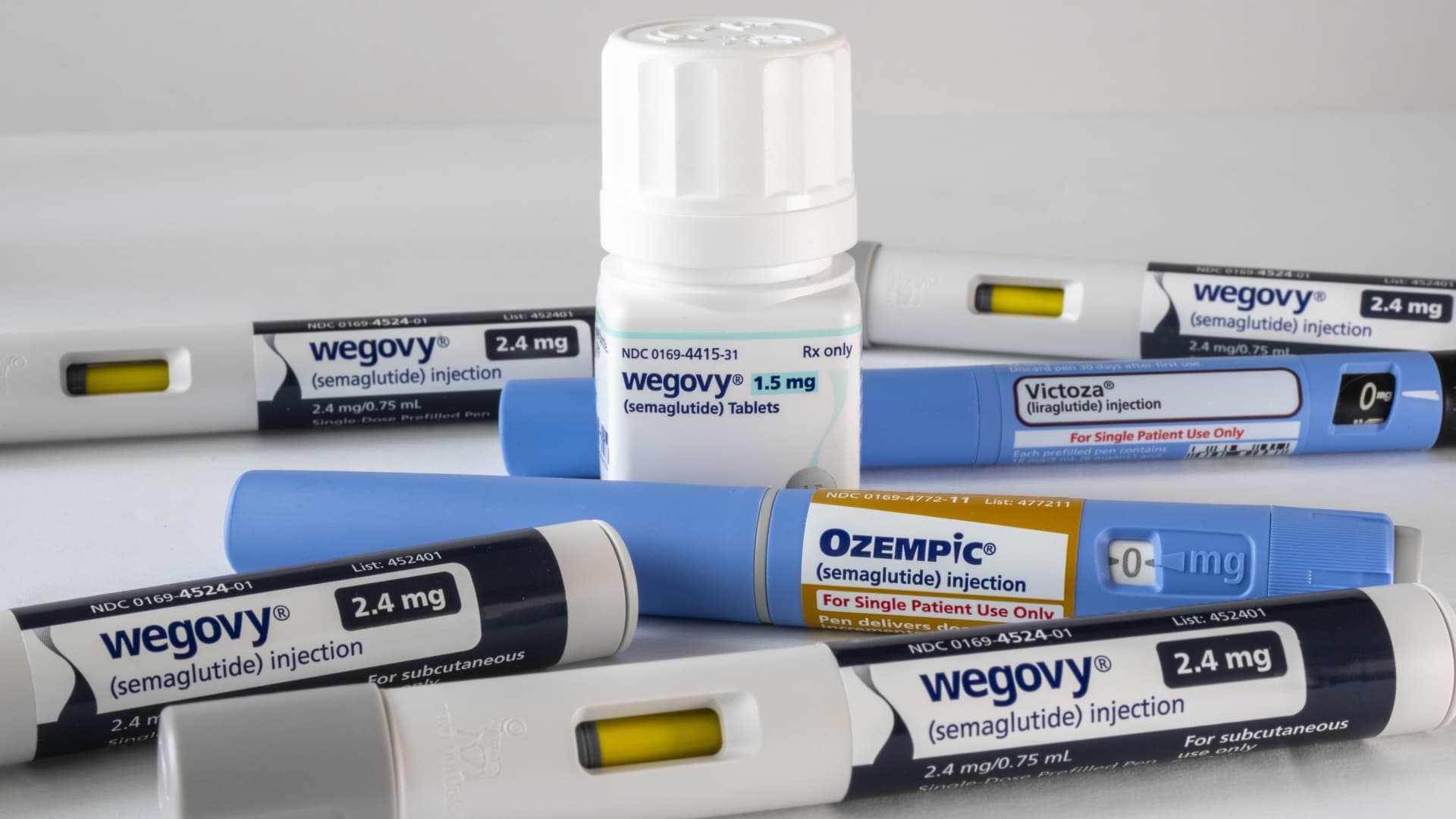
Novo Nordisk’s agreement with Vivani Medical to evaluate an experimental GLP-1 implant marks a significant strategic maneuver in the rapidly expanding obesity treatment market. This development underscores a concerted industry effort to address the critical challenge of long-term adherence to weight loss medications, which remains a key hurdle for patients and providers alike.
🗝️ Corporate Strategy Insights
- Addressing Adherence Gaps. Vivani Medical aims to solve the high discontinuation rates of existing GLP-1 therapies, where roughly half of patients stop within a year, by offering a convenient, long-acting implant.
- Strategic Partnership for Market Dominance. Novo Nordisk’s collaboration with Vivani, though not a licensing deal yet, signals its commitment to external innovation and maintaining leadership in the burgeoning GLP-1 market, complementing its internal R&D pipeline.
- Operational Efficiency Through Novel Delivery. The potential for a twice-yearly or annual GLP-1 implant could drastically reduce the burden of frequent injections or daily pills, leading to improved patient outcomes and potentially lower overall healthcare system costs.
The current GLP-1 drug landscape, dominated by injectables like Novo Nordisk’s Wegovy and Ozempic, faces a persistent challenge: patient adherence. Factors such as side effects, high out-of-pocket costs, and injection fatigue contribute to significant discontinuation rates. Vivani Medical’s experimental NPM-139, a tiny titanium GLP-1 implant containing semaglutide, seeks to offer a solution by providing continuous, steady drug release for several months, initially as a maintenance therapy after patients achieve weight loss with existing methods. This innovation, if successful, could offer a crucial pathway for patients to sustain their weight loss and associated health benefits over the long term.
The implant’s design features a specialized membrane with microscopic channels, ensuring a slow and consistent release of semaglutide. This mechanism is theorized to reduce the drug level fluctuations often seen with periodic injections, potentially mitigating common side effects like nausea and vomiting. Vivani envisions the device being administered simply in a doctor’s office, akin to contraceptive implants, and initially requiring replacement every six months, with a goal for annual duration. This approach aims to simplify the patient experience, making long-term therapy less burdensome and more accessible for specific patient populations. For a deeper dive into company strategy, consider reviewing analyses on corporate growth trends.
While the concept is promising, the GLP-1 implant still requires rigorous clinical trials to prove its safety, efficacy, and tolerability in humans. Doctors have expressed a need for concrete data comparing it to existing medicines and assessing patient acceptance. Questions also remain regarding the potential cost, insurance coverage, and the willingness of providers to adopt a new procedural skill set for insertion and removal. The market for GLP-1s is projected to exceed $100 billion by the early 2030s, according to analyst estimates, making innovation in delivery methods highly impactful.
- **Ease of Adherence:** A primary benefit, reducing patient fatigue from injections or pills, could significantly improve long-term treatment persistence.
- **Side Effect Management:** Continuous, steady drug release may lead to a more stable pharmacokinetic profile, potentially minimizing fluctuations linked to adverse effects.
- **Healthcare System Savings:** By improving adherence and long-term health outcomes, the implant could indirectly reduce costs associated with obesity-related comorbidities.
The Strategic Ripple Effect on GLP-1 Market Dynamics
The introduction of a successful GLP-1 implant could create a significant ripple effect across the obesity treatment market, potentially shifting competitive dynamics and market share. The convenience of a long-acting, less frequent administration method (Product Innovation) would likely enhance patient adherence (Improved Outcomes). This, in turn, could expand the addressable market by capturing patients hesitant about injections or daily pills (Market Expansion). For companies like Novo Nordisk, which already holds a dominant position, supporting such innovation through partnerships could solidify its long-term market leadership by offering a diversified portfolio of delivery options. Competitors, including Eli Lilly, would then face increased pressure to develop their own long-acting or novel delivery mechanisms to maintain their competitive standing, accelerating R&D across the industry. This drives a wave of innovation that reshapes how patients access and remain on critical therapies.
The strategic evaluation of Vivani’s GLP-1 implant by Novo Nordisk signifies a pivotal industry acknowledgment that sustainable weight management hinges on innovative solutions beyond traditional dosing, aiming to capture and retain market share through enhanced patient compliance.
Key Market Indicators to Watch
Given that the Vivani GLP-1 implant is in early-stage trials and detailed financial metrics are not yet public, key indicators for market potential include:
* **Clinical Trial Efficacy & Safety Data:** The success of SLIM-1 and SLIM-2 trials will be paramount, particularly data on weight loss compared to existing GLP-1s and the incidence of side effects. This directly impacts regulatory approval and market acceptance.
* **Insurance Coverage Decisions:** Payer acceptance and reimbursement policies will dictate the implant’s accessibility and commercial viability. Uneven coverage for existing obesity treatments highlights this as a critical hurdle.
* **Provider Adoption Rates:** The willingness of endocrinologists and other physicians to incorporate the implant procedure into their practice will be a key determinant of its reach. Training requirements and procedural complexity will influence this.
* **Manufacturing Scalability & Cost-Effectiveness:** Vivani’s ability to produce the implants at scale and at a competitive cost relative to existing GLP-1 injections will be crucial for widespread market penetration. Learn more about market trends on global financial markets.
Novo Nordisk’s Strategic Analysis
Novo Nordisk’s decision to evaluate Vivani Medical’s GLP-1 implant demonstrates a forward-thinking approach to maintaining its formidable position in the obesity and diabetes markets. By actively exploring external innovations, the Danish pharmaceutical giant is strategically hedging against potential disruptions and expanding its therapeutic modalities beyond its highly successful injectable and oral formulations. This move is not merely about adding a new product; it’s about securing market longevity by addressing a core challenge – patient adherence – that could otherwise erode the long-term efficacy and appeal of GLP-1 therapies. It signals an understanding that market leadership in a rapidly evolving sector requires continuous innovation and adaptability. For insightful education on market dynamics, explore content on investment analysis.
Vivani Medical’s Competitive Advantages
Vivani Medical’s primary competitive advantage lies in its novel drug delivery platform, particularly the specialized membrane technology that allows for controlled, continuous release of semaglutide. This distinct approach differentiates its GLP-1 implant from existing weekly injections or daily pills by promising improved adherence and potentially reduced side effects due to stable drug levels. The device’s simplicity, lacking moving parts, and the potential for a twice-yearly or annual administration further enhance its value proposition. If successful in clinical trials, this could establish a significant intellectual property barrier and create a new niche within the booming GLP-1 market, offering a unique solution that appeals to patients seeking convenience and consistent therapy. Investors often look for such distinct advantages when evaluating opportunities, as discussed by experts at business news outlets.
The Future Horizon for GLP-1 Implants
Vivani Medical’s pursuit of a long-acting GLP-1 implant represents a bold vision for the future of chronic weight management. The initial Phase 1 SLIM-1 study in Australia, focusing on safety and pharmacokinetics, is the first critical step towards validating this innovative delivery system. Should these early trials prove successful, the potential to alleviate injection fatigue and improve long-term adherence could significantly reshape treatment paradigms for obesity. The agreement with Novo Nordisk further validates Vivani’s technology, signaling potential for broader industry impact.
- Vivani’s implant could set a new standard for patient convenience and adherence in GLP-1 therapy.
- The partnership with Novo Nordisk offers Vivani crucial validation and potential pathways for future development and market entry.
- Significant clinical, regulatory, and commercial hurdles remain, including cost-effectiveness and physician training.
Will the GLP-1 implant successfully clear its clinical and market hurdles to become an indispensable tool in the fight against obesity?
### 📊 StockXpo Analyst’s View
Market Impact: This news, while early-stage, injects optimism into the pharmaceutical sector regarding the future of obesity management. It highlights a potential shift towards advanced drug delivery systems, which could stabilize long-term revenue streams for market leaders. Investor sentiment will likely favor companies demonstrating innovation in patient adherence and convenience, potentially leading to increased valuation for firms with strong R&D pipelines in this area.
Sector To Watch: The pharmaceutical and medical device sectors are poised for significant developments. Specifically, companies focusing on drug delivery technologies and chronic disease management platforms will be critical to monitor. As the GLP-1 market evolves beyond traditional injectables, these innovative solutions could drive substantial growth and reshape competitive landscapes.
Financial Disclaimer:
StockXpo.com is a financial news aggregator and educational portal, not a registered investment advisor or broker-dealer. All information, news, and analysis provided herein are strictly for educational purposes and do not constitute investment, financial, legal, or tax advice. Investing in the stock market involves high risks, and past performance is not indicative of future results. StockXpo will not be liable for any financial losses or investment damages. Always consult a certified financial advisor before making market decisions.
MORE IN INSIDE BUSINESS

Used Car Prices Signal Market Shift: A Strategic Warning for Auto Dealers
Published: Wednesday, October 7, 2026 · 11:15 AM

Paramount WBD Takeover: A Strategic Success Reshaping Media
Published: Tuesday, October 6, 2026 · 7:35 AM