Published: Sunday, July 12, 2026 · 5:41 PM | Updated: Sunday, July 12, 2026 · 5:41 PM
📊 186 views




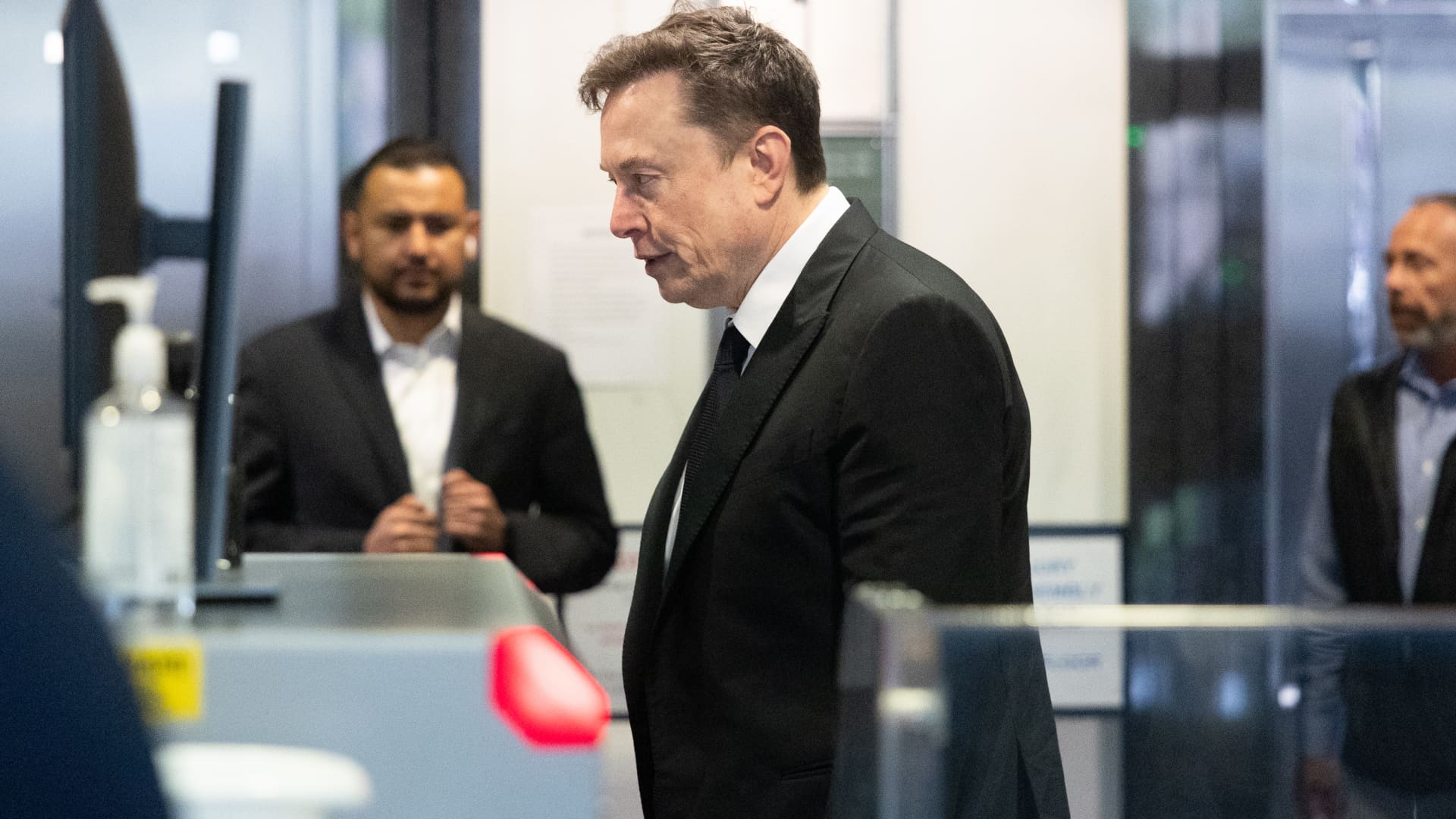
The burgeoning rivalry between tech titans Elon Musk and Sam Altman has escalated sharply following Apple’s recent filing of an OpenAI lawsuit. This legal and public sparring on X underscores the intense competition and ethical dilemmas at the core of the rapidly evolving artificial intelligence landscape, threatening to redefine industry partnerships and innovation trajectories.
🚀 Tech Strategy & Market Disruptions
- Escalating AI Competition. The direct public confrontation between Musk and Altman, alongside new model releases, signals a fierce battle for generative AI dominance and market share.
- Intellectual Property Scrutiny. Apple’s trade secrets lawsuit against OpenAI intensifies the focus on data privacy, IP ownership, and ethical AI development within major tech collaborations.
- IPO Market Dynamics. Both SpaceX (with its xAI ambitions) and OpenAI are navigating their IPOs, positioning them as key players in the public market’s perception of future AI growth and investment opportunities.
The latest verbal clash between Elon Musk and Sam Altman on X, ignited by Apple’s trade secrets allegations against OpenAI, casts a long shadow over the future of artificial intelligence development. The roots of this public animosity trace back to OpenAI’s founding in 2015 as a non-profit research initiative, a venture Musk initially supported before his contentious departure from the board in 2018. His subsequent legal challenge alleged Altman’s transformation of OpenAI into a for-profit entity contradicted the original mission, though a jury sided with Altman.
This renewed public dispute coincides with significant product launches and market maneuvers from both camps. SpaceX, under Musk’s leadership, recently completed a landmark $75 billion IPO, outlining ambitious plans for space-based data centers and enterprise AI applications. Simultaneously, Musk’s xAI lab introduced its Grok 4.5 generative AI model. In response, OpenAI, which has confidentially filed for its own IPO, unveiled GPT-5.6 Sol, asserting its continued leadership in advanced AI capabilities. These parallel advancements highlight the intense innovation cycle underway, a market impact analyzed by leading tech media.
The personal nature of the rivalry became evident when Musk, reacting to the news of Apple’s comprehensive industry insights lawsuit against OpenAI, publicly dubbed Altman ‘Scam Altman’ and accused him of deceptive practices. Altman swiftly retorted by questioning Musk’s own venture into ‘short-term space datacenters’ and later suggested Musk’s ‘obsession’ with him was a testament to GPT-5.6 Sol’s superior performance. The underlying tension reveals not just a battle of egos, but a fundamental disagreement over the trajectory and commercialization of AI technology.
- Key Developments: Apple files lawsuit against OpenAI for alleged trade secret theft, intensifying scrutiny on AI partnerships.
- Competitive Releases: xAI launches Grok 4.5; OpenAI debuts GPT-5.6 Sol, both vying for generative AI supremacy.
- Market Expansion: SpaceX completes a record $75 billion IPO, while OpenAI confidentially files for its own, signaling major capitalization in AI and space tech.
The legal landscape adds another layer of complexity. An OpenAI spokesperson stated, ‘We have no interest in other companies’ trade secrets,’ a claim now tested by Apple’s legal action. This situation highlights the growing importance of intellectual property in AI development and commercialization, a critical factor for investors following emerging technologies.
Apple’s OpenAI lawsuit creates a significant disruption flow: a major tech company’s legal challenge against a leading AI provider → heightened scrutiny on all AI development partnerships and data-sharing agreements across the industry → potential re-evaluation of ethical AI deployment and intellectual property safeguards → a broader shift in how corporate alliances form and operate in the AI ecosystem, pushing for greater transparency and compliance.
From a CTO perspective, the core issue isn’t merely a personal feud, but the escalating tension between open innovation and proprietary commercialization in AI. As large language models become foundational infrastructure, the integrity of their training data, the origin of their intellectual property, and their governance structure become paramount for enterprise adoption and public trust. The outcome of these legal battles will set precedents for how AI is developed, licensed, and integrated across all sectors, impacting everything from autonomous systems to advanced data analytics.
The recent product launches underscore the direct competition in AI development:
- Generative AI Models: OpenAI’s GPT-5.6 Sol and xAI’s Grok 4.5 both represent the latest iterations in large language model capabilities, signaling a continuous push for algorithmic superiority.
- Market Valuations: SpaceX achieved a $75 billion valuation via its IPO, while OpenAI’s confidential IPO filing points to significant investor interest in its commercial potential, with both companies aiming for substantial capital influx to fund their aggressive AI roadmaps.
- Strategic IP Stakes: The Apple OpenAI lawsuit introduces a critical dimension of intellectual property rights, challenging the narrative around shared development versus proprietary advantage in AI models and datasets.
OpenAI Market Adoption Challenges Amidst Legal Scrutiny
OpenAI’s rapid ascent has come with inherent market adoption challenges, especially as it navigates complex legal and ethical landscapes. The recent Apple lawsuit, alleging trade secret theft, could introduce significant friction for enterprise clients considering deep integrations with OpenAI’s models. Businesses prioritize stability and legal certainty, and ongoing litigation, regardless of outcome, introduces an element of risk that can slow broader adoption. Furthermore, the company’s shift from a non-profit to a profit-focused entity has consistently sparked debate regarding its commitment to open and safe AI, influencing public perception and potential regulatory oversight. Winning the technical race is one thing; winning the trust of a global enterprise market is another, especially when intellectual property disputes loom large.
OpenAI Ecosystem Expansion Potential Post-IPO
Despite the legal headwinds, OpenAI’s ecosystem expansion potential post-IPO remains substantial, predicated on its foundational technology and strategic partnerships. A successful public offering would inject considerable capital, enabling aggressive R&D into multimodal AI, robotics, and specialized industry applications. Beyond its direct API offerings, OpenAI’s future growth hinges on its ability to deepen integrations with cloud providers, hardware manufacturers, and software developers, extending its models into diverse workflows. The challenge will be to balance rapid innovation and commercial growth with robust governance and ethical frameworks, ensuring its expansion doesn’t exacerbate existing market concerns or invite further regulatory intervention, a key factor for global tech developments.
The OpenAI Lawsuit: Navigating Future AI Leadership
The legal and public confrontations surrounding the OpenAI lawsuit signal a pivotal moment for the AI industry. Beyond the personal rivalry, these events force a critical re-evaluation of ethical AI development, intellectual property, and the very structure of innovation. The outcomes will undoubtedly shape investor confidence and future collaboration models in a sector poised for unprecedented growth and disruption. For investors seeking to gain deeper educational tech insights, understanding these shifts is crucial.
- The legal battle could redefine intellectual property norms for AI models and data.
- Investor sentiment for both public and private AI companies may shift based on regulatory and legal precedents set.
- The intensity of the competition highlights the critical role of governance and ethical considerations in AI’s future.
Will this high-stakes contest ultimately drive greater transparency and collaboration, or will it lead to a more fractured and litigious AI landscape?
📊 StockXpo Analyst’s View
Market Impact: The escalating tensions and legal actions, particularly the Apple OpenAI lawsuit, introduce a significant layer of uncertainty for the AI sector. This could temper some investor enthusiasm for nascent AI firms, prioritizing established players with robust legal frameworks and clear IP strategies. We anticipate a flight to quality as investors seek stability amidst the public sparring and legal complexities. The IPOs of SpaceX and OpenAI, however, will continue to draw substantial capital, albeit with increased scrutiny on their governance and competitive differentiation.
Sector To Watch: The immediate spotlight falls on companies heavily invested in AI infrastructure, data governance, and ethical AI development. Cloud providers and specialized legal tech firms focusing on IP protection for AI could see increased demand. Furthermore, hardware manufacturers developing secure, on-device AI capabilities may gain an edge as companies seek to mitigate external IP risks. This saga could catalyze innovation in privacy-preserving AI and decentralized models, prompting investors to look at firms that offer solutions for regulatory compliance and secure AI deployment.
Financial Disclaimer:
StockXpo.com is a financial news aggregator and educational portal, not a registered investment advisor or broker-dealer. All information, news, and analysis provided herein are strictly for educational purposes and do not constitute investment, financial, legal, or tax advice. Investing in the stock market involves high risks, and past performance is not indicative of future results. StockXpo will not be liable for any financial losses or investment damages. Always consult a certified financial advisor before making market decisions.
MORE IN INSIDE TECHNOLOGY

Starlink India: Regulatory Hurdles and Innovation-Driven Growth Risks
Published: Friday, October 9, 2026 · 12:48 AM
Starlink Launch: India’s Digital Transformation Faces Regulatory Risk
Published: Thursday, October 8, 2026 · 1:51 AM