
Published: Thursday, June 4, 2026 · 10:41 AM | Updated: Thursday, June 4, 2026 · 10:41 AM
📊 266 views




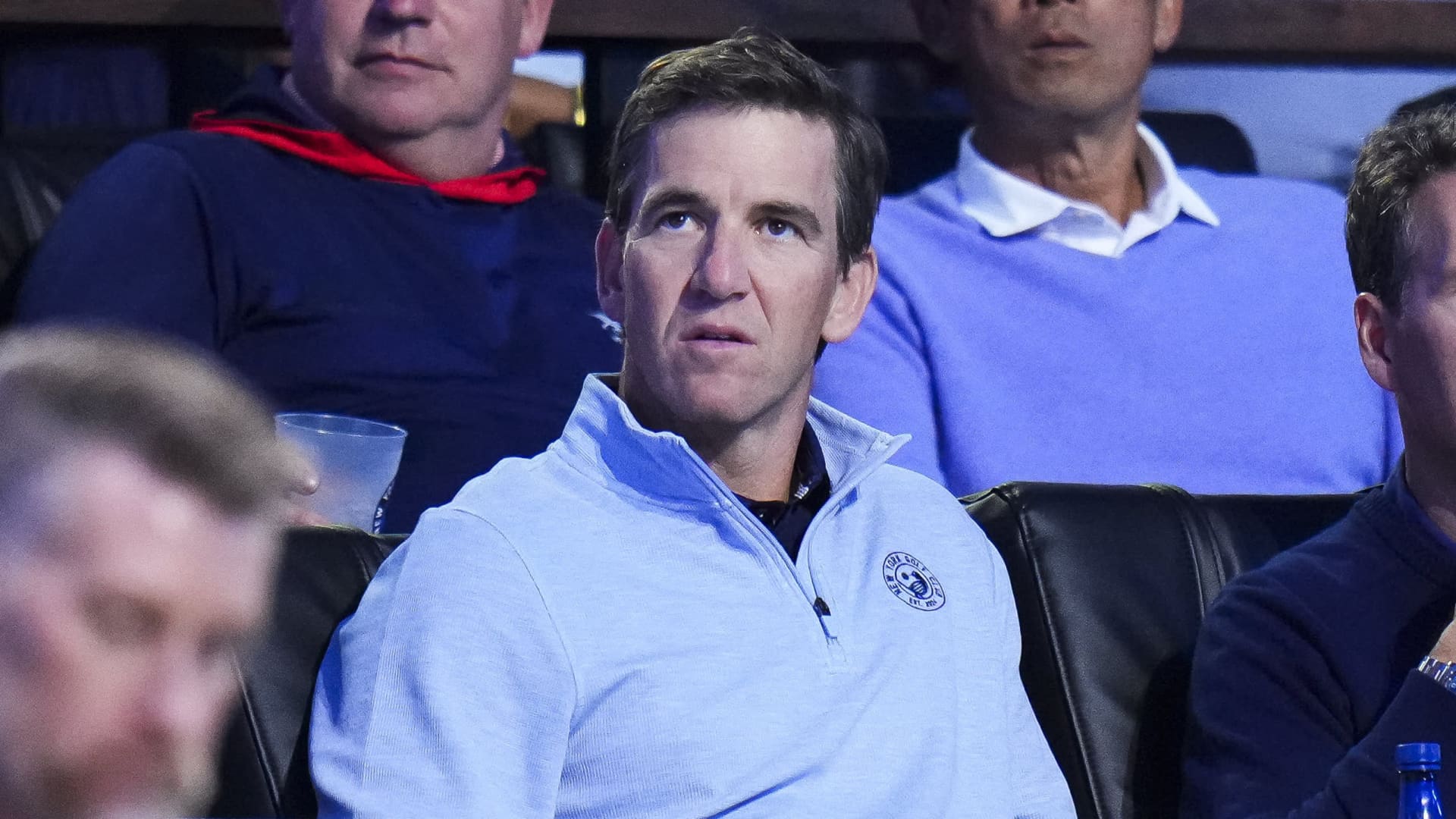
The intersection of sports and politics presents a complex landscape for athlete branding and team dynamics, forcing organizations to balance individual expression with corporate image. Recent events involving New York Giants quarterback Jaxson Dart have highlighted the delicate equilibrium professional athletes must maintain when engaging in public political discourse, impacting personal endorsement deals and team unity.
🗝️ Corporate Strategy Insights
- Brand Risk Management. Public political endorsements by high-profile athletes can introduce significant brand risk for teams and sponsoring companies, requiring careful crisis communication strategies.
- Athlete Endorsement Dynamics. Athletes like Eli Manning demonstrate how a politically neutral public persona can enhance marketability for diverse brands, offering a lesson in long-term capital allocation for personal branding.
- Team Cohesion and Performance. Internal team friction stemming from differing political views, as seen with Jaxson Dart, can impact operational efficiency and collective performance on the field.
Former New York Giants quarterback Eli Manning recently shared his insights on the burgeoning trend of Athlete Political Stances, a topic brought to the forefront by current Giants signal-caller Jaxson Dart’s appearance at a rally for President Donald Trump. Manning, a two-time Super Bowl winner, acknowledged the right of athletes to express political views but underscored the inevitable backlash and potential consequences that follow. Dart’s public endorsement led to internal team scrutiny, notably from teammate Abdul Carter, and prompted Dart to disable Instagram comments and address his teammates directly. This incident highlights a growing challenge for sports franchises: how to navigate the personal political expressions of their high-value assets without alienating fan bases or disrupting team cohesion. This dynamic is closely monitored across the sector, as reported by outlets covering global financial markets and business strategy.
Eli Manning himself famously avoided public political commentary throughout his illustrious career, a strategy he attributes partly to his success in securing lucrative endorsement deals with major brands like DirectTV, Nationwide, Corona, and Pepsi. His approach exemplifies a calculated decision to maintain a broad appeal, effectively diversifying his personal brand’s ‘capital allocation’ across various consumer segments. In contrast, Dart’s public political alignment, while a matter of personal freedom, immediately narrowed his potential appeal to certain fan demographics and endorsement partners. The incident also surfaces broader discussions on the evolving role of athletes as public figures beyond their sport, especially in an era of heightened social media engagement and political polarization. Teams face the delicate task of fostering an environment where diverse views can coexist while ensuring such expressions do not undermine the collective mission or operational efficiency.
- The immediate social media backlash faced by Jaxson Dart, forcing him to disable comments, illustrates the instantaneous and widespread impact of political alignment for public figures.
- Eli Manning’s long-standing strategy of political neutrality proved a significant asset in building a broad and lucrative endorsement portfolio.
- The potential for internal team friction underscores the importance of managing diverse personal beliefs within a high-performance corporate environment like a professional sports team.
The ripple effect of athlete political engagement extends far beyond individual social media accounts. For sports organizations, a player’s public political stance can lead to several strategic outcomes:
- Brand Polarization → Fan Segmentation → Revenue Risk: When an athlete aligns with a specific political ideology, it can polarize the team’s fan base. This segmentation, in turn, risks alienating significant portions of the market, potentially impacting ticket sales, merchandise revenue, and broader brand affinity. Competitors in the same league, whose players maintain neutrality or align with a more broadly accepted stance, might gain a competitive edge in market share and public perception.
- Endorsement Volatility → Sponsorship Withdrawals → Marketing Gaps: Brands often seek athletes who embody universal appeal to maximize reach. A politically charged athlete may see existing endorsement deals reviewed or new opportunities vanish. This volatility creates marketing gaps for both the athlete and the team, as companies become wary of associating with potential controversy, affecting the athlete’s personal ‘capital allocation’ in brand partnerships. For more insights into corporate growth trends, visit StockXpo Business.
- Team Dynamics → Performance Degradation → On-Field Losses: As Eli Manning noted, political differences can create friction within a team. While he hoped for conversation, a deep divide could impact trust and cooperation, leading to decreased operational efficiency and, ultimately, poorer on-field performance. This directly affects the team’s market leadership and competitive moat, as success is tied to collective harmony and execution.
‘The strategic decision for an athlete to engage in political discourse is a double-edged sword: it can empower personal voice but simultaneously introduce significant brand and team equity risk, impacting everything from endorsement portfolios to locker room cohesion.’
While specific financial metrics are not provided for Jaxson Dart’s situation, key indicators within the sports business environment include:
- Social Media Engagement Metrics: Rapid spikes in negative comments or ‘disabled comments’ directly indicate public sentiment and potential brand damage. This matters as digital engagement is a primary channel for fan interaction and brand building.
- Sponsorship Deal Valuations: A player’s marketability, reflected in endorsement value, can fluctuate based on public perception, signaling a change in their personal brand’s ‘capital allocation’ potential.
- Team Performance Statistics: A decline in team performance, even if indirectly linked, could be an indicator of underlying internal issues, including those stemming from interpersonal friction.
Managing Athlete Personal Brand Equity in the Digital Age
In today’s hyper-connected world, an athlete’s personal brand equity is meticulously built and easily eroded. The decision to engage in political statements, while a constitutional right, becomes a strategic calculation for individual athletes and their agents. The long-term value of an athlete’s image for endorsement deals often outweighs the short-term satisfaction of public political expression, as demonstrated by the contrasting approaches of Eli Manning and Jaxson Dart. Companies seeking brand ambassadors are increasingly scrutinizing potential partners for alignment with their own corporate values and risk tolerance, shifting the landscape for athlete marketability. This scrutiny extends beyond performance metrics to encompass an athlete’s entire public persona, requiring a sophisticated approach to personal brand management. Investors often look for stability and broad appeal in their investments. Analyzing broader investment trends can provide context on market investment analysis, available at StockXpo.
Navigating Team Cohesion: A Business Imperative for Sports Franchises
For professional sports teams, the concept of ‘team cohesion’ extends beyond the locker room to become a critical business imperative. A unified team is more likely to achieve peak operational efficiency and maintain market leadership through consistent performance. When individual members’ political actions create internal friction, it introduces a strategic vulnerability. Franchises must develop robust internal communication policies and support systems that allow for individual expression while safeguarding the collective harmony and shared objectives. This is a delicate balance, as suppressing voices can also lead to resentment, while unchecked polarization can dismantle trust, affecting the team’s competitive moat. The ability to manage diverse personalities and political beliefs within a high-stakes environment is a testament to strong organizational leadership and a key factor in sustained success, relevant to broader discussions on corporate leadership as covered by Reuters Business news. For further analysis and educational insights, explore the resources on StockXpo Blog.
Athlete Political Stances: The Evolving Calculus for Sports Brands
The recent spotlight on Jaxson Dart and Eli Manning’s reflections underscore a pivotal moment for how professional sports organizations and individual athletes navigate public political engagement. This dynamic forces a recalculation of personal brand value against the backdrop of team unity and fan sentiment.
- Athlete brand management is becoming increasingly complex, requiring foresight into potential public and corporate backlash.
- Team leadership faces heightened pressure to mediate internal political discussions to maintain operational efficiency and competitive performance.
- Sponsors are re-evaluating endorsement strategies, favoring neutrality or carefully aligned public figures to mitigate brand risk.
Will sports leagues and teams develop clearer guidelines for athlete political expression, or will individual discretion continue to drive this high-stakes brand narrative?
📊 StockXpo Analyst’s View
Market Impact: This trend indicates increasing brand risk for companies reliant on athlete endorsements, potentially leading to a shift towards more ‘apolitical’ public figures or stricter contractual clauses. It could also fuel niche marketing, where brands intentionally align with politically active athletes to target specific consumer segments, albeit with a smaller audience.
Sector To Watch: The sports marketing and athlete representation sectors will need to adapt rapidly. Agencies must counsel athletes on the long-term career and financial implications of public political stances, while sports leagues may explore new policies to manage team cohesion and brand perception. This evolution will impact capital allocation within entertainment and media enterprises.
Financial Disclaimer:
StockXpo.com is a financial news aggregator and educational portal, not a registered investment advisor or broker-dealer. All information, news, and analysis provided herein are strictly for educational purposes and do not constitute investment, financial, legal, or tax advice. Investing in the stock market involves high risks, and past performance is not indicative of future results. StockXpo will not be liable for any financial losses or investment damages. Always consult a certified financial advisor before making market decisions.
MORE IN INSIDE BUSINESS

American Airlines loss forecast: Strategic Capacity Slowdown Expected
Published: Thursday, October 22, 2026 · 8:40 AM
United Airlines Profit Outlook Slashed Amid Fuel Costs, Strong Demand Persists
Published: Wednesday, October 21, 2026 · 7:30 AM

