Published: Wednesday, May 27, 2026 · 2:46 AM | Updated: Wednesday, May 27, 2026 · 2:46 AM
📊 226 views




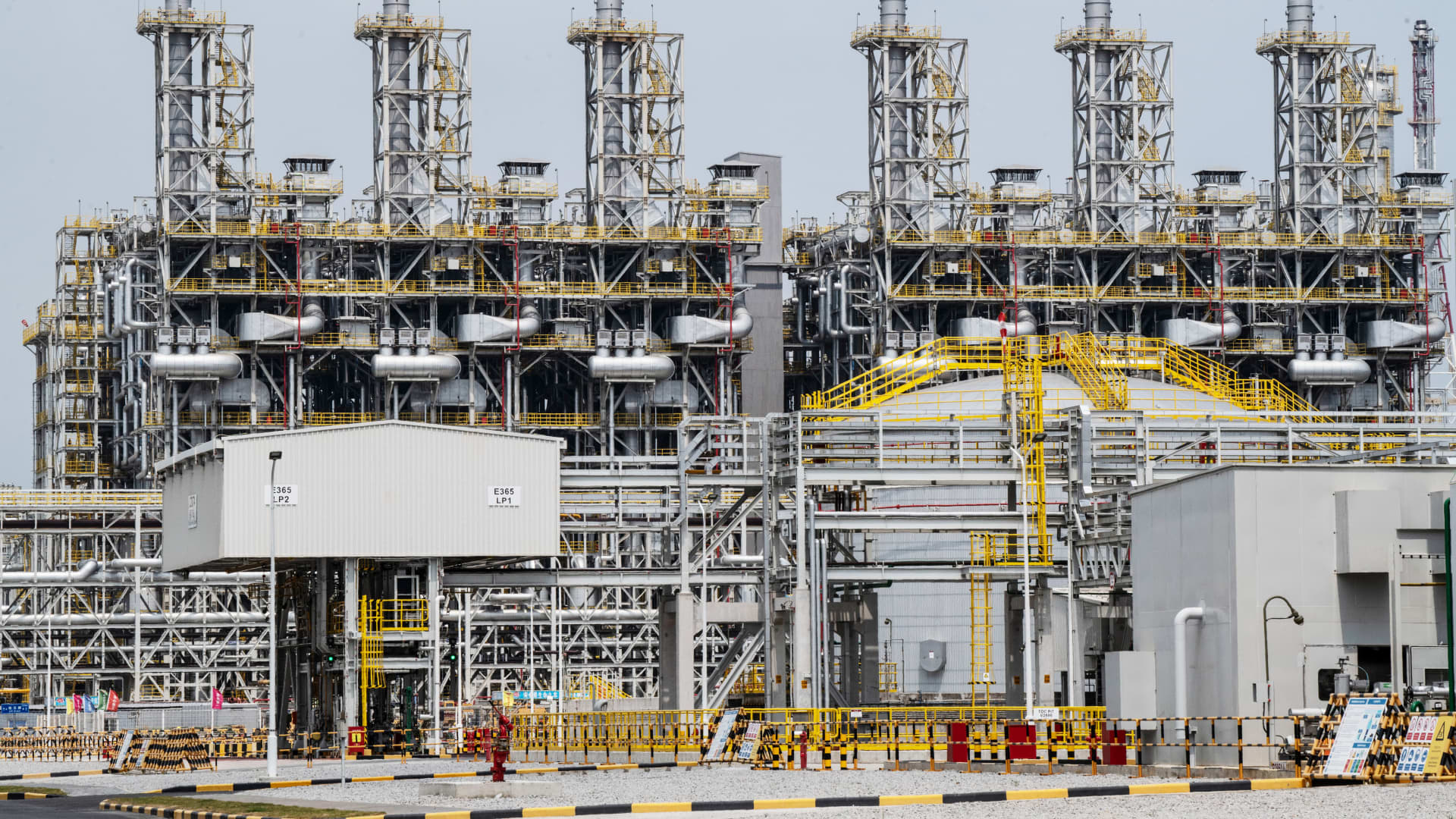
European corporations are deepening their commitment to China manufacturing, defying widespread ‘de-risking’ calls from the EU. A recent survey reveals that global competitiveness, cost efficiencies, and advanced automation are compelling factors solidifying China’s role as a crucial production hub for these firms.
💰 Financial Strategy & Market Insights
- Against the Grain. Despite political pressure to diversify, a significant majority of European firms are expanding or maintaining their China manufacturing footprint.
- Efficiency Edge. Automation, lower industrial energy costs, and raw material access in China are driving superior production efficiency compared to other global operations.
- Competitiveness Driver. Companies view reliance on Chinese supply chains as essential to compete on price and quality in global markets.
A recent survey by the European Union Chamber of Commerce in China highlights a compelling trend: European companies are actively reinforcing their presence in China’s industrial landscape, rather than withdrawing. Almost one-third of respondents indicated they are further onshoring within China, with an additional 37% reporting no change to their supply chain strategy over the past two years. This collective 68% underscores a continued, if not growing, reliance on the nation for production.
This trend contradicts the broader EU ‘de-risking’ narrative, which advocates for reducing supply chain dependence on China. Jens Eskelund, President of the EU Chamber of Commerce in China, explicitly stated, ‘We don’t see sort of de-risking becoming a theme,’ suggesting an increased, rather than decreased, dependence on China manufacturing. Only 7% of firms reported moving sourcing or establishing alternative manufacturing bases outside the country, while approximately 24% are adopting a dual strategy of expanding in China while also seeking alternative suppliers.
The primary driver behind this steadfast commitment to China manufacturing is cost-effectiveness and operational efficiency. While China has historically benefited from lower labor costs, the narrative is evolving. Factories are rapidly embracing automation, rendering human labor costs increasingly irrelevant, as observed by Denis Depoux of Roland Berger. This technological leap allows for faster production and, ultimately, lower unit costs, even with higher initial investment in robotics. Chinese EV maker Nio exemplifies this with factories operating with hundreds of robots around the clock, showcasing a highly autonomous production environment.
The localized manufacturing ecosystem further enhances this cost and speed advantage. European firms benefit from lower industrial energy prices, competitive raw material costs, and often, state subsidies, as detailed in a Roland Berger report. These factors collectively enable Chinese-produced goods to reach global markets more quickly and at significantly reduced prices. Indeed, roughly three-fourths of EU companies in China report their facilities there are more efficient than their operations elsewhere. This strategic imperative means that for many industries, engaging with Chinese supply chains is no longer a choice but a necessity to maintain global competitiveness on price and quality. For more insights on global market analysis, visit StockXpo.
Navigating the Market: Risk vs. Reward in China’s Industrial Embrace
- Upside:
- Enhanced Competitiveness: European firms leveraging China’s cost and efficiency advantages can offer more competitive products globally, potentially increasing market share and profitability.
- Innovation Access: Proximity to China’s rapidly advancing automation and industrial technology ecosystem fosters quicker adoption of new production methods and R&D.
- Supply Chain Resilience (Internal): Onshoring within China can streamline logistics and reduce transit times for goods destined for Asian markets or specific components.
- Downside Risks:
- Geopolitical Headwinds: Escalating trade tensions and EU tariffs could negatively impact profitability and operational stability, despite current commitments.
- Over-reliance & De-risking Pressure: Increased dependence on China runs counter to broader political de-risking strategies, potentially leading to regulatory challenges or public scrutiny.
- Intellectual Property Concerns: Operating within China carries inherent risks regarding intellectual property protection and forced technology transfer, especially in sensitive sectors.
The shift by European companies to double down on China manufacturing highlights a critical asset valuation paradox: while political pressure advocates for diversification, economic realities, driven by superior operational efficiency and cost structures in China, compel firms to concentrate assets there to maintain global price competitiveness. This dynamic requires a nuanced approach to risk management, balancing geopolitical risks against immediate financial gains and market share protection.
Key Trends in European Supply Chain Strategies
- Expanding in China: Nearly 33% of European firms surveyed are actively increasing their China manufacturing footprint.
- Maintaining Status Quo: 37% of companies have kept their supply chain strategies unchanged over the last two years.
- Efficiency Advantage: Approximately 75% of EU companies report their production facilities in China are more efficient than operations elsewhere.
Asset Valuation Dynamics in Asia
The strategic decision by European firms to expand China manufacturing operations has significant implications for asset valuation across the Asian continent. Companies that are integrating deeper into China’s highly efficient supply chains often see enhanced return on invested capital due to lower operational costs and faster time-to-market. This, in turn, can positively influence their equity valuations, particularly for firms whose primary market or competitive edge relies heavily on cost-effective production. Conversely, companies that struggle to achieve similar efficiencies outside of China might face downward pressure on their valuations as their products become less competitive globally. The perceived stability and efficiency of China’s industrial base, despite geopolitical headwinds, can also draw foreign direct investment, bolstering asset liquidity in key manufacturing zones. For instance, the efficiency gains exemplified by companies like Nio through advanced automation make China an attractive hub for high-volume, tech-intensive manufacturing, directly impacting investor sentiment and capital allocation. This also shapes broader trends in the financial sector.
Global Manufacturing Historical Benchmarking
Historically, global manufacturing has shifted from developed Western economies to emerging markets, with China emerging as the undisputed ‘world’s factory’ over the past few decades. This news suggests a continuation, and perhaps even acceleration, of this trend, despite recent attempts at reshoring or nearshoring by Western governments. Benchmarking against past industrial migrations, the current move by European firms towards deeper China manufacturing integration mirrors patterns seen when industries first consolidated production in lower-cost regions. What is distinct now is the role of advanced automation and a sophisticated local ecosystem in driving efficiency, rather than solely relying on cheap labor. This evolution implies that China’s competitive advantage is no longer just about cost, but increasingly about speed, scale, and technological prowess. This positions China as a benchmark for high-volume, high-efficiency manufacturing, compelling international firms to maintain their presence there to remain competitive on a global scale. This dynamic influences market analysis and investment trends for those tracking global supply chain shifts. Further coverage can be found on leading financial news outlets like Bloomberg markets.
China Manufacturing’s Enduring Pull: A Strategic Imperative?
The resilience of European companies’ commitment to China manufacturing underscores a powerful economic reality often outweighing political directives. Firms are prioritizing global competitiveness by leveraging China’s advanced, cost-efficient industrial ecosystem. This trend suggests a recalibration of ‘de-risking’ efforts towards ‘diversification within China,’ rather than an outright exodus.
- European firms are driven by tangible cost savings and efficiency gains, particularly through automation and localized industrial ecosystems.
- Maintaining global market competitiveness on price and quality remains a paramount concern, tightly linking many firms to China’s robust supply chains.
- The emerging dual strategy of expanding in China while simultaneously exploring alternative suppliers indicates a pragmatic, hybrid approach to managing both risk and opportunity.
How will geopolitical pressures ultimately balance against these undeniable economic efficiencies in shaping future global supply chains? For comprehensive educational financial insights, explore our StockXpo blog.
📊 StockXpo Analyst’s View
Market Impact: This sustained investment in China manufacturing suggests a reassessment of market liquidity strategies, with capital continuing to flow into established, efficient production hubs rather than being fully diverted. While political rhetoric may advocate for de-risking, the financial imperative for cost leadership and market access appears to be driving actual investment trends. This could temper expectations for rapid industrial reshoring in other regions, impacting valuations of companies banking on that trend. For further economic news, refer to Reuters business finance reporting.
Sector To Watch: Industries heavily reliant on cost-effective, high-volume production, such as automotive, electronics, and basic chemicals, will continue to benefit from China’s manufacturing capabilities. Watch for European industrial conglomerates with significant Asian operations; their sustained profitability hinges on leveraging these efficiencies. Additionally, robotics and industrial automation companies in China stand to gain from increased adoption by foreign firms.
Financial Disclaimer:
StockXpo.com is a financial news aggregator and educational portal, not a registered investment advisor or broker-dealer. All information, news, and analysis provided herein are strictly for educational purposes and do not constitute investment, financial, legal, or tax advice. Investing in the stock market involves high risks, and past performance is not indicative of future results. StockXpo will not be liable for any financial losses or investment damages. Always consult a certified financial advisor before making market decisions.
MORE IN INSIDE FINANCE

Trading Volumes Under Fire: Prediction Markets Kalshi and Polymarket Face Scrutiny
Published: Thursday, October 1, 2026 · 11:43 AM

Temasek Middle East Expansion: A Bold $400 Billion Capital Shift
Published: Wednesday, September 30, 2026 · 5:31 AM