Published: Tuesday, May 26, 2026 · 10:41 PM | Updated: Tuesday, May 26, 2026 · 10:41 PM
📊 244 views




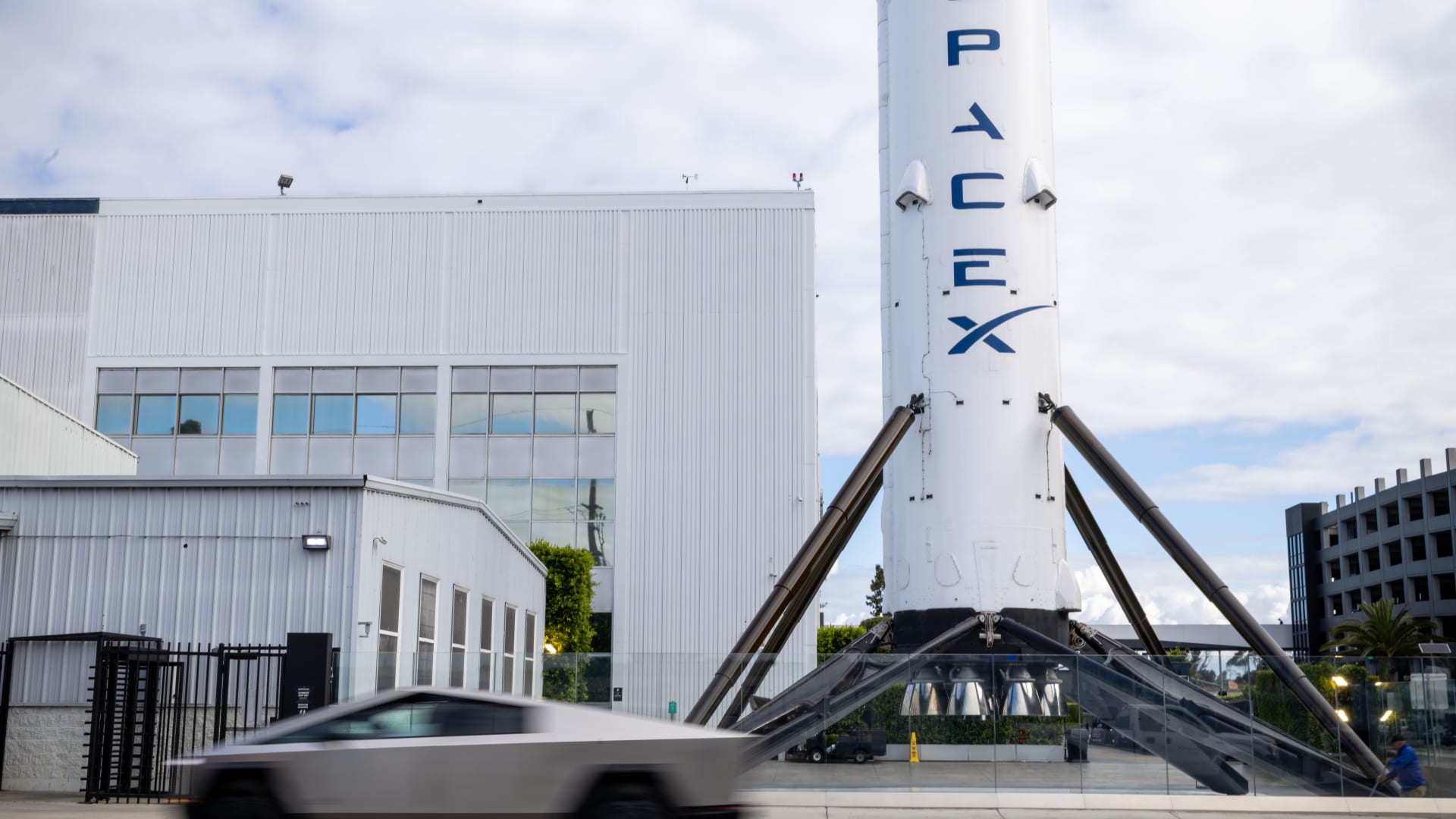
Elon Musk’s ambitious vision for his two colossal ventures, SpaceX and Tesla, appears to be converging, fueling intensifying speculation about a potential SpaceX-Tesla Merger. As SpaceX prepares for its Nasdaq debut, fresh off its xAI integration and a $1.25 trillion private valuation, the prospect of combining two of the world’s most valuable enterprises underscores a significant strategic play driven by an insatiable demand for advanced AI and deep operational synergies.
Internal discussions and widespread employee expectations suggest that unifying these entities has long been an underlying goal, driven by shared technological challenges and resource dependencies. This convergence points to a future where autonomous systems, space exploration, and sustainable energy are inextricably linked under a single, innovation-driven banner.
🚀 Tech Strategy & Market Disruptions
- AI Convergence Powerplay. Both SpaceX and Tesla are channeling substantial capital into AI infrastructure, hinting at a unified front in developing autonomous systems and computational intelligence at an unprecedented scale.
- Strategic Resource Synergies. Extensive sharing of critical resources, including personnel, board members, and essential hardware like Tesla’s Megapack batteries and high-performance Nvidia GPUs, illustrates deeply integrated operational flows.
- Unlocking Capital for Innovation. A potential SpaceX-Tesla Merger could unlock unparalleled capital-raising capacity, significantly accelerating the combined entity’s ability to compete with global tech giants in the rapidly evolving AI landscape.
The intensifying chatter surrounding a SpaceX-Tesla Merger is not merely speculative; it’s rooted in growing operational overlap and strategic alignment. With SpaceX recently merging with xAI, Musk is on the cusp of leading two companies that, when combined, would represent an enormous chunk of the U.S. market. Tesla’s market capitalization currently hovers around $1.6 trillion, while SpaceX’s private valuation, post-xAI, stands at $1.25 trillion. These figures alone highlight the monumental scale of any potential consolidation.
The core rationale for such a merger centers on the shared imperative for advanced AI and robust computing resources. Industry veterans, like Tomasz Tunguz of Theory Ventures, emphasize the unique, yet complementary, AI challenges faced by both firms. Tesla’s need for powerful, low-latency AI systems in vehicles with tight power and cooling constraints mirrors SpaceX’s requirements for compute in orbit, where radiation and thermal cycling pose existential design hurdles. This duality underscores a compelling argument for pooling intellectual and computational resources.
Evidence of deep collaboration is abundant. Tesla, for instance, invested $2 billion in xAI, which subsequently converted into holdings in SpaceX after their merger. Furthermore, SpaceX has made significant purchases from its electric vehicle counterpart, including $697 million worth of Tesla’s Megapack battery energy storage systems to power xAI’s data centers and $131 million in Cybertrucks. The sharing extends to executive boards and key engineering talent, with individuals like Charles Kuehmann serving as VP of materials engineering for both companies.
- SpaceX’s first-quarter capital expenditures saw more than 75% allocated directly to AI development, emphasizing its strategic pivot.
- Tesla anticipates tripling its capital expenditure this year, targeting over $25 billion, primarily earmarked for critical AI infrastructure.
- In a notable move, Nvidia reportedly redirected a significant $500 million GPU order from Tesla to xAI at Elon Musk’s personal request, demonstrating resource prioritization.
The strategic drive for AI vertical integration across Musk’s portfolio—SpaceX’s Starlink, xAI, and Tesla’s autonomous driving efforts—creates a powerful cause-and-effect chain. This intensive focus on developing cutting-edge AI and advanced computational capabilities leads to unprecedented data accumulation and processing power. The result is rapid innovation in autonomous systems, satellite internet, and electric vehicle technology, ultimately creating potential for profound market disruption across the automotive, aerospace, and AI sectors globally.
“The confluence of SpaceX’s orbital infrastructure, Tesla’s edge computing prowess, and xAI’s generative capabilities forms a formidable, almost self-sustaining technology ecosystem. Such a combined entity could not only accelerate Musk’s personal vision but fundamentally redefine the competitive landscape for global technology market trends,” notes Tejpaul Bhatia, CEO of Nebex.
SpaceX’s Ecosystem Expansion Potential
SpaceX, already a multifaceted conglomerate encompassing reusable rockets, Starlink internet services, and now xAI, stands poised for exponential growth. The integration of xAI brought with it the social media platform X and an agreement to acquire AI coding startup Cursor for a substantial $60 billion. This aggressive expansion into AI isn’t just about diversification; it’s about building a vertically integrated technology stack. The data generated from Starlink’s global network, combined with xAI’s intelligence and Tesla’s real-world AI deployment, could create a feedback loop of unprecedented scale, driving innovations far beyond current industry benchmarks. This strategic depth could enable SpaceX to dominate not just space transportation and internet, but also critical segments of the AI economy, shaping future industry developments.
Tesla’s Security & Infrastructure Strength
Tesla’s deep expertise in designing secure, high-performance edge computing solutions for its vehicles, coupled with its large-scale battery storage technology, provides a robust infrastructure foundation. The company’s commitment to tripling its capital expenditure this year, largely for AI infrastructure, indicates a strategic investment in maintaining this edge. The ability to manage immense computational loads under stringent power, cooling, and reliability constraints—both in its autonomous vehicles and through its Megapack energy storage systems—positions Tesla as a critical enabler for any large-scale AI deployment. This infrastructure strength, honed in demanding automotive environments, is directly transferable to the high-stakes world of aerospace and data centers, offering significant advantages in a unified operational framework.
The SpaceX-Tesla Convergence: Navigating Uncharted Territory
A potential SpaceX-Tesla Merger represents a frontier-pushing move that could redefine corporate synergy in the age of AI. While the benefits of shared resources, unified AI development, and simplified capital raising are evident, the complexities around valuation, shareholder concerns, and governance of such a colossal entity cannot be understated. Elon Musk’s unparalleled voting power in SpaceX may streamline decision-making, but external stakeholders will scrutinize the fairness and long-term value creation for both sets of investors.
- The combined entity would command unprecedented scale, influencing global markets across space, automotive, and AI sectors.
- Operational efficiencies and synergistic R&D could accelerate technological breakthroughs in autonomous systems and sustainable energy.
- Navigating shareholder interests and integrating diverse corporate cultures will present significant challenges for management.
Could such a powerful, integrated conglomerate truly accelerate humanity’s multi-planetary future while revolutionizing terrestrial transport and AI?
📊 StockXpo Analyst’s View
Market Impact: A definitive SpaceX-Tesla Merger, while complex, would likely be perceived by investors as a strategic move to consolidate Musk’s AI ambitions, potentially boosting confidence in the long-term growth trajectory of both companies. The increased scale and unified capital access could make the combined entity a formidable competitor, attracting significant institutional interest and potentially increasing liquidity.
Sector To Watch: The AI infrastructure and satellite communications sectors stand to gain immensely. Companies specializing in advanced chips, data centers, and space-based internet technologies will see heightened demand and strategic partnerships emerge from a unified SpaceX-Tesla entity. Conversely, existing players in autonomous vehicle technology and general AI development might face intensified competition.
Financial Disclaimer:
StockXpo.com is a financial news aggregator and educational portal, not a registered investment advisor or broker-dealer. All information, news, and analysis provided herein are strictly for educational purposes and do not constitute investment, financial, legal, or tax advice. Investing in the stock market involves high risks, and past performance is not indicative of future results. StockXpo will not be liable for any financial losses or investment damages. Always consult a certified financial advisor before making market decisions.
MORE IN INSIDE TECHNOLOGY
AI Innovation Fuels Southeast Asia’s Digital Growth
Published: Thursday, October 22, 2026 · 12:36 AM
NextDC Shares Plunge: Power Delays Threaten Australia’s Data Center Growth
Published: Wednesday, October 21, 2026 · 1:50 AM