Published: Friday, May 22, 2026 · 8:46 PM | Updated: Friday, May 22, 2026 · 8:46 PM
📊 324 views




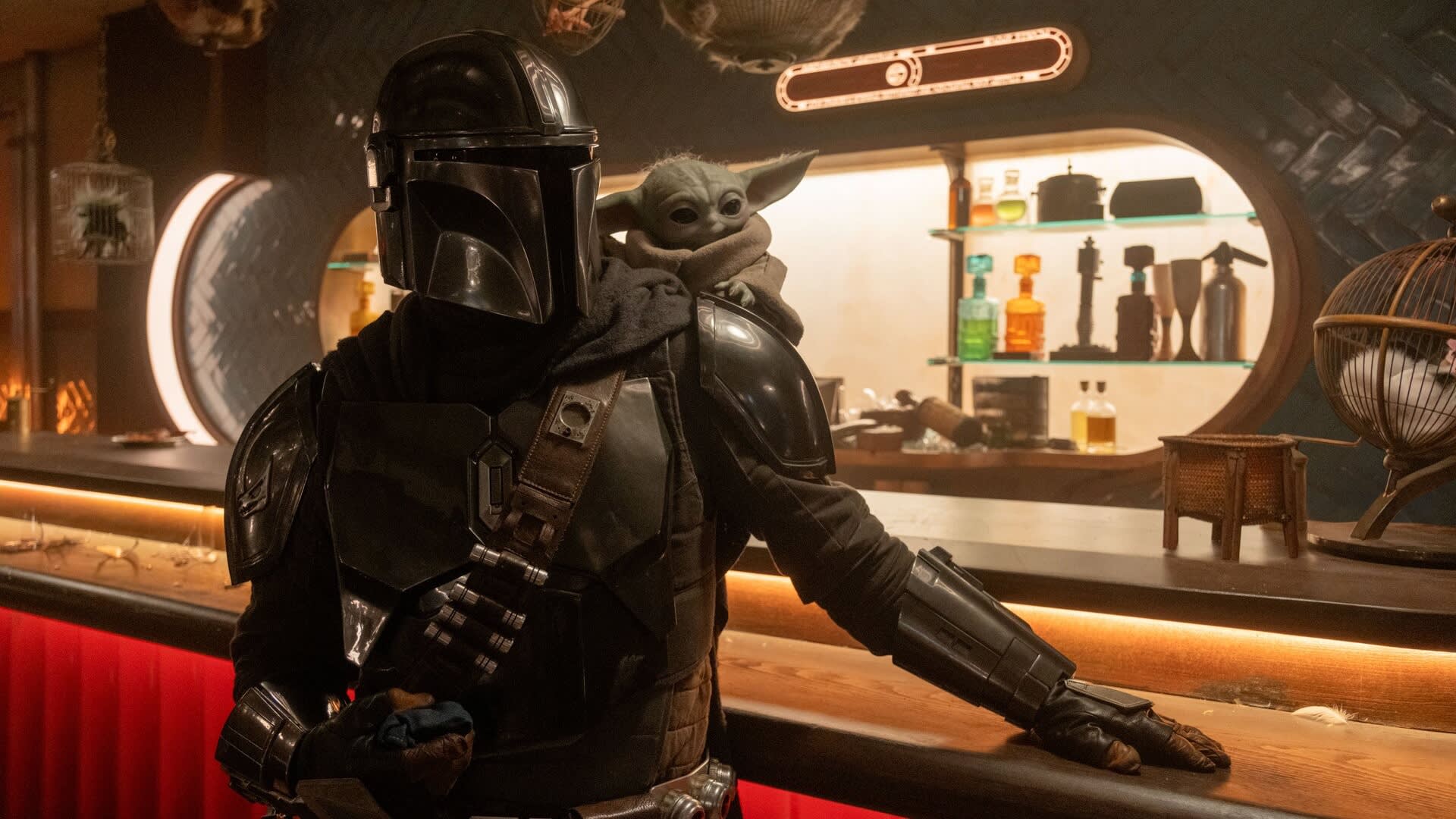
Disney’s latest foray into the cinematic galaxy far, far away, “Star Wars: The Mandalorian and Grogu,” has kicked off its theatrical run with the weakest Thursday preview sales in the franchise’s history. This development, recording $12 million against ‘Solo: A Star Wars Story’s’ $14.1 million in 2018, suggests a potential recalibration is needed for the iconic space opera’s future on the big screen.
🗝️ Corporate Strategy Insights
- Preview Sales Weakness. The $12 million haul marks a franchise low, indicating audience hesitation for a return to theatrical Star Wars releases.
- Budgetary Prudence. A lower production budget of approximately $165 million for ‘The Mandalorian and Grogu’ compared to previous blockbusters offers a reduced profitability threshold.
- Diversified Revenue Streams. The film’s success is not solely tied to box office receipts, with significant reliance on consumer products and theme park tie-ins for overall financial health.
Box office projections for “Star Wars: The Mandalorian and Grogu” range from $80 million to $95 million for the opening three-day weekend, with holiday weekend estimates reaching up to $115 million. These figures, while potentially respectable, represent one of the smaller openings for a Star Wars film in recent memory. Since 2015, only “Solo” has opened below the $100 million mark domestically. The film’s performance will serve as a critical stress test for Disney’s broader strategy regarding its tentpole franchises, particularly in light of a perceived lull in both Star Wars and Marvel cinematic outings.
The shift in strategy following the critical and fan reception of “The Rise of Skywalker” saw Lucasfilm pivot towards streaming on Disney+, a move that successfully revitalized the franchise with hits like “The Mandalorian.” This current theatrical release aims to bridge the gap, leveraging the television show’s immense popularity. However, the low preview numbers raise questions about whether the fanbase is ready for a full-scale return to cinemas, especially after a hiatus since 2019.
The Strategic Bet on Content Versatility
While the box office figures for “The Mandalorian and Grogu” are under scrutiny, Disney’s strategic vision likely extends far beyond immediate theatrical returns. The franchise has historically demonstrated robust performance in consumer products, a segment that has thrived even without consistent theatrical releases. The enduring appeal of characters like Grogu, affectionately known as “Baby Yoda,” has proven to be a significant driver for merchandise sales.
- The franchise’s consumer products segment has been a consistent revenue generator, unaffected by the theatrical release schedule.
- Grogu’s popularity offers a substantial opportunity for new merchandise across various categories, boosting retail sales.
- Disney’s theme parks are also integrating “Star Wars” elements, including Grogu-themed merchandise and ride enhancements, further diversifying revenue.
The production budget for “The Mandalorian and Grogu” is notably lower than its predecessors, estimated at $165 million compared to the $250 million or more for films in the previous decade. This reduction in upfront cost inherently lowers the profitability threshold, making the film less susceptible to significant financial losses even with moderate box office performance. This leaner approach suggests a more capital-efficient strategy for future theatrical endeavors within the Star Wars universe, as detailed in broader market analysis.
The decision to bring “The Mandalorian and Grogu” to the big screen, helmed by director Jon Favreau and Dave Filoni, signals an attempt to recapture theatrical momentum. However, the lukewarm preview performance, especially when compared to past franchise entries, might prompt a re-evaluation of release strategies. The success of the Disney+ series indicates a strong appetite for Star Wars content, but the question remains whether this translates directly to cinema attendance in the current market landscape.
The enduring power of the Star Wars brand is also being leveraged at Disney’s theme parks, with specialized merchandise and attractions like the revamped Smugglers Run ride featuring Grogu. This multi-pronged approach aims to maintain franchise visibility and revenue streams across different consumer touchpoints, a strategy crucial for sustained market leadership in the entertainment sector.
The historically low preview sales for “Star Wars: The Mandalorian and Grogu” are not an indictment of the franchise’s overall appeal but a signal that audience engagement models may need to evolve, emphasizing integrated consumer product and streaming strategies over solely relying on theatrical box office performance.
| Metric | Value | Significance |
|---|---|---|
| Thursday Preview Sales | $12 million | Lowest in franchise history, indicating potential audience fatigue or preference for streaming. |
| Estimated 3-Day Opening Weekend | $80M – $95M | Represents a smaller opening compared to previous Star Wars theatrical releases, impacting initial profitability projections. |
| Production Budget | ~$165 million | Lower than previous theatrical entries, reducing the break-even point and offering a more manageable financial risk. |
Disney’s Franchise Strategy Under Scrutiny
The performance of “The Mandalorian and Grogu” offers valuable insights into Disney’s long-term content strategy. The company must balance the financial benefits of theatrical releases with the proven success and audience engagement of its streaming platform. Competitors in the broader entertainment industry, such as major studios, are closely watching how Disney navigates these challenges.
Why This Opening Matters for Star Wars’ Box Office Future
The immediate challenge for Disney is to understand the underlying reasons for the soft opening. Whether it’s due to increased competition, a shift in audience viewing habits post-pandemic, or a perceived oversaturation of Star Wars content, the data from this release will heavily influence future theatrical slate decisions. The upcoming “Starfighter” in 2027, starring Ryan Gosling, will be a key indicator of whether this is a temporary setback or a more systemic trend.
Disney’s Evolving Entertainment Blueprint
The long-term viability of “Star Wars” in cinemas hinges on Disney’s ability to adapt. The success of the streaming shows has proven that compelling narratives can thrive outside the traditional theatrical model. This film’s performance may reinforce the strategy of using theatrical releases more selectively, potentially for major events or to reintroduce beloved characters to a wider audience.
The Future of Star Wars on the Big Screen
“Star Wars: The Mandalorian and Grogu’s” subdued opening is a clear signal that the franchise’s theatrical strategy requires careful consideration. While the film is poised to benefit from a long weekend and limited competition, its preview performance casts a shadow on expectations. Disney’s robust consumer products and theme park divisions, coupled with the success of Disney+, will likely cushion any box office shortfall, but the long-term health of the theatrical ‘Star Wars’ brand remains a key question.
- The franchise’s reliance on its established characters and storylines must now be weighed against evolving audience preferences and the accessibility of streaming platforms.
- A strategic review is likely underway to determine the optimal balance between theatrical releases, Disney+ original content, and ancillary revenue streams.
- Disney’s ability to innovate in how it presents “Star Wars” to audiences will be critical for maintaining market leadership in the competitive entertainment landscape.
Will “The Mandalorian and Grogu” ultimately redefine what constitutes a successful theatrical launch for a major franchise in the streaming era?
📊 StockXpo Analyst’s View
Market Impact: Investors will closely monitor Disney’s Q3 earnings for any impact from this film’s performance, particularly in its Parks, Experiences and Products division. The perceived weakness might temper enthusiasm for theatrical-first strategies across the industry, potentially favoring integrated content models.
Sector To Watch: The broader entertainment and media sector will be observing how Disney leverages its intellectual property across diverse revenue streams. Companies focused on licensing, merchandising, and theme park experiences may see increased investor interest as a hedge against unpredictable box office trends.
Financial Disclaimer:
StockXpo.com is a financial news aggregator and educational portal, not a registered investment advisor or broker-dealer. All information, news, and analysis provided herein are strictly for educational purposes and do not constitute investment, financial, legal, or tax advice. Investing in the stock market involves high risks, and past performance is not indicative of future results. StockXpo will not be liable for any financial losses or investment damages. Always consult a certified financial advisor before making market decisions.
MORE IN INSIDE BUSINESS

UnitedHealth Group’s Q3 Success: Strategic Plays Propel Profit Outlook
Published: Tuesday, October 13, 2026 · 6:55 AM
Delta Delays: Safety Concerns Push Saudi Arabia Service Launch to March
Published: Monday, October 12, 2026 · 10:44 AM