Published: Friday, May 22, 2026 · 10:46 PM | Updated: Friday, May 22, 2026 · 10:46 PM
📊 368 views




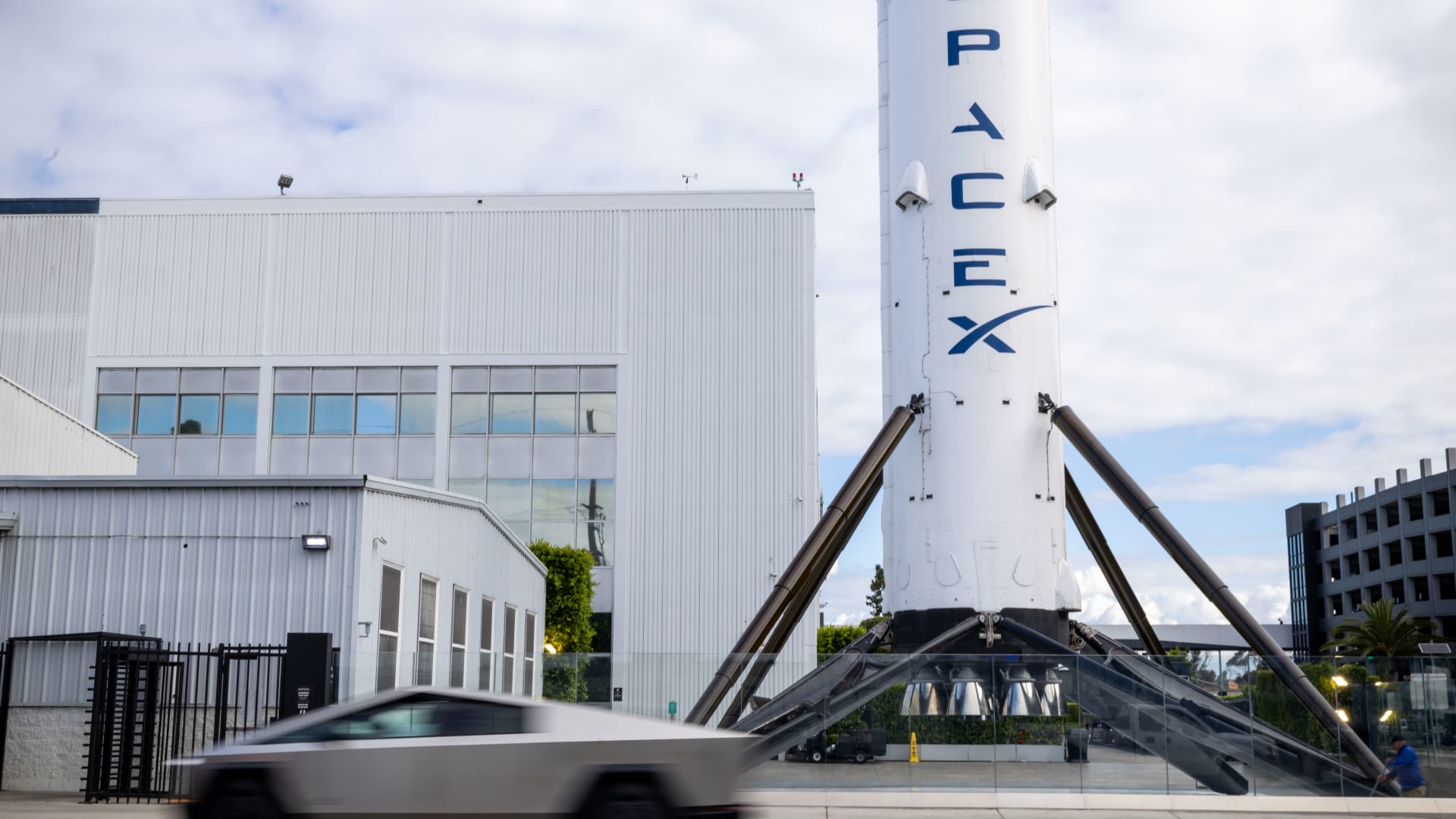
SpaceX has successfully executed its 12th test flight of the Starship V3 rocket, a pivotal moment following a previous attempt’s technical scrub. This milestone comes just as the company publicly disclosed its IPO prospectus, signaling a potential $75 billion market debut next month. The reusable Starship system, designed for heavy payloads and rapid turnaround, is positioned to significantly enhance SpaceX’s ambitious projects, including its Starlink internet service and future lunar missions.
🚀 Tech Strategy & Market Disruptions
- Orbital Payload Capacity Boost. Starship’s capability to deliver 100 metric tons to Earth’s orbit in a fully reusable configuration offers an unprecedented leap in satellite deployment efficiency.
- Starlink Expansion Acceleration. The rocket’s increased capacity per trip is set to accelerate the expansion of SpaceX’s Starlink constellation, potentially improving internet access even in dense urban environments.
- Reusable Rocket Economics Shift. The emphasis on rapid turnaround times, akin to commercial aviation, points towards a disruptive shift in the cost economics of space access, opening new market opportunities.
The successful launch of Starship, after a series of setbacks including explosions that disrupted air travel in early 2025, underscores SpaceX’s iterative development approach. This test flight, carrying mock Starlink satellites, represents a crucial validation of the rocket’s revised systems ahead of its commercial and governmental applications. The Starship system, composed of the upper stage vehicle, Super Heavy booster, and Raptor engines, is engineered for both cargo and human transport, with plans to support NASA’s lunar astronaut missions in 2028.
This advancement has significant implications for the burgeoning commercial space industry, a sector actively tracked for its potential impact on broader technology market trends. The ability to launch more satellites per mission at potentially lower costs could reshape satellite internet providers and Earth observation markets.
Why Starship’s Scalability Matters for the Future of Spaceflight
Starship’s design is not merely about launching bigger payloads; it’s about fundamentally altering the economics of space access. The objective of delivering 100 metric tons to orbit in a fully reusable configuration is a paradigm shift from traditional expendable rockets. This enhanced capacity and the envisioned rapid turnaround aim to democratize space access, mirroring the revolution seen in commercial aviation. The success of this test flight directly impacts the valuation and future revenue streams projected in the company’s IPO filing, which anticipates raising around $75 billion, a testament to investor confidence in these ambitious goals.
SpaceX’s Starship is not just an evolution in rocket technology; it represents a potential inflection point for the entire space economy, driving innovation across satellite communications, lunar exploration, and eventually, interplanetary travel. The focus on reusability and rapid deployment is key to unlocking previously unattainable market segments.
SpaceX Starship’s Technical Milestones:
- Reusability Target: Fully reusable configuration designed for rapid turnaround.
- Payload Capacity: 100 metric tons to Earth’s orbit.
- Launch Frequency Aim: Akin to commercial aviation cycles.
- Next Major Role: Supporting NASA’s lunar missions by 2028.
Starship’s Role in Enabling Next-Gen Satellite Architectures
The Starship program is intrinsically linked to the growth and evolution of SpaceX’s Starlink business. By drastically increasing the number of satellites that can be deployed on a single mission compared to the smaller Falcon 9, Starship promises to expedite the build-out of the Starlink constellation. This enhanced deployment capability could lead to denser satellite networks, improved signal strength, and the potential for more robust internet services, even in highly populated areas that have historically been challenging for satellite internet. This advancement aligns with broader trends in emerging technologies pushing the boundaries of global connectivity.
SpaceX’s IPO Prospectus and Starship’s Economic Impact
The disclosure of SpaceX’s IPO prospectus, mentioning the $75 billion valuation and projected fundraising, highlights the financial market’s strong belief in the Starship program’s commercial viability. The rocket’s ability to carry significant cargo and people, coupled with its planned reusability, positions SpaceX to capture substantial market share in commercial satellite launches, space tourism, and governmental contracts, such as the NASA astronaut landings on the moon. The success of this test flight bolsters the narrative of innovation and execution that investors are banking on, as detailed in reports from sources like Bloomberg.
Starship Launch Success: A Catalyst for Space Sector Investment
The successful test flight of Starship marks a significant validation for SpaceX’s ambitious vision and execution capabilities. This achievement is expected to catalyze further investment across the entire space technology sector, encouraging competitors and partners alike to accelerate their own development cycles. The potential for reduced launch costs and increased payload capacity driven by Starship could unlock new business models and scientific endeavors previously considered too costly or technically infeasible. Investors are closely watching how this technological leap translates into market share and profitability, especially in the context of rapid advancements in related fields like artificial intelligence, as noted by analysis on Reuters.
SpaceX’s Path to Lunar Operations
Beyond bolstering Starlink, Starship’s core mission includes enabling ambitious human spaceflight objectives. The plan to utilize Starship for landing NASA astronauts on the moon in 2028 demonstrates its critical role in the Artemis program and future deep space exploration. This capability represents a significant step towards establishing a sustained human presence beyond Earth. The reliability and payload capacity demonstrated in these test flights are paramount for the success of such complex, long-duration missions.
Financial Disclaimer:
StockXpo.com is a financial news aggregator and educational portal, not a registered investment advisor or broker-dealer. All information, news, and analysis provided herein are strictly for educational purposes and do not constitute investment, financial, legal, or tax advice. Investing in the stock market involves high risks, and past performance is not indicative of future results. StockXpo will not be liable for any financial losses or investment damages. Always consult a certified financial advisor before making market decisions.
MORE IN INSIDE TECHNOLOGY

Bond Yields Under Pressure: IMF Warns of ‘Disorderly’ Spike Driven by AI Debt and Inflation
Published: Tuesday, October 13, 2026 · 1:21 AM

AI Breakthroughs: TikTok CEO Predicts Major Scientific Leap Within Three Years
Published: Monday, October 12, 2026 · 2:40 AM