
Published: Thursday, May 21, 2026 · 4:59 PM | Updated: Thursday, May 21, 2026 · 4:59 PM
📊 285 views




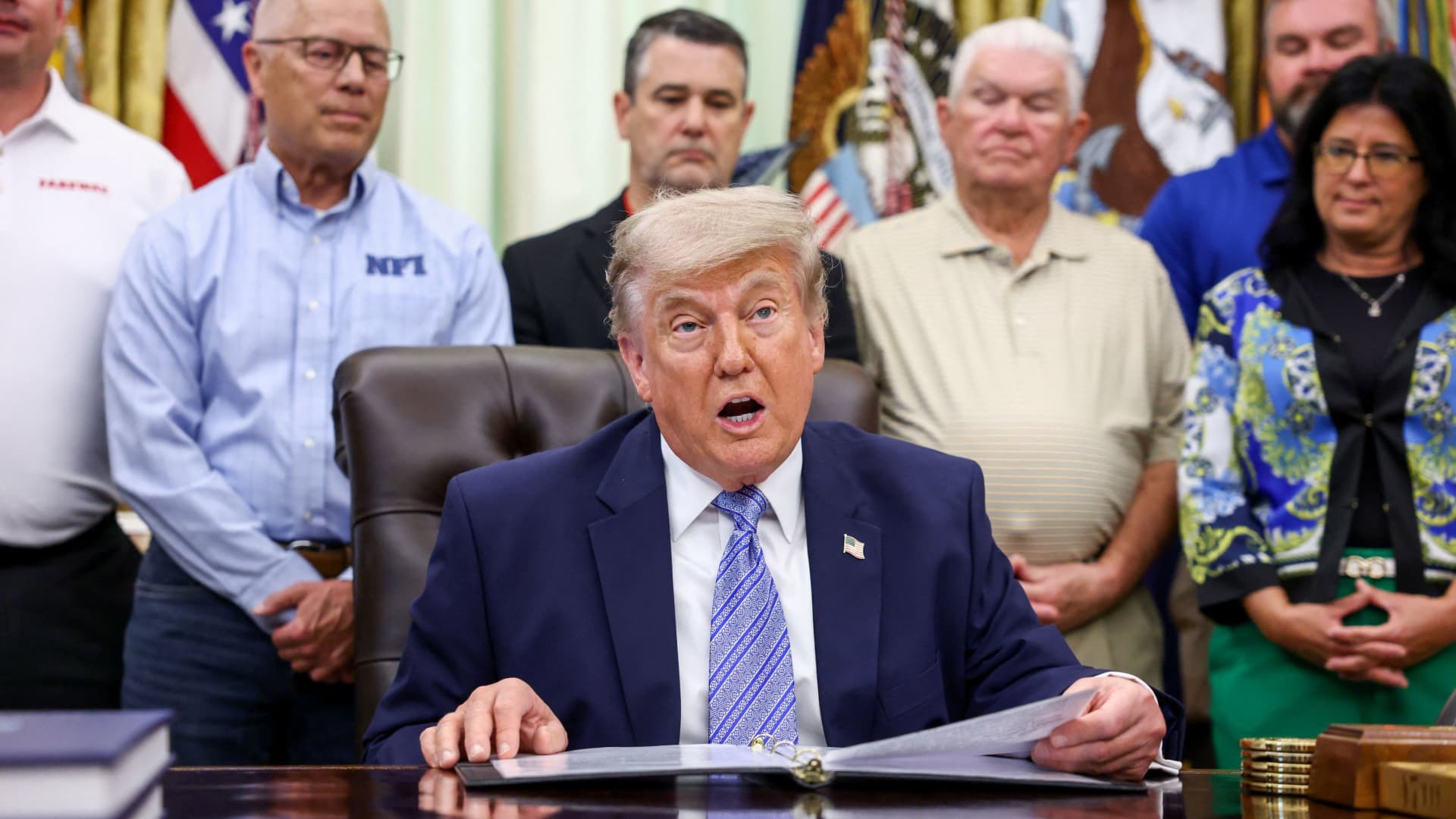
The Trump administration has announced a significant delay to two environmental regulations impacting refrigerant usage, a move pitched as a direct benefit to American consumers facing rising grocery bills. The administration’s stated goal is to reduce operational costs for businesses, particularly within the food retail sector, with the promise that these savings will translate into lower prices at the supermarket. However, the tangible impact on consumer wallets remains a subject of debate.
🗝️ Corporate Strategy Insights
- Regulatory Easing as Cost Driver. By delaying EPA rules targeting hydrofluorocarbons (HFCs), the administration aims to alleviate compliance burdens and capital expenditures for businesses, arguing this directly impacts their bottom line.
- Consumer Price Pass-Through Uncertainty. While businesses are projected to save billions, there’s no guarantee these savings will be passed on to consumers in the form of lower grocery prices, especially given broader inflationary pressures.
- Industry Preparedness Varies. Large grocery chains are already investing in alternative refrigerant technologies, potentially mitigating the impact of the original regulations. Smaller, independent grocers may face a more significant cost burden from the original rules.
The administration’s announcement centers on revising two Environmental Protection Agency (EPA) rules finalized in 2023 and 2024. These regulations were designed to curb emissions of hydrofluorocarbons (HFCs), potent greenhouse gases widely used in refrigeration and air conditioning systems. The original intent was to reduce leaks and encourage a transition to more environmentally friendly refrigerants, with the EPA projecting long-term savings of $4.5 billion for businesses and consumers through energy efficiency and reduced refrigerant costs.
However, industry groups, including grocery and food sector representatives, had raised concerns that the upfront costs of compliance—ranging from equipment upgrades to implementing new leak detection systems—could amount to billions of dollars. This perspective appears to have influenced the current administration’s decision to provide a reprieve, framing the delay as a measure to combat inflation and support household budgets. The messaging is clearly aimed at politically sensitive food prices ahead of upcoming elections.
The potential savings are significant, with the administration estimating over $2.4 billion in benefits for American families and businesses. EPA Administrator Lee Zeldin stated that the move allows businesses flexibility in choosing refrigeration systems, leading to substantial cost reductions that should ultimately be felt by consumers. Yet, the mechanism by which these savings would materialize for shoppers remains vague. The revised rules do not compel grocers to lower prices, leaving the pass-through of cost benefits to consumer discretion at a time when many households are already struggling with high living expenses.
Major retailers like Walmart, Kroger, and Costco have been proactively investing in ‘natural refrigerant’ systems for years. This strategic foresight positions these larger players better to absorb any original compliance costs or adapt to the revised regulatory landscape. Smaller regional grocers and independent stores, however, may experience a more pronounced financial impact from the original regulations and a lesser direct benefit from the delay, especially if they haven’t made similar investments.
Kroger CEO Greg Foran has previously indicated that an orderly transition to new equipment benefits both capital and operating costs, which can then be directed towards lower consumer prices. While speaking at the White House, he suggested Kroger was actively working to pass savings on to consumers. Notably, prior to this policy announcement, Bloomberg News reported that Kroger was planning significant price cuts to enhance its competitive standing against rivals like Walmart and Costco, suggesting a proactive strategy independent of the EPA’s refrigerant regulations.
Food inflation is a complex issue, influenced by a multitude of factors including labor, transportation, feed costs, and commodity prices, some of which have been exacerbated by geopolitical events like the war in Iran. The costs associated with refrigeration compliance, while significant for the industry, represent a comparatively smaller portion of overall grocery operating expenses. The administration’s focus on these specific EPA rules as a primary lever for consumer relief may oversimplify the multifaceted nature of food pricing dynamics.
Retailers’ Balancing Act with New EPA Rules
The decision to delay stringent EPA rules on refrigerants presents a complex strategic challenge for the retail sector. While the immediate financial relief is welcomed by many businesses, it also raises questions about long-term environmental commitments and operational efficiency gains that were anticipated under the original regulations. Companies must now recalibrate their investment strategies in refrigeration technology.
Kroger’s Competitive Pricing Gambit
Kroger’s proactive approach to reducing prices, as reported by Bloomberg, signals an aggressive competitive stance aimed at capturing market share from giants like Walmart and Costco. This move, independent of the EPA’s refrigerant policy, highlights the intense competition within the grocery sector and the constant pressure to offer value to inflation-weary consumers.
The core strategic implication of the EPA rules delay is that the administration is prioritizing immediate, perceived consumer cost relief over the long-term environmental and efficiency benefits associated with updated refrigerant technologies, creating a potential divergence in corporate strategy for companies of different scales.
| Metric | Estimated Impact | Significance |
|---|---|---|
| Business Savings from Delayed EPA Rules | >$2.4 billion | Represents potential reduction in operational costs for companies affected by refrigerant regulations, influencing pricing strategies. |
| Projected Long-Term Savings (Original EPA Rule) | ~$4.5 billion | Indicates the potential economic benefits of environmental regulations, including energy efficiency and lower refrigerant costs, that may be deferred. |
| Refrigeration Compliance Costs | Billions (industry estimate) | Highlights the significant upfront capital investment required for industry players to meet environmental mandates, impacting cash flow and investment priorities. |
Walmart’s Refrigeration Investments
Walmart, a consistent leader in adopting sustainable practices and investing in efficient technologies, has long been a frontrunner in transitioning to natural refrigerants. This strategic investment not only positions the retail giant favorably to meet evolving environmental standards but also enhances operational cost-efficiency in its extensive supply chain and store network.
Costco’s Operational Efficiency Focus
Costco’s business model thrives on operational efficiency and passing value to its members. The company’s ongoing investments in refrigeration technology, including exploring natural refrigerants, align with this core strategy. By optimizing its cooling infrastructure, Costco aims to mitigate rising energy costs and maintain its competitive pricing, a key differentiator in its market segment.
Navigating EPA Rules for Supermarket Cost Reduction
The recent shift in EPA rules regarding refrigerants presents a complex landscape for the supermarket industry. While the delay offers potential short-term cost relief, it underscores the ongoing tension between regulatory compliance and immediate consumer affordability. Companies must strategically assess how to balance these competing pressures.
- The delayed EPA rules offer businesses a reprieve from immediate compliance costs, potentially freeing up capital.
- The actual transmission of these savings to consumers remains uncertain, dependent on individual company pricing strategies.
- The long-term implications for environmental sustainability and operational efficiency require ongoing corporate attention.
Will this regulatory pause accelerate a more pragmatic approach to environmental compliance in the retail sector, or merely postpone critical investments?
📊 StockXpo Analyst’s View
Market Impact: The administration’s move is likely to be viewed positively by the retail sector in the short term, potentially easing some cost pressures and boosting investor sentiment towards companies with significant refrigeration footprints. However, it introduces uncertainty regarding long-term ESG (Environmental, Social, and Governance) commitments.
Sector To Watch: Companies involved in refrigeration technology, particularly those offering energy-efficient or alternative refrigerant solutions, may see increased scrutiny or a need to adapt their sales strategies. The broader consumer staples sector will be keenly watching how, or if, these projected savings translate into actual price reductions for shoppers. Educational insights into the operational costs of grocery businesses are crucial for understanding this dynamic.
Financial Disclaimer:
StockXpo.com is a financial news aggregator and educational portal, not a registered investment advisor or broker-dealer. All information, news, and analysis provided herein are strictly for educational purposes and do not constitute investment, financial, legal, or tax advice. Investing in the stock market involves high risks, and past performance is not indicative of future results. StockXpo will not be liable for any financial losses or investment damages. Always consult a certified financial advisor before making market decisions.
MORE IN INSIDE BUSINESS
AI Wall Street Jobs: Surging Demand Redefines Finance’s Future Growth
Published: Friday, October 2, 2026 · 7:06 AM
Digital Shelf Labels: Walmart’s Operational Efficiency Breakthrough
Published: Thursday, October 1, 2026 · 10:42 AM


