Published: Tuesday, June 16, 2026 · 10:46 PM | Updated: Tuesday, June 16, 2026 · 10:46 PM
📊 234 views




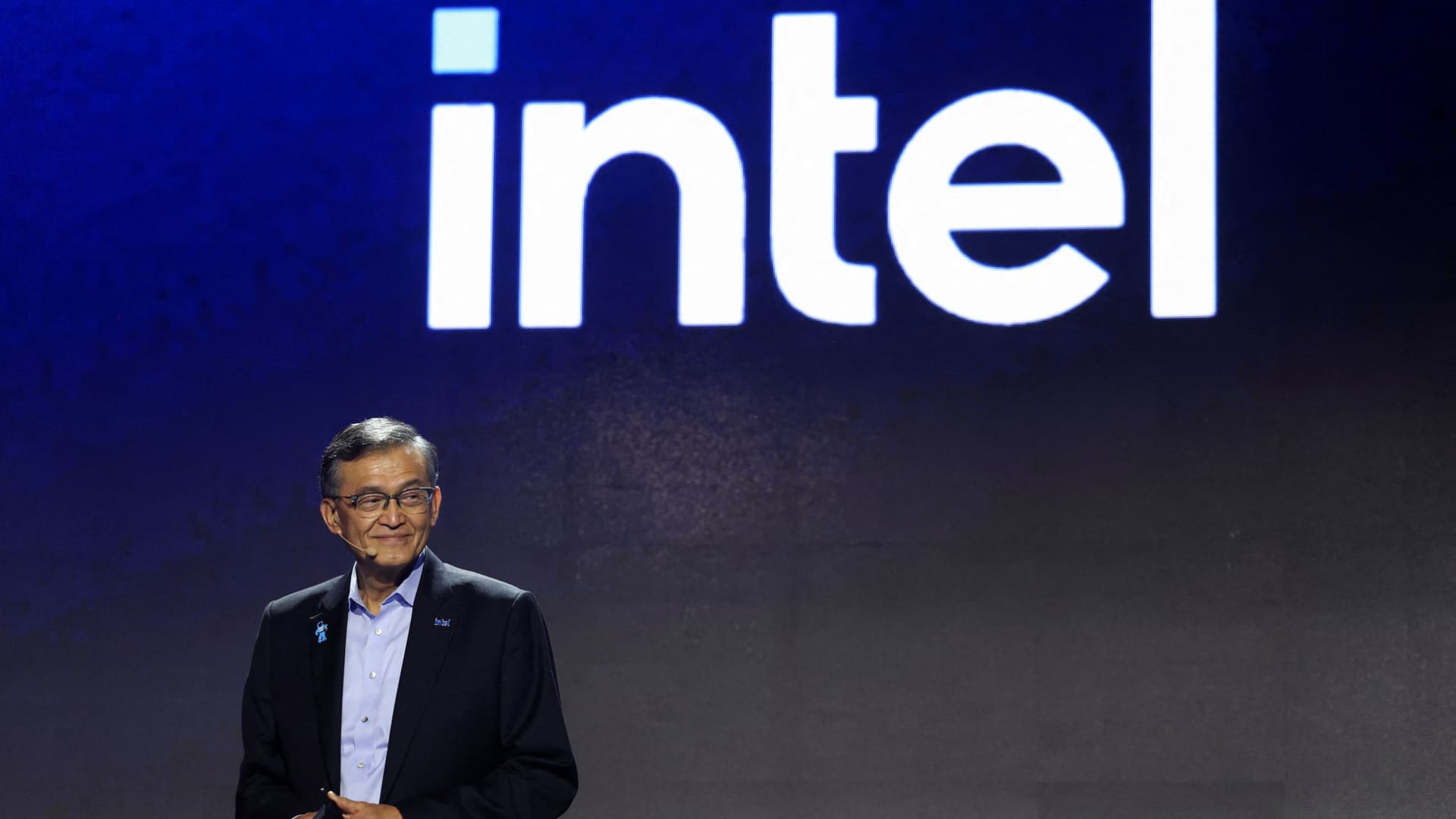
Intel has officially commenced production of its most advanced chip node, a significant milestone that brings the semiconductor giant closer to a potential manufacturing agreement with technology titan Apple. This development signals a critical step in Intel’s ambitious foundry strategy, aiming to reclaim its leadership in leading-edge chip manufacturing.
🚀 Tech Strategy & Market Disruptions
- Advanced Node Launch. Intel’s 18A-P node entering risk production represents a critical technological leap, aiming for higher performance and lower power consumption.
- Foundry Reorientation. This move underscores Intel’s strategic pivot towards becoming a major contract chip manufacturer, directly competing with established players like TSMC.
- Market Signaling. The progress in advanced chip production is a strong signal to potential clients, including Apple, of Intel’s commitment to cutting-edge process innovation and its capacity to deliver competitive solutions.
The announcement, made at the VLSI Symposium, centers on the 18A-P process node, now in its crucial ‘risk production’ phase. This stage is vital for validating that the manufacturing process can meet stringent customer requirements before full-scale qualification. After facing years of challenges with yield rates and execution, Intel views this advancement as a cornerstone of its turnaround strategy to establish itself as a formidable competitor in manufacturing chips for external clients.
While Intel brought the 18A node to PC chips earlier this year, securing a major external client has remained elusive. The 18A-P node, offering a purported 9% performance boost or 18% power reduction compared to the existing 18A, is seen as a more likely candidate to attract significant customer commitments. The chip’s enhanced heat resistance and compatibility with current 18A infrastructure further bolster its appeal.
Intel’s Foundry Ambitions Take Shape
Chip analysts are closely monitoring yield rates, with reports suggesting that a commitment to over 90% yield within the first month of risk production could be a key determinant in attracting new customers. The financial markets have reacted positively to Intel’s progress, with its stock seeing substantial gains this year, partly bolstered by government and private investments. Intel CEO Lip-Bu Tan has expressed optimism, anticipating commitments from multiple foundry customers in the latter half of 2026.
The prospect of a deal with Apple has been a significant point of interest, particularly given Apple’s likely interest in leveraging the new 18A-P node for its devices. However, a notable hurdle remains: Intel’s primary expertise lies in x86 architecture, whereas major tech companies like Apple, Google, and Amazon predominantly utilize Arm architecture for their custom chips. Mastering Arm chip manufacturing is a complex undertaking that TSMC, the market leader, has refined over years.
- Technological Advancement: The 18A-P node promises enhanced performance and power efficiency, critical for next-generation consumer electronics.
- Competitive Landscape: Intel’s progress directly challenges TSMC’s dominance in the advanced chip manufacturing sector, particularly with its own Arizona expansion underway.
- Market Dynamics: The potential for an Apple deal signifies a major validation of Intel’s foundry capabilities and could reshape supply chain dependencies in the tech industry.
Beyond chip fabrication, Intel’s advanced packaging technologies, such as EMIB, present another area of competitive advantage. These technologies, which integrate multiple chip dies into complex systems, rival TSMC’s CoWoS packaging. With TSMC reportedly facing packaging bottlenecks, Intel’s advanced packaging solutions could represent a more immediate and accessible opportunity for gaining traction with new clients. As noted in industry reports, securing a strong customer for these packaging solutions could serve as a crucial stepping stone towards broader chip manufacturing partnerships.
Intel’s push into leading-edge chip production, especially with its 18A-P node, is a high-stakes endeavor. The ability to consistently achieve high yields and master architectures beyond its traditional x86 base will be paramount. This isn’t just about manufacturing; it’s about regaining trust and demonstrating long-term technological leadership in a fiercely competitive global market.
The race to manufacture advanced semiconductors is intensifying, with geopolitical factors and national security interests increasingly influencing supply chain strategies. Intel’s progress with its 18A-P node is a key development in this global technological race, directly impacting the future of digital infrastructure and innovation worldwide. Exploring such advancements is critical for understanding broader emerging technologies.
Intel’s Path to Foundry Dominance
Intel’s strategic decision to open its fabs to external customers marks a significant departure from its historical model. The success of this foundry business hinges on its ability to not only match but exceed the manufacturing prowess of established players like TSMC, particularly in complex architectures favored by major tech firms. The company’s investment in advanced packaging offers a potentially less complex entry point to securing business, but the ultimate goal remains high-volume, leading-edge chip production.
Intel’s Market Adoption Challenges
The semiconductor industry is characterized by long development cycles and deeply entrenched relationships. For Intel to successfully capture a significant share of the foundry market, it must overcome the perception that it is primarily a chip designer rather than a leading-edge manufacturer for others. Convincing major clients like Apple, who have sophisticated internal design teams and existing relationships with reliable suppliers, requires demonstrating unparalleled reliability, technological superiority, and competitive pricing. Furthermore, the geopolitical landscape and government incentives, such as those seen in the US and Europe, are increasingly influencing manufacturing location decisions, creating both opportunities and complexities for Intel’s global expansion plans. Examining these factors is key to understanding the broader technology market trends.
The Ripple Effect of Intel’s Advanced Chip Production
Intel’s entry into advanced chip production for external clients, particularly if successful with a major player like Apple, could fundamentally alter the semiconductor supply chain. This development challenges the current duopoly of TSMC and Samsung in leading-edge foundry services. The increased competition could drive innovation, improve manufacturing yields across the industry, and potentially lead to more diversified sourcing options for technology companies, thereby mitigating supply chain risks. The implications extend to the cost and availability of consumer electronics, enterprise hardware, and AI infrastructure, making Intel’s foundry ambitions a critical factor to monitor for future market shifts. The ongoing advancements in this sector are also covered by leading technology news sources.
Intel’s Foundry Future Unveiled
Intel’s commencement of production on its 18A-P node represents a pivotal moment in its foundry business strategy. The company’s ability to scale this advanced manufacturing process and attract key customers will determine its success in reshaping the competitive landscape of chip fabrication.
- Yield Prowess is Paramount: Achieving consistently high yield rates on the 18A-P node is the critical gating factor for attracting significant customer interest.
- Architecture Flexibility is Key: Diversifying beyond x86 to effectively manufacture Arm-based chips will be essential for broad market appeal.
- Packaging as a Gateway: Advanced packaging solutions offer a near-term opportunity for Intel to build foundry relationships and demonstrate technical capabilities.
Will Intel’s renewed focus on foundry services, backed by its most advanced chip production capabilities, finally dethrone established leaders and redefine the future of semiconductor manufacturing?
📊 StockXpo Analyst’s View
Market Impact: The successful ramp-up of Intel’s 18A-P production could introduce significant competition into the foundry market, potentially leading to more favorable pricing and supply availability for large tech firms. This could also spur further investment in semiconductor manufacturing infrastructure globally.
Sector To Watch: Companies heavily reliant on advanced semiconductor components, particularly those looking to diversify their supply chain beyond current leaders, will be key beneficiaries. This includes major players in consumer electronics, cloud computing, and artificial intelligence hardware.
Financial Disclaimer:
StockXpo.com is a financial news aggregator and educational portal, not a registered investment advisor or broker-dealer. All information, news, and analysis provided herein are strictly for educational purposes and do not constitute investment, financial, legal, or tax advice. Investing in the stock market involves high risks, and past performance is not indicative of future results. StockXpo will not be liable for any financial losses or investment damages. Always consult a certified financial advisor before making market decisions.
MORE IN INSIDE TECHNOLOGY
SoftBank AI Investment: Malaysia’s $50 Billion Innovation Surge
Published: Monday, October 26, 2026 · 2:37 AM

SpaceX AI Chips: $40 Billion Deal Fuels Innovation-Driven Growth
Published: Sunday, October 25, 2026 · 9:35 PM