Published: Tuesday, June 16, 2026 · 10:47 PM | Updated: Tuesday, June 16, 2026 · 10:47 PM
📊 252 views




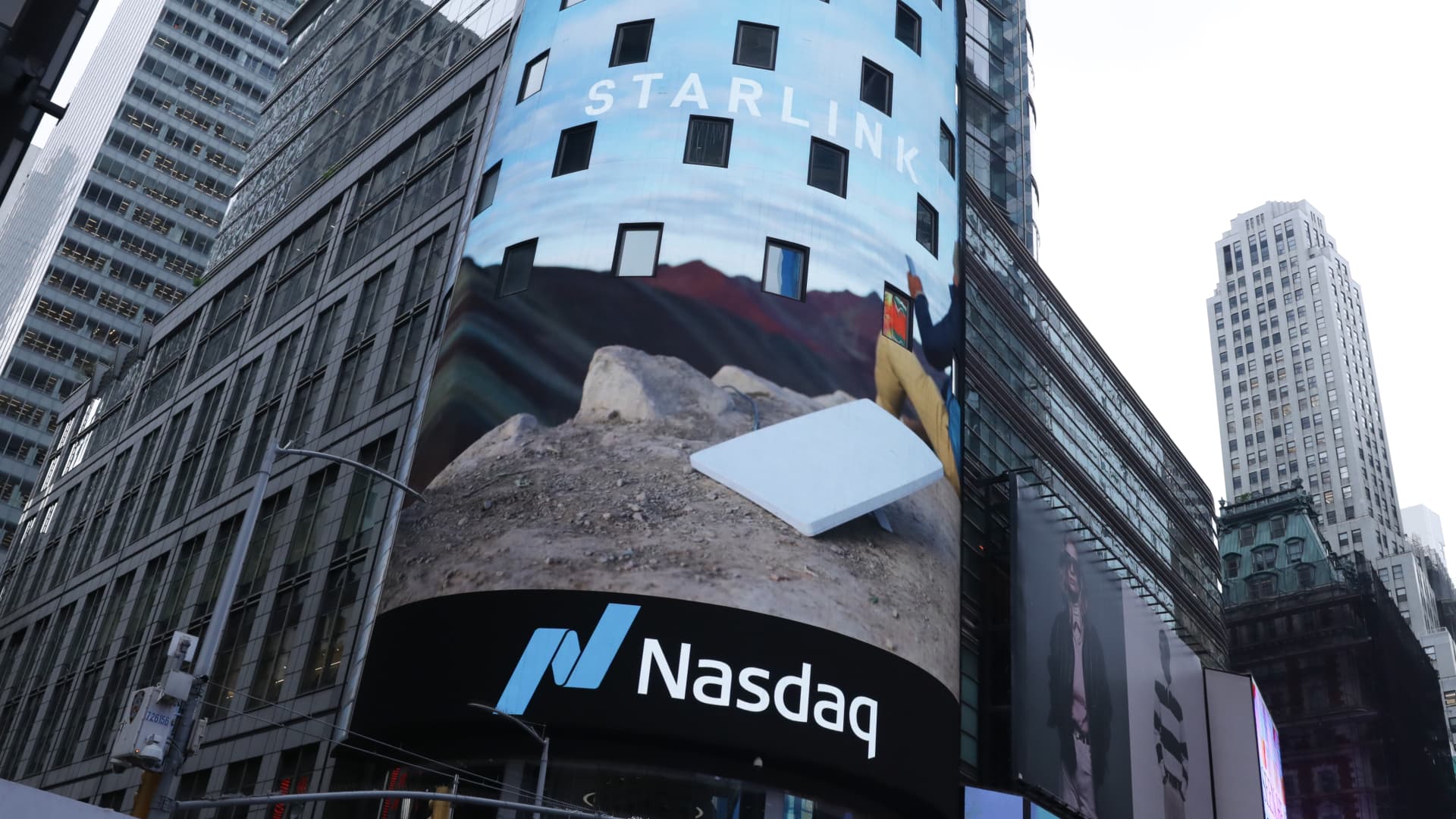
SpaceX’s public debut has been nothing short of spectacular, with its stock price soaring in early trading and briefly surpassing giants like Amazon in market capitalization. However, beneath the surface of this exhilarating start lies a critical question: Is this surge a genuine reflection of the company’s intrinsic worth, or are we witnessing a temporary ‘honeymoon period’ for a revolutionary entity? As CTO and Lead Solution Architect for StockXpo, I see this as a pivotal moment to dissect the underlying factors influencing valuation and market perception, especially for a company pushing the boundaries of space technology and artificial intelligence.
🚀 Tech Strategy & Market Disruptions
- Orbital Infrastructure Ambitions. SpaceX’s strategic vision extends to building data centers in space, a complex undertaking that, if realized, could redefine global connectivity and data processing.
- AI Integration & Expansion. The acquisition of xAI and deals like Cursor signal a deep commitment to AI, positioning SpaceX not just as a launch provider but as a player in the burgeoning AI ecosystem.
- Reusable Rocket Economics. The continued development of Starship aims to dramatically alter the cost structure of space access, potentially democratizing space exploration and commerce.
The Unfolding Value of SpaceX Stock
While Elon Musk’s track record at Tesla and the sheer audacity of SpaceX’s endeavors are undeniable, the current valuation of its SpaceX stock presents a unique challenge for price discovery. The company, despite its groundbreaking achievements in reusable rockets and the Starlink internet service, is still in a phase of significant investment, with limited current profitability. Projections for the total addressable market in space-related services run into the trillions, but the timelines for realizing such revenue are uncertain, particularly for nascent technologies like orbital data centers. This disconnect between ambitious long-term vision and current financial fundamentals is the crux of the valuation puzzle.
The IPO process itself circumvented a traditional price discovery phase, with SpaceX setting its initial price at $135 per share. Compounding this lack of organic price setting are recent adjustments to major index inclusion rules by Nasdaq and FTSE Russell. These changes are designed to allow large companies to join indexes like the Nasdaq 100 much faster than in the past. For SpaceX, this means potential accelerated inclusion following its debut, which compels passive index-tracking funds to purchase shares regardless of current market price. This forced buying, particularly by massive ETFs such as Invesco’s QQQ, injects significant capital into the stock, potentially masking underlying valuation metrics.
- Index Inclusion Dynamics: Nasdaq and FTSE Russell have modified rules, notably reducing seasoning periods and float requirements, to accommodate large tech debuts more rapidly.
- Float Limitations: SpaceX’s IPO float was approximately 5%, a low percentage that will increase as lock-up periods expire, influencing its weighting in indexes.
- S&P 500 Divergence: Notably, the S&P 500 has maintained stricter profitability requirements for index inclusion, a benchmark SpaceX currently does not meet.
The true test for technology market trends will emerge after the initial rush of index fund purchases subsides. The expiration of lock-up periods in the coming months will introduce more supply into the market. The interplay between this increasing supply and the ongoing, albeit adjusted, index buying will be crucial in determining the stock’s true trajectory. It’s a complex push-pull that will require careful observation of market mechanics.
The current market dynamics for SpaceX stock highlight a critical juncture where visionary technology development meets the pragmatic realities of financial valuation. The accelerated path to index inclusion, while a boon for immediate liquidity, bypasses the crucial price discovery mechanism that typically grounds public offerings in fundamental analysis. This disconnect necessitates a cautious approach, focusing on the long-term execution capabilities and revenue generation potential rather than solely on early-stage market exuberance.
SpaceX’s Groundbreaking Platform Architecture
SpaceX’s operational framework is a marvel of integrated engineering, combining cutting-edge rocketry with a vast satellite constellation for its Starlink service. The underlying architecture supports not only the physical launch infrastructure but also complex software systems for satellite control, network management, and ground station operations. This multifaceted platform is designed for scalability, aiming to support a growing number of users and expanding service coverage. The company’s relentless pursuit of reusable launch systems, such as Starship, is a testament to an architectural philosophy focused on cost reduction and increased launch frequency.
SpaceX’s Market Adoption Challenges
Despite its technological prowess and ambitious goals, SpaceX faces significant hurdles in achieving widespread market adoption and translating its innovations into consistent revenue streams. The sheer capital intensity required for its long-term projects, such as orbital data centers and lunar missions, places immense pressure on financial resources. Furthermore, the competitive landscape in both satellite internet and space launch services is evolving rapidly, with established players and new entrants vying for market share. Regulatory environments, both domestic and international, also play a crucial role, influencing launch permits, spectrum allocation for Starlink, and the broader framework for space commerce. Successfully navigating these challenges will be paramount for SpaceX’s sustained growth and its ability to meet ambitious revenue projections.
How SpaceX’s IPO Could Reshape Space Investment
The public listing of SpaceX represents a potential inflection point for the entire space industry, moving it further into the mainstream of investment considerations. Historically, space ventures have been the domain of venture capital and government contracts. However, a successful and continuously evaluated SpaceX stock could unlock new avenues of capital, attracting a broader base of institutional and retail investors. This increased financial inflow could accelerate innovation across the sector, from satellite manufacturing to asteroid mining and space tourism. Furthermore, the transparency afforded by public markets may drive greater operational efficiency and corporate governance standards within the space sector, as demonstrated by the rigorous analysis often seen on emerging technologies.
SpaceX’s Value: Beyond the Initial Frenzy
The early trading performance of SpaceX stock has undeniably captured global attention. However, this initial surge is largely influenced by market mechanics rather than a full assessment of the company’s fundamentals. The true value of SpaceX will only become apparent through sustained price discovery, as the market digests increasing stock supply and evaluates the company’s progress against its ambitious, multi-trillion-dollar market projections. Investors must look beyond the current euphoria and focus on SpaceX’s ability to execute its long-term vision, particularly in areas like orbital data centers and fully reusable heavy-lift capabilities, to ascertain its genuine worth.
- The early trading surge is driven by index inclusion mechanics, not solely by fundamental valuation.
- Key tests will involve price discovery post-index buying and the impact of expiring lock-up periods.
- Long-term success hinges on SpaceX’s execution of its ambitious technological roadmap and its ability to generate sustainable profits from its diverse ventures.
Financial Disclaimer:
StockXpo.com is a financial news aggregator and educational portal, not a registered investment advisor or broker-dealer. All information, news, and analysis provided herein are strictly for educational purposes and do not constitute investment, financial, legal, or tax advice. Investing in the stock market involves high risks, and past performance is not indicative of future results. StockXpo will not be liable for any financial losses or investment damages. Always consult a certified financial advisor before making market decisions.
MORE IN INSIDE TECHNOLOGY

SK Hynix Shares Rebound: A Strategic Shift in Semiconductor Funding
Published: Friday, October 23, 2026 · 1:46 AM

AI Innovation Fuels Southeast Asia’s Digital Growth
Published: Thursday, October 22, 2026 · 12:36 AM