Published: Thursday, May 21, 2026 · 4:28 PM | Updated: Thursday, May 21, 2026 · 4:28 PM
📊 280 views




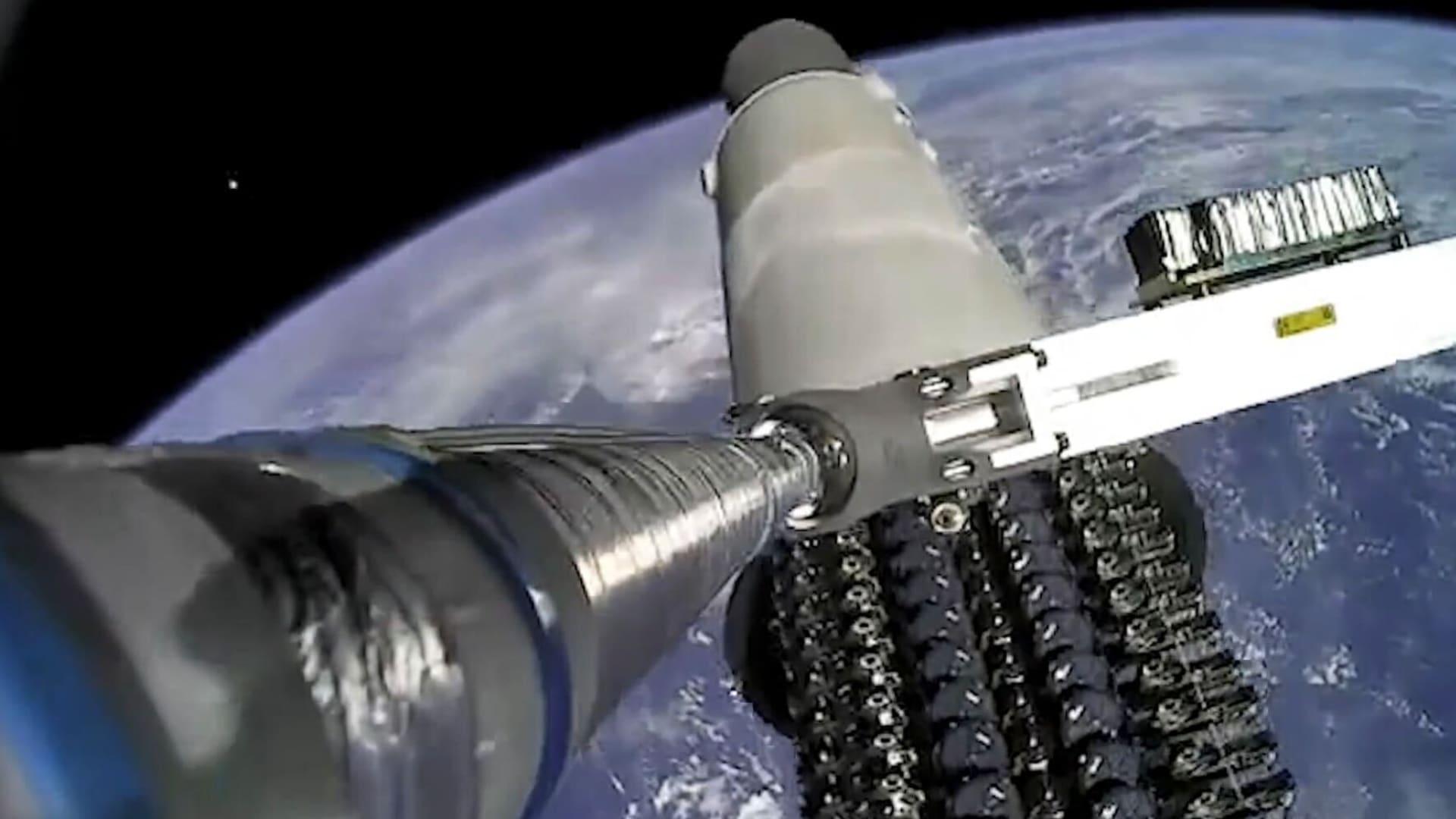
SpaceX is leveraging its burgeoning Starlink satellite internet service as a primary engine for growth and profitability, positioning the company for its anticipated Nasdaq listing. While the company is widely recognized for its reusable rocket technology and ambitious AI ventures, Starlink has emerged as the dominant revenue generator and sole profitable division, underscoring its strategic importance.
🚀 Tech Strategy & Market Disruptions
- Satellite Constellation Dominance. SpaceX’s Starlink operates a vast network of over 10,200 satellites in low Earth orbit, establishing a leadership position in the satellite internet market and enabling global coverage.
- Profitability Engine for Innovation. Starlink’s substantial profits are crucial for funding SpaceX’s capital-intensive projects, including its ambitious AI initiatives and future space colonization goals.
- Intensifying Market Competition. While Starlink leads, significant investment from major players like Amazon, OneWeb, and China’s Guowang signals a rapidly evolving and competitive landscape for space-based internet services.
SpaceX’s recent prospectus filing reveals that Starlink generated $11.39 billion in revenue last year, representing 61% of total sales, a figure that climbed to 69% in the first quarter of this year. More critically, Starlink was the company’s sole profitable segment, posting an income of $4.42 billion. This financial performance stands in stark contrast to the rocket launching unit, which incurred a $657 million loss, and the AI division, which recorded a deficit of $6.35 billion. This financial dependency highlights Starlink’s pivotal role in SpaceX’s overall financial health and its capability to pursue ambitious long-term objectives.
The Starlink constellation, comprising over 10,200 satellites in low Earth orbit, offers high-speed internet access globally, now available on all seven continents and in over 160 countries. Since its inception in 2019, Starlink has become a trailblazer in the space-based internet sector. This growing user base, which more than doubled to 10.3 million in the first quarter year-over-year, also includes significant commercial adoption by airlines such as United, Southwest, and Hawaiian for in-flight Wi-Fi services. SpaceX’s recent filing with the FCC to launch up to 1 million additional satellites underscores its commitment to expanding this infrastructure.
The strategic imperative of Starlink is clear: it serves as the vital “cash cow” intended to subsidize SpaceX’s other costly endeavors. This financial symbiosis is evident in the company’s first-quarter capital expenditures, which surged to $10.1 billion, with a significant $7.7 billion allocated to AI development. The brand’s growing recognition is further cemented by its inclusion in the Brand Finance top 500 rankings with an estimated brand value of $5.19 billion.
However, this market leadership is increasingly challenged. Competitors such as OneWeb, with over 600 satellites, and Amazon’s Project Kuiper, which has deployed over 300 satellites and plans for a constellation of roughly 7,700, are rapidly advancing. Jeff Bezos’ Blue Origin also intends to deploy approximately 5,400 satellites starting in late 2027. China’s Guowang initiative is also building a significant constellation. SpaceX itself acknowledged over 20 competitors, including Viasat and AT&T, in its IPO filing, highlighting the dynamic and competitive nature of the satellite internet market. Some of these competitors are also clients, utilizing SpaceX’s launch services.
The Politics Shaping Starlink’s Global Reach
Starlink’s integration into U.S. government offices and its role in disaster relief efforts demonstrate its utility beyond commercial applications. The classified Starshield tier caters to military needs. However, regulatory hurdles and geopolitical considerations present significant challenges. Namibia’s recent denial of an operating license due to local ownership rules, and similar reservations from Taiwan attributed to Musk’s business ties in China, illustrate the complexities of international expansion. The company’s operations have also been a focal point in the Ukraine conflict, with reports of service being restricted, raising questions about its neutrality and operational control.
SpaceX’s expansion plans are inherently tied to regulatory approvals, and the company has cautioned in its filing that renewals, modifications, or expansions of its authorizations are not guaranteed. Furthermore, the operational lifecycle of Starlink satellites, with an orbital lifespan of approximately three to five years, necessitates continuous replenishment. This presents substantial logistical and financial challenges, especially when considering the ambitious goal of launching up to 1 million additional satellites.
The potential for increased space debris and the risk of Kessler syndrome, a catastrophic chain reaction of orbital collisions, are growing concerns raised by scientists and advocacy groups like DarkSky. SpaceX’s proposal to significantly increase the number of satellites in orbit could permanently alter the night sky. The company’s plans for orbital data centers, intended to provide cost-effective AI training infrastructure by 2028, also face significant technical and logistical hurdles, including the need for robust cooling systems, radiation-hardened components, and cost-effective launch capabilities. As commented by industry analysts, the feasibility and timeline for these advanced orbital data centers remain subjects of intense debate.
“The financial reliance on Starlink for SpaceX’s projected IPO valuation underscores a critical shift. It’s no longer just about launch capabilities; it’s about recurring revenue from a global connectivity service. This move signals a maturation of the space industry towards infrastructure and service provision, rather than solely hardware manufacturing.”
The technical feasibility of SpaceX’s proposed orbital data centers is ambitious. The company claims to have addressed the most challenging aspect: thermal management for AI compute satellites. However, the immense capital expenditure required for thousands of launches annually, coupled with the need for components that can withstand extreme space environments, means this vision is likely a long-term play, with many experts estimating a longer timeline than SpaceX’s projected 2028 deployment.
SpaceX’s Starlink Platform Architecture
Starlink’s architecture is designed for global reach and rapid deployment. The core comprises a constellation of thousands of small satellites in low Earth orbit, working in conjunction with ground stations. Each satellite is equipped with phased-array antennas for directional communication, enabling high bandwidth and low latency compared to traditional geostationary satellites. The system leverages advanced software-defined networking to manage the dynamic constellation, routing traffic efficiently across the network. The user terminal, a phased-array antenna itself, autonomously tracks satellites as they move across the sky, ensuring continuous connectivity.
Starlink’s Market Adoption Challenges
Despite Starlink’s rapid growth, several adoption challenges persist. Regulatory compliance across diverse international markets remains a significant hurdle, as seen in Namibia and Taiwan. The cost of user terminals, though decreasing, can still be prohibitive for some potential customers. Furthermore, the perceived reliability and performance in extreme weather conditions, or in areas with dense foliage, are ongoing considerations. The company’s efforts to expand coverage and service tiers are vital for overcoming these barriers and solidifying its market position against increasing competition. It’s also important to consider the evolving landscape of emerging technologies that could offer alternative or complementary connectivity solutions.
The Orbiting Data Center Gamble
SpaceX’s foray into orbital data centers represents a bold vision for the future of AI computation. By placing processing power directly into orbit, the company aims to mitigate the latency inherent in transmitting data to and from Earth. This architecture, powered by solar photovoltaics and leveraging advanced thermal management systems, seeks to create the most cost-effective environment for training AI models. The success of this venture hinges on overcoming significant engineering challenges related to cooling, radiation shielding, and the sheer scale of required rocket launches, which currently pose a bottleneck. This ambitious plan reflects a broader trend in educational tech insights towards decentralizing computing power.
Starlink’s Next Growth Phase: What We Think
SpaceX’s reliance on Starlink for its IPO is a clear indicator of the satellite internet service’s strategic value. The company’s ability to scale its operations and navigate regulatory landscapes will be critical for sustained investor confidence.
- Starlink’s revenue and profitability are the primary drivers for SpaceX’s upcoming IPO valuation.
- Intensifying competition from Amazon Kuiper and others necessitates continuous innovation and market expansion.
- Geopolitical sensitivities and regulatory compliance pose significant risks to Starlink’s global growth trajectory.
Will Starlink’s expansion into new markets and potential orbital data center capabilities offset the mounting competitive pressures and regulatory challenges?
📊 StockXpo Analyst’s View
Market Impact: This development significantly impacts the telecommunications and aerospace sectors. Increased investor focus on Starlink’s revenue streams could drive valuations for satellite service providers, while also highlighting the capital-intensive nature of such infrastructure projects. The race for orbital computing also signals a new frontier in technology infrastructure investment.
Sector To Watch: The burgeoning satellite internet and space-based computing sectors are poised for significant growth. Companies involved in satellite manufacturing, launch services, ground station infrastructure, and advanced AI hardware for space applications will likely see increased attention.
Financial Disclaimer:
StockXpo.com is a financial news aggregator and educational portal, not a registered investment advisor or broker-dealer. All information, news, and analysis provided herein are strictly for educational purposes and do not constitute investment, financial, legal, or tax advice. Investing in the stock market involves high risks, and past performance is not indicative of future results. StockXpo will not be liable for any financial losses or investment damages. Always consult a certified financial advisor before making market decisions.
MORE IN INSIDE TECHNOLOGY

AI Cyberattacks: Interpol Warns of Escalating Speed and Risk
Published: Friday, October 2, 2026 · 1:18 AM

Apple’s AI Strategy: Innovation, Disruption, and Market Positioning Amidst White House Summit
Published: Thursday, October 1, 2026 · 12:09 AM