Published: Monday, June 15, 2026 · 8:30 AM | Updated: Monday, June 15, 2026 · 8:30 AM
📊 234 views




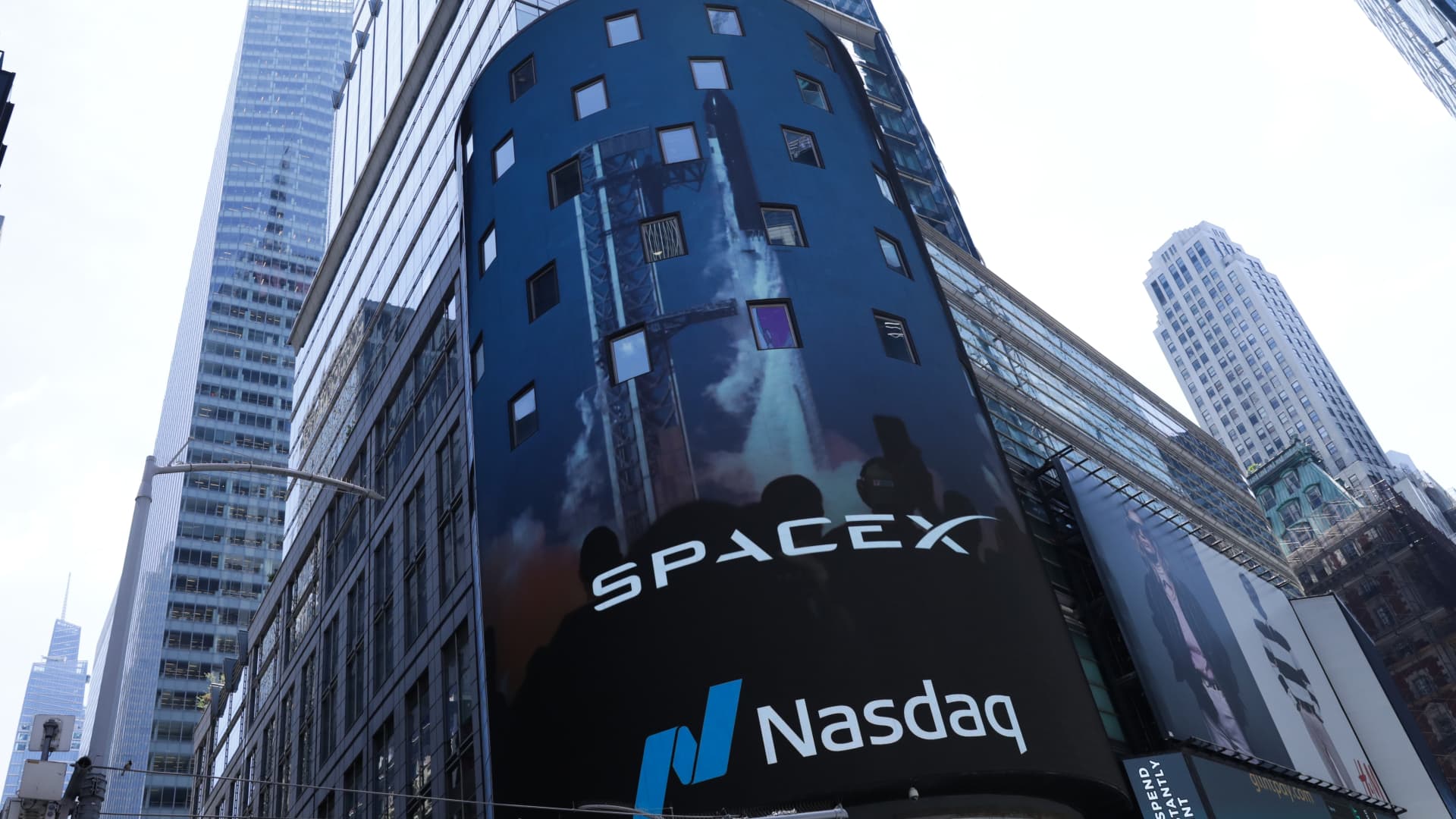
SpaceX, Elon Musk’s ambitious aerospace company, made a historic entry into the public market with a record-breaking initial public offering last week, pushing its valuation above an astounding $2 trillion. This debut has ignited considerable investor interest and a robust debate over the company’s long-term financial prospects and hefty market capitalization. Shares initially surged following their Nasdaq listing, reflecting strong demand for this disruptive enterprise.
🚀 Tech Strategy & Market Disruptions
- AI-Space Synergy. SpaceX’s merger with xAI signals a strategic pivot to integrate advanced artificial intelligence into space operations, potentially redefining satellite internet and propulsion systems.
- Capital-Intensive Innovation. The company’s massive capital expenditures, particularly in AI, underscore its aggressive growth strategy but also raise questions about profitability timelines amidst high cash burn rates.
- Re-usable Rocket Economics. The success of reusable rocket technology is fundamentally altering the cost structure of space launches, driving down barriers to entry and accelerating global satellite deployment initiatives.
Following its record-setting debut last week on the Nasdaq, shares of **SpaceX** saw an additional 6% jump in premarket trading on Monday. The company, which closed Friday at $161 after being priced at $135 per share, achieved a market capitalization exceeding $2 trillion, marking the largest initial public offering in history. This phenomenal market reception comes as the company continues to expand its Starlink satellite internet service and refine its fleet of reusable rockets, core components of its ambitious vision.
Yet, this spectacular market entry has not been without its skeptics. In February, the company made headlines by merging with Elon Musk’s artificial intelligence startup, xAI, a move that significantly bolstered its tech stack but also contributed to substantial capital outlays. SpaceX reported nearly $5 billion in losses in 2025, fueling an ongoing debate among financial analysts regarding the justification of its immense valuation.
Several prominent firms have weighed in. CFRA initiated coverage with a ‘sell’ rating and a 12-month price target of $115, a nearly 29% drop from Friday’s close. CFRA cited the company’s ‘extremely ambitious growth strategy, elevated valuation expectations, and significant capital intensity’ as primary concerns. Similarly, Morningstar analyst Nicolas Owens, in a June 8 note, valued SpaceX at $63 per share, describing the stock as ‘overvalued.’ This conservative outlook contrasts sharply with New Street Research, which initiated coverage with a more bullish $165 price target, as Forbes recently highlighted.
The capital intensity noted by analysts is evident in SpaceX’s financial reports. Capital expenditures in the three months ended March totaled $10.1 billion, a substantial increase from $4.1 billion in the same period last year. The majority of this increased spending was directed towards artificial intelligence initiatives, indicating a heavy investment in its newly integrated AI capabilities. This technological push is crucial for its long-term objectives and for maintaining its edge in emerging technologies, a trend continuously monitored across technology market trends.
- Valuation Disparity: Analyst price targets vary wildly, from $63 to $165, reflecting deep disagreements on future growth and profitability.
- AI Integration: The xAI merger signals a core strategy to embed advanced AI into space infrastructure, a potential game-changer for satellite autonomy and data processing.
- High Burn Rate: Significant capital expenditure, particularly in AI development, highlights a high-risk, high-reward investment strategy impacting its short-term financial performance.
The integration of xAI with SpaceX’s core operations creates a potent disruption flow. Developing advanced AI for satellite constellations and rocket autonomy promises not only more efficient space operations but also opens new frontiers in data analytics and orbital services. This translates to enhanced Starlink capabilities, driving down latency and expanding global coverage, thereby attracting more users and creating a stronger competitive moat. Ultimately, this leads to accelerated digital transformation across various sectors reliant on high-speed global connectivity, from logistics to remote education.
“SpaceX’s ambitious integration of AI into its space infrastructure exemplifies a crucial digital transformation trend. It’s not just about launching rockets; it’s about creating intelligent, autonomous orbital platforms that can self-optimize and provide unprecedented data insights. This convergence of physical and digital assets at scale is a blueprint for future industry leaders.”
The financial specifics underscore the company’s aggressive trajectory:
- IPO Price: $135 per share
- Closing Price (Friday): $161 per share
- Premarket Jump (Monday): ~6%
- Market Capitalization: Above $2 trillion
- 2025 Losses: Nearly $5 billion
- Q1 Capital Expenditures: $10.1 billion (vs. $4.1 billion YoY)
SpaceX Market Adoption Challenges
Despite its technological prowess, SpaceX faces significant market adoption challenges, particularly with its Starlink service. While global demand for satellite internet is high, regulatory hurdles in various countries, competition from terrestrial broadband providers, and the sheer cost of deploying and maintaining a massive satellite constellation present formidable obstacles. The company must navigate a complex geopolitical landscape to achieve universal service adoption, requiring innovative approaches to local market integration and pricing strategies to overcome competitive pressure, particularly for emerging technologies.
SpaceX Ecosystem Expansion Potential
The merger with xAI dramatically expands SpaceX’s ecosystem potential beyond traditional space services. By embedding advanced AI capabilities, SpaceX can develop new revenue streams from data analytics, on-orbit computing, and intelligent autonomous systems for defense and commercial applications. This synergy positions the company to become a foundational provider of not just internet access but also AI-driven insights from space, fostering a vibrant developer community and enabling novel applications that leverage its unique orbital infrastructure. This broadens its reach significantly beyond its core launch services and Starlink.
SpaceX’s Orbital Trajectory: Navigating Valuation and Innovation
SpaceX’s landmark IPO represents a significant moment for the aerospace and tech sectors, showcasing investor confidence in ambitious, capital-intensive ventures that push the boundaries of innovation. While its current valuation sparks debate among analysts, the company’s strategic integration of AI and its foundational reusable rocket technology position it for long-term impact. The challenge lies in balancing rapid technological advancement with sustainable profitability.
- The IPO highlights a market appetite for disruptive space technology.
- The xAI merger is a crucial bet on AI as a core differentiator for future growth.
- Sustaining investor confidence will depend on demonstrating a clear path to profitability amidst high capital burn.
How will SpaceX’s dual focus on space infrastructure and advanced AI reshape the global technology landscape in the coming decade?
📊 StockXpo Analyst’s View
Market Impact: The **SpaceX** IPO, despite immediate gains, introduces a high-volatility asset that will test investor appetite for risk versus innovation. Its massive market cap means any significant shifts will reverberate widely, potentially diverting capital from less disruptive ventures. The divergent analyst ratings underscore a fundamental uncertainty in valuing such a forward-looking, capital-intensive enterprise, creating a ripe environment for short-term speculation alongside long-term growth plays, a sentiment echoed by Reuters’ technology coverage.
Sector To Watch: The aerospace and satellite communications sectors are obviously in the spotlight, but the true ripple effect extends to AI infrastructure and advanced manufacturing. Companies providing AI compute, specialized data centers, and advanced materials for rocket and satellite components could see increased demand. Furthermore, terrestrial internet service providers might face heightened competitive pressure from Starlink’s expanding global reach, necessitating their own innovation in last-mile connectivity. For those seeking educational tech insights, this case study will be paramount.
Financial Disclaimer:
StockXpo.com is a financial news aggregator and educational portal, not a registered investment advisor or broker-dealer. All information, news, and analysis provided herein are strictly for educational purposes and do not constitute investment, financial, legal, or tax advice. Investing in the stock market involves high risks, and past performance is not indicative of future results. StockXpo will not be liable for any financial losses or investment damages. Always consult a certified financial advisor before making market decisions.
MORE IN INSIDE TECHNOLOGY
TSMC Record Profit: Unpacking the AI Boom’s Unrelenting Drive
Published: Thursday, October 15, 2026 · 1:52 AM

Anthropic Pentagon Blacklisting: A Major Risk for AI’s Public Sector Role
Published: Wednesday, October 14, 2026 · 12:03 AM