Published: Monday, July 27, 2026 · 5:53 PM | Updated: Monday, July 27, 2026 · 5:53 PM
📊 160 views




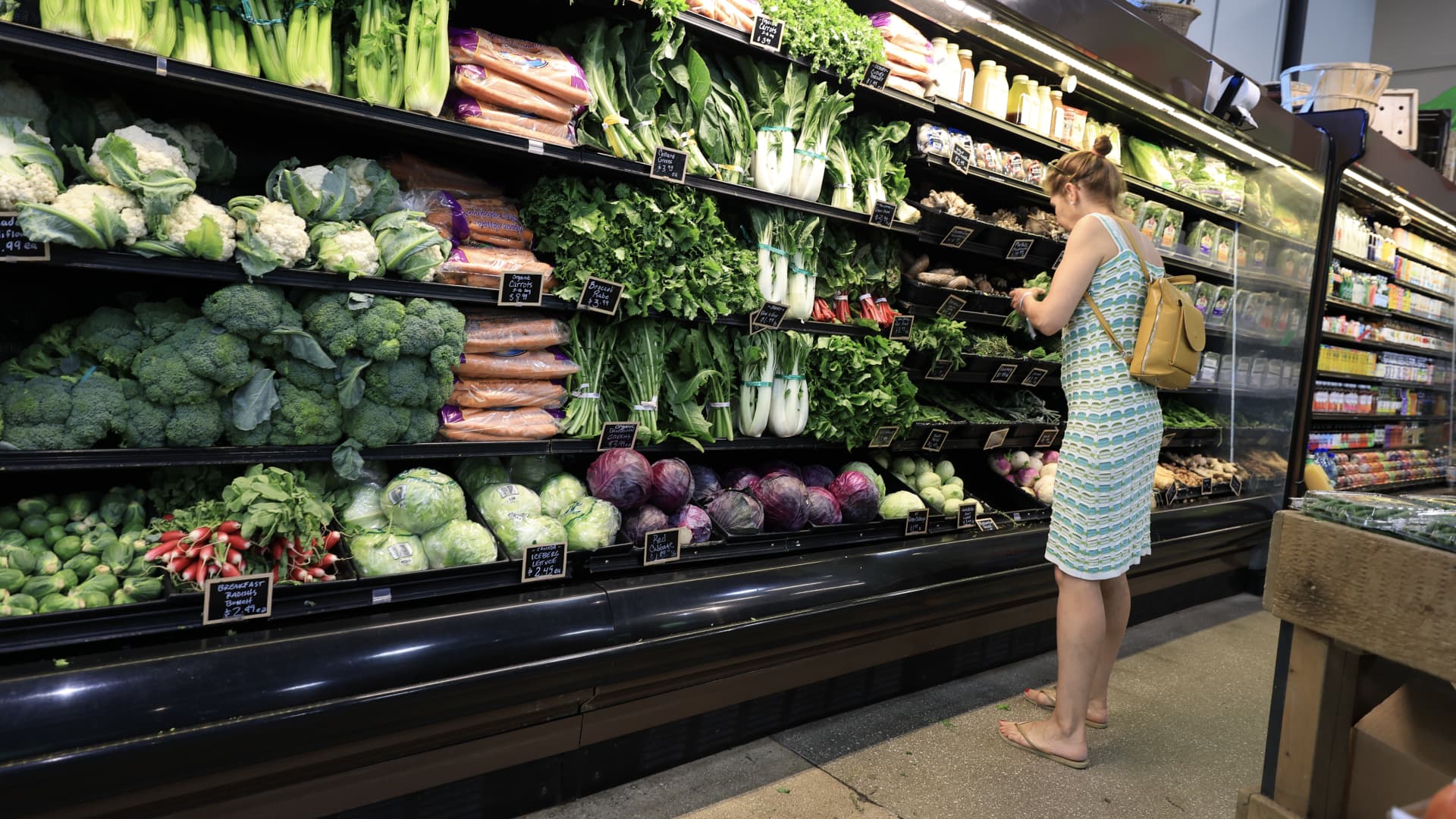
A recent cyclospora outbreak, sickening thousands across the U.S., is casting a sharp spotlight on the inherent vulnerabilities within the nation’s highly consolidated food supply chain. This incident underscores a critical strategic dilemma for major food distributors and processors: the delicate balance between operational efficiencies gained through scale and the amplified risks of widespread contamination.
🗝️ Corporate Strategy Insights
- Risk Amplification. Centralized sourcing and distribution networks can transform localized contamination events into multi-state public health crises.
- Efficiency vs. Resilience. The drive for greater operational efficiency through mergers and acquisitions comes with trade-offs in food safety, making outbreaks “go wrong big time” when they occur.
- Traceability Challenges. The long incubation period of pathogens like cyclospora, coupled with complex, consolidated networks, complicates rapid source identification and containment efforts.
The ongoing cyclospora crisis, which has garnered attention from federal investigators focusing on shredded iceberg lettuce from Taylor Farms’ foodservice business, illuminates a decades-long evolution in fresh food logistics. Dr. David Relman, a Stanford University professor of microbiology, points out that the overarching trends in food sourcing and distribution have undeniably contributed to the scale of the current outbreak. What might have once been an isolated contamination can now become a widely distributed problem due to pooling and redistribution practices within increasingly concentrated supply chains.
Marion Nestle, professor emerita at NYU, further elaborates on this, stating that consolidation amplifies the consequences of contamination, asserting that ‘if something goes wrong, it goes wrong big time.’ This perspective highlights the critical vulnerability in the system where centralized processing can dramatically expand an outbreak’s reach. For instance, a single head of lettuce versus a bag containing chopped lettuce from numerous sources exemplifies how a minor issue can become a widespread public health concern affecting multiple states and major restaurant chains like Taco Bell.
Over several decades, the U.S. agricultural and food distribution sectors have seen significant consolidation, driven by companies relentlessly pursuing greater efficiency and national scale. Taylor Farms, currently under scrutiny, has grown substantially through acquisitions such as Earthbound Farm in 2019, Curation Foods in 2021, and Equinox Growers in March 2026. Similarly, the restaurant supply sector is dominated by a few broadline distributors like Sysco, US Foods, and Performance Food Group, serving hundreds of thousands of establishments. Despite federal regulators blocking Sysco’s proposed $8.2 billion acquisition of US Foods in 2015 on antitrust grounds, both companies have continued expanding through strategic smaller acquisitions of regional distributors and fresh produce processors. For deeper insights into corporate growth strategies, readers can explore analysis on company strategy and corporate growth.
Sysco, the largest foodservice distributor in the U.S., has actively bolstered its fresh produce business through deals like Paragon Foods, The Coastal Companies, and Greco and Sons. These acquisitions have not only broadened Sysco’s geographic reach but also increased its capabilities in fresh-cut produce and value-added processing, enabling more restaurants to source ingredients through a single, extensive network. US Foods mirrored this trend, acquiring Freshway Foods in 2016 to enhance its fresh fruit and vegetable processing and distribution capabilities in the eastern U.S. These moves, while boosting efficiency, raise questions about the resilience of the overall system.
However, the debate isn’t one-sided. Timothy Lytton, a health and safety regulation expert at Georgia State University, suggests that larger producers and processors might actually possess more sophisticated food safety systems due to greater financial resources for testing, traceability, and quality control. Studies on fresh produce at farmers markets have even shown contamination with E. coli among small farmers, suggesting size isn’t the sole determinant of safety. Yet, Lytton concedes that when contamination does occur within large handler networks, the resulting recalls are invariably broader and more challenging to manage. The International Foodservice Distribution Association (IFDA) emphasizes the industry’s robust tracking and tracing capabilities, asserting distributors can provide critical traceback information within 24-48 hours during investigations, as reported by Bloomberg markets.
“This interconnectedness creates specific challenges:
- Large-scale distribution means a single point of failure can impact a vast consumer base.
- Complex supply chains make pinpointing contamination sources difficult and time-consuming.
- Consumer confidence can be rapidly eroded by widespread outbreaks, affecting brand reputation across the entire food service sector.
The core issue, as Relman underscores, is that consolidation itself doesn’t cause contamination but profoundly alters its consequences. The public health system, he argues, is often appreciated only in its failure, a pattern the industry cannot afford to repeat. The growing complexity of food supply chains demands continuous innovation and vigilance to safeguard public health while meeting market demands. Investors tracking these developments can find more information on global market trends on Reuters business news.
The strategic ripple effect of this heightened scrutiny on consolidated food supply chains is multifaceted. The primary impact is increased regulatory pressure on major distributors and processors, potentially leading to more stringent food safety protocols and audits. This, in turn, could drive up operational costs as companies invest more in advanced testing, blockchain-based traceability solutions, and enhanced quality control measures. For competitors, especially smaller, local sourcing alternatives, this presents an opportunity to highlight their localized, potentially lower-risk supply models, gaining market share in niche segments focused on transparency and trust. The overall market could see a shift towards diversification in sourcing, or at least a greater emphasis on supplier vetting and risk mitigation strategies.
“Consolidation means that if something goes wrong, it goes wrong big time.” – Marion Nestle, Professor Emerita of Nutrition, Food Studies and Public Health at New York University.
While precise financial metrics related to cyclospora outbreaks are still emerging, key indicators for stakeholders include:
- Recall Scope and Frequency: An increase in multi-state recalls directly impacts logistics and consumer trust.
- Investment in Food Safety Tech: Major players like Sysco and Taylor Farms will likely boost capital allocation towards advanced testing and traceability systems.
- Acquisition Trends: Future M&A activity might see greater scrutiny from regulators regarding food safety implications, not just antitrust concerns.
These indicators highlight the operational and reputational risks associated with large-scale food distribution.
Taylor Farms Strategic Analysis: Navigating Reputation Risks
“Taylor Farms, a prominent salad producer, faces significant strategic challenges in the wake of the cyclospora investigation. Its aggressive expansion through acquisitions, while creating market leadership, has centralized its operations, increasing vulnerability to widespread outbreaks. The company’s immediate strategy must prioritize transparent communication, rapid response protocols, and substantial investment in advanced pathogen detection and prevention technologies to restore consumer and foodservice partner confidence.”
Sysco Competitive Advantages in a Shifting Landscape
“Sysco’s extensive distribution network and broad product portfolio provide substantial competitive advantages, but recent events underscore the need for enhanced risk management. Their strategy of acquiring regional distributors and fresh produce processors allows for deeper market penetration and increased control over the supply chain. Moving forward, Sysco must leverage its scale to implement industry-leading food safety standards, potentially setting a new benchmark for competitive differentiation in a market increasingly sensitive to supply chain integrity. For more industry insights, visit the StockXpo platform.”
The Ripple Effect of Consolidated Food Supply on Future Markets
“The recent cyclospora outbreak serves as a stark reminder that efficiency in the consolidated food supply chain, while driving economies of scale, introduces inherent systemic risks. Companies must now navigate a delicate balance between maximizing operational leverage and safeguarding public health, a challenge that will redefine competitive strategies and regulatory landscapes. This incident will undoubtedly catalyze shifts in how food is sourced, processed, and distributed across the nation.”
- Operational overhaul for major distributors to integrate more robust pathogen detection and traceability systems.
- Increased scrutiny from regulators, potentially leading to new compliance standards and auditing requirements.
- Heightened consumer demand for transparent sourcing and enhanced food safety assurances, impacting brand loyalty.
“How will the drive for efficiency balance against the imperative for public safety in the evolving food supply sector?”
📊 StockXpo Analyst’s View
Market Impact: This unfolding situation introduces a new layer of risk assessment for investors in the food processing and distribution sectors. While immediate stock impact on giants like Sysco and US Foods might be limited to short-term volatility, persistent outbreaks could erode long-term investor confidence, impacting valuations and potentially leading to higher insurance premiums for these companies. Companies demonstrating superior food safety investments and transparency will likely gain an edge, attracting more stable capital.
Sector To Watch: The food technology sector, particularly companies specializing in advanced pathogen detection, blockchain-based supply chain traceability, and automated quality control systems, is poised for significant growth. Furthermore, smaller, localized food producers and distributors emphasizing direct farm-to-table models could see renewed interest as consumers and institutions seek alternatives to highly consolidated systems. We often discuss such strategic shifts in our educational insights blog.
Financial Disclaimer:
StockXpo.com is a financial news aggregator and educational portal, not a registered investment advisor or broker-dealer. All information, news, and analysis provided herein are strictly for educational purposes and do not constitute investment, financial, legal, or tax advice. Investing in the stock market involves high risks, and past performance is not indicative of future results. StockXpo will not be liable for any financial losses or investment damages. Always consult a certified financial advisor before making market decisions.
MORE IN INSIDE BUSINESS

Rental Demand’s Surge: A Leading Indicator for Future Home Sales Trends
Published: Tuesday, September 8, 2026 · 9:18 AM

GM Ford Strategy: New Battlegrounds Emerge in Defense and Energy
Published: Saturday, September 5, 2026 · 10:22 AM