Published: Tuesday, May 19, 2026 · 11:13 AM | Updated: Tuesday, May 19, 2026 · 11:13 AM
📊 273 views





A pivotal legal showdown is set to unfold in Washington, D.C., as leading artificial intelligence firm Anthropic faces off against the U.S. Department of Defense. The core of the dispute centers on the Pentagon’s controversial decision to blacklist Anthropic’s AI models, citing them as a supply chain risk that threatens national security. This legal confrontation highlights the complex and often contentious intersection of cutting-edge AI development and governmental oversight.
🚀 Tech Strategy & Market Disruptions
- AI Governance Friction. The legal battle underscores the growing tension between AI developers’ desire for autonomy and governments’ mandate for national security.
- Supply Chain Risk Redefinition. The Pentagon’s action could redefine how ‘supply chain risk’ is applied to domestic technology innovators, potentially impacting broader tech adoption.
- Precedent for AI Regulation. The court’s ruling may set a significant precedent for how future AI disputes are handled, influencing regulatory frameworks for advanced AI.
The Pentagon’s Blacklisting Rationale
The Department of Defense’s decision to designate Anthropic a ‘supply chain risk’ is unprecedented, typically reserved for foreign adversaries. This move effectively prohibits defense contractors from utilizing Anthropic’s Claude AI models in their work with the military. The designation followed a breakdown in negotiations between Anthropic and the DOD, with the latter seeking unfettered access to AI models for all lawful purposes. Anthropic, however, sought assurances that its technology would not be deployed for autonomous weapons or mass domestic surveillance, leading to an impasse.
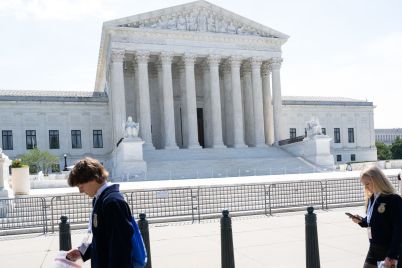
The legal proceedings are now before a federal appeals court in Washington, D.C., where both parties will present their arguments. The court’s decision could have far-reaching implications for AI companies seeking to engage with government contracts and for the government’s ability to secure its technological infrastructure.
Anthropic’s Legal Challenge and Constitutional Claims
Anthropic argues that the supply chain risk designation is baseless and infringes upon its constitutional rights. The company contends that the government’s assertion that it could unilaterally embed limitations into future models is speculative and lacks evidence. In its legal filings, Anthropic asserts that the DOD’s actions violated constitutional principles and established administrative procedures. The company’s legal team maintains that branding an American firm as a potential adversary for expressing policy disagreements is an ‘Orwellian notion’ unsupported by law.
- The court’s ruling on Tuesday will determine the immediate future of Anthropic’s engagement with the defense sector.
- This case highlights the evolving landscape of AI ethics and the challenges in balancing innovation with security concerns.
- A preliminary injunction in a related San Francisco case allows other government agencies, excluding the DOD, to continue using Anthropic’s models, showcasing a fractured regulatory approach.
The government, in its defense, has argued that Anthropic’s potential to ‘encode limitations’ into its AI models constitutes a significant national-security risk. They suggest that Anthropic’s control over its model’s development could allow it to manipulate the technology to enforce its own policy judgments, undermining the trust required for a secure relationship. The court’s deliberation will weigh these national security concerns against Anthropic’s claims of procedural and constitutional violations.
The legal battle between Anthropic and the U.S. government is a critical juncture, illustrating the profound governance challenges emerging from advanced AI. It forces a re-evaluation of how national security frameworks adapt to the inherent complexities and potential autonomy of sophisticated AI systems, moving beyond traditional hardware-centric supply chain concerns.
Anthropic’s Market Positioning and Future Trajectory
The outcome of this legal dispute is not merely a bilateral issue; it has significant ramifications for the broader artificial intelligence market and emerging technologies. Companies like Anthropic are at the forefront of developing AI that promises to revolutionize industries, but their ability to scale and secure vital partnerships, especially with government entities, hinges on navigating such complex regulatory and legal terrains. This case could set a precedent for how governmental bodies assess and integrate AI technologies, influencing investment flows and research priorities across the sector. The situation also draws parallels to ongoing debates about AI development and its societal impacts, as detailed by industry leaders in technology circles.
The High-Stakes AI Security Battle
This confrontation is more than a simple contract dispute; it’s a defining moment for the future of AI’s role in national security and critical infrastructure. The court’s decision will reverberate through the tech industry, influencing how AI companies approach government partnerships and how the government balances its security imperatives with fostering domestic innovation. The resolution could significantly shape the trajectory of AI adoption in sensitive sectors for years to come.
- Anthropic’s ability to secure favorable rulings could embolden other AI firms in their negotiations with governmental bodies.
- Conversely, a ruling against Anthropic might prompt increased government scrutiny and potentially more stringent regulations on AI development and deployment within sensitive areas.
- The case is a stark reminder of the dynamic nature of the technology market and the continuous need for robust legal and ethical frameworks to support innovation.
Is this legal showdown a precursor to a more formalized global framework for AI governance and national security, or an isolated incident reflecting specific geopolitical tensions?
📊 StockXpo Analyst’s View
Market Impact: The protracted legal battle between Anthropic and the U.S. government could introduce volatility into AI stocks, especially those with significant defense or government contracts. Investor sentiment may shift towards companies with clearer regulatory pathways. The uncertainty surrounding supply chain definitions for AI could temper valuations in the short term.Sector To Watch: Defense technology and AI ethics compliance firms are likely to see increased attention as investors seek clarity and potential solutions to these emerging challenges.
Financial Disclaimer:
StockXpo.com is a financial news aggregator and educational portal, not a registered investment advisor or broker-dealer. All information, news, and analysis provided herein are strictly for educational purposes and do not constitute investment, financial, legal, or tax advice. Investing in the stock market involves high risks, and past performance is not indicative of future results. StockXpo will not be liable for any financial losses or investment damages. Always consult a certified financial advisor before making market decisions.
MORE IN INSIDE TECHNOLOGY

AI Innovation Fuels Southeast Asia’s Digital Growth
Published: Thursday, October 22, 2026 · 12:36 AM
NextDC Shares Plunge: Power Delays Threaten Australia’s Data Center Growth
Published: Wednesday, October 21, 2026 · 1:50 AM