
Published: Monday, May 18, 2026 · 4:14 PM | Updated: Monday, May 18, 2026 · 4:14 PM
📊 266 views




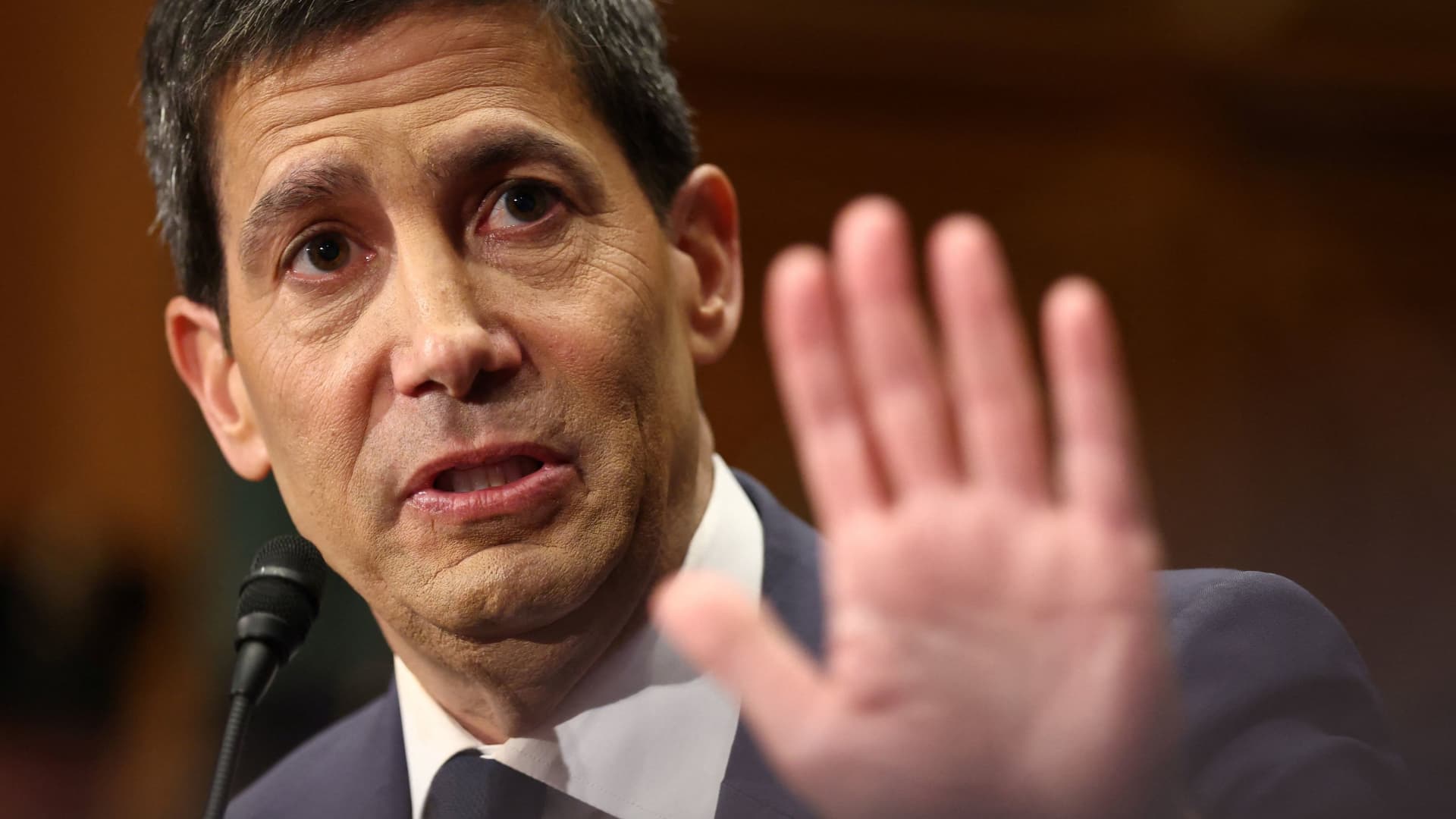
The Federal Reserve, under its incoming Chair Kevin Warsh, faces an immediate and stern test of its monetary policy credibility. With surging inflation fueled by the Iran war and escalating Treasury yields, the central bank is under immense pressure from market ‘bond vigilantes’ to reconsider its dovish stance on interest rates. This pivotal moment underscores the powerful, often reactive, influence of bond markets on global economic stability and future growth trajectories.
📊 Macro-Economic Strategic Insights
- Bond Market Pressure Mounts. ‘Bond vigilantes’ are signaling dissatisfaction with the Fed’s perceived dovishness, pushing Treasury yields higher to demand stricter inflation control.
- Inflationary Pressures Intensify. A recent surge in inflation, partially attributed to the Iran war, has led to a significant repricing of market expectations for the Fed’s next move.
- Credibility Test for New Fed Chair. Kevin Warsh, initially expected to advocate for lower rates, now confronts the challenge of asserting credibility by potentially adopting a more hawkish position to stabilize markets.
Why the Bond Market is Forcing the Fed’s Hand on Interest Rates
Amid a landscape of heightened economic uncertainty, the Federal Reserve finds itself at a critical juncture regarding its stance on interest rates. Market veteran Ed Yardeni, known for coining the term ‘bond vigilantes,’ argues that incoming Fed Chair Kevin Warsh may be compelled to raise rates as early as July, despite previous dovish inclinations. Yardeni posits that failure to address brewing inflation and market unease could severely undermine the Fed’s credibility, triggering further escalation in Treasury yields. This scenario suggests that the ‘bond vigilantes’ – investors reacting aggressively to perceived monetary mismanagement – are currently dictating the pace and direction of U.S. monetary policy, rather than the central bank’s stated intentions.
The recent surge in Treasury yields provides tangible evidence of this market-driven pressure. The 30-year bond recently eclipsed 5%, hitting its highest point in nearly a year, while the 2-year Treasury, highly sensitive to Fed moves, also saw fluctuations. This market reaction starkly contrasts with Warsh’s earlier public statements, where he indicated a belief that the Fed could lower its benchmark rate from the current 3.5% to 3.75% range. However, a significant spike in inflation, exacerbated by geopolitical factors like the Iran war, has rapidly altered market expectations.
Market pricing now implies a 42% chance of a rate increase by year-end, according to the CME Group’s FedWatch tool. While Yardeni’s call for a July hike stands outside the consensus, with only a 4.2% implied probability, his analysis underscores the urgency for the Fed to align its policy signaling with market realities. He suggests that even if the Fed holds steady in June, removing forward guidance that hinted at future cuts would be a crucial first step toward tightening. Such a proactive approach, he argues, would not only appease the bond market but also grant the Fed greater flexibility in managing borrowing costs, potentially leading to the very outcome the White House desires: lower real-world borrowing costs for mortgages and corporate financing, ultimately boosting economic growth. For deeper investment analysis, explore StockXpo.
The Chain Reaction: From Inflation to Yield Spikes
The current economic climate illustrates a clear cause-and-effect cascade:
- Inflation Surge (Iran War, Underlying Factors) → Market Repricing of Rate Expectations (Investors anticipate higher rates).
- Dovish Fed Stance (Warsh’s pre-chair comments) → Bond Vigilante Activation (Markets demand higher yields for holding long-term debt).
- Escalating Treasury Yields (30-year bond over 5%) → Increased Borrowing Costs (For mortgages, corporate debt, government spending).
- Pressure on Fed Credibility (If perceived as behind the curve) → Potential for Corrective Rate Hikes (To stabilize prices and regain market trust).
- Hawkish Fed Action (Removing dovish guidance, potential hike) → Appeasement of Bond Markets → Stabilization of Yields → Potential for Lower Real Borrowing Costs (Paradoxically aligning with White House goals for economic stimulus and macro trends on StockXpo’s economy section).
This intricate dance between inflation, central bank policy, and market sentiment highlights the delicate balance required to maintain systemic growth.
‘Bond vigilantes’ refers to bond market participants who collectively exert pressure on central banks or governments. By demanding higher interest rates or selling off government bonds, they penalize policies they deem inflationary or fiscally irresponsible. This dynamic essentially forces policymakers to adopt more disciplined fiscal or monetary stances, often to restore market confidence and prevent runaway inflation or currency devaluation.
Key Market Indicators Signal Rate Pressure
| Metric | Current/Recent Reading | Significance |
|---|---|---|
| 30-Year Treasury Yield | 5.138% (previously >5%) | Highest in nearly a year, indicating significant long-term inflation concerns. |
| 2-Year Treasury Yield | 4.07% | More sensitive to immediate Fed rate hike expectations. |
| Fed Benchmark Rate (Target Range) | 3.5% – 3.75% | Current range central to Fed’s monetary policy decisions. |
| CME FedWatch: Year-End Hike Probability | 42% | Market’s assessment of increasing likelihood of a rate hike by year-end. |
| CME FedWatch: July Hike Probability | 4.2% | Although low, it reflects a non-zero, rising possibility of an early hike. |
Global Inflationary Risks: A Broader Economic Context
The recent inflationary surge isn’t solely a domestic phenomenon. The mention of the Iran war as a trigger highlights the interconnectedness of global energy markets and supply chains. Geopolitical tensions in the Middle East can quickly translate into higher oil prices, impacting transportation costs, manufacturing inputs, and consumer prices worldwide. For central banks like the Fed, this poses a dual challenge: managing domestic demand-side inflation while contending with external supply shocks that are largely beyond their direct control. Sustained geopolitical instability could entrench higher inflation expectations, making the Fed’s task of restoring price stability even more complex and critical for global economic policy.
U.S. Fiscal Policy Commentary: White House’s Economic Calculus
Interestingly, Yardeni suggests that a hawkish stance by the new Fed Chair, Warsh, could paradoxically align with the White House’s economic objectives. President Trump’s administration has historically favored policies that aim for lower real-world borrowing costs, seeking to stimulate economic activity through more affordable mortgages and corporate financing. If a decisive Fed action, like a July rate hike or clear forward guidance for tightening, successfully appeases bond markets and prevents runaway yields, it could indeed lead to a stabilization or even a slight decline in long-term borrowing rates. This demonstrates the intricate dance between monetary policy and political aspirations, where a strong, credible Fed can provide the stability needed for broader economic gains, even if the initial steps are counterintuitive to short-term political desires. Stay informed on these dynamics through economic news and commentary.
Navigating the Future of Interest Rates: Warsh’s Critical Juncture
Incoming Fed Chair Kevin Warsh faces an immediate and profound test: to re-establish the central bank’s credibility and anchor inflation expectations in the face of aggressive bond market signaling. His initial policy path, which leaned dovish, is now being sharply re-evaluated by market forces. The implications of his decisions on interest rates will shape not only short-term borrowing costs but also the long-term trajectory of the U.S. economy. The financial markets are watching closely for a decisive shift.
- The Fed’s early actions, particularly at the June and July FOMC meetings, will be crucial in calming bond market volatility.
- A clear shift away from dovish forward guidance is expected as a minimum, with a rate hike in July remaining a distinct possibility.
- The interplay between inflation, geopolitical events, and central bank credibility will define macro-stability in the coming months.
What strategic adjustments will the Federal Reserve make to appease the ‘bond vigilantes’ and maintain macro-stability?
### 📊 StockXpo Analyst’s View
Market Impact: The rising pressure for the Fed to hike rates suggests increased volatility in fixed-income markets, but potentially a more stable outlook for equities if inflation fears are contained. A credible Fed response could boost investor confidence, albeit with an initial jolt to growth-sensitive sectors. Expect a flight to quality until clear policy signals emerge, impacting overall market liquidity.
Sector To Watch: Financials, particularly banks, could see improved net interest margins from higher rates. Technology and other growth sectors reliant on cheaper debt financing might experience headwinds, while energy stocks could benefit from sustained inflationary pressures, as discussed in StockXpo’s educational insights.
Financial Disclaimer:
StockXpo.com is a financial news aggregator and educational portal, not a registered investment advisor or broker-dealer. All information, news, and analysis provided herein are strictly for educational purposes and do not constitute investment, financial, legal, or tax advice. Investing in the stock market involves high risks, and past performance is not indicative of future results. StockXpo will not be liable for any financial losses or investment damages. Always consult a certified financial advisor before making market decisions.
MORE IN INSIDE ECONOMY

China Industrial Profit Growth: A Slowing Expansion Amidst Economic Headwinds
Published: Sunday, September 27, 2026 · 11:09 PM

US-China Trade Stability: A Surprise Jump in Orders Signals De-escalation
Published: Friday, September 25, 2026 · 8:19 AM


