Published: Monday, May 18, 2026 · 8:23 PM | Updated: Monday, May 18, 2026 · 8:23 PM
📊 303 views




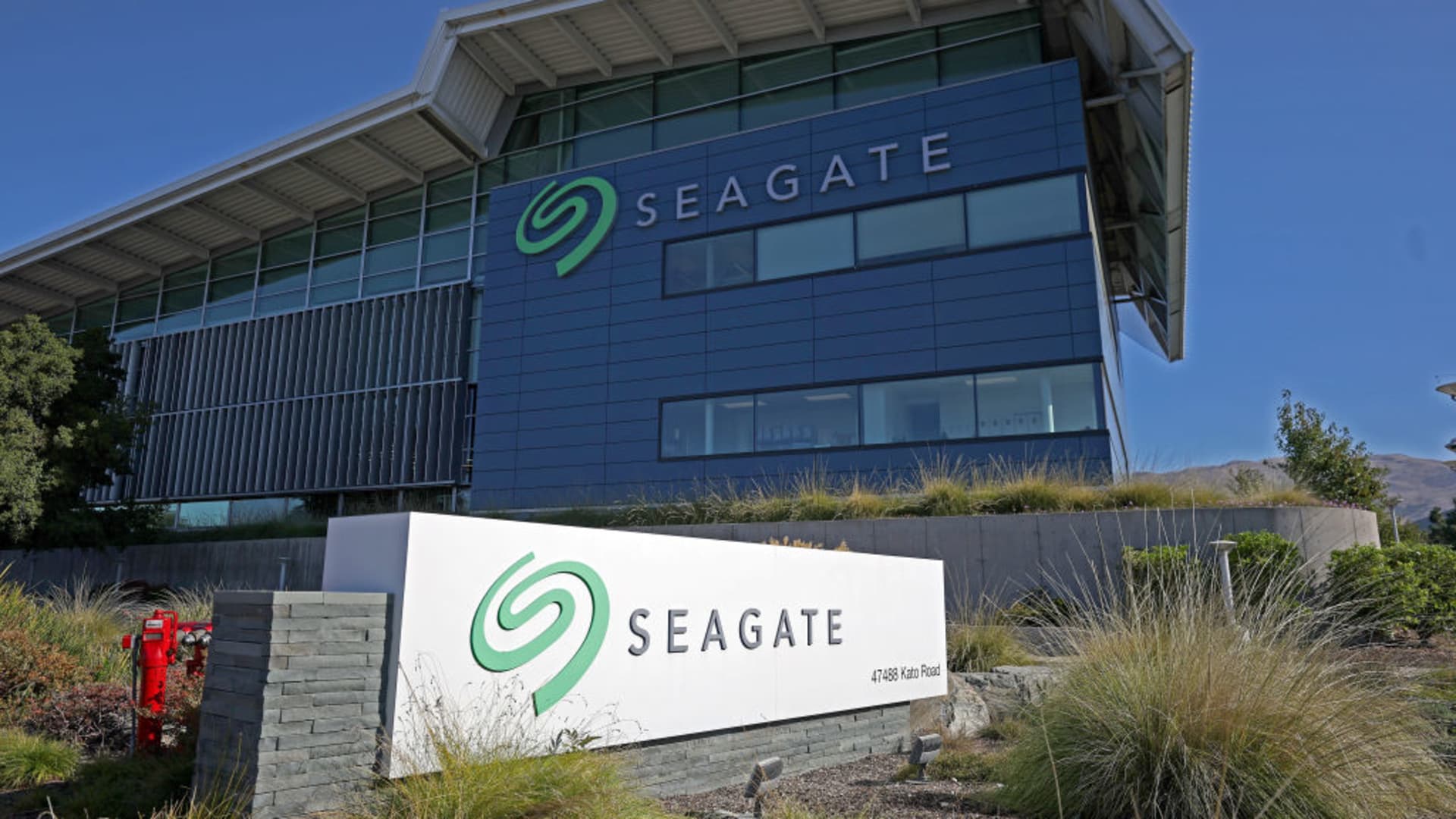
The burgeoning demand for artificial intelligence infrastructure is clashing head-on with a critical bottleneck: the inherent limitations in rapidly scaling Memory Chip Supply. Recent comments from Seagate’s CEO, Dave Mosley, have underscored the deep-seated challenge chipmakers face, sparking a significant sell-off across the sector and raising alarms for global digital transformation initiatives. This situation highlights a complex interplay between surging technological demand and the arduous realities of semiconductor manufacturing cycles.
🚀 Tech Strategy & Market Disruptions
- AI Demand Exceeds Production. The current buildout of AI infrastructure is creating unprecedented demand for memory, pushing chipmakers like Seagate to their limits.
- Protracted Factory Expansion. Seagate CEO Dave Mosley indicated that building new production facilities is too time-consuming, signaling a fixed capacity constraint in the near to mid-term.
- Market Volatility Intensifies. News of supply limitations triggered a significant sell-off in memory stocks, including Micron and Western Digital, reflecting investor anxieties over future growth potential.
On Monday, shares of memory chip manufacturer Seagate (STX) experienced a sharp decline, closing down over 6%, igniting a broader sell-off across the memory sector. This downturn followed remarks from CEO Dave Mosley at a JPMorgan conference, where he articulated the profound difficulty in quickly expanding factory capacity to meet the explosive demand driven by artificial intelligence. Mosley explicitly stated that diverting teams to construct new factories would ‘take too long,’ ultimately hindering technological advancement and the rate of growth for advanced memory solutions. This candid assessment immediately heightened concerns that chipmakers would struggle to adequately address the insatiable appetite for memory within the burgeoning AI ecosystem. The sentiment rippled quickly through the market, with shares of Micron (MU), SanDisk (SNDK), and Western Digital Corp. (WDC) all shedding approximately 5% of their value. These companies are central to the global Memory Chip Supply chain, and their performance is often seen as a bellwether for the broader semiconductor industry.
The industry has witnessed memory chip stocks soar in recent months, largely propelled by a torrent of AI investment, as these components are fundamental to the massive data centers powering AI applications. However, the semiconductor production lifecycle is notoriously lengthy, often spanning multiple quarters for a single unit. This inherent delay means that companies cannot simply ‘switch on’ more capacity in response to sudden demand surges. Investors are growing increasingly apprehensive about the sustainability of capturing this demand, especially given the lengthy lead times involved. For example, Mosley noted the ‘very long lead times’ and the company’s commitment to maintaining predictability for clients, stating they have four to five quarters of visibility for what’s being built, yet demand significantly outstrips this forecast. This dynamic has even spurred the CME Group to launch a new futures market for semiconductors, enabling traders to manage the volatility and rising costs of computing power, as reported by Reuters.
- The challenge for memory chip producers lies in balancing innovation cycles with the immense capital and time required for manufacturing expansion.
The current bottleneck in Memory Chip Supply creates a cascading disruption flow across the technology landscape. The inability to rapidly build new fabrication plants (fabs) and bring up new machinery leads directly to strained production capacity for advanced memory components. This directly translates into delays and increased costs for AI-centric data centers, which are already struggling to secure enough hardware. Consequently, the pace of AI model training, deployment, and overall innovation is impeded, affecting various sectors from cloud computing to autonomous systems. Ultimately, this supply constraint slows down the broader digital transformation efforts that rely heavily on robust, scalable AI infrastructure, potentially delaying market entry for new AI-powered services and altering competitive dynamics among organizations tracking global technology supply chains.
‘The strategic importance of semiconductor fabs cannot be overstated in today’s AI-driven economy. When a CEO states that expanding capacity ‘takes too long,’ it’s a stark reminder that physical infrastructure and manufacturing timelines remain critical limiting factors, even in an era of rapid software innovation. This impacts not just supply chains, but dictates the very pace of technological progress and national competitiveness in AI,’ remarked a lead solution architect at StockXpo.
Recent market performance for key memory sector players on Monday reflects acute investor sensitivity to supply constraints:
- Seagate (STX): Closed down >6%, leading the memory sector sell-off.
- Micron (MU): Experienced approximately a 5% decline.
- SanDisk (SNDK): Shares also closed around 5% lower.
- Western Digital Corp. (WDC): Saw its stock fall by roughly 5%.
Memory Chip Market Adoption Challenges
The surging demand from AI applications has illuminated fundamental challenges in the memory chip market’s ability to adapt. While the push for advanced silicon is strong, the infrastructure required to produce these chips involves capital-intensive investments and highly specialized engineering over many years. This creates an inertia where market adoption of new memory technologies, or even increased volumes of existing ones, can be hampered by an inability to scale production in parallel with demand curves. Companies are forced to prioritize existing product lines and established customers, potentially sidelining emerging technologies or smaller innovators who require similar components. Understanding these complexities is crucial for anyone following technology market trends and long-term industry shifts.
Semiconductor Ecosystem Expansion Potential
Despite the current capacity constraints, the broader semiconductor ecosystem holds significant potential for expansion, albeit on a longer timeline. Investments in new fab technologies, government incentives like the CHIPS Act in the U.S., and global collaborations aim to mitigate future supply shocks. The development of advanced packaging techniques, material science breakthroughs, and automation in manufacturing processes could incrementally improve throughput and efficiency without needing entirely new factories. Moreover, diversified sourcing strategies and a focus on resilient supply chains are becoming paramount for companies navigating these challenges, influencing how global technology companies structure their operations. For in-depth insights into these emerging technologies, exploring resources like the StockXpo technology section can be invaluable.
Seagate’s Production Conundrum: Implications for AI Infrastructure
Seagate’s frank admission regarding the protracted nature of factory expansion illuminates a critical chokepoint for the rapidly expanding AI sector. The inability to quickly ramp up Memory Chip Supply poses significant strategic challenges for companies building out AI data centers, potentially slowing the pace of innovation and driving up costs across the board. This situation demands a re-evaluation of current supply chain strategies and a deeper understanding of semiconductor manufacturing’s inherent lead times.
- The semiconductor industry’s long production cycles are now a primary constraint on AI-driven growth.
- Companies like Seagate are prioritizing existing capacity optimization over new, time-consuming factory builds.
- Market sentiment reflects increased investor sensitivity to supply-side limitations impacting future revenue potential.
How will technology leaders adapt their strategic roadmaps to navigate these persistent supply chain rigidities in the pursuit of AI dominance?
📊 StockXpo Analyst’s View
Market Impact: The explicit acknowledgment of supply limitations by a major player like Seagate signals a challenging period for the memory sector. While demand remains robust due to AI, the inability to meet it could cap revenue growth and compress margins in the short to medium term. This will likely lead to increased price volatility and a premium on companies with diversified supply chains or less reliance on immediate factory expansions. Investor sentiment will remain cautious regarding growth projections, favoring firms demonstrating supply resilience.
Sector To Watch: The immediate impact will be felt across the broader semiconductor and data center infrastructure sectors. However, the ‘Edge AI’ computing segment, which aims to reduce reliance on centralized, large-scale data centers, might see an accelerated push as enterprises seek to mitigate central capacity risks. Additionally, companies specializing in advanced chip design, material science, and manufacturing process optimization, which can improve throughput without entirely new fabs, warrant close observation. For more educational tech insights, readers might find valuable content on the StockXpo blog.
Financial Disclaimer:
StockXpo.com is a financial news aggregator and educational portal, not a registered investment advisor or broker-dealer. All information, news, and analysis provided herein are strictly for educational purposes and do not constitute investment, financial, legal, or tax advice. Investing in the stock market involves high risks, and past performance is not indicative of future results. StockXpo will not be liable for any financial losses or investment damages. Always consult a certified financial advisor before making market decisions.
MORE IN INSIDE TECHNOLOGY

Bond Yields Under Pressure: IMF Warns of ‘Disorderly’ Spike Driven by AI Debt and Inflation
Published: Tuesday, October 13, 2026 · 1:21 AM

AI Breakthroughs: TikTok CEO Predicts Major Scientific Leap Within Three Years
Published: Monday, October 12, 2026 · 2:40 AM