Published: Tuesday, June 9, 2026 · 9:25 PM | Updated: Tuesday, June 9, 2026 · 9:25 PM
📊 234 views




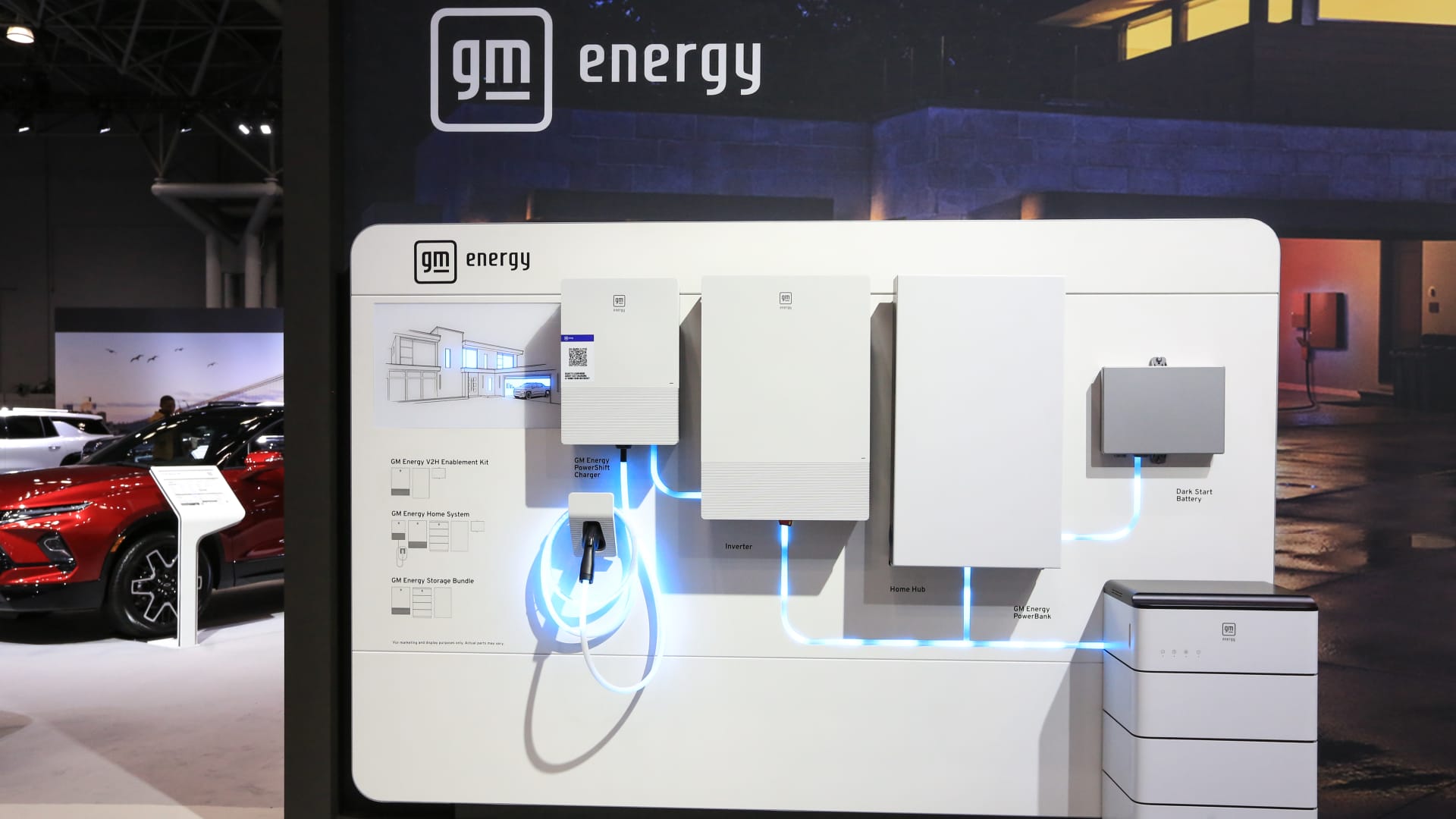
General Motors is aggressively pursuing advancements in battery chemistry, signaling a strategic pivot towards capitalizing on the burgeoning markets for AI-driven data centers and grid-scale energy storage. This initiative aims not only to enhance its electric vehicle offerings but also to unlock new revenue streams by addressing escalating energy costs and infrastructure demands.
🚀 Tech Strategy & Market Disruptions
- Sodium-Ion Advancement: GM is developing next-generation sodium-ion batteries, touting their potential for simplified grid-scale energy storage solutions that require less active cooling.
- Vehicle-to-Grid Integration: The automaker is enhancing vehicle-to-grid (V2G) capabilities for its EV owners, enabling vehicles to feed energy back into the electric grid and mitigate rising energy expenses.
- Market Synergies: These battery innovations are directly addressing the infrastructure needs and increased power consumption anticipated from the AI boom, creating a symbiotic relationship between automotive and data center sectors.
GM’s Battery Ambition Beyond EVs
GM’s foray into advanced battery chemistries, particularly sodium-ion, underscores a broader industry trend of automakers seeking to diversify beyond traditional vehicle manufacturing. The company’s collaboration with startup Peak Energy is a clear indicator of its commitment to exploring cost-effective and reliable energy storage solutions. These sodium-ion batteries are projected to offer significant advantages, including lower upfront and operational costs due to their potential to operate without active cooling systems, a critical factor for large-scale energy storage deployments. This move positions GM to potentially lead in providing robust energy infrastructure to support the rapid expansion of data centers driven by artificial intelligence workloads.
The push into energy storage is not solely about new chemistries; it also involves optimizing existing resources. GM is continuing its efforts in repurposing large EV batteries for energy storage systems, working with partners like Redwood Materials. Concurrently, its joint venture with LG Energy Solution is focused on producing more affordable lithium iron phosphate (LFP) battery cells. While LFP offers a near-term solution to leverage existing production capacity, GM views sodium-ion as its long-term strategic play for the energy storage market, anticipating it will eventually outperform even LFP in terms of energy density and cost-effectiveness.
- The development of sodium-ion batteries by GM is a response to the projected surge in energy demand from AI infrastructure.
- Simplified cooling requirements for sodium-ion batteries could significantly reduce the capital expenditure and operating expenses for grid-scale storage.
- GM’s dual strategy of developing new chemistries and repurposing EV batteries highlights a comprehensive approach to the energy storage market.
- Partnerships with entities like Peak Energy, which includes former Tesla and Lockheed Martin talent, signal a serious and experienced approach to battery innovation.
The AI Data Center Demand Wave
The escalating demand for computational power, fueled by the rapid advancements in artificial intelligence, is placing unprecedented strain on global energy grids and necessitating massive investments in data center infrastructure. This creates a significant market opportunity for companies capable of providing reliable and cost-effective energy storage solutions. GM’s strategic focus on battery technologies, including sodium-ion, directly aligns with this trend. The ability of these advanced batteries to offer higher energy density and operate under a wider temperature range, as noted by GM’s battery leader Kurt Kelty, provides a competitive edge in a market increasingly defined by cost pressures and geopolitical risks.
Furthermore, GM’s initiative to enhance vehicle-to-grid (V2G) capabilities for its EV owners is a dual-pronged approach. It offers consumers a tangible benefit by helping them offset rising electricity costs, while simultaneously contributing to grid stability and resilience. This is particularly relevant as residential electricity prices continue their upward trajectory. By forging partnerships with utility companies nationwide, GM is laying the groundwork for widespread V2G service adoption. The company’s commitment to integrating North American Charging Standard (NACS) ports across its EV lineup starting with the 2027 model year, and its ‘Energy Pass’ for seamless public charging, further solidifies its ecosystem approach to EV ownership and energy management.
GM’s strategic investment in sodium-ion battery chemistry for grid-scale energy storage is a forward-thinking move that directly addresses the confluence of AI-driven infrastructure growth and the imperative for sustainable, cost-efficient power solutions. This innovation has the potential to redefine the energy storage landscape, moving beyond incremental improvements in lithium-ion technology.
| Battery Chemistry | Key Benefits | Target Market | Projected Availability |
|---|---|---|---|
| Lithium Iron Phosphate (LFP) | Lower cost, leverages existing capacity | Energy storage systems | Current/Near-term |
| Sodium-Ion | No active cooling, lower complexity, wider temp range, potentially higher energy density | Grid-scale energy storage, AI data centers | Post-2028 |
GM’s Platform Architecture for Energy Systems
GM’s approach to energy storage is evolving into a comprehensive platform architecture. This involves not only the development of advanced battery cells but also the integration of software and hardware solutions that enable seamless energy management. The Ultium Cells joint venture is central to this, providing the manufacturing backbone for various battery types. The company is also investing in software solutions that facilitate V2G communication and grid interaction, ensuring that the energy stored in its vehicles and dedicated storage units can be effectively utilized. This layered architecture, from cell chemistry to grid integration, is crucial for establishing a robust and scalable energy ecosystem.
GM’s Market Adoption Challenges Ahead
Despite the promising technological advancements, GM faces significant hurdles in scaling its new battery chemistries and energy storage solutions. The primary challenge lies in the transition from pilot projects and development phases to mass production, particularly for sodium-ion technology, which is still maturing compared to lithium-ion. Ensuring consistent quality, supply chain robustness, and meeting stringent performance and safety standards for grid applications will be paramount. Furthermore, market adoption will depend on convincing utility companies, data center operators, and consumers of the tangible benefits and reliability of these novel solutions. The competitive landscape is also intense, with numerous players vying for dominance in the rapidly growing energy storage market.
GM’s Next Growth Phase: What We Think
GM’s strategic push into advanced battery chemistries like sodium-ion represents a significant step towards diversifying its business and capturing value beyond traditional automotive sales. The company is positioning itself to be a key player in the critical energy infrastructure required for the AI era.
- The focus on cost-effective, simpler battery solutions like sodium-ion is a smart response to the massive scale of data center energy needs.
- Enhanced V2G capabilities offer a dual benefit: consumer savings and grid stabilization, a trend likely to accelerate.
- GM’s integrated platform approach, combining hardware innovation with software management, is essential for its success in the energy sector.
GM’s Energy Storage Impact on AI Infrastructure
General Motors is strategically aligning its battery innovations with the burgeoning demand for AI infrastructure, signaling a significant shift towards becoming an integrated energy solutions provider. This move could redefine the operational economics of large-scale data centers and offer novel revenue streams for EV owners.
- The development of sodium-ion battery cells, potentially available post-2028, targets cost-effective and reliable grid-scale energy storage, directly supporting the power demands of AI.
- Vehicle-to-Grid (V2G) technology integration empowers EVs to act as distributed energy resources, mitigating grid strain and offering potential cost savings for consumers amidst rising electricity prices.
- GM’s efforts reflect a broader industry trend where automotive companies are leveraging their battery expertise to address infrastructure challenges beyond personal transportation.
📊 StockXpo Analyst’s View
Market Impact: GM’s aggressive push into advanced battery chemistries, particularly sodium-ion for grid-scale storage, is a significant development that could impact the broader energy storage market and suppliers of AI infrastructure components. Investor sentiment may see a positive shift as the company demonstrates a clear path to capitalize on new, high-growth sectors. This diversification could improve market liquidity for GM shares as it appeals to a wider investor base interested in energy transition and AI enablement.
Sector To Watch: The energy storage sector, including battery manufacturers and grid management solution providers, is poised for substantial growth. Companies enabling V2G integration and those supplying components for large-scale, cost-effective battery systems will likely see increased demand. Investors should monitor the progress of GM’s sodium-ion development and its partnerships in the utility sector.
Financial Disclaimer:
StockXpo.com is a financial news aggregator and educational portal, not a registered investment advisor or broker-dealer. All information, news, and analysis provided herein are strictly for educational purposes and do not constitute investment, financial, legal, or tax advice. Investing in the stock market involves high risks, and past performance is not indicative of future results. StockXpo will not be liable for any financial losses or investment damages. Always consult a certified financial advisor before making market decisions.
MORE IN INSIDE TECHNOLOGY

SK Hynix Shares Rebound: A Strategic Shift in Semiconductor Funding
Published: Friday, October 23, 2026 · 1:46 AM

AI Innovation Fuels Southeast Asia’s Digital Growth
Published: Thursday, October 22, 2026 · 12:36 AM