Published: Monday, May 18, 2026 · 8:54 PM | Updated: Monday, May 18, 2026 · 8:54 PM
📊 311 views




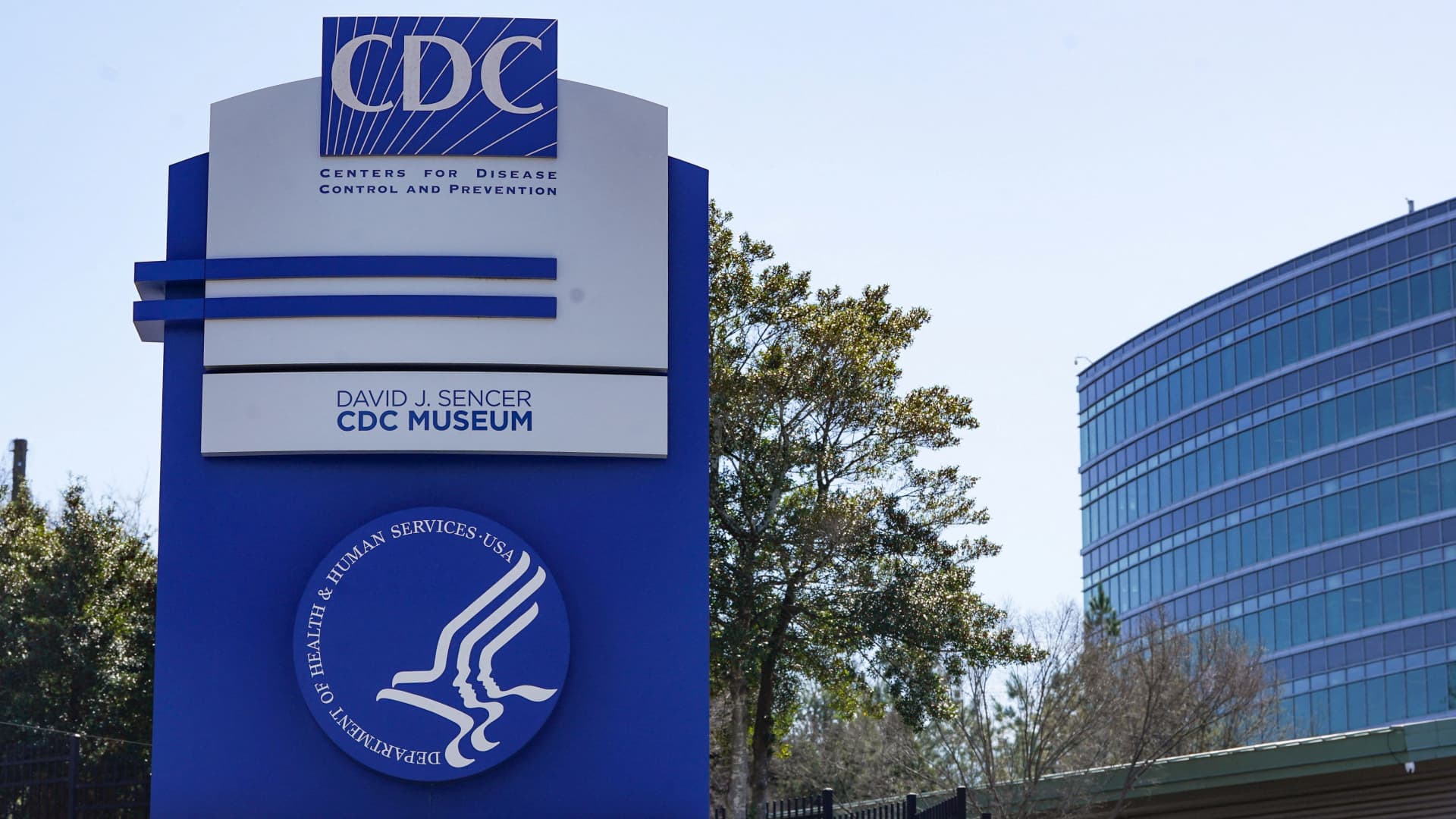
The detection of an American testing positive for the Bundibugyo strain of Ebola in the Democratic Republic of Congo has heightened global health concerns, prompting swift action from the CDC and WHO. This emerging situation underscores critical strategic challenges in public health infrastructure and biopharmaceutical readiness, particularly with a less common strain lacking existing vaccines. The rapid deployment of resources and implementation of travel restrictions highlight the operational agility required to mitigate potential global spread and protect economic stability from health crises. For deeper dives into general investment analysis, StockXpo offers valuable insights.
🗝️ Corporate Strategy Insights
- Urgent R&D Mobilization. The identification of the Bundibugyo strain, for which no vaccine or established treatment currently exists, necessitates immediate and significant capital allocation towards research and development in biopharma.
- Enhanced Operational Efficiency. The CDC’s swift response, including the evacuation of exposed Americans and implementation of travel restrictions, demonstrates a focus on operational efficiency in crisis management to prevent wider dissemination.
- Strategic Public Health Preparedness. The WHO’s declaration of a “public health emergency of international concern” signals the strategic imperative for nations to continually invest in diagnostic capabilities, surveillance, and rapid response mechanisms.
The Centers for Disease Control and Prevention (CDC) confirmed an American working in the Democratic Republic of Congo contracted Ebola, a development that triggered immediate action from global health organizations. This individual, exposed in the field, developed symptoms and tested positive for the Bundibugyo strain, a variant known for high death rates (25% to 50%) and for which no approved vaccine or specific treatment exists. The CDC and State Department are coordinating the individual’s transfer, along with six other exposed Americans, to Germany for specialized care and monitoring, underscoring complex logistical and medical challenges.
While the CDC emphasizes that the risk to the U.S. public remains low, the agency has proactively implemented travel restrictions for non-U.S. passport holders who have been in Congo, South Sudan, or Uganda within the last three weeks. This preventive measure follows the World Health Organization’s declaration of the outbreak as a “public health emergency of international concern,” signaling a recognition of the potential for broader regional spread despite currently localized reporting. Over 300 suspected cases and 88 suspected deaths have been reported primarily in Congo, with some spillover into neighboring Uganda, according to Reuters reporting. The unknown efficacy of existing Ebola vaccines against this particular strain presents a significant hurdle for disease control and highlights the need for rapid scientific innovation.
- Confirmed case of the Bundibugyo Ebola strain in an American.
- Lack of existing vaccines or treatments specifically for this strain.
- WHO declares “public health emergency of international concern.”
- CDC implements temporary travel restrictions to mitigate U.S. risk.
Strategic Ripple Effect: Public Health and Market Dynamics
The outbreak and subsequent public health declarations create a series of strategic ripple effects. First, the absence of a specific vaccine or treatment for the Bundibugyo strain will likely intensify research and development efforts within the biopharmaceutical sector, steering capital toward infectious disease platforms and rapid countermeasure development. This could lead to increased collaboration between public health agencies and private biotech firms. Second, the implementation of travel restrictions, even if temporary and targeted, highlights the vulnerability of global supply chains and the travel industry to health crises, potentially prompting re-evaluations of operational resilience by companies with international footprints. Lastly, heightened global awareness and the call for increased surveillance will undoubtedly lead to greater investment in public health diagnostics and rapid response systems across multiple nations, influencing governmental budgetary allocations and international aid programs.
The strategic imperative arising from this Ebola outbreak is the undeniable need for accelerated, diversified biopharmaceutical R&D, not just for prevalent strains but for novel and less common variants, underscoring the critical gap in global health preparedness that must be addressed with significant capital and collaborative effort.
Key Indicators of the Ebola Outbreak
Current indicators highlight the severity and potential for escalation of the current outbreak:
- Suspected Cases: Over 300 have been reported, primarily in the Democratic Republic of Congo and Uganda. This metric underscores the scope of the localized transmission and the challenge in containing its spread.
- Suspected Deaths: 88 deaths have been linked to the outbreak. This tragic indicator directly reflects the lethality of the virus and the urgency of medical intervention.
- Bundibugyo Death Rate: Historically, this specific Ebola strain has shown death rates ranging from 25% to 50%. This high mortality range emphasizes the critical need for effective treatment and containment strategies.
Biopharma Innovation: The Race for a Bundibugyo Solution
The emergence of the Bundibugyo strain without a specific prophylactic or therapeutic solution immediately puts a spotlight on biopharmaceutical companies. This situation acts as a powerful market signal for firms specializing in antiviral research, monoclonal antibody therapies, and rapid vaccine platforms. Strategic investment in “neglected” strains like Bundibugyo could unlock significant market opportunities, as governments and international organizations prioritize preparedness for future outbreaks. Companies demonstrating agile R&D capabilities and the ability to fast-track clinical trials for niche pathogens stand to gain significant competitive advantage and potential government funding for their initiatives. The current landscape demands a shift from reactive to proactive discovery, making intellectual property in broad-spectrum antivirals or adaptable vaccine technologies a valuable asset, a topic frequently covered by Bloomberg markets analysis.
Global Health Preparedness: Reinforcing the First Line of Defense
The WHO’s declaration and the CDC’s swift response underscore the strategic importance of robust global health preparedness. For nations, this means continuous investment in public health infrastructure, including diagnostic labs, trained medical personnel, and rapid-response logistical capabilities. From a corporate strategy perspective, companies involved in medical diagnostics, personal protective equipment (PPE) manufacturing, and cold chain logistics for vaccine/therapeutic distribution face increased demand and strategic relevance. Governments are likely to bolster strategic reserves and domestic manufacturing capacities, creating new contracting opportunities for firms that can guarantee supply chain resilience and rapid scalability during health crises. This emphasis on national and international health security redefines operational priorities for many sectors, pushing for greater integration between public and private health initiatives.
Ebola’s Unseen Challenge: Navigating a Novel Strain Threat
The current Ebola outbreak involving the Bundibugyo strain presents a critical strategic challenge for global public health and the biopharmaceutical industry. The absence of a specific vaccine or treatment amplifies the urgency for rapid R&D mobilization and reinforces the vital role of international collaboration in disease containment.
- Swift action by the CDC and WHO highlights advanced operational readiness, yet gaps in specific strain knowledge remain.
- The outbreak signals a renewed focus on funding and accelerating research for less common, high-mortality pathogens.
- Travel restrictions, though temporary, underscore the vulnerability of global interconnectedness to localized health crises.
How will the biopharma sector adapt its strategic R&D pipelines to address these emerging and often overlooked viral threats? For further educational insights into market dynamics, visit our blog.
📊 StockXpo Analyst’s View
Market Impact: While localized, this Ebola outbreak could generate modest positive sentiment for specific segments of the healthcare sector. We anticipate increased investor interest in companies involved in infectious disease diagnostics, vaccine development (especially platforms adaptable to novel strains), and public health infrastructure solutions.
Sector To Watch: The biopharmaceutical and medical diagnostics sectors are poised for potential strategic capital inflows. Firms with proven rapid response R&D capabilities or existing partnerships with global health organizations may see their market valuations reflect this heightened urgency for preparedness.
Financial Disclaimer:
StockXpo.com is a financial news aggregator and educational portal, not a registered investment advisor or broker-dealer. All information, news, and analysis provided herein are strictly for educational purposes and do not constitute investment, financial, legal, or tax advice. Investing in the stock market involves high risks, and past performance is not indicative of future results. StockXpo will not be liable for any financial losses or investment damages. Always consult a certified financial advisor before making market decisions.
MORE IN INSIDE BUSINESS
UnitedHealth Group’s Q3 Success: Strategic Plays Propel Profit Outlook
Published: Tuesday, October 13, 2026 · 6:55 AM

Delta Delays: Safety Concerns Push Saudi Arabia Service Launch to March
Published: Monday, October 12, 2026 · 10:44 AM