Published: Tuesday, June 9, 2026 · 2:18 PM | Updated: Tuesday, June 9, 2026 · 2:18 PM
📊 261 views




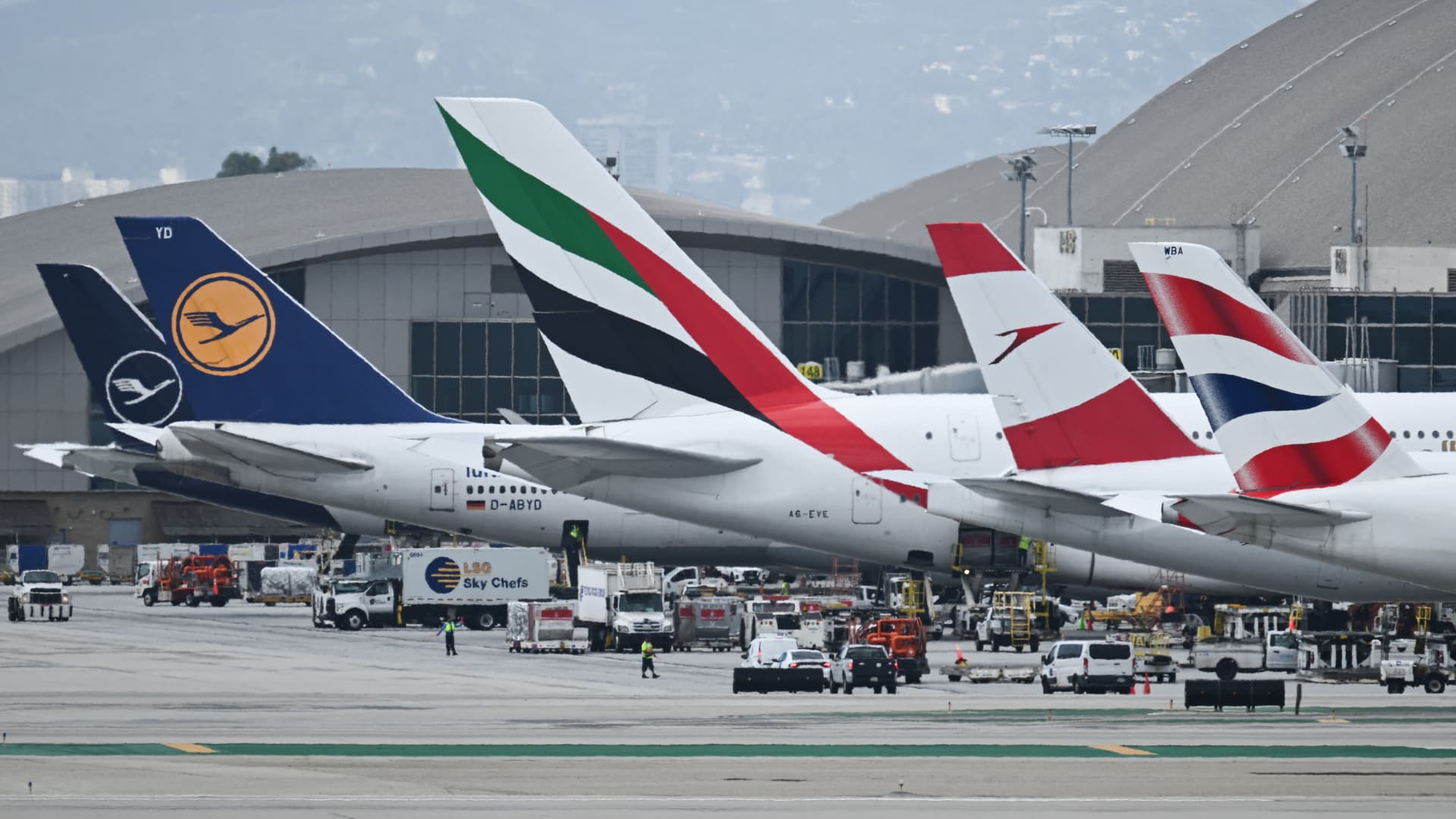
Hundreds of airline leaders recently convened at the International Air Transport Association’s annual assembly in Rio de Janeiro, grappling with a convergence of significant challenges. The discussions underscored the precarious profitability of the global aviation sector, heavily impacted by geopolitical instability and rising operational costs.
🗝️ Corporate Strategy Insights
- Profitability Erosion. Doubled fuel costs and regional airspace closures are projected to halve airline profits from $45 billion to $23 billion year-over-year, severely impacting net margins.
- Demand Resilience Amidst Uncertainty. Despite rising fares and geopolitical tensions, customer bookings remain surprisingly robust, suggesting underlying economic strength and a shift towards premium travel.
- Fleet Expansion Continues. Airplane manufacturers report no slowdown in orders, as airlines maintain long-term fleet planning, driven by a desire to secure capacity and upgrade to more efficient models.
The global aviation industry is facing a significant profit crunch. Fuel costs have more than doubled in many regions due to the prolonged closure of the Strait of Hormuz, directly impacting airline profitability. The International Air Transport Association (IATA) estimates a staggering $100 billion increase in global fuel expenses for airlines this year. This surge, coupled with travel disruptions from ongoing Middle East conflicts, is expected to cut airline profits by half, shrinking net margins from 4.2% in 2025 to an anticipated 2% in 2026. While fares have increased, they have not fully offset the escalating fuel bill.
Despite the grim financial outlook, airline executives noted a surprising resilience in travel demand. Antonoaldo Neves, CEO of Etihad Aviation Group, reported that booking numbers have largely recovered to pre-conflict levels after an initial dip. Scott Kirby, CEO of United Airlines, echoed this sentiment, highlighting that customers continue to book flights even with a roughly 20% fare increase. This resilience is attributed, in part, to a stronger-than-anticipated economy and the U.S. market’s relative insulation from oil supply shocks. Summer bookings are particularly strong, and airlines are actively managing capacity by cutting unprofitable routes and reducing flight frequencies to optimize operations under higher fuel price conditions.
The long-term strategic outlook for fleet expansion remains undeterred. Airplane manufacturers like Airbus and Boeing continue to see robust order books stretching into the next decade. Airlines typically plan fleet growth years in advance, and the substantial upfront costs of new aircraft are often factored into long-term capital allocation strategies. Etihad’s Neves indicated an intention to increase his airline’s existing order for dozens of planes, signaling confidence in future demand. While there’s a risk that customers might not exercise options for additional aircraft, manufacturers are not currently observing a widespread trend of cancellations, suggesting a sustained commitment to fleet modernization.
- Higher fuel prices are creating a challenging environment, potentially leading to the collapse of more price-sensitive carriers. Spirit Airlines’ recent bankruptcy filing serves as a stark reminder of these pressures.
- More financially robust airlines, those that have successfully capitalized on shifting demand towards premium travel and maintained stronger balance sheets, are better positioned to weather the storm.
- Engine reliability issues with new-generation fuel-efficient engines are a growing concern. Airlines are experiencing more unscheduled maintenance, negating some of the anticipated fuel savings and impacting operational efficiency.
The persistent high fuel costs are acting as a significant competitive disruptor. Airlines with weaker financial foundations and higher debt burdens are particularly vulnerable. The recent struggles and eventual bankruptcy of Spirit Airlines underscore how critical fuel prices have become as a factor in airline survival. This environment favors carriers with stronger cash reserves and a greater ability to absorb cost shocks, potentially leading to market consolidation and a widening gap between industry leaders and smaller, more exposed operators. This trend could redefine the competitive landscape of the airline sector, favoring established players with robust capital allocation strategies.
The promise of advanced, fuel-efficient engines is being tempered by unexpected reliability issues. While these new-generation powerplants offer substantial fuel savings, their tendency to require more frequent unscheduled maintenance is offsetting these benefits. This ‘engineering marvel’ comes at the cost of operational predictability and increased service expenses, impacting airlines’ ability to maintain flight schedules and manage costs effectively. Companies like GE Aerospace and Rolls-Royce are facing increased demand for repairs and overhaul capacity, highlighting the strain on the supply chain for critical aviation components. This engine reliability concern directly impacts operational efficiency and necessitates adjustments in maintenance and capital expenditure planning.
The escalating fuel expenses and engine reliability challenges directly impact airline operational efficiency and capital allocation. Airlines are being forced to re-evaluate their maintenance schedules, fleet deployment, and potentially delay or re-prioritize aircraft deliveries. This situation also creates opportunities for airline service providers specializing in engine maintenance and repair. Competitors that can offer more reliable engine solutions or efficient maintenance services may gain a significant advantage. The broader impact could be a slower pace of fleet modernization for some carriers, while others might accelerate investments in more robust, albeit potentially more expensive, engine options.
The current operational and economic turbulence, driven by fuel costs and engine reliability, is likely to consolidate the industry, benefiting well-capitalized airlines that can adapt quickly to these pressing challenges.
| Metric | 2025 (Projected) | 2026 (Projected) | Significance |
| Global Airline Net Profits | $45 billion | $23 billion | Indicates a substantial decline in industry profitability, signaling margin compression. |
| Global Net Profit Margin | 4.2% | 2.0% | Highlights the reduced profitability per dollar of revenue, impacting financial health. |
| Fuel Cost Increase | N/A | ~$100 billion | Represents a major operational cost burden for airlines globally. |
Airlines’ Strategic Response to Fuel Volatility
The airline industry is at a critical juncture, facing unprecedented operational and economic headwinds. The convergence of heightened fuel expenses and geopolitical instability demands agile corporate strategies and a keen focus on efficiency.
- Adapting to Margin Compression: Airlines must aggressively seek cost-reduction measures beyond fuel hedging, exploring operational efficiencies in ground operations, labor, and procurement.
- Customer Retention in a High-Fare Environment: Maintaining customer loyalty requires enhanced service offerings and loyalty programs, especially for carriers targeting the premium travel segment.
- Fleet Modernization Imperative: Despite current pressures, long-term fleet modernization remains crucial for fuel efficiency and competitive positioning, requiring careful capital allocation decisions.
Etihad Airways’ Fleet Growth Ambitions
Etihad Airways’ proactive approach to fleet expansion amidst industry challenges highlights a strategic bet on future demand and operational capability.
- Securing Future Capacity: The airline’s commitment to expanding its order book for new aircraft underscores a long-term vision for growth and market share.
- Investment in Modern Assets: Acquiring new planes signifies an investment in fuel efficiency and technological advancement, crucial for navigating high operating costs.
- Competitive Positioning: Expanding its fleet allows Etihad to enhance its route network and service offerings, strengthening its competitive stance against rivals.
Navigating the Profit Squeeze for Airline CEOs
The recent gathering of airline CEOs underscores a period of significant financial pressure for the industry, marked by rising fuel costs and operational complexities. The ability of these leaders to effectively manage these challenges will dictate the sector’s trajectory.
The primary focus for airline leaders must be on optimizing operational efficiency and fortifying their financial resilience. This includes not only managing immediate cost pressures but also making strategic investments that ensure long-term viability and market leadership.
- The current economic climate demands a sharp focus on cost control and operational excellence to mitigate the impact of soaring fuel prices.
- Strategic fleet management and a keen eye on technological advancements are vital for maintaining a competitive edge and achieving sustainability goals.
- Understanding evolving passenger demand, particularly the shift towards premium travel, is key to revenue generation and market positioning.
How will airlines adapt their capital allocation strategies to balance immediate cost pressures with long-term fleet modernization and sustainability goals?
### 📊 StockXpo Analyst’s View
Market Impact: The airline industry’s profit warnings and the pressures on smaller carriers suggest potential consolidation and increased volatility in related travel and fuel markets. Investors should monitor debt levels and operational efficiency metrics closely.
Sector To Watch: Aviation parts manufacturers and maintenance, repair, and overhaul (MRO) providers could see increased demand as airlines focus on extending the life of existing fleets and managing engine service requirements. Companies offering advanced engine diagnostics and repair solutions are well-positioned.
Financial Disclaimer:
StockXpo.com is a financial news aggregator and educational portal, not a registered investment advisor or broker-dealer. All information, news, and analysis provided herein are strictly for educational purposes and do not constitute investment, financial, legal, or tax advice. Investing in the stock market involves high risks, and past performance is not indicative of future results. StockXpo will not be liable for any financial losses or investment damages. Always consult a certified financial advisor before making market decisions.
MORE IN INSIDE BUSINESS

Dollar General Overcharges Lawsuit: A Warning on Consumer Trust
Published: Monday, October 26, 2026 · 3:55 PM

Wonder’s Ambitious Strategy: Texas Expansion, Automation, and an IPO Path
Published: Sunday, October 25, 2026 · 9:32 AM