Published: Tuesday, June 9, 2026 · 4:19 PM | Updated: Tuesday, June 9, 2026 · 4:19 PM
📊 253 views




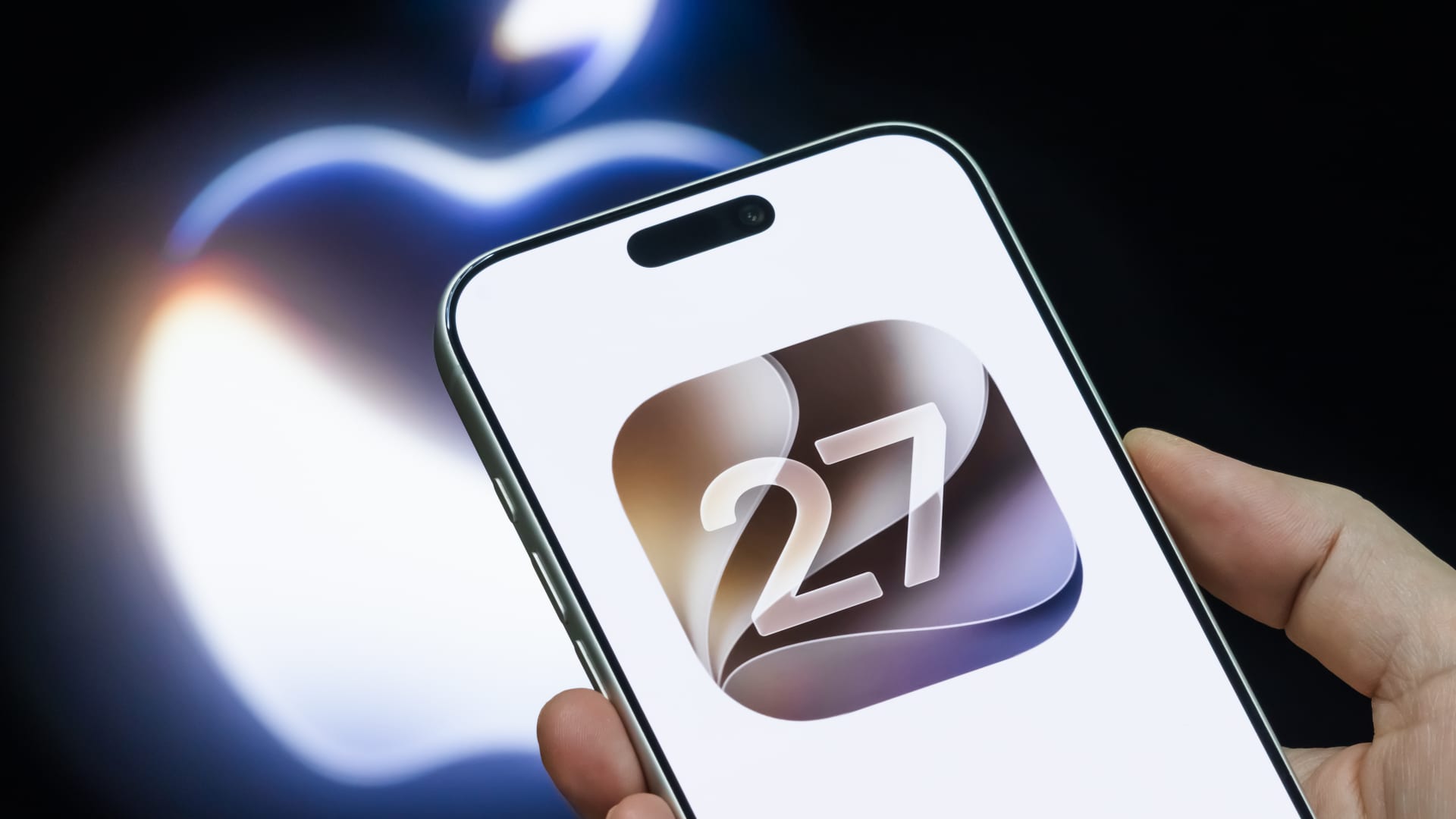
Apple’s much-anticipated unveiling of its advanced AI capabilities, branded as Apple Intelligence and featuring a revamped Siri, has unexpectedly led to a dip in its stock price. While analysts largely lauded the technological advancements, the market’s muted reaction, particularly the lack of a concrete release timeline for the most significant updates, has raised questions about the immediate impact on user adoption and hardware sales.
🚀 Tech Strategy & Market Disruptions
- AI Integration Frameworks. Apple has introduced new developer tools allowing third-party applications to leverage its on-device AI, fostering a richer user experience and potentially creating new revenue streams.
- Large Language Model-Powered Siri. The overhaul of Siri, now built on LLMs, aims to provide more conversational and context-aware interactions, a significant leap from its previous iterations.
- Strategic Cloud Partnerships. Collaborations with tech giants like Google and Nvidia for cloud-based AI processing highlight Apple’s strategy to augment its on-device capabilities with external computational power.
The market’s initial reaction saw Apple shares fall, a stark contrast to the usual post-WWDC surge. Analysts are weighing the long-term potential of Apple Intelligence against the immediate lack of tangible, time-bound product releases for the most advanced features. While the beta is available to developers, a full public release for Siri AI, especially, remains vague, contributing to investor uncertainty. This has led to a growing concern in technology market trends regarding the immediate adoption curve.
Goldman Sachs analysts pointed out that Apple’s AI integration could spur a substantial product refresh cycle. They also highlighted potential monetization strategies, such as usage limits on certain AI features like image generation, which could be tied to iCloud+ subscriptions. This suggests a dual approach to AI: enhancing the user experience while simultaneously creating new avenues for recurring revenue. The initial rollout in English and planned delays in China and Europe due to regulatory hurdles also present complexities in global market penetration.
- The lack of a firm release date for the full Siri AI implementation is a key factor contributing to the stock’s intraday sell-off, as noted by Baird analysts.
- UBS analysts expressed skepticism that these new AI features will be a significant driver of new iPhone demand, suggesting consumers have numerous existing choices.
- The potential for Apple to monetize AI through tiered access and subscription models, as proposed by Goldman Sachs, indicates a sophisticated go-to-market strategy.
The integration of advanced AI into personal devices is a pivotal moment for the tech industry, signaling a shift towards more intelligent and personalized user experiences. For Apple, this represents a crucial step in maintaining its ecosystem’s relevance and competitive edge. However, the execution of this strategy, particularly the phased rollout and the need to navigate global regulatory landscapes, will be critical for its success. Investors are closely watching how these AI capabilities will translate into tangible user benefits and, consequently, hardware sales and service revenue. This move also places Apple in direct competition with other tech giants rapidly advancing their own AI offerings, underscoring the dynamic nature of emerging technologies.
Apple’s strategy appears to be a measured, phased approach to AI integration, balancing on-device processing with cloud-based powerhouses. The key challenge lies in translating these technical advancements into a compelling, readily accessible user experience that drives hardware upgrades and strengthens customer loyalty in a highly competitive market.
Apple’s Next Growth Phase: Monetizing Intelligence
Apple Intelligence is positioned not just as an upgrade but as a potential driver for a new product refresh cycle. The monetization strategy, particularly the link between AI features and iCloud+ subscriptions, could significantly boost Apple’s recurring revenue streams. While immediate demand-driven spikes may be uncertain, the long-term ecosystem lock-in and enhanced utility of Apple devices could prove substantial.
- Market Impact: The initial stock reaction indicates investor caution, prioritizing concrete release timelines and immediate demand catalysts over long-term vision. However, the AI push could redefine user expectations and drive future hardware upgrades.
- Sector To Watch: Cloud computing providers and AI chip manufacturers, such as Google and Nvidia, stand to benefit from Apple’s expanded reliance on external processing power. The developer ecosystem for AI-enhanced applications is also poised for significant growth.
🚀 Apple’s Platform Architecture: Hybrid Intelligence
Apple’s architectural approach to Apple Intelligence is a testament to its strategy of blending on-device processing for privacy and speed with powerful cloud-based models for complex tasks. This hybrid model allows for enhanced performance without compromising user data, a critical differentiator in the AI landscape. The integration into existing frameworks like Xcode means developers can seamlessly incorporate these AI capabilities into their applications, accelerating ecosystem expansion.
💡 Apple’s Market Adoption Challenges
Despite the technological prowess, Apple faces significant hurdles in widespread market adoption. The phased rollout, starting with English-only support and encountering regulatory delays in key markets like China and Europe, could slow global uptake. Furthermore, convincing consumers that these new AI features are essential upgrades, rather than incremental improvements, will be crucial for driving hardware sales and preventing user commoditization.
Apple’s AI Ambitions Beyond the Immediate Buzz
The market’s short-term reaction to Apple’s AI announcements underscores the delicate balance between innovation and investor expectations. While the technical underpinnings of Apple Intelligence are impressive, the true test will be its seamless integration into the daily lives of users and its ability to foster a tangible demand for future Apple hardware and services. The company’s ability to navigate regulatory complexities and deliver on its AI promises will ultimately dictate its long-term success in this rapidly evolving technological frontier. For more insights, explore educational tech insights.
📊 StockXpo Analyst’s View
Market Impact: Investor sentiment is currently focused on execution risk and the delayed tangible benefits of Apple’s AI push. The stock’s reaction suggests a demand for quicker returns on innovation, potentially impacting overall market liquidity for growth stocks reliant on future tech adoption.
Sector To Watch: Companies specializing in AI-driven software services, personalized computing, and secure data processing are poised for growth as the industry shifts towards more intelligent, context-aware applications.
Financial Disclaimer:
StockXpo.com is a financial news aggregator and educational portal, not a registered investment advisor or broker-dealer. All information, news, and analysis provided herein are strictly for educational purposes and do not constitute investment, financial, legal, or tax advice. Investing in the stock market involves high risks, and past performance is not indicative of future results. StockXpo will not be liable for any financial losses or investment damages. Always consult a certified financial advisor before making market decisions.
MORE IN INSIDE TECHNOLOGY

SoftBank AI Investment: Malaysia’s $50 Billion Innovation Surge
Published: Monday, October 26, 2026 · 2:37 AM

SpaceX AI Chips: $40 Billion Deal Fuels Innovation-Driven Growth
Published: Sunday, October 25, 2026 · 9:35 PM