Published: Monday, May 18, 2026 · 10:56 PM | Updated: Monday, May 18, 2026 · 10:56 PM
📊 320 views




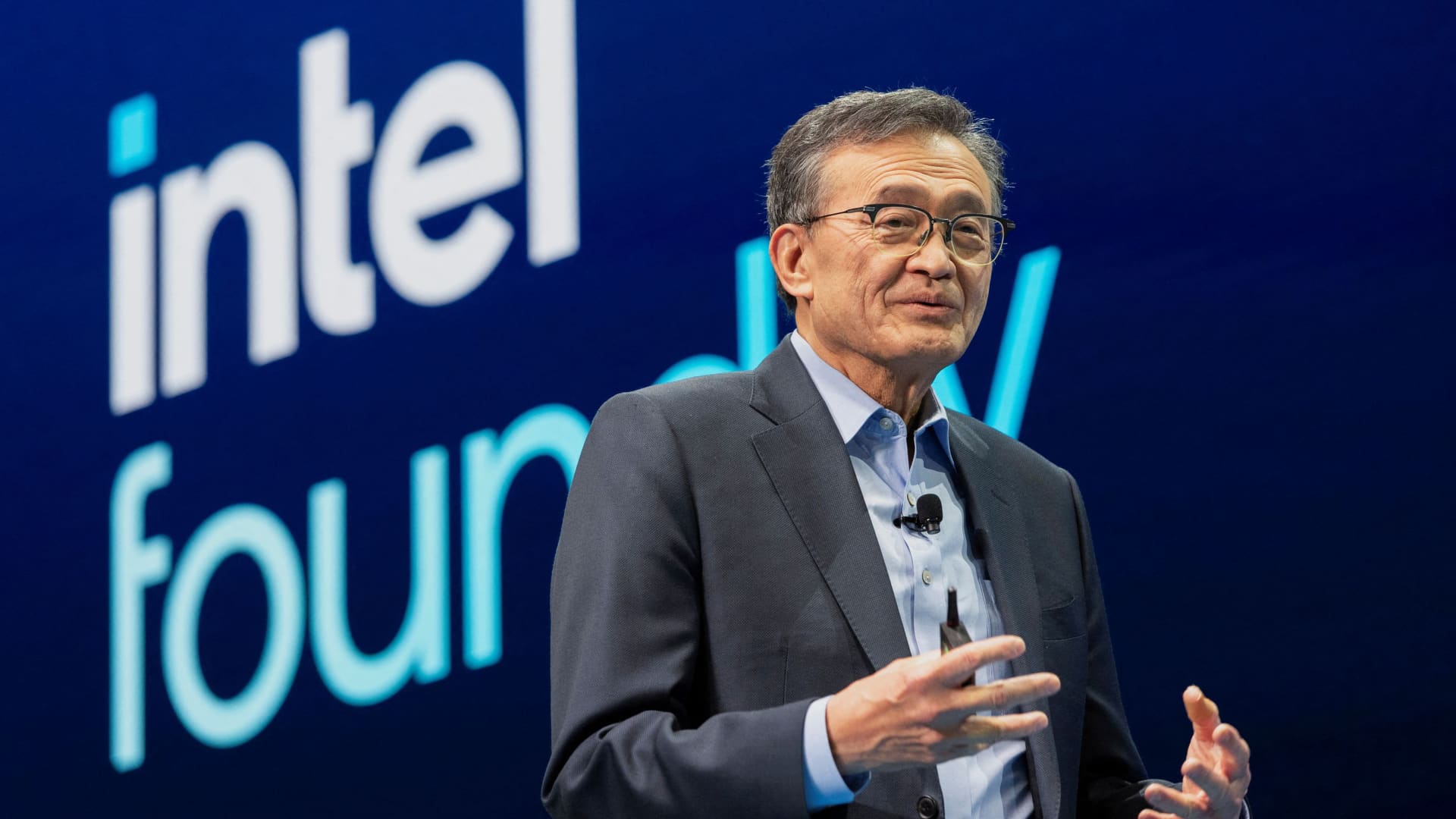
Intel’s ambitious push into the external manufacturing business, known as foundry, is showing significant promise, according to CEO Lip-Bu Tan. This strategic pivot, crucial for the chipmaker’s revitalization, is now gaining tangible Intel Foundry Momentum, driven by advancements in its core manufacturing processes and growing customer interest.
🚀 Tech Strategy & Market Disruptions
- Strategic Foundry Shift. Intel’s external manufacturing business is gaining critical traction, positioning it as a core component of the company’s turnaround and a national asset for semiconductor production.
- 18A Process Advances. CEO Lip-Bu Tan reported notable improvements in Intel’s advanced 18A manufacturing process, with yield rates exceeding expectations and fostering increased customer engagement.
- Reshaping U.S. Supply Chains. The foundry initiative is strategically vital for re-establishing advanced chip manufacturing capabilities within the U.S., thereby mitigating reliance on overseas facilities and enhancing national security.
Intel, under the leadership of CEO Lip-Bu Tan, is beginning to see its multi-billion-dollar foundry investment pay off, a move that analysts view as pivotal for the company’s long-term viability. Tan, who took the helm in March 2025, has overseen a remarkable surge in Intel’s shares, up over 300% as investors bet on his ability to stabilize the struggling chipmaker. The core challenge has been to make Intel’s manufacturing competitive with industry leaders like Taiwan Semiconductor Manufacturing Co. (TSMC), a goal that now appears more achievable. Tan specifically highlighted significant progress with the 18A manufacturing process, which he noted was ‘not good’ when he assumed leadership but is now showing promising results. This process is crucial for producing cutting-edge chips demanded by advanced computing applications.
Manufacturing yield, defined as the percentage of usable chips from each wafer, is a critical indicator of profitability and customer trust in the foundry business. Tan stated that Intel’s improvements have surpassed internal targets, with monthly yield improvements hitting 7% to 8%, a benchmark considered best practice in the industry. This tangible progress is directly translating into increased customer interest. More prospective clients are reportedly approaching Intel to leverage its foundry capabilities, signaling a potential shift in the highly competitive chip fabrication market.
Recent reports, including one that Bloomberg reported, suggested a preliminary agreement between Intel and Apple for chip production, potentially diverting some orders from TSMC. While Tan refrained from naming specific customers, he confirmed that Intel anticipates commitments from multiple foundry customers in the second half of the year. This aligns with earlier statements from CFO David Zinsner, who projected more concrete signals from external foundry customers in late 2026 and early 2027. The broader implication of this Intel Foundry Momentum extends beyond corporate earnings; it plays a critical role in strengthening the U.S. semiconductor supply chain, with new facilities like the Arizona plant utilizing the 18A process, a point Forbes highlighted as strategically significant.
- Strategic Re-shoring: The foundry business is framed as a national imperative to bring advanced processor manufacturing back to the U.S., where over 90% currently occurs overseas.
- Future Competitiveness: Intel’s upcoming 14A process is projected to compete directly with TSMC’s offerings, marking a significant technological breakthrough for the company.
- Operational Hurdles Remain: Despite progress, projects like the Ohio plant have faced substantial delays, pushing production start dates to 2030, highlighting the execution challenges inherent in large-scale fab construction.
The strategic importance of domestic chip manufacturing cannot be overstated, particularly as global reliance on a few overseas producers poses economic and national security risks. The push to build advanced fabs in the U.S., exemplified by Intel’s investments, aims to mitigate these vulnerabilities and create a more resilient supply chain for essential technologies powering everything from consumer electronics to artificial intelligence.
The demonstrable improvements in Intel’s 18A manufacturing yield directly lead to enhanced reliability and cost-effectiveness for potential clients. This increased trust and competitive pricing then encourages major technology firms, potentially including Apple, to consider Intel as a viable alternative to established foundry players. Such a shift would disrupt the current market concentration dominated by TSMC, fostering greater competition and potentially accelerating innovation across the semiconductor industry. Ultimately, this creates a more diversified and resilient global supply chain for critical components, directly impacting areas of emerging technologies and broader technology market trends.
The concept of ‘manufacturing yield’ is paramount in semiconductor fabrication. It represents the ratio of functional chips produced from a silicon wafer to the total number of chips possible. For a foundry business, a high and consistent yield is not just a measure of operational efficiency; it is the fundamental currency of customer confidence, directly impacting profitability and a company’s ability to attract and retain high-volume clients. Improving yield from a ‘not good’ state to industry best practices of 7-8% monthly signifies a profound shift in Intel’s engineering capabilities and process control.
Intel’s Market Adoption Challenges Ahead
Despite the positive momentum, Intel faces significant hurdles in scaling its foundry business to truly challenge TSMC’s entrenched dominance. Building customer loyalty in the foundry space requires not only competitive technology but also a long track record of consistent execution, transparent pricing, and robust intellectual property protection. Many fabless companies have deeply integrated design flows and supply chain relationships with existing foundries that are difficult to dislodge. Furthermore, the sheer capital expenditure required to maintain a leading edge in process technology demands continuous, massive investment, posing a financial strain that Intel is still navigating amidst its broader turnaround. Overcoming these adoption barriers will require strategic long-term commitments and perhaps innovative partnership models.
Intel’s Ecosystem Expansion Potential in the AI Era
The resurgence of Intel’s foundry capabilities comes at a pivotal moment, coinciding with an explosion in demand for specialized chips tailored for artificial intelligence and high-performance computing. This presents a massive opportunity for Intel to expand its ecosystem beyond traditional CPU manufacturing. By offering advanced process nodes like 18A and eventually 14A, Intel can attract a new generation of AI accelerator designers, custom silicon developers, and cloud providers looking for robust, domestic fabrication options. This expansion could also foster new partnerships in packaging technologies and heterogeneous integration, creating a more comprehensive solution offering that leverages Intel’s unique strengths across design, manufacturing, and software. Such moves could redefine its position among emerging technologies.
Intel Foundry Momentum: Navigating the Path to Global Leadership
Intel’s foundry business appears to be charting a credible path toward revitalization, moving beyond aspirational targets to demonstrate tangible progress in yield improvements and customer engagement. CEO Lip-Bu Tan’s leadership has clearly instilled a renewed focus on operational excellence, which is critical for competing in the high-stakes semiconductor manufacturing sector. The coming years will be crucial in determining if Intel can maintain this trajectory and solidify its position as a major foundry player.
- The ability to attract multiple significant foundry customers in the near term will be a key validation of Intel’s 18A process and overall execution.
- Sustained investment and disciplined project management are essential to overcome delays in key facilities, such as the Ohio plant, and scale production effectively.
- Achieving technological parity with TSMC on future nodes like 14A will define Intel’s long-term competitive standing and its role in global supply chain resilience.
Can Intel truly bridge the gap and become a dominant force in external chip manufacturing, thereby reshaping the global semiconductor landscape?
📊 StockXpo Analyst’s View
Market Impact: The positive news surrounding Intel’s foundry business could inject significant confidence into the broader semiconductor market, potentially stabilizing valuations and drawing investor attention to manufacturing capabilities. If Intel successfully secures major external contracts, it could temper concerns about over-reliance on a few dominant players, offering a new avenue for growth within the sector. This development may also prompt a re-evaluation of companies heavily reliant on a single foundry supplier.
Sector To Watch: Investors should closely monitor the entire semiconductor supply chain, particularly equipment manufacturers and material suppliers, as increased U.S. domestic fabrication activity would create substantial demand. Additionally, companies in the high-performance computing and AI chip design space, who are seeking diverse and secure fabrication options, will be prime beneficiaries. For more insights, refer to our latest expert analyst commentary.
Financial Disclaimer:
StockXpo.com is a financial news aggregator and educational portal, not a registered investment advisor or broker-dealer. All information, news, and analysis provided herein are strictly for educational purposes and do not constitute investment, financial, legal, or tax advice. Investing in the stock market involves high risks, and past performance is not indicative of future results. StockXpo will not be liable for any financial losses or investment damages. Always consult a certified financial advisor before making market decisions.
MORE IN INSIDE TECHNOLOGY

Porsche Profit Rebounds: A Bold Strategic Shift in Global Markets
Published: Tuesday, October 27, 2026 · 6:31 AM
SoftBank AI Investment: Malaysia’s $50 Billion Innovation Surge
Published: Monday, October 26, 2026 · 2:37 AM