
Published: Monday, May 18, 2026 · 3:37 PM | Updated: Monday, May 18, 2026 · 3:37 PM
📊 294 views




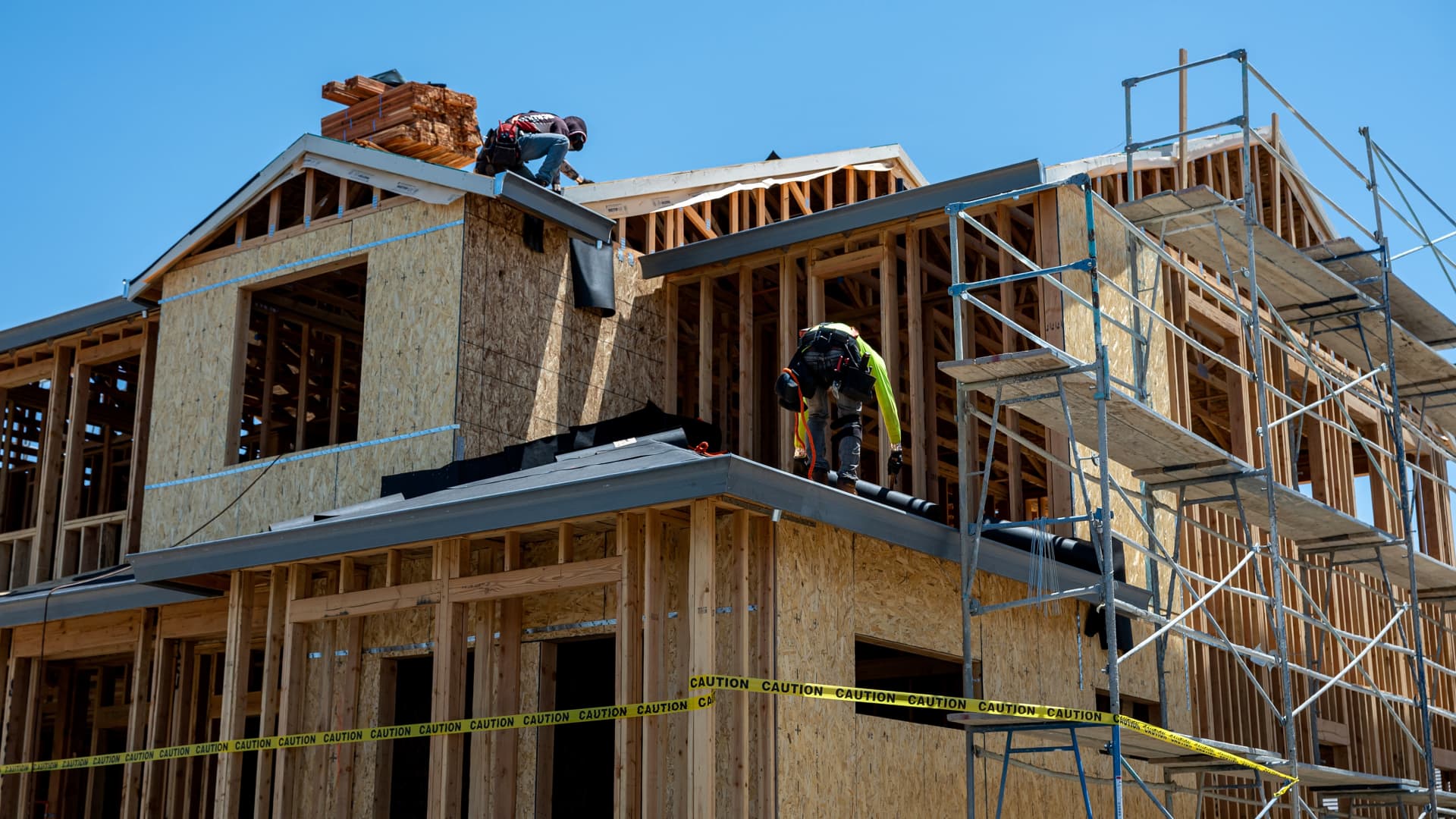
Homebuilder sentiment experienced an unexpected uplift in May, shaking off previous declines despite persistent economic pressures. This modest rise in confidence points to a potential late spring surge in housing demand, offering a glimmer of optimism for the broader real estate market.
🗝️ Corporate Strategy Insights
- Market Resilience. Despite elevated mortgage rates and broader economic uncertainty, homebuilder confidence saw an unexpected increase, suggesting underlying market resilience.
- Affordability Challenges. NAHB economists continue to highlight significant affordability hurdles for potential buyers, limiting widespread market recovery.
- Pricing Strategy Shift. Fewer builders reported cutting prices, indicating a stabilization in their pricing strategies even as incentives slightly increased.
The latest National Association of Home Builders (NAHB)/Wells Fargo Housing Market Index (HMI) saw a modest 3-point increase in May, reaching a reading of 37. This improvement in Homebuilder Sentiment defied economist expectations for a flat month, signaling a cautious optimism among builders despite a backdrop of rising mortgage rates, higher gas prices, and geopolitical concerns. While the index remains below 50—the threshold for positive sentiment—the uptick suggests that builders are perceiving a late spring surge in demand.
This is particularly noteworthy given that the average 30-year fixed mortgage rate now stands at 6.65%, according to Mortgage News Daily, a significant figure that continues to weigh on potential homebuyers, as highlighted by NAHB’s chief economist Robert Dietz. He noted that ‘Recent increases for long-term interest rates will continue to hold back home buyer demand,’ even as some regional markets, particularly in the Midwest, show pockets of strength. The improvement across all three HMI components—current sales conditions (up to 40), buyer traffic (up to 25), and future sales expectations (up to 45)—underscores a broader, albeit tentative, shift in builder outlook.
- NAHB/Wells Fargo HMI rose 3 points to 37 in May, defying flat expectations.
- Mortgage rates average 6.65%, lower than last year but still a headwind for demand.
- Fewer builders cutting prices (32% vs 36%), while incentives slightly rose (61% vs 60%).
Furthermore, the survey revealed fewer builders cutting prices in May, at 32% compared to 36% in April, suggesting a potential stabilization in pricing power. However, the use of sales incentives saw a slight increase to 61% from 60% in April, indicating that builders are still working to attract buyers in a challenging environment. These broader business dynamics impact the entire construction supply chain.
The slight rise in Homebuilder Sentiment creates a strategic ripple effect across the housing sector. If this sentiment translates into increased construction activity, it could lead to a modest expansion of housing supply in the latter half of the year. This potential influx of new homes, particularly in regions showing ‘relative strength’ as noted by NAHB, could offer some relief to inventory-starved markets. For publicly traded homebuilders, an improved outlook on future sales expectations (up to 45) might encourage more aggressive land acquisition and development strategies, potentially boosting their market share against smaller, more cautious competitors. However, the continued reliance on sales incentives, even as price cuts become less frequent, suggests that the market remains highly competitive, requiring builders to balance profitability with buyer attraction. This dynamic puts pressure on operational efficiency and effective capital allocation within the industry.
‘The subtle but unexpected uptick in homebuilder confidence highlights the underlying resilience of housing demand, even as affordability remains a significant hurdle. Builders are clearly navigating a delicate balance between managing input costs, pricing power, and buyer incentives to sustain sales volumes.’
- NAHB/Wells Fargo HMI (May): Rose 3 points to 37 (Expected: Unchanged). Significance: Indicates a marginal but unexpected improvement in builder confidence, defying flat expectations.
- 30-Year Fixed Mortgage Rate: 6.65% (Mortgage News Daily). Significance: Despite being lower than previous highs, rising rates remain a key constraint on buyer affordability.
- Builders Cutting Prices (May): 32% (April: 36%). Significance: Suggests a stabilization in pricing strategies, fewer deep discounts.
- Builders Offering Incentives (May): 61% (April: 60%). Significance: Continued reliance on incentives highlights competitive market conditions and buyer sensitivity to cost.
Adapting to the Evolving Housing Landscape
Homebuilders are increasingly tasked with a nuanced strategic challenge: balancing inventory levels against volatile interest rates and shifting regional demand patterns. The slight improvement in sentiment suggests a tactical adaptation to current market conditions, focusing on optimizing build times and product offerings to meet specific buyer segments. Companies that can efficiently manage their land pipelines and construction schedules are better positioned to capitalize on surges in demand while mitigating risks from potential market slowdowns, a key aspect of successful corporate growth. This agility will define market leadership in a less predictable environment.
Operational Efficiency: A Key Competitive Moat
In a market constrained by affordability and supply, operational efficiency is paramount for homebuilders seeking a competitive advantage. Leading firms demonstrate superior project management, strong supplier relationships, and effective labor utilization, allowing them to control costs and maintain healthy margins. This focus on optimizing the build cycle from groundbreaking to closing directly impacts profitability, especially when facing fluctuating material costs and labor shortages. Such efficiencies enable builders to offer more competitive pricing or absorb higher financing costs, making their product more attractive to buyers even as global market trends continue to influence investment analysis.
Homebuilder Sentiment’s Path Ahead: What to Watch
The modest improvement in Homebuilder Sentiment signals a cautious stabilization in the housing market, driven by a late spring demand surge. While challenges like high mortgage rates persist, builders are adapting their strategies to navigate current headwinds and find opportunities in specific regional markets.
- Market resilience, though fragile, suggests underlying demand that prevents a sharper downturn.
- Builders are showing less willingness to cut prices, pointing to a potential firming of pricing power.
- Affordability remains the primary barrier to broader market recovery and sustained growth.
Can this nascent optimism translate into sustained growth, or will persistent affordability issues continue to cap the housing market’s potential?
📊 StockXpo Analyst’s View
Market Impact: This news, while modest, offers a slight positive signal for investor sentiment in the housing sector. It suggests that even with higher rates, there’s underlying demand resilience, preventing a steeper decline in market liquidity. Investors might eye companies with strong balance sheets and diversified geographic exposure, looking for educational insights.
Sector To Watch: Homebuilding stocks and related materials/components suppliers could see renewed, albeit cautious, interest. However, sustained growth hinges on interest rate stability and an easing of affordability pressures, making the mortgage lending sector also critical to monitor for shifts.
Financial Disclaimer:
StockXpo.com is a financial news aggregator and educational portal, not a registered investment advisor or broker-dealer. All information, news, and analysis provided herein are strictly for educational purposes and do not constitute investment, financial, legal, or tax advice. Investing in the stock market involves high risks, and past performance is not indicative of future results. StockXpo will not be liable for any financial losses or investment damages. Always consult a certified financial advisor before making market decisions.
MORE IN INSIDE BUSINESS
American Express Workforce Cuts: A Strategic AI Preparation
Published: Friday, October 23, 2026 · 9:50 AM

American Airlines loss forecast: Strategic Capacity Slowdown Expected
Published: Thursday, October 22, 2026 · 8:40 AM


