Published: Monday, May 18, 2026 · 1:03 PM | Updated: Monday, May 18, 2026 · 1:03 PM
📊 289 views




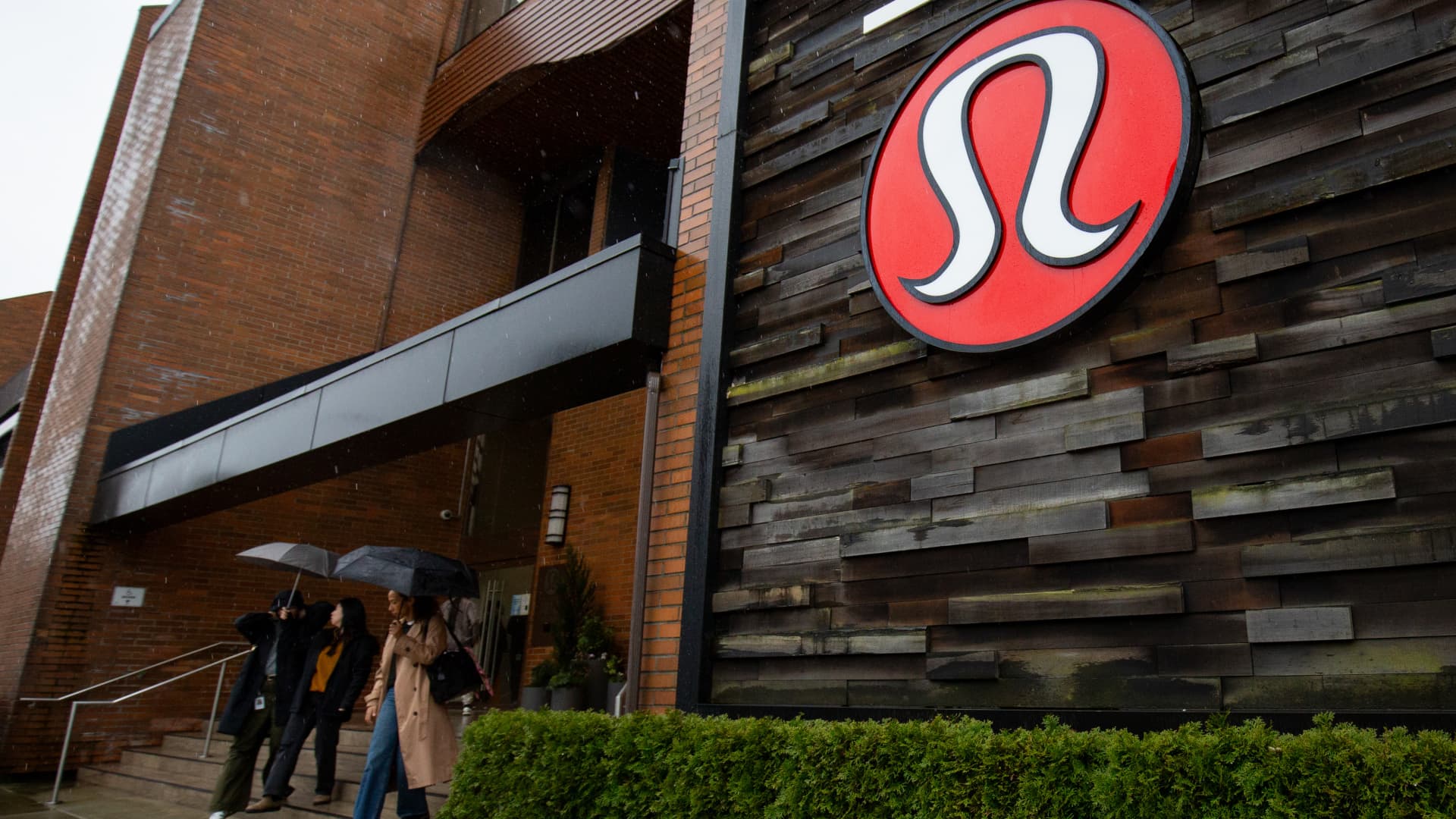
Lululemon is engaged in a fierce public proxy battle with its founder, Chip Wilson, marking a critical juncture for the athleticwear giant’s governance and strategic direction. This high-stakes confrontation underscores the challenges of founder influence post-departure and highlights the board’s commitment to its current turnaround plan and incoming leadership amidst softening market conditions. The outcome could significantly shape investor confidence and the future operational efficiency of a key player in the athleisure sector.
🗝️ Corporate Strategy Insights
- Boardroom Clash Escalates. Lululemon publicly challenged Chip Wilson, calling his views ‘outdated’ and ‘misguided’ in a letter to shareholders, following failed settlement talks.
- Strategic Direction Under Fire. Wilson accuses the current board of ‘deprioritizing creative excellence’ and proposes alternative nominees he believes would foster greater innovation.
- Leadership Defense. Lululemon defends its board and incoming CEO, Heidi O’Neill, citing her extensive experience at Nike and her balanced approach to creativity and operational discipline.
The public spat between Lululemon and its founder, Chip Wilson, reveals a deep ideological divide concerning the company’s future. Wilson, who stepped down as CEO in 2005 and chairman in 2013, has escalated his long-standing criticism of the board, initiating a proxy fight to install his own slate of directors. He argues that Lululemon’s recent struggles, particularly in the Americas where sales have softened and competition from brands like Vuori and Alo Yoga has intensified, stem from a neglect of ‘creative excellence.’ This focus on design and innovation is a core tenet of his proposed leadership, positioning his nominees as ‘more proven, creative leaders.’
Lululemon, however, strongly refutes Wilson’s claims, portraying him as a disruptive force with ‘troubling conflicts of interest,’ including admitting to advising direct competitors. The company emphasizes that its current leadership has been instrumental in scaling the brand into an $11 billion enterprise. The board is staunchly backing its nominees, which include seasoned executives from corporate governance trends, Levi Strauss, Unilever, and Gap, highlighting their deep industry knowledge and corporate governance experience. This move demonstrates the company’s commitment to stability and a measured approach to market challenges, despite shares being down almost 43% this year. The board believes Wilson’s nominees lack the requisite public company board experience or apparel/retail expertise, potentially jeopardizing the brand’s recovery efforts.
- Market Headwinds: Lululemon faces a challenging environment with tariffs, a cautious U.S. consumer, and stiff competition, impacting its financial performance and requiring strategic agility.
- Leadership Transition: The controversy surrounds the incoming CEO, Heidi O’Neill, whose extensive Nike background is viewed by Wilson as a potential hinderance to ‘transformative, creative-first leadership.’ Lululemon, conversely, extols her as an ideal executive with a ‘unique balance of creativity and operational discipline.’
- Governance at Stake: Shareholders are tasked with choosing between two distinct visions for the company’s future leadership and strategic priorities at the upcoming annual meeting on June 25.
This proxy battle creates significant strategic ripple effects for Lululemon and the broader athleisure industry. A leadership change, whether partial or complete, could lead to a shift in product development focus or marketing strategies. If Wilson’s nominees gain influence, a renewed emphasis on ‘creative excellence’ might differentiate Lululemon from competitors but also introduce execution risks if current operational efficiencies are compromised. Conversely, maintaining the current board and leadership could signal stability, but also means the pressure remains on incoming CEO Heidi O’Neill to deliver a swift turnaround in a highly competitive market. Competitors like Vuori and Alo Yoga, which have capitalized on the cooling athleisure trend and diversified product lines, could benefit from any internal disarray or perceived strategic missteps at Lululemon. The market will be watching closely to see if company strategy can regain its product innovation edge while maintaining its strong brand identity, which is crucial for defending its premium positioning against a crowded field. Any prolonged internal conflict might divert management attention away from critical market adaptation and international expansion efforts, potentially impacting market share.
The public escalation of this boardroom conflict highlights the inherent tension between a founder’s vision and evolving corporate governance, demanding a clear articulation of strategic priorities to reassure investors and maintain brand equity.
Key Operational Indicators Under Scrutiny:
- Share Performance: Shares down almost 43% this year, reflecting investor concern over market pressures and internal friction.
- Americas Market Pressure: Weakness in its largest market indicates a need for revitalized product assortment and consumer engagement strategies.
- Fiscal 2026 Guidance: Issued weak guidance, forecasting impacts from tariffs and the ongoing proxy battle on its bottom line.
These indicators underscore the urgency for Lululemon to resolve its leadership dispute and clearly articulate a path to regain growth momentum in a challenging retail landscape.
Lululemon Strategic Analysis: Navigating Market Pressures
Lululemon’s current strategic dilemma is multifaceted, extending beyond the boardroom drama. The company operates in a dynamic athleisure market that has seen significant growth but is now facing a slowdown and increased fragmentation. Its premium pricing model demands consistent product innovation and strong brand loyalty, which are currently being tested by agile upstarts and changing consumer preferences. The company’s reliance on the Americas market, where it’s experiencing softness, emphasizes the need for a diversified geographical strategy and a product pipeline that resonates broadly. The focus on operational efficiency, while critical for profitability, must be balanced with the ‘creative excellence’ that defined its early success, as argued by Wilson. The incoming CEO, Heidi O’Neill, faces the immense task of revitalizing product lines, optimizing supply chains, and reigniting consumer enthusiasm, all while navigating a potentially contentious shareholder base. Success will hinge on her ability to integrate her experience from Nike into Lululemon’s unique brand ethos and market position.
Lululemon Competitive Advantages: A Brand Under Review
Despite current challenges, Lululemon retains several core competitive advantages that underpin its market leadership. Its strong brand equity, built on a foundation of quality, community engagement, and a distinct lifestyle proposition, remains formidable. The company’s direct-to-consumer model, with its extensive network of stores and robust e-commerce platform, provides valuable customer insights and control over the brand experience. Furthermore, its loyal customer base, often referred to as a ‘cult following,’ offers a resilient revenue stream. However, these advantages are increasingly being tested by competitors who offer similar aesthetics and performance at varying price points. Brands like Vuori and Alo Yoga are chipping away at its market share by innovating in fabric technology, expanding product categories, and leveraging digital marketing effectively. Lululemon’s ability to maintain its premium positioning and defend its competitive moat will depend on its capacity to consistently deliver superior product innovation and a compelling customer experience that justifies its higher price points, offering valuable educational insights for the industry.
Lululemon’s Future: Charting a Course Beyond Boardroom Strife
The ongoing proxy contest casts a shadow over Lululemon’s immediate future, making the upcoming shareholder vote a pivotal moment for its strategic direction and market standing. The resolution of this internal conflict is crucial for management to fully focus on addressing persistent market pressures and restoring investor confidence.
- The shareholder vote on June 25 will determine the future composition of Lululemon’s board, directly influencing strategic priorities.
- Incoming CEO Heidi O’Neill’s success will depend on her ability to quickly implement effective turnaround strategies and re-energize product innovation.
- Sustained brand strength and market leadership require a unified vision, free from prolonged internal governance battles.
Can Lululemon’s strategic resolve overcome founder activism and reignite its growth trajectory in a rapidly evolving athleisure market?
### 📊 StockXpo Analyst’s View
Market Impact: This public confrontation could introduce short-term volatility for Lululemon shares, as investor uncertainty regarding future governance and strategic stability increases. A clear resolution, regardless of outcome, is vital to alleviate this pressure and allow the stock markets to price in the company’s long-term potential more accurately. Continued internal disputes may dampen broader investment in growth-oriented retail and impact global financial markets.
Sector To Watch: The athleisure sector will be under the microscope. This battle highlights the intense competition and evolving consumer preferences. Investors should watch how Lululemon’s direct competitors, particularly premium brands like Vuori and Alo Yoga, capitalize on any perceived weakness or strategic shifts, potentially gaining market share or influencing valuations across the industry.
Financial Disclaimer:
StockXpo.com is a financial news aggregator and educational portal, not a registered investment advisor or broker-dealer. All information, news, and analysis provided herein are strictly for educational purposes and do not constitute investment, financial, legal, or tax advice. Investing in the stock market involves high risks, and past performance is not indicative of future results. StockXpo will not be liable for any financial losses or investment damages. Always consult a certified financial advisor before making market decisions.
MORE IN INSIDE BUSINESS
American Express Workforce Cuts: A Strategic AI Preparation
Published: Friday, October 23, 2026 · 9:50 AM

American Airlines loss forecast: Strategic Capacity Slowdown Expected
Published: Thursday, October 22, 2026 · 8:40 AM