Published: Thursday, October 29, 2026 · 5:34 AM | Updated: Thursday, October 29, 2026 · 5:34 AM
📊 12 views




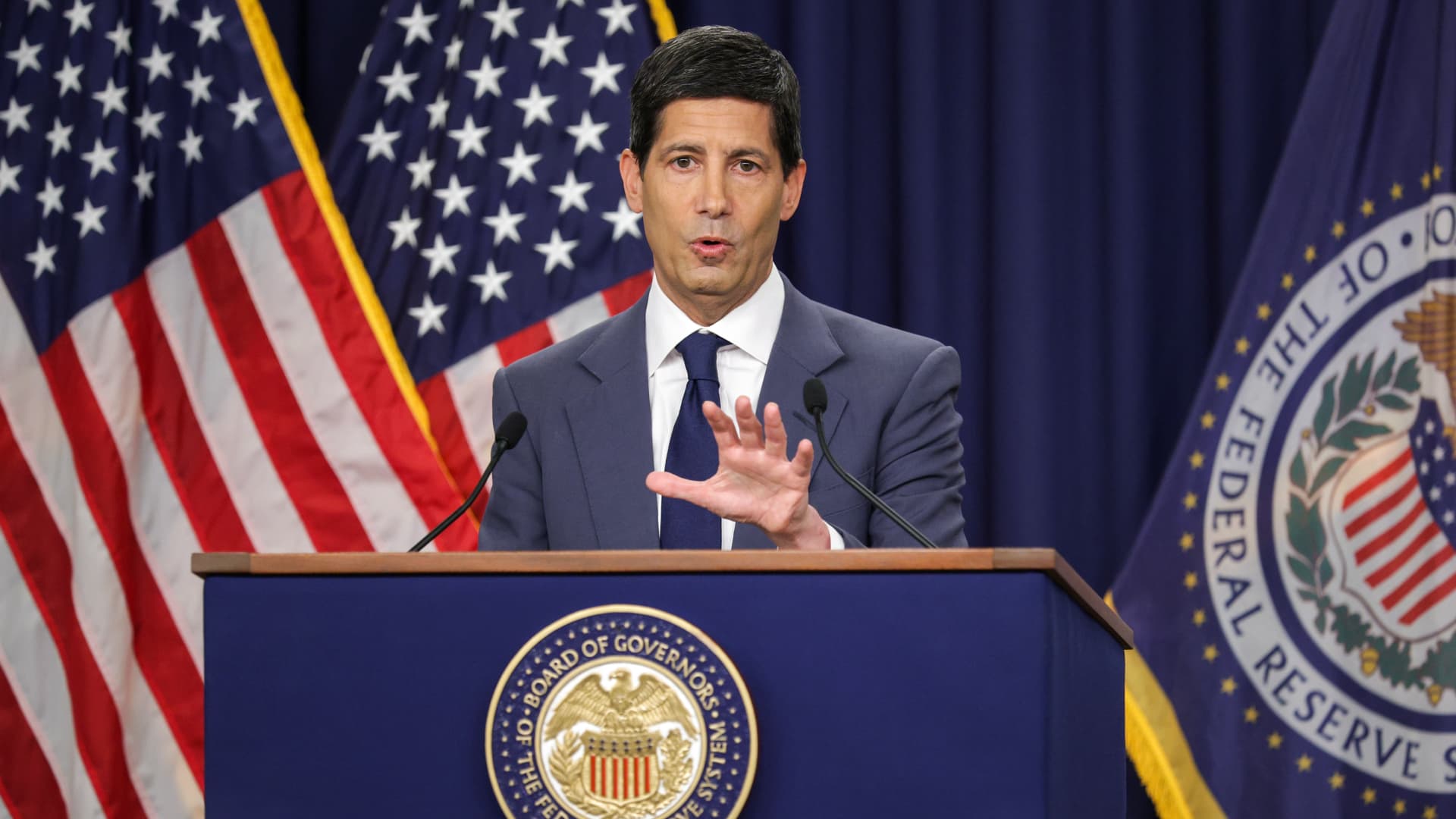
The Federal Reserve, under Chairman Kevin Warsh, is undergoing a significant transformation in both its operational approach and its influence over global markets. This pivotal shift in the Fed’s Power signals a more assertive and less transparent central bank, navigating persistent inflation while strategically recalibrating market expectations.
📊 Macro-Economic Strategic Insights
- Evolving Fed Leadership. Chairman Warsh is adopting a more enigmatic communication style, moving away from explicit forward guidance to maintain policy flexibility and market suspense.
- Hawkish Stance on Inflation. Despite holding rates steady in October, Warsh’s rhetoric firmly indicates a commitment to the 2% inflation target, signaling potential future rate increases if price pressures persist.
- Institutional Reshaping. Significant structural changes are underway at the Federal Reserve, including reducing the frequency of scheduled FOMC rate votes, centralizing influence, and altering how inflation is measured.
Warsh’s Calculated Moves: Navigating Inflation and Market Sentiment
Federal Reserve Chairman Kevin Warsh’s recent press conference on October 28, 2026, underscored a deliberate shift in his leadership style, moving from an initially perceived defensive posture to one of strategic ambiguity. This evolution marks a pivotal moment for the central bank, as Warsh seeks to wield the Fed’s influence more subtly while simultaneously reshaping its internal mechanisms. Observers note a stark difference from his earlier appearances, where he often seemed to react to external pressures, particularly from a president advocating for lower interest rates.
His approach now prioritizes intellectual flexibility, maintaining policy options open rather than locking the Fed into a predetermined course. This was evident in his refusal to definitively state the Fed’s next move, emphasizing, ‘If we had a firm conclusion about the conduct of monetary policy, we’d announce it to much fanfare today.’ Yet, he simultaneously laid the groundwork for future tightening, asserting, ‘While overall financial conditions are tighter, I’m unwilling and unable to call them tight.’ This delicate balance allows the Fed to preserve its agility, particularly in response to persistent inflation.
Sources close to the Fed suggest that Warsh is orchestrating a more centralized communication strategy. While he publicly disavowed direct involvement in tempering market expectations through his lieutenants, the markets clearly received the message that an October hike was off the table. This plausible deniability provides a new channel for ‘forward guidance’ without formal commitments, a departure from traditional transparency norms. The September rate hike, following earlier holds despite inflation above the 2% target, effectively reasserted Warsh’s credibility in combating price increases, silencing critics who doubted his resolve.
Warsh’s commitment to the 2% inflation target is unequivocal. He explicitly stated, ‘If you think that we’re tolerating some inflation target somewhere in the twos, let us disabuse you of it.’ This firm declaration sets a clear policy direction, implying a readiness for further rate increases should economic data, especially regarding inflation, necessitate such action. Furthermore, the chairman has initiated task forces aimed at reforming how the Fed measures inflation, suggesting a proactive stance on policy development.
- Strategic Ambiguity: Warsh’s communication style now favors calculated vagueness, providing flexibility in monetary policy decisions.
- Inflation Vigilance: The Fed remains steadfast on its 2% inflation target, prepared to act with further rate hikes if warranted by economic conditions.
- Institutional Reform: Changes to FOMC voting schedules and inflation measurement methodologies signify a lasting impact on the Federal Reserve’s operational framework.
Monetary Policy’s Reach: Unpacking Economic Consequences
The evolving stance and communication strategy of the Federal Reserve under Chairman Warsh carry significant ramifications for the broader economy. His inclination towards higher rates, coupled with a less predictable communication style, creates a complex environment for businesses, consumers, and financial markets. This interplay directly influences borrowing costs, investment decisions, and overall economic activity.
Less Transparent Communication → Increased Market Volatility → Higher Risk Premium for Investments.
Hawkish Stance on Inflation → Anticipation of Higher Rates → Increased Borrowing Costs for Businesses and Consumers.
Reduced FOMC Vote Frequency → Centralized Decision-Making → Potentially Less Diverse Regional Economic Input in Policy.
In macroeconomics, ‘plausible deniability’ within central bank communication refers to a strategy where policymakers subtly signal intentions through unofficial channels or carefully worded remarks, allowing them to influence market expectations without committing to formal guidance. This approach preserves policy flexibility but can also introduce uncertainty, impacting investor behavior and economic forecasts.
Key Economic Indicators Influencing Fed Decisions
While the article doesn’t provide specific quantitative metrics for GDP or CPI, it emphasizes the Fed’s keen focus on inflationary trends and overall financial conditions. The upcoming data releases before the December FOMC meeting will be crucial. These indicators help the Fed assess the need for further tightening or, conversely, if rising productivity allows for growth without inflation.
- Inflation Rates: The Consumer Price Index (CPI) and Personal Consumption Expenditures (PCE) are critical metrics. Persistent readings above the 2% target will likely trigger further hawkish responses from the Fed.
- Financial Conditions: Metrics like interest rates, credit spreads, and equity valuations are monitored to gauge the impact of monetary policy. Warsh’s comment that conditions are ‘tighter, but not tight’ suggests room for further tightening.
- Productivity Growth: An increase in productivity could potentially allow for stronger economic growth without exacerbating inflation, offering the Fed more flexibility.
Monetary Policy Commentary: A New Era for Fed Guidance
Warsh’s tenure is distinctly characterized by a re-evaluation of how the Federal Reserve conducts and communicates monetary policy. The decision to reduce the number of scheduled FOMC votes on interest rates for 2027 and 2028 is a bold move to diminish the influence of routine ‘Fedspeak’ and streamline the decision-making process. This initiative centralizes more authority with the chairman, allowing for greater strategic agility. While proponents argue this reduces market noise and focuses attention on substantial policy shifts, critics express concerns about potential reductions in transparency and accountability.
This new era of Fed guidance, therefore, involves a more nuanced approach to market communication, where formal pronouncements are less frequent but potentially more impactful. The ability for the chairman to call impromptu meetings to adjust rates further underscores this centralized authority. The implications for stock markets and bond yields are significant, as investors will need to decipher signals from a less explicit central bank, potentially leading to more volatile reactions to unexpected policy moves or economic data releases.
Inflationary Risks: The Fed’s Persistent Battle
The most pressing challenge facing Warsh’s Fed remains the persistent threat of inflation, which has consistently run above the targeted 2%. The chairman’s resolute rhetoric against ‘tolerating some inflation target somewhere in the twos’ clearly indicates a readiness to deploy higher rates as necessary. This stance positions the Fed on a path of vigilance, with every new data release scrutinized for signs of either moderating price pressures or continued inflationary momentum. Economist Robert Sockin’s assessment that holding rates was a ‘policy mistake’ highlights the ongoing debate within expert circles regarding the appropriate pace of tightening.
Indeed, the risk of a ‘gradual Fed’ having to hike higher later, mechanically raising recession risk, as Sockin suggests, is a critical consideration for those monitoring economic forecasts. The Fed’s determination to bring inflation under control, even at the risk of slower growth, underscores the seriousness with which Warsh views price stability. The broader implications for global economic policy and stability hinge on the Fed’s ability to navigate this tightrope walk effectively, ensuring that its actions foster systemic growth without triggering undue economic contraction.
The Enduring Impact of Fed’s Power on Market Stability
Chairman Warsh’s calculated reassertion of the Fed’s power signals a new, less predictable era for monetary policy. His strategic approach, marked by disciplined communication and institutional reform, aims to anchor inflation expectations while retaining maximum flexibility. This shift carries significant implications for market stability, requiring investors to adapt to a more opaque, yet potentially more effective, central bank.
- The Federal Reserve is deliberately shifting towards a less transparent communication style, favoring strategic ambiguity over explicit forward guidance.
- Chairman Warsh remains steadfast in his commitment to a strict 2% inflation target, signaling a readiness for further rate hikes if economic data warrants.
- Institutional changes, such as reduced FOMC vote frequency, underscore a centralization of power and a new operational framework for the central bank.
How will global markets adjust to a more enigmatic Federal Reserve, and what will be the ultimate cost of prioritizing flexibility over explicit transparency in the fight against inflation?
📊 StockXpo Analyst’s View
Market Impact: Warsh’s strategic ambiguity and hawkish bias will likely introduce short-term volatility as markets attempt to front-run Fed policy without clear signals. Higher-for-longer rate expectations could strengthen the dollar and put downward pressure on bond prices. Investors should brace for increased uncertainty and a greater focus on underlying economic data rather than Fed pronouncements.
Sector To Watch: The financial sector, particularly banks, could benefit from a steeper yield curve driven by higher rates, improving net interest margins. Conversely, growth-oriented sectors and highly leveraged companies might face headwinds due to increased borrowing costs and a less accommodative monetary environment. For deeper market insights, maintaining vigilance on tech and real estate sectors is crucial.
Financial Disclaimer:
StockXpo.com is a financial news aggregator and educational portal, not a registered investment advisor or broker-dealer. All information, news, and analysis provided herein are strictly for educational purposes and do not constitute investment, financial, legal, or tax advice. Investing in the stock market involves high risks, and past performance is not indicative of future results. StockXpo will not be liable for any financial losses or investment damages. Always consult a certified financial advisor before making market decisions.
MORE IN INSIDE ECONOMY
UK Budget Unveils Stability: Tackling Inflation and Boosting Growth
Published: Wednesday, October 28, 2026 · 11:13 AM
Fed Rate Hikes: December Surge Expected Amid Stubborn Inflation
Published: Tuesday, October 27, 2026 · 7:34 AM