Published: Wednesday, October 28, 2026 · 11:13 AM | Updated: Wednesday, October 28, 2026 · 11:13 AM
📊 10 views




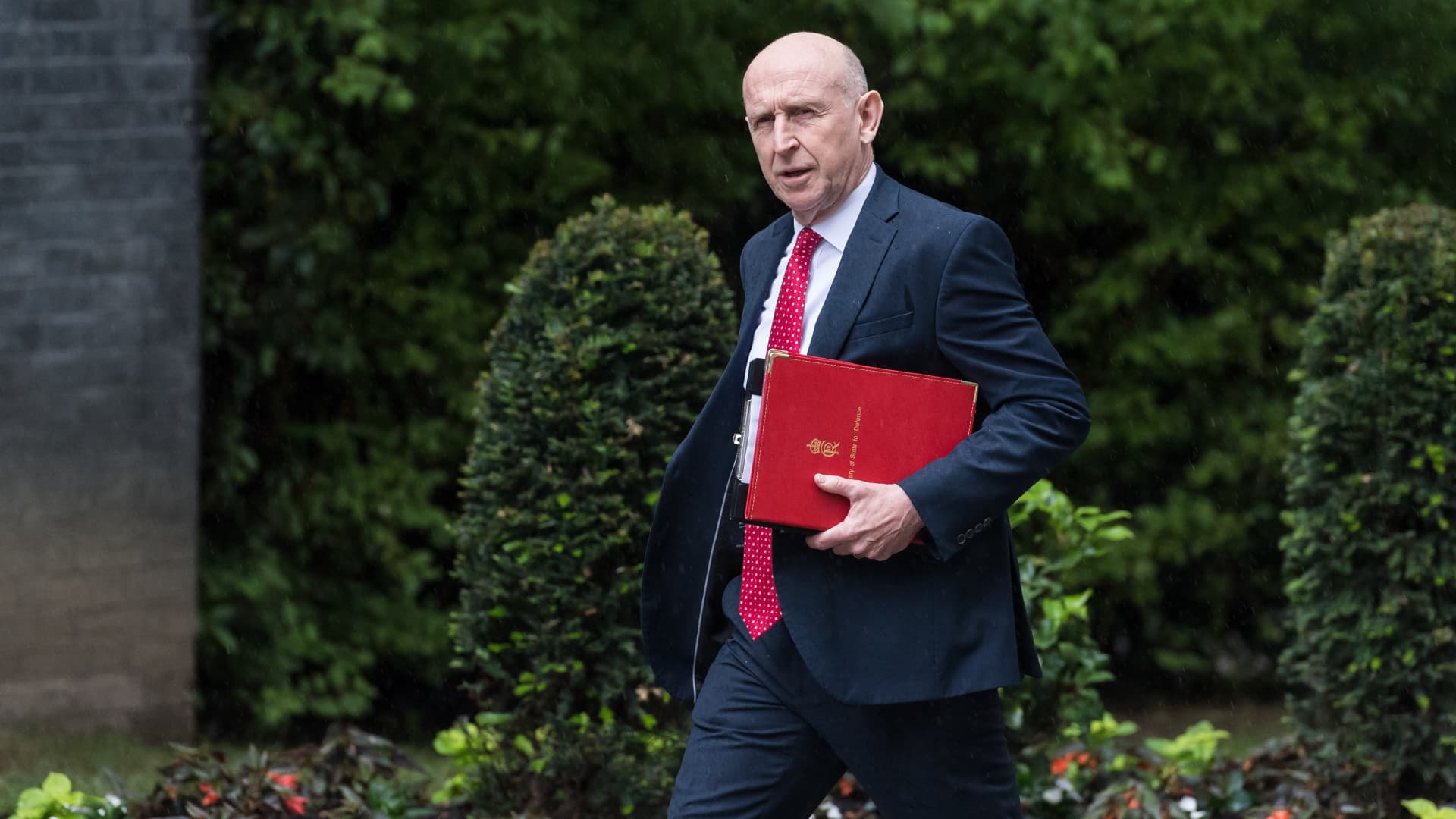
The UK Budget, delivered by Finance Minister John Healey, marks a critical fiscal inflection point for the nation, aiming to balance immediate cost-of-living relief with long-term strategic investments in defense and artificial intelligence. This comprehensive fiscal shake-up, occurring amidst persistent inflation and global geopolitical tensions, has significant implications for both domestic economic stability and the UK’s standing in the international arena, particularly concerning its investment analysis framework.
📊 Macro-Economic Strategic Insights
- Cost-of-Living Focus. The budget prioritizes ‘breathing space’ for households through energy bill cuts, tax breaks, and direct payments, directly addressing the 3.5% inflation rate.
- Strategic AI Investment. Significant funding is allocated to AI development and regulation, alongside tax breaks for founders, aiming to position the UK as a leader in emerging technologies.
- Elevated Defense Spending. An additional £10 billion for Ukraine and a commitment to raise defense spending to 3% of GDP by 2030, and 3.5% by 2035, underscores a response to evolving global threats.
- Fiscal Prudence Maintained. Adherence to fiscal rules, with OBR forecasting declining national debt and £15 billion of fiscal headroom by 2029/30, signals a commitment to long-term financial health.
Finance Minister John Healey’s inaugural UK Budget has charted a multi-faceted path, meticulously designed to alleviate immediate economic pressures while strategically fortifying the nation’s future. The core of his plan revolves around providing tangible relief to citizens grappling with a cost-of-living crisis, primarily driven by external energy shocks and global conflicts like the U.S.-Iran war. Measures such as removing standing charges on household gas bills, extending electricity tax breaks, and distributing £100 checks to lower-income households are projected to cost £2.6 billion, demonstrating a direct intervention to support consumer spending power. This intervention is complemented by the removal of tariffs on over 100 grocery products and an extension of business rates relief for hospitality, retail, and leisure sectors, aiming to ease inflationary pressures and support small enterprises.
Beyond immediate relief, the UK Budget places a significant emphasis on future economic drivers. Healey announced substantial investments in artificial intelligence, focusing on both development and regulation, establishing a ‘covenant’ for data centers that mandates local investment and job creation in exchange for critical infrastructure support. Tax breaks for founders, including a reduced capital gains tax rate on gains up to £10 million, are intended to stimulate innovation and entrepreneurship, fostering a robust tech ecosystem. Simultaneously, defense spending is set to increase substantially, with an additional £10 billion directed towards Ukraine and a long-term commitment to reach 3.5% of GDP by 2035, affirming the UK’s geopolitical stance and NATO obligations.
To fund these ambitious initiatives without jeopardizing fiscal stability, the budget introduces revenue-raising measures primarily targeting sectors deemed capable of contributing more. A temporary 3% increase in the bank surcharge, bringing it to 6%, alongside new taxes on gambling and vape shops, aims to generate revenue ‘from those who can afford to pay.’ Notably, the government avoided tax rises on wages or dividends, seeking to protect household incomes. Despite the increased tax burden on banks, the market response was unexpectedly positive, with shares in major London-listed lenders like Barclays, Lloyds Banking Group, and NatWest Group rising, indicating that the measures were less severe than feared by the sector, reflecting positive sentiment in the broader stock markets. The Office for Budget Responsibility’s (OBR) forecasts of sustained economic growth and declining national debt provide a critical backdrop for these fiscal decisions, reinforcing the government’s commitment to its established fiscal rules.
The Macro-Economic Ripple Effect of Fiscal Adjustments
The UK Budget’s multifaceted approach is designed to trigger specific macro-economic effects:
- Energy Bill Cuts & Direct Payments → Increased Household Disposable Income → Stimulated Consumption → Potential GDP Uplift (short-term).
- Minimum Wage Rise (3.9%) → Enhanced Consumer Purchasing Power → Wage-Price Spiral Risk (moderate) or Demand-Side Inflation (mild).
- Increased Bank Surcharge → Reduced Bank Profit Margins → Potential Lending Restraints (marginal) or Shift in Financial Sector Dynamics.
- AI & Founder Tax Breaks → Increased Innovation & Investment → Long-Term Productivity Gains → Enhanced Economic Competitiveness.
- Higher Defense Spending → Government Expenditure Increase → Demand Stimulation (defense sector) → Potential Crowding Out Effect (long-term).
- Fiscal Rules Adherence → Improved Investor Confidence → Lower Government Borrowing Costs → Greater economic policy stability.
Understanding Fiscal Headroom: Fiscal headroom refers to the margin a government has between its forecast public finances and its self-imposed fiscal rules. A positive headroom, like the £15 billion projected by the OBR for the UK, indicates the government has flexibility for future tax cuts or spending increases without breaching its debt and deficit targets, offering a buffer against unforeseen economic shocks.
Key Economic Metrics and Outlook
| Metric | Current / Forecast | Significance |
|---|---|---|
| Inflation Rate (September) | 3.5% | High inflation remains a key pressure point, prompting BoE rate hike expectations and budget relief measures. |
| National Debt as % of GDP (2027 est.) | 83.8% (rising slightly) | Indicates the government’s borrowing burden relative to economic output; forecast to decline post-2027. |
| GDP Growth Forecast (Current Year) | 1.2% | Reflects economic expansion; OBR upgraded its forecast, suggesting resilience despite global headwinds. |
| Fiscal Headroom (2029/30) | £15 billion | Represents the financial buffer for future policy flexibility, crucial for long-term fiscal planning. |
Global Geopolitical Tensions and UK Inflationary Risks
The U.S.-Iran war was explicitly cited by Finance Minister Healey as a contributor to inflationary pressures, particularly affecting energy prices in the UK, a net energy importer. This direct acknowledgment highlights the interconnectedness of global conflicts with domestic economic stability. The UK’s vulnerability to external shocks, especially in energy markets, means that geopolitical tensions in key producing regions can rapidly translate into higher import costs and domestic inflation. The budget’s focus on energy bill relief is a direct response to this vulnerability, attempting to shield households from volatile international commodity markets. Such risks necessitate careful monitoring of international relations and their potential impact on supply chains and commodity prices, as reported by Reuters on global financial trends.
The UK’s Path to AI Sovereignty
Healey’s emphasis on AI security and sovereignty, coupled with a ‘covenant’ for data centers, signals a strategic intent to not only foster innovation but also protect national interests in the burgeoning artificial intelligence sector. By setting ‘strict tests’ for data centers—requiring investment in local communities, job creation, and water protection—the UK is attempting to blend technological advancement with responsible development and national security. This approach seeks to ensure that critical AI infrastructure contributes directly to the domestic economy and remains resilient against external threats. The tax breaks for founders further underscore an ambition to cultivate homegrown AI champions, positioning the UK as a competitive player on the global AI stage, a sentiment echoed in Bloomberg’s economic analysis.
The UK Budget’s Long-Term Stability Play
The recent UK Budget represents a pragmatic attempt to navigate immediate economic headwinds while laying foundations for future growth and resilience. By balancing targeted relief for households with strategic investments in key sectors and a commitment to fiscal discipline, the government aims to project an image of stability and foresight. This budget is less about grand gestures and more about methodical, sustained economic management.
- The budget’s adherence to fiscal rules and positive OBR forecasts signal confidence to domestic and international investors.
- Strategic investments in AI and defense aim to bolster the UK’s long-term competitive edge and security posture.
- Targeted cost-of-living measures are crucial for maintaining social cohesion and preventing deeper economic distress.
Will this calculated blend of short-term relief and long-term investment be sufficient to insulate the UK economy from ongoing global volatility and achieve sustained macro-stability?
### 📊 StockXpo Analyst’s View
Market Impact: The measured approach of the UK Budget, particularly the less-than-feared bank tax hike, has provided a degree of clarity and stability for financial markets. The fall in gilt yields suggests investor confidence in the government’s fiscal management, while the rise in bank shares indicates a relief rally. This contributes positively to overall market liquidity and investor sentiment, particularly given the preceding period of uncertainty. However, sterling’s marginal dip against major currencies signals some caution regarding the inflationary outlook, despite the targeted relief measures. Investors should consult educational insights for deeper market trends.
Sector To Watch: The defense sector is poised for significant gains given the explicit commitment to increased spending, offering robust contract opportunities for related firms. Simultaneously, the technology sector, particularly companies involved in AI development, data center infrastructure, and cybersecurity, stands to benefit from the substantial government investment and founder tax breaks. Conversely, a prolonged higher bank surcharge, though temporary, could slightly temper long-term growth projections for financial institutions, making diversified portfolios crucial.”
Financial Disclaimer:
StockXpo.com is a financial news aggregator and educational portal, not a registered investment advisor or broker-dealer. All information, news, and analysis provided herein are strictly for educational purposes and do not constitute investment, financial, legal, or tax advice. Investing in the stock market involves high risks, and past performance is not indicative of future results. StockXpo will not be liable for any financial losses or investment damages. Always consult a certified financial advisor before making market decisions.
MORE IN INSIDE ECONOMY
Fed Rate Hikes: December Surge Expected Amid Stubborn Inflation
Published: Tuesday, October 27, 2026 · 7:34 AM

2 Trillion Deficit: A Looming Challenge for U.S. Macro-Stability
Published: Monday, October 26, 2026 · 4:27 PM