
Published: Wednesday, October 28, 2026 · 10:42 AM | Updated: Wednesday, October 28, 2026 · 10:42 AM
📊 15 views




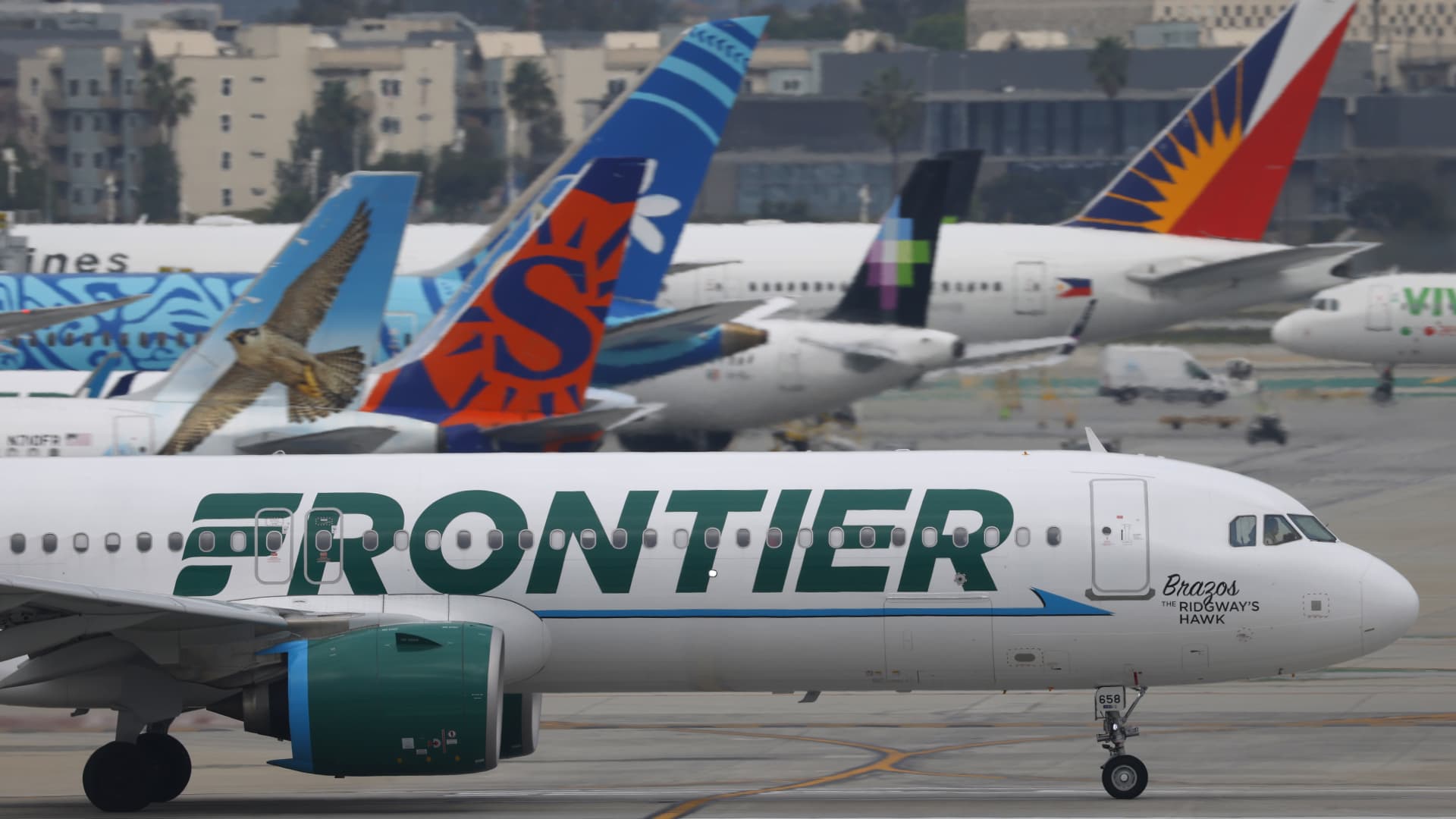
Frontier Airlines, now America’s largest budget carrier, reported a substantial 71% airfare jump in the third quarter, a direct response to soaring jet fuel prices. This aggressive pricing strategy highlights a critical juncture for ultra-low-cost carriers (ULCCs), balancing consumer demand resilience against relentless operational cost pressures. For deeper investment analysis, explore StockXpo.
🗝️ Corporate Strategy Insights
- Aggressive Pricing Strategy. Frontier passed on an 82% surge in jet fuel costs to consumers through a 71% increase in average airfare, demonstrating pricing power.
- Resilient Consumer Demand. Despite significantly higher prices, passenger counts rose by 18% to over 9.8 million, indicating a robust appetite for travel even in an inflationary environment.
- Profitability Challenge. While revenue per passenger increased, the magnified fuel bill led to a widened Q3 net loss of $104 million, underscoring the tight margins inherent in the budget airline model.
Frontier Airlines has navigated a challenging third quarter by implementing a bold pricing strategy, reporting a significant 71% airfare jump that saw average fare revenue per passenger climb from $39.74 to $67.82. This move was a direct reaction to an 82% increase in its jet fuel expenses, which reached $425 million, representing a substantial portion of its operating costs. Total revenue per passenger, including ancillary fees for luggage and other services, rose by 30% year-over-year, reaching $138.22.
Remarkably, this aggressive pricing did not deter travelers, as the airline’s passenger count surged by 18%, adding 1.5 million more passengers compared to the previous year, totaling over 9.8 million. This sustained demand, even at elevated price points, suggests a certain inelasticity in the leisure travel market, a trend also noted by other major carriers like Delta Air Lines, as reported by Reuters business news. Despite the revenue growth driven by the airfare jump, Frontier’s profitability remained elusive, with the company widening its third-quarter net loss to $104 million, up from $77 million a year prior. The airline, however, projects a potential return to adjusted profit in the fourth quarter, forecasting adjusted earnings per share between a loss of 15 cents and a gain of 5 cents. The competitive landscape for budget airlines has also shifted dramatically with the collapse of Spirit Airlines, leaving Frontier as the dominant player in the ultra-low-cost segment.
- Frontier’s ability to significantly raise fares and still attract an 18% increase in passenger volume highlights the strong underlying demand for air travel.
- The substantial surge in fuel costs, however, underscores the vulnerability of the ULCC model to volatile commodity markets, directly impacting their thin profit margins.
- The airline’s forecast for Q4 adjusted profit indicates a potential stabilization, but sustained profitability will depend on managing fuel costs and maintaining pricing power.
Strategic Ripple Effect: How Frontier’s Moves Shape the Industry
Frontier’s successful implementation of a significant airfare jump has a considerable ripple effect across the ultra-low-cost carrier (ULCC) segment and the broader airline industry. The ability to pass on a substantial portion of soaring fuel costs to consumers without a significant drop in demand sets a precedent. This could embolden other budget airlines, particularly those operating with similar cost structures, to adjust their pricing more aggressively across the broader market. For legacy carriers like Delta, who also reported sustained demand, Frontier’s experience reinforces the current market’s capacity to absorb higher prices, potentially leading to upward pricing pressure across all tiers of air travel. However, it also highlights the inherent vulnerability of ULCCs to fuel price volatility. While Frontier gained market share by outperforming Spirit Airlines prior to its collapse, its current financial losses despite strong revenue growth indicate that operational efficiency and fuel hedging strategies will be paramount for sustained market leadership. Competitors will closely watch Frontier’s Q4 adjusted profit forecast as a benchmark for how effectively a ULCC can convert higher fares into bottom-line gains.
The fundamental challenge for budget airlines like Frontier isn’t just raising prices, but achieving consistent profitability amidst variable and often uncontrollable external costs, making operational efficiency their most critical strategic imperative.
Frontier Airlines Q3 2026 Key Financial Metrics
| Metric | Q3 2026 | Q3 2025 | Change |
|---|---|---|---|
| Average Fare Revenue per Passenger | $67.82 | $39.74 | +71% |
| Total Revenue per Passenger (incl. fees) | $138.22 | $106.32 | +30% |
| Passenger Count | 9.8 million+ | 8.3 million+ | +18% |
| Net Loss | $(104) million | $(77) million | Widened |
| Fuel Bill | $425 million | $234 million | +82% |
These metrics demonstrate Frontier’s strong pricing power and resilient demand in the face of rising costs, yet highlight the significant impact of fuel prices on the airline’s bottom line.
Frontier Airlines Strategic Analysis
Frontier’s strategy hinges on its ultra-low-cost model, prioritizing high load factors and extensive ancillary revenue generation. The recent airfare jump, while driven by external fuel pressures, showcases the airline’s capability to adjust pricing dynamically without sacrificing passenger volume. This reflects a disciplined approach to revenue management and a strong brand appeal within its target demographic. The market has proven that demand for affordable travel remains robust, even if ‘affordable’ now means a higher ticket price. However, the widening net loss despite increased revenue underscores that cost control, particularly fuel and labor, remains the ultimate determinant of profitability for ULCCs. Future strategic moves will likely focus on route optimization, fleet modernization for fuel efficiency, and potentially exploring further unbundled service offerings to enhance total revenue per passenger. This ongoing balancing act is crucial for long-term sustainable growth.
Frontier Airlines Competitive Advantages
Frontier’s primary competitive advantage stems from its established ultra-low-cost structure, which allows it to offer highly competitive base fares, attracting price-sensitive travelers. This model is further reinforced by its comprehensive ancillary revenue strategy, where add-ons like baggage and seat selection significantly boost total revenue per passenger. With the recent exit of Spirit Airlines from the market, Frontier has solidified its position as the largest discount carrier, reducing direct competition in this niche. Its modern Airbus fleet, primarily A320neo family aircraft, offers better fuel efficiency compared to older models, though the benefit was overshadowed by the 82% fuel price surge in Q3. The airline’s extensive route network focused on leisure destinations also provides a distinct market reach, differentiating it from legacy carriers and enabling it to capitalize on sustained travel demand. For investors tracking company strategy, these elements present a compelling case for its market positioning.
Frontier’s Flight Path: Navigating Profitability Amidst Pricing Power
Frontier Airlines’ latest earnings reveal a dual narrative: impressive pricing power with a significant airfare jump, yet persistent profitability challenges due to surging fuel costs. The airline has successfully demonstrated that consumer demand for budget travel remains robust, absorbing higher fares. However, the widening net loss highlights the critical need for even greater operational efficiency and effective hedging strategies to translate top-line growth into bottom-line success.
- Frontier’s ability to raise fares by 71% without significantly impacting passenger volume underscores strong market demand for its services.
- The budget airline model remains highly susceptible to external shocks, particularly volatile jet fuel prices, which erode profit margins despite revenue gains.
- Achieving sustained profitability will require a delicate balance of pricing discipline, rigorous cost management, and potentially a recalibration of ancillary service offerings.
Can Frontier maintain this pricing power while simultaneously reining in costs to deliver consistent shareholder value in an unpredictable commodity market?
📊 StockXpo Analyst’s View
Market Impact: This report suggests that despite inflationary pressures, consumer discretionary spending on travel remains surprisingly resilient. Frontier’s stock movement indicates that investors are cautiously optimistic about its ability to pass on costs and its dominant position in the ULCC segment post-Spirit’s collapse, even if current profitability remains a concern.
Sector To Watch: The airline sector, particularly budget carriers, will be keenly observed for continued pricing strategies and operational efficiencies. Companies with strong fuel hedging policies or newer, more efficient fleets may gain a competitive edge in this high-cost environment. For more educational insights into market dynamics, visit the StockXpo blog.
Financial Disclaimer:
StockXpo.com is a financial news aggregator and educational portal, not a registered investment advisor or broker-dealer. All information, news, and analysis provided herein are strictly for educational purposes and do not constitute investment, financial, legal, or tax advice. Investing in the stock market involves high risks, and past performance is not indicative of future results. StockXpo will not be liable for any financial losses or investment damages. Always consult a certified financial advisor before making market decisions.
MORE IN INSIDE BUSINESS

Measles Resurgence: A Critical Warning for U.S. Public Health Strategy
Published: Tuesday, October 27, 2026 · 7:02 AM

Dollar General Overcharges Lawsuit: A Warning on Consumer Trust
Published: Monday, October 26, 2026 · 3:55 PM

