Published: Monday, October 26, 2026 · 3:55 PM | Updated: Monday, October 26, 2026 · 3:55 PM
📊 55 views




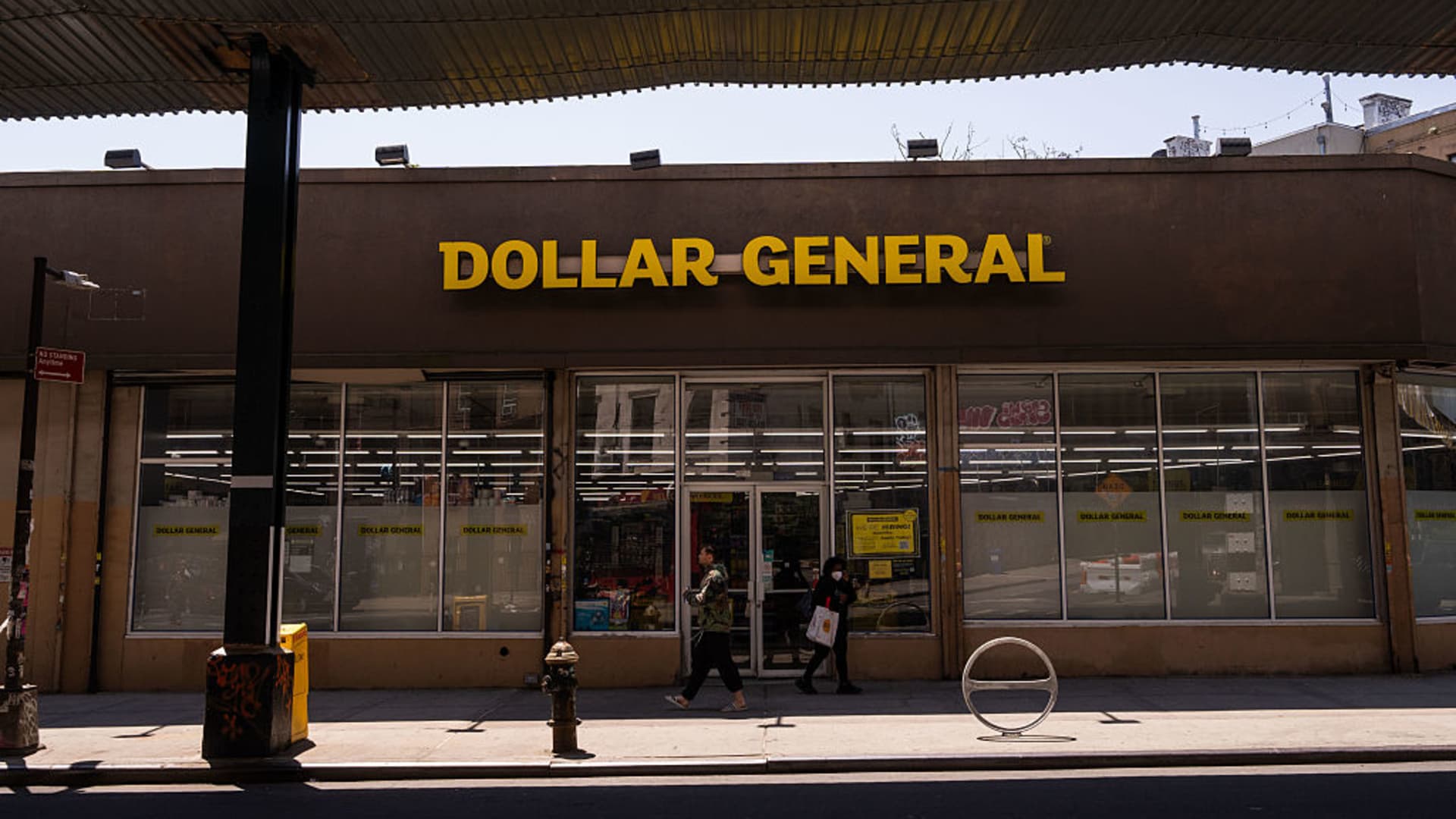
The Federal Trade Commission (FTC), joined by 20 states, has filed a significant lawsuit against Dollar General, alleging systematic overcharging of customers. This legal challenge underscores growing regulatory scrutiny on consumer protection within the discount retail sector and raises crucial questions about corporate responsibility amidst economic pressures.
🗝️ Corporate Strategy Insights
- Regulatory Onslaught. The multi-state and FTC lawsuit highlights severe operational and compliance failures, threatening Dollar General’s brand integrity and financial outlook.
- Eroding Consumer Trust. Allegations of consistently charging higher than advertised prices directly undermine the core value proposition of a discount retailer, particularly impacting its vulnerable customer base.
- Operational Efficiency Under Fire. The lawsuit points to a lack of sufficient safeguards to prevent overcharges, suggesting systemic issues in pricing accuracy and inventory management across thousands of stores.
The Federal Trade Commission (FTC) and a coalition of 20 states announced a joint lawsuit against discount retail giant Dollar General (DG) on Monday, accusing the company of consistently charging consumers more than the prices displayed on shelves, price tags, and in promotional materials. This legal action, which saw Dollar General shares drop approximately 4% following the FTC’s announcement, suggests a profound breach of trust and a significant operational lapse within the corporation. The complaint explicitly states that thousands of Dollar General stores have ‘taken advantage of vulnerable shoppers by extracting millions of dollars in unlawful overcharges with insufficient safeguards to prevent the practice.’ This is not a new issue for the retailer; the lawsuit details ‘tens of thousands’ of customer complaints regarding price discrepancies that allegedly went unaddressed through effective policies or corrective actions.
The broad scope of the lawsuit, involving states from Alabama to Wisconsin, indicates a widespread pattern of misconduct rather than isolated incidents. This coordinated regulatory effort signifies a heightened focus on consumer protection, particularly as shoppers nationwide grapple with elevated food and gas prices, seeking reliable discounts. The allegations that Dollar General overcharges its customers directly contradict its mission to provide affordable goods, jeopardizing its long-standing market position as a value-driven retailer.
- Systemic Failure: The persistence of complaints over a prolonged period suggests a fundamental breakdown in pricing integrity and internal audit processes.
- Vulnerable Consumers: The lawsuit’s emphasis on ‘vulnerable shoppers’ highlights the potential for significant societal and reputational damage to the brand.
- Financial Impact: Beyond potential fines, the suit could necessitate costly overhauls of pricing systems, staff training, and compliance infrastructure.
This case could serve as a bellwether for increased scrutiny across the entire discount retail sector, prompting rivals to reinforce their pricing accuracy and transparency measures. The FTC’s director of the Bureau of Consumer Protection, Christopher Mufarrige, stated, ‘Dollar General has betrayed the trust of millions of American consumers and imposed significant financial harm on communities and consumers who are already struggling to make their paychecks last.’ This sentiment underscores the serious nature of the allegations and the potential for substantial legal and financial repercussions for the company. Investors will be keenly watching how Dollar General responds to these accusations and what measures it proposes to restore consumer confidence and operational compliance. For deeper insights into market movements, consider exploring investment analysis on current stock markets.
The immediate effect of this lawsuit is a significant blow to Dollar General’s reputation, especially among its core demographic—price-sensitive consumers. This could trigger a direct decline in customer footfall and sales as shoppers, now aware of the allegations, may opt for competing discount chains or larger retailers for essential purchases. This consumer shift could lead to market share erosion, benefiting competitors like Dollar Tree, Family Dollar (owned by Dollar Tree), or even larger grocery chains emphasizing value. Operationally, the company faces potential mandates for extensive audits, system overhauls, and enhanced compliance training, diverting capital and management attention away from growth initiatives. The long-term impact could involve substantial financial penalties and forced changes to business practices, fundamentally altering its operational cost structure and competitive positioning. This situation highlights how corporate strategy can be derailed by failures in basic operational execution, impacting not just the individual company but also potentially prompting broader regulatory action across the discount retail landscape.
‘This multi-state lawsuit is a critical reminder that a company’s competitive moat, particularly for discount retailers, is inextricably linked to consumer trust and perceived value. Breaching that trust through alleged overcharging can unravel years of brand building and market leadership.’
As the lawsuit is newly announced and specific financial penalties or detailed operational metrics related to the overcharges are not yet quantified, a table of precise data is not applicable. However, key indicators reflecting the potential impact include:
- Share Price Fluctuation: DG shares dropped approximately 4% immediately post-announcement, indicating negative investor sentiment.
- Consumer Complaint Volume: The ‘tens of thousands’ of complaints cited in the lawsuit suggest a systemic, rather than isolated, issue.
- Litigation Costs: Estimated legal defense costs and potential settlements/fines will be significant, impacting future earnings.
- Operational Compliance Spending: Future expenditures on improving pricing systems and staff training are expected to rise.
Dollar General Competitive Advantages Under Scrutiny
Dollar General’s competitive edge has traditionally stemmed from its extensive network of small-format stores located in underserved rural and suburban areas, offering convenient access to everyday essentials at low price points. This strategic placement creates a powerful geographic moat, reducing travel burdens for its clientele. However, the current lawsuit directly attacks the ‘low price points’ pillar of this advantage. If consumers perceive price unreliability, the convenience factor alone may not suffice to maintain loyalty, especially with alternatives offering similar goods. The company’s efficient supply chain and lean operating model have also been key, enabling aggressive pricing. Yet, if these efficiencies come at the cost of pricing accuracy or compliance, their long-term sustainability is questionable. For more on how companies build enduring corporate growth, explore insights on company strategy.
Dollar General’s Market Leadership at a Crossroads
As a dominant player in the discount retail segment, Dollar General has carved out a significant market share by catering to consumers seeking value and convenience. Its ability to expand rapidly into new territories and offer a diverse product mix—from groceries to home goods—has cemented its leadership. However, this lawsuit presents a critical juncture. Sustained market leadership relies not just on operational scale but also on maintaining ethical practices and consumer confidence. The allegations of Dollar General overcharges threaten to erode this foundation, potentially enabling rivals to capitalize on the damaged reputation. The coming quarters will reveal whether the company can effectively mitigate the damage, regain public trust, and reinforce its position, or if this marks a turning point where its market dominance begins to wane. Reports from outlets like Reuters Business News often highlight such shifts in market dynamics.
Dollar General’s Path Forward: Rebuilding Trust and Operations
The FTC and multi-state lawsuit presents Dollar General with a profound challenge, demanding not just a legal defense but a comprehensive operational and strategic overhaul to regain consumer confidence. This incident spotlights the immense pressure on discount retailers to balance cost efficiency with stringent pricing integrity, especially in a tightening economy.
- Immediate action needed to audit and rectify pricing discrepancies across all stores.
- Investment in robust internal controls and employee training programs for compliance.
- Strategic communication to transparently address allegations and rebuild customer trust.
Can Dollar General effectively pivot its operational strategy to repair its brand image and maintain its market leadership in the fiercely competitive discount retail sector?
📊 StockXpo Analyst’s View
Market Impact: This lawsuit introduces significant regulatory risk and reputational damage for Dollar General, potentially leading to sustained investor caution. While the long-term financial implications are still uncertain, the immediate share price drop reflects a concern that operational compliance costs and potential fines could compress margins. The broader market may view this as a signal for increased regulatory scrutiny across the value retail segment, prompting a flight to quality for companies with stronger governance records.
Sector To Watch: The discount retail sector, particularly companies operating with thin margins and extensive store networks, will be under a microscope. Competitors like Dollar Tree and Five Below, or even grocery chains focusing on value, could see a temporary advantage if Dollar General struggles to restore its brand image. Retail technology providers offering pricing accuracy and inventory management solutions may also see increased demand as companies look to fortify their compliance infrastructure. For deeper strategic insights, check out our latest blog entries.
Financial Disclaimer:
StockXpo.com is a financial news aggregator and educational portal, not a registered investment advisor or broker-dealer. All information, news, and analysis provided herein are strictly for educational purposes and do not constitute investment, financial, legal, or tax advice. Investing in the stock market involves high risks, and past performance is not indicative of future results. StockXpo will not be liable for any financial losses or investment damages. Always consult a certified financial advisor before making market decisions.
MORE IN INSIDE BUSINESS

Measles Resurgence: A Critical Warning for U.S. Public Health Strategy
Published: Tuesday, October 27, 2026 · 7:02 AM
Wonder’s Ambitious Strategy: Texas Expansion, Automation, and an IPO Path
Published: Sunday, October 25, 2026 · 9:32 AM