
Published: Monday, October 19, 2026 · 8:04 AM | Updated: Monday, October 19, 2026 · 8:04 AM
📊 6 views




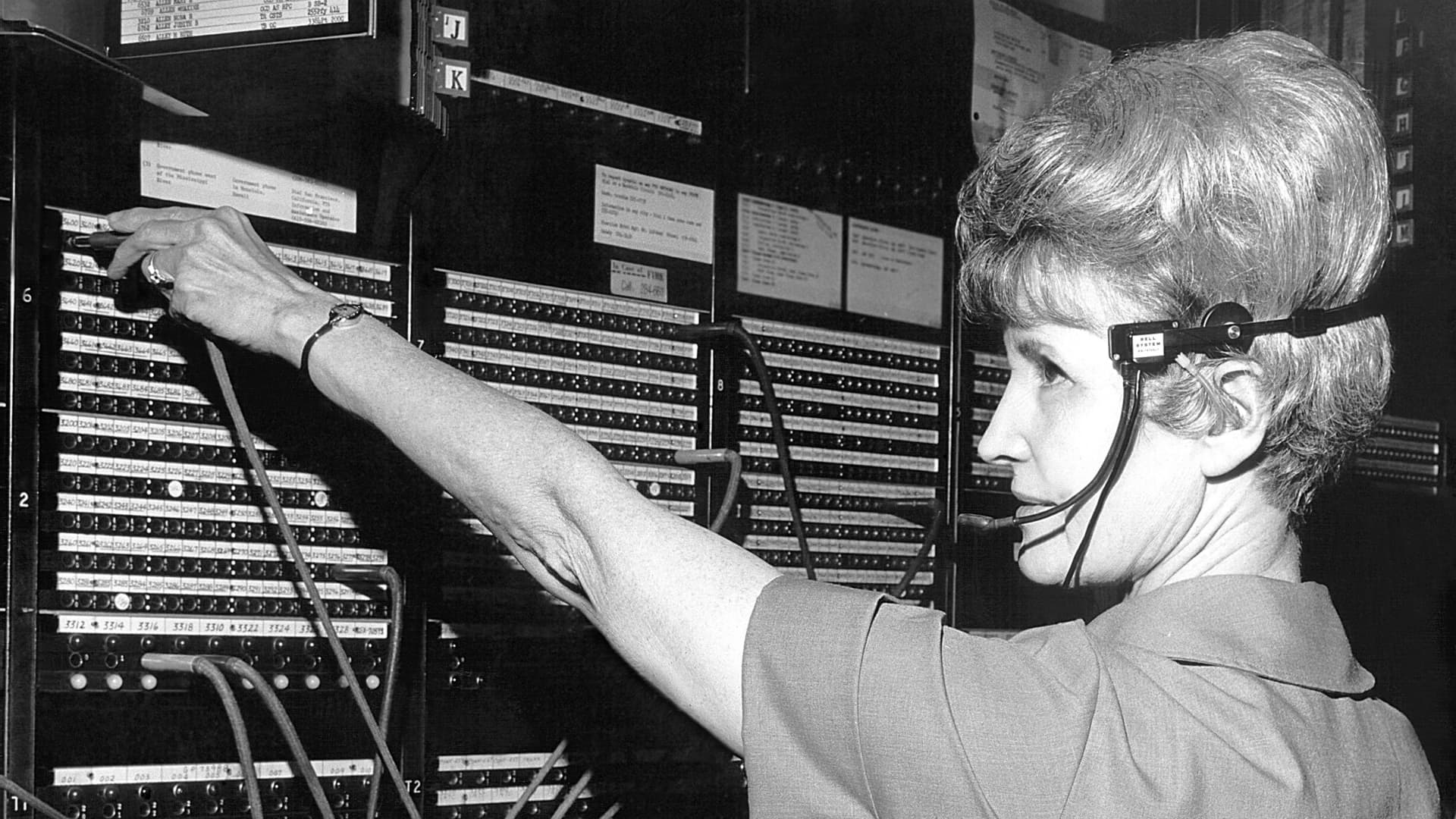
The rapid advancement of artificial intelligence (AI) is poised to reshape global labor markets, raising urgent questions about workforce displacement and the future of employment. Historical parallels suggest that women may disproportionately bear the brunt of these shifts, a critical concern for macro-stability and equitable economic growth worldwide.
📊 Macro-Economic Strategic Insights
- Disproportionate AI Impact. Women are significantly more vulnerable to AI-driven automation due to their concentration in routine administrative and clerical roles, a pattern observed in past technological revolutions.
- Historical Precedent of Automation. Technologies like automated telephone switches and personal computers previously eliminated millions of ‘middlewoman’ jobs, forcing incumbent workers into lower-paying roles or out of the workforce, while younger generations adapted to new opportunities.
- Adaptive Labor Market Evolution. While initial job losses can be severe, history indicates that economies eventually generate new employment sectors and roles, often in the service industry or through increased demand for newly automated tasks, requiring policy adaptation for future workforces.
The specter of widespread AI job losses looms large over the global economy, with recent analyses indicating a distinct gender disparity in vulnerability. Drawing lessons from past technological upheavals, experts caution that women, often concentrated in administrative and clerical positions susceptible to automation, face a heightened risk of displacement. This historical pattern is not new; previous waves of innovation, from automated telephone exchanges to the advent of personal computers, have consistently reshaped female employment landscapes.
The case of telephone switch operators in the mid-20th century provides a stark illustration. At its peak, this occupation was dominated by women, representing nearly 95% of the workforce. However, the introduction of automated telephone switches by AT&T led to the vanishing of an estimated 75,000 operator jobs, a seismic shift that dispossessed many women of their careers. Research by economists James Feigenbaum and Daniel P. Gross highlighted how many incumbent operators were forced into lower-paying roles or exited the workforce entirely. This underscores a crucial point in understanding macro-economic shifts and their impact on different demographics.
However, the historical narrative also presents a nuanced picture of adaptation and emergence. While existing workers faced hardship, subsequent generations of women found opportunities in evolving labor markets, taking on new types of work that required different skill sets. Similarly, the widespread adoption of washing machines and other household appliances in the 1950s freed up women’s time from unpaid domestic labor, enabling a massive influx into the paid workforce. This societal shift, coupled with booming economic growth, fueled demand for new service sector roles and clerical positions, demonstrating the dynamic nature of job creation alongside automation. Understanding these past transformations can offer valuable insights for navigating future economic policy, particularly regarding retraining initiatives and educational reforms to mitigate the effects of automation on vulnerable populations.
- One critical takeaway from these historical transitions is the importance of continuous skill development and policy support for affected workers. The Institute for Women’s Policy Research notes that ‘AI is focused on routine tasks and numbers and finding patterns, and those types of jobs are the clerical, administrative jobs that a lot of women hold,’ reflecting a persistent vulnerability. The International Labour Organization further quantified this risk, reporting in March that nearly one in ten women in high-income countries are in occupations at the highest risk from AI. For deeper insights into similar economic trends impacting broader financial stability, exploring economic policy discussions can be highly beneficial.
The personal computer revolution in the 1980s presented another pivotal moment. With over 98% of secretaries, stenographers, and typists being women in 1980, the PC’s introduction, coupled with software like Microsoft Word, automated many of their core tasks. This didn’t eliminate writing or editing but rather redistributed these tasks across the office, with executives increasingly handling their own documentation. While initially disruptive, the PC also empowered many women who quickly adapted to new digital tools, making themselves indispensable in emerging roles that leveraged spreadsheets, databases, and general computing power. For investors tracking market dynamics and industry shifts, a comprehensive look at stock markets provides timely analysis.
The Ripple Effect: Macro-Economic Consequences of AI Disruption
The potential for widespread AI job losses among specific demographics, particularly women, triggers a cascade of economic consequences:
- Automation of Routine Tasks → Decreased Demand for Clerical/Administrative Labor → Increased Unemployment or Underemployment in Affected Sectors
- Displacement of Incumbent Workers → Reduced Consumer Spending Capacity → Slowed Regional Economic Growth
- Need for Reskilling/Upskilling → Increased Government Investment in Education & Training → Potential for Long-Term Labor Market Adaptation
- Shift in Labor Force Composition → Evolution of Wage Structures & New Job Creation → Macro-economic Rebalancing Over Time
Expert Impact: Navigating AI’s Evolving Capabilities
‘The challenge with advanced AI is its capacity for continuous learning. Unlike previous technologies that had fixed capabilities, AI systems evolve, potentially impacting an increasingly broader spectrum of jobs up the value chain. This dynamic requires policymakers to anticipate not just the current scope of automation but its future trajectory, necessitating agile and forward-thinking labor market interventions.’
Key Metrics: Quantifying Labor Market Shifts and AI Vulnerability
To contextualize the historical and projected impact of technological shifts on labor, particularly for women, several key data points are critical:
- Telephone Operator Decline (Post-1940s): An estimated 75,000 operator jobs vanished following the widespread adoption of automated telephone switches. This highlights the scale of displacement in a historically female-dominated field.
- Women’s Labor Force Participation (1950-1980): The female labor force participation rate in the U.S. surged from 34% to 52% during this period, adding over 25 million employed women. This growth coincided with the widespread adoption of household appliances, which freed up time for paid work.
- Occupational Risk from AI (International Labour Organization, March): Nearly 1 in 10 women in high-income countries work in occupations identified as being at the highest risk from AI automation. This metric underscores the contemporary vulnerability.
These metrics collectively illustrate both the disruptive potential of new technologies on specific segments of the workforce and the long-term adaptive capacity of the broader labor market.
Labor Market Policy Commentary: Proactive Approaches to AI’s Impact
Addressing the projected AI job losses, particularly for women, necessitates proactive policy frameworks focused on workforce development and social safety nets. Governments must consider significant investments in accessible, modular reskilling programs tailored to emerging AI-complementary roles, moving beyond traditional educational models. This includes funding for vocational training, digital literacy initiatives, and partnerships with technology firms to forecast future skill demands. Furthermore, strengthening unemployment benefits and exploring universal basic income models could provide a crucial buffer for workers during transitional periods, ensuring macro-stability by mitigating widespread economic hardship and preventing a sharp decline in consumer demand. A robust policy response is essential to transform potential disruption into an opportunity for inclusive economic transformation.
Global Benchmarking on AI Impact: Lessons from International Strategies
Comparing the U.S. experience with other advanced economies offers valuable insights into managing the impact of AI. Countries like Germany and Scandinavian nations, with their strong vocational training systems and robust social welfare programs, may offer models for mitigating AI-related displacement. While the U.S. relies heavily on market-driven adaptation, these European counterparts often integrate labor unions and industry bodies in proactive planning for technological change, sometimes leading to smoother transitions. Conversely, economies with less flexible labor markets or weaker social safety nets could face more severe and prolonged periods of unemployment for displaced workers. Monitoring these diverse approaches globally can inform better strategies for managing the economic and social implications of AI. For more broad educational insights, readers can visit StockXpo’s blog for various topics.
The Future of Work: Mitigating AI Job Losses
The historical trajectory of technological advancement provides a clear, albeit challenging, roadmap for navigating the era of AI. While AI job losses are a real and pressing concern, particularly for women in administrative roles, the economy’s capacity for adaptation and the emergence of new work underscore a complex dynamic. Proactive policy, focused on retraining and robust social support, will be paramount in cushioning the blow for displaced workers and ensuring a more equitable distribution of future economic gains.
- Technological displacement, while painful, historically paves the way for new job categories and economic opportunities over time.
- Policymakers and industry leaders must collaborate to create flexible education and training programs that prepare the current and future workforce for AI-augmented roles.
- Focusing on human-centric skills that AI cannot easily replicate—such as creativity, critical thinking, complex problem-solving, and emotional intelligence—will be key to long-term employment stability.
Can societies and economies evolve fast enough to empower workers, particularly women, to thrive in an increasingly AI-driven world?
📊 StockXpo Analyst’s View
Market Impact: The discussion around AI’s impact on employment introduces a nuanced risk factor for long-term economic stability and consumer confidence. Industries heavily reliant on routine administrative tasks, such as certain segments of finance, legal services, and customer service, face significant operational restructuring. While this can improve efficiency for companies like Forbes Business, it simultaneously creates concerns about labor market disruption, which could temper overall economic growth forecasts. Investor sentiment may become more sensitive to corporate announcements regarding AI adoption and its projected impact on workforce numbers.
Sector To Watch: The education and professional development sectors are poised for growth as demand for reskilling and upskilling surges. Conversely, traditional office support services and certain clerical outsourcing segments may face headwinds. Investors should also eye companies developing AI tools that augment human capabilities rather than purely replace them, as these could drive productivity without the same level of social friction. For a comprehensive overview of global economic shifts, refer to Bloomberg Economics reports.
Financial Disclaimer:
StockXpo.com is a financial news aggregator and educational portal, not a registered investment advisor or broker-dealer. All information, news, and analysis provided herein are strictly for educational purposes and do not constitute investment, financial, legal, or tax advice. Investing in the stock market involves high risks, and past performance is not indicative of future results. StockXpo will not be liable for any financial losses or investment damages. Always consult a certified financial advisor before making market decisions.
MORE IN INSIDE ECONOMY

India’s Equity Market Underperformance: A Liquidity Warning from Finance Minister
Published: Sunday, October 18, 2026 · 7:25 PM
Fed Rates: Kevin Warsh’s Hawkish Stance Risks October Surprise
Published: Friday, October 16, 2026 · 2:08 PM


