Published: Thursday, September 24, 2026 · 3:37 AM | Updated: Thursday, September 24, 2026 · 3:37 AM
📊 1,451 views




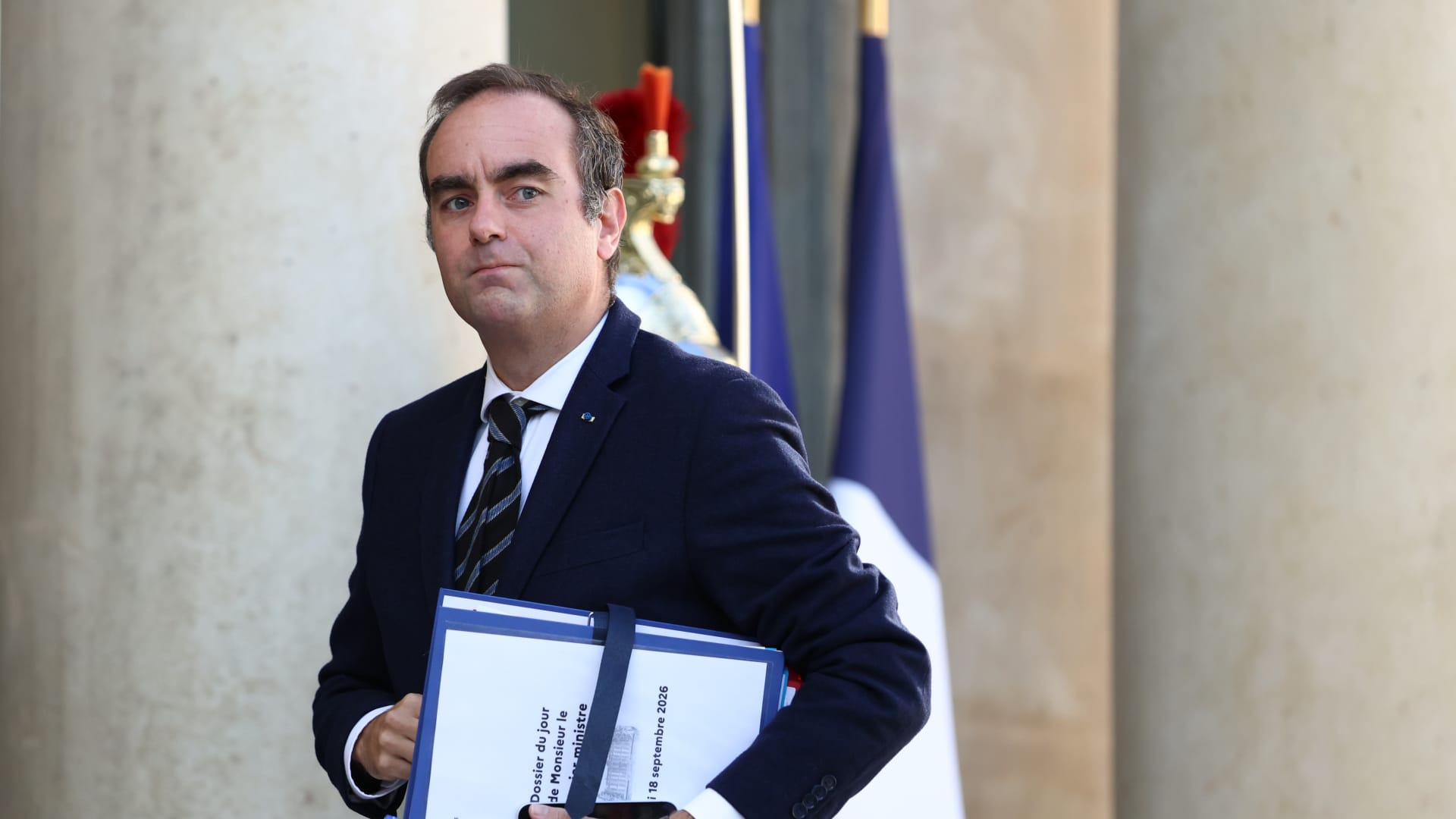
France’s escalating budget battle is casting a long shadow over its sovereign debt, pushing borrowing costs to levels not seen in over a decade and injecting significant uncertainty into the European economic landscape. The persistent fiscal drama threatens not only political stability but also poses broader questions about macro-economic stability across the Eurozone.
📊 Macro-Economic Strategic Insights
- Rising Yields Signal Investor Concern. French 10-year bond yields exceeding 4.5% demonstrate increased investor demand for higher compensation due to perceived fiscal risks.
- Political Instability Fuels Economic Headwinds. A fragile minority government facing a third year of budget disputes creates an environment of persistent uncertainty, impacting long-term fiscal planning.
- Debt-to-GDP Ratio on Unsustainable Trajectory. Projections indicating debt surpassing 120% of GDP by 2027 highlight the urgent need for fiscal consolidation and raise concerns about sovereign creditworthiness.
France’s Borrowing Costs Surge Amidst Budgetary Gridlock
The yield on France’s 10-year government bonds, known as OATs, has now surpassed 4.6%, a threshold not breached since 2008. This marks a significant divergence from German bunds, with the spread widening by over one percentage point – a gap reminiscent of the 2012 Eurozone sovereign debt crisis. This increasing risk premium underscores investor apprehension regarding France’s fiscal management and the ongoing political wrangling surrounding its annual budget. The market is now demanding greater compensation for lending to France than to countries like Italy or Greece, historically perceived as more vulnerable. This situation is compounded by France’s already substantial government borrowing costs across the yield curve, positioning it among the G7 nations with the highest sovereign financing expenses.
Prime Minister Sébastien Lecornu’s minority government is preparing to present a draft budget proposal for 2027, facing a critical parliamentary vote in November. The plan reportedly targets approximately €54 billion in spending cuts, a move aimed at curbing the nation’s ballooning debt and reducing one of the Euro area’s largest budget deficits. However, economists warn that France is on an unsustainable fiscal path, a sentiment echoed by Fitch’s credit rating downgrade last year. The Ministry of Finance projects the national debt to reach a record 119.3% of GDP in 2026, with a further increase to 121.7% anticipated for 2027. This precarious financial position is exacerbated by political fragmentation in the National Assembly, with parties including the far-right National Rally, the left-wing New Popular Front, and Lecornu’s center-right bloc locked in disputes over budget allocations. Previous administrations have fallen due to no-confidence votes in December 2024 and September 2025, and Lecornu himself had to resort to constitutional measures to pass the 2026 budget.
- The widening yield spread between French and German sovereign debt indicates heightened market scrutiny of France’s fiscal health.
- The projected increase in France’s debt-to-GDP ratio points to persistent challenges in achieving fiscal consolidation.
- Political divisions within the National Assembly create a complex environment for the passage of critical budgetary measures.
‘A tough draft budget for 2027 risks toppling the government despite a widely held desire to avoid a political crisis before the presidential election next spring,’ noted Mujtaba Rahman, managing director for Europe at Eurasia Group. Measures such as a partial freeze on pensions are expected to face significant opposition from parliamentary factions. Lecornu appears determined to leverage the remaining months of his premiership to address France’s state finances, even if it requires forcing through legislation or engaging in last-minute compromises with rival parties before the mid-December deadline. The approach could involve leveraging special constitutional powers to bypass parliamentary gridlock, a tactic employed previously.
ING rates strategists Benjamin Schroeder and Michiel Tukker highlighted the challenges, stating, ‘But even beyond that, we argue that time is not in favour of French bond spreads. After this year’s budget, the focus will turn to the presidential elections. Those are likely followed by legislative elections and another potentially difficult government formation process.’ The political landscape, marked by President Emmanuel Macron’s succession of centrist prime ministers, faces potential upheaval from the political extremes in the upcoming presidential election. This uncertainty, coupled with high European energy costs and fracturing EU solidarity, leads ING strategists to forecast the OAT-Bund spread to remain elevated, between 100 and 125 basis points. The European Central Bank may be reluctant to intervene with bond purchases, prioritizing its fight against fresh inflationary pressures.
A key concern highlighted by HSBC’s European rates strategist Chris Attfield is the substantial rise in non-domestic ownership of French OATs, now exceeding 50%. This concentration raises questions about market liquidity and the potential for significant price volatility if these investors reduce their holdings, especially without readily available swing investors to absorb the supply.
The French government’s target of reducing the budget deficit from an expected 5.4% this year to around 5% faces significant political headwinds. Even beyond the immediate budget, future electoral cycles, including presidential and legislative elections, are poised to introduce further complexity to government formation and fiscal policy.
Lars Machenil, CFO at BNP Paribas, speaking to CNBC, emphasized the importance of a well-considered budget, stating, ‘they should take the time to have a budget that makes sense and have it pivot in the right way.’ While acknowledging the desire to push the budget through, he noted that ‘things are progressing well,’ suggesting a pragmatic approach to navigating the current fiscal challenges.
The Ripple Effect on Eurozone Markets
France’s Fiscal Strain → Increased Borrowing Costs (Higher OAT Yields) → Broader Eurozone Yield Increases → Potential Dampening of Investment and Consumer Spending → Heightened Market Volatility & Investor Uncertainty
France Policy Commentary
The repeated budget crises and resulting fiscal instability in France are not isolated incidents but rather symptomatic of deeper structural challenges within the French economy. The continuous reliance on special constitutional clauses to bypass parliamentary consensus on budgets suggests a weakening of democratic debate and a struggle to build broad political consensus on fiscal matters. This environment directly impacts the credibility of France’s fiscal commitments, leading to the elevated borrowing costs observed. For the Eurozone, this represents a significant risk, as France’s economic health is a critical pillar of the bloc’s stability. Divergent borrowing costs and the potential for fiscal contagion can destabilize the entire monetary union.
France Inflationary Risks
While the immediate focus is on the budget deficit and debt levels, the inflationary implications of prolonged fiscal uncertainty cannot be ignored. Persistent government borrowing can contribute to demand-side inflationary pressures if not matched by corresponding supply-side measures. Furthermore, the economic slowdown induced by higher borrowing costs and reduced investment could, in the medium term, lead to disinflationary pressures. However, the short-to-medium term outlook for France is characterized by a complex interplay of supply chain issues, energy costs, and fiscal policy, making precise inflation forecasting challenging. The European Central Bank’s monetary policy decisions will be closely watched to see how they balance these competing forces.
The current situation in France presents a stark reminder of the interconnectedness of fiscal policy, political stability, and market confidence. The market’s reaction, as evidenced by the rising bond yields, is a clear signal that investor patience is wearing thin. The French government’s ability to navigate these complex challenges will be a key determinant of its own economic trajectory and will likely have ripple effects across the broader European financial landscape. The success of its fiscal consolidation efforts, coupled with political compromise, will be crucial in restoring market confidence and ensuring macro-economic stability.
France’s Next Fiscal Test Looms
The ongoing budget disputes in France signal a critical juncture for the nation’s fiscal health and its standing within the Eurozone. The market’s elevated demand for compensation on French debt underscores a palpable lack of confidence in the country’s fiscal trajectory. Key stakeholders must prioritize fiscal discipline and political consensus to avert further market deterioration.
- Fiscal Prudence Imperative: The French government faces intense pressure to implement credible spending cuts and deficit reduction measures to regain investor trust.
- Political Will Tested: Navigating parliamentary opposition and potential electoral cycles will require significant political capital and compromise.
- Eurozone Interdependence: France’s fiscal stability is intrinsically linked to the broader health of the Eurozone, making its challenges a collective concern.
Can France successfully implement its ambitious budget cuts amidst deep political divisions and a tense pre-election climate?
📊 StockXpo Analyst’s View
Market Impact: The heightened risk premium on French debt will likely lead to increased volatility across European sovereign bond markets, potentially impacting investor sentiment towards riskier assets and affecting liquidity. The widening spread could also indirectly influence the pricing of corporate debt and equities within the Eurozone.
Sector To Watch: Industries heavily reliant on government spending or consumer confidence in France, such as infrastructure, construction, and domestic retail, may face headwinds. Conversely, companies with strong export-oriented models or those benefiting from defensive sector performance could offer relative resilience.
Financial Disclaimer:
StockXpo.com is a financial news aggregator and educational portal, not a registered investment advisor or broker-dealer. All information, news, and analysis provided herein are strictly for educational purposes and do not constitute investment, financial, legal, or tax advice. Investing in the stock market involves high risks, and past performance is not indicative of future results. StockXpo will not be liable for any financial losses or investment damages. Always consult a certified financial advisor before making market decisions.
MORE IN INSIDE ECONOMY

UK Economy Registers Unexpected 0.1% Growth Amidst Headwinds
Published: Thursday, October 15, 2026 · 2:54 AM

Godzilla El Niño’s Inflationary Warning for Philippine Stability
Published: Wednesday, October 14, 2026 · 1:04 AM