Published: Wednesday, September 23, 2026 · 11:15 AM | Updated: Wednesday, September 23, 2026 · 11:15 AM
📊 225 views




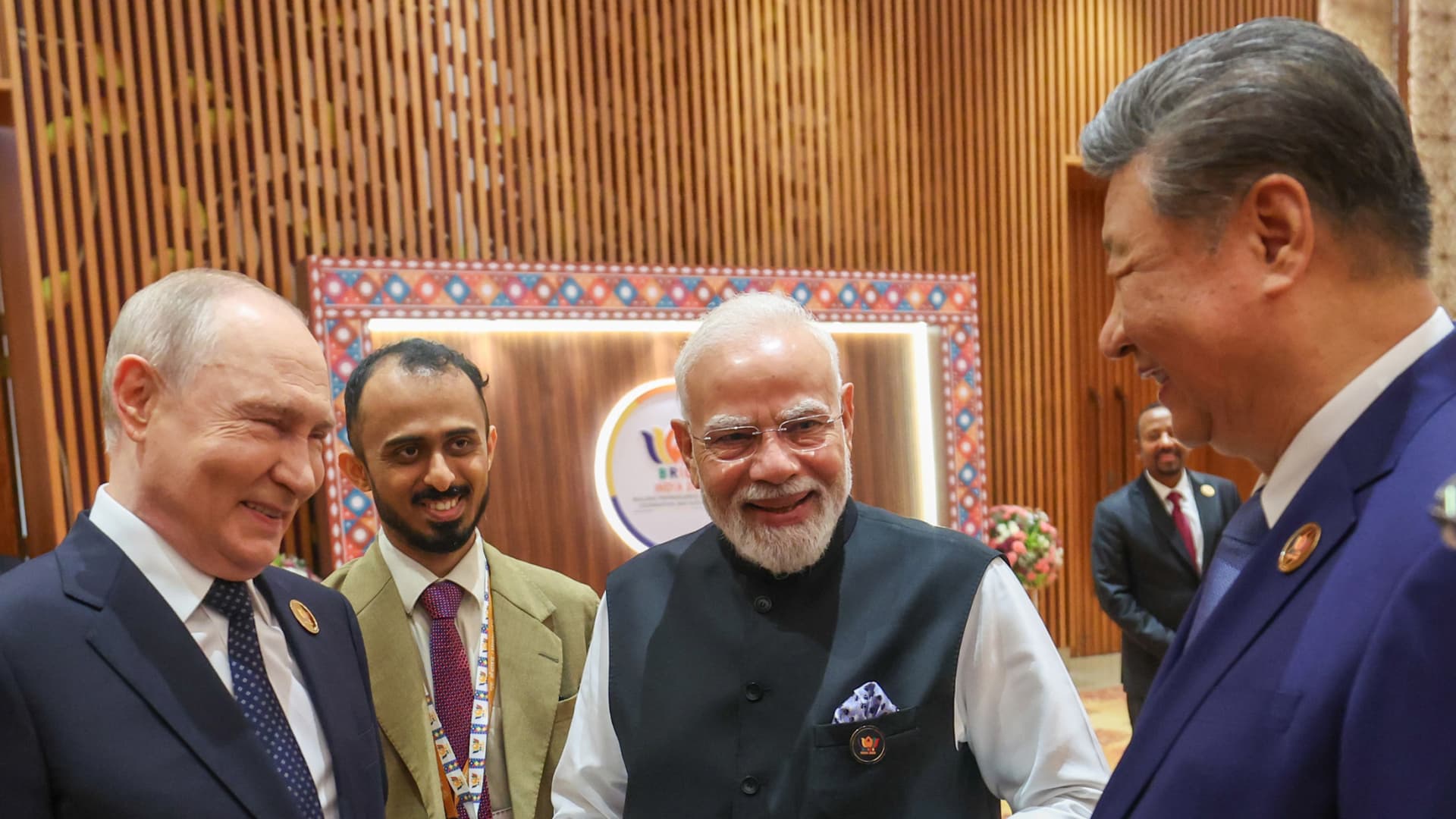
The ongoing summit between U.S. President Donald Trump and Chinese President Xi Jinping highlights a complex geopolitical landscape, where persistent U.S. pressure on China is increasingly complicated by shifting global alliances and Beijing’s strategic technological leverage. This evolving dynamic signals a crucial inflection point for supply chains, advanced technology, and international digital transformation initiatives.
🚀 Tech Strategy & Market Disruptions
- Alliance Erosion. U.S. allies, increasingly wary of Washington’s transactional foreign policy, are seeking greater independence from U.S.-led initiatives against China, complicating collective action on critical tech and trade.
- Rare Earth Dominance. China’s control over approximately 70% of global rare-earth mining and over 87% of refining provides significant economic leverage, demonstrated by export controls that disrupted auto production in 2025.
- Semiconductor Geopolitics. While China leverages rare earths, the U.S. maintains a critical advantage in advanced semiconductors and manufacturing equipment, using export controls and selective approvals (e.g., Nvidia H200 chips) as key bargaining chips.
Global Alliances Under Strain: Reshaping Tech Collaboration
President Trump’s administration has long aimed to intensify U.S. pressure on China through tariffs and technology restrictions, pushing allies to reduce reliance on Beijing. However, as the latest summit with Chinese President Xi Jinping unfolds, it’s clear that this strategy faces significant headwinds. China has adeptly deepened its global trade ties, reaching a record $1.2 trillion trade surplus in 2025, even as its exports to the U.S. saw a decline. Simultaneously, Washington’s traditional allies are increasingly reluctant to form a united front, reflecting internal disputes over defense spending and trade policies that have strained long-standing relationships.
Public confidence in the U.S. as a reliable partner has demonstrably eroded. Data from the Pew Research Center in June indicates a sharp decline in this perception: in Canada, reliability dropped from 83% in 2022 to 35% this year, while in Germany, the belief that Washington considers other countries’ interests fell from 60% in 2023 to 23%. This shift allows countries like Canada to explore deeper defense and trade ties with Europe, as evidenced by its invitation to become an ‘associate member’ of the European Union, reducing its reliance on the U.S. for emerging technologies and trade frameworks. The dynamic forces nations to reconsider their allegiances and explore diversified partnerships, impacting broader educational tech insights.
China has strategically capitalized on this opening, not necessarily by forcing nations to choose sides, but by making geopolitical choices less binary. India, a U.S. security partner and a strategic competitor to China, provides a compelling example. Despite border disputes, Chinese President Xi visited India this month, leading to agreements to strengthen business and transport links. Bilateral trade between India and China hit a record $155.6 billion in 2025, according to Chinese data. This tactical détente, driven by uncertainties in U.S. policy and strains in India’s own relationship with Washington, allows India to maintain steadier relations with Beijing, impacting regional innovation ecosystems.
- Diplomatic Maneuvering: Beijing aims to diplomatically ‘box in’ the U.S., limiting the Trump administration’s unilateral actions by leveraging strained alliances and offering alternative trade and strategic partnerships.
- Economic Interdependence: China’s deepening trade ties globally, alongside its rare earth dominance, create economic dependencies that make a unified allied stance against Beijing increasingly difficult to achieve.
- Tech Sovereignty Drive: The global pivot reflects a broader push for national or regional tech sovereignty, compelling nations to diversify supply chains and invest in domestic capabilities to reduce reliance on any single power.
The Tech Chokepoint Chess Game: Rare Earths vs. Semiconductors
Beyond traditional tariffs, the balance of economic leverage is acutely felt in critical technological sectors. The initial U.S. pressure on China targeted its reliance on advanced chips and manufacturing equipment. However, Beijing has cultivated its own formidable chokepoints. Last year, China imposed export controls on seven rare-earth elements, essential components for everything from electric vehicles to defense systems. Controlling approximately 70% of global rare-earth mining and over 87% of refining and production as of 2024 (U.S. Geological Survey), this move quickly demonstrated its potency.
In a stark example of this vulnerability, Ford halted Explorer production in Chicago for a week due to magnet shortages, while Japanese and European auto suppliers faced similar disruptions. This revealed a mirror image of the dependency Washington sought to create for Beijing, fundamentally altering the strategic calculus for global technology markets. The ongoing discussions between Treasury Secretary Scott Bessent and Chinese Vice Premier He Lifeng included rare earths, underscoring their significance ahead of the trade truce expiration in November.
“The new geopolitical reality demands that CTOs and solution architects fundamentally rethink their supply chain resilience strategies. Reliance on single-source critical materials, regardless of origin, introduces unacceptable levels of operational risk, forcing urgent diversification and a re-evaluation of national security implications within technology stacks,” states a StockXpo senior architect, emphasizing the strategic importance of mitigating single points of failure in complex global operations.
Conversely, the U.S. and its allies still hold crucial cards in the advanced semiconductor ecosystem. American restrictions continue to limit China’s access to the most sophisticated chips and manufacturing equipment, a critical leverage point. While some limited sales of Nvidia’s H200 AI chips have been permitted to certain Chinese firms, broader restrictions remain, turning semiconductor access into a potent bargaining chip in trade negotiations and broader insights into emerging technologies. This dynamic shapes the future of AI development and high-performance computing on a global scale.
How Global Tech Supply Chain Resilience is Being Tested
The ongoing U.S.-China strategic competition has profoundly impacted the resilience of global technology supply chains. Companies accustomed to lean, globally optimized manufacturing are now grappling with geopolitical risks, export controls, and potential resource nationalism. This forces a shift from ‘just-in-time’ to ‘just-in-case’ inventory and production models, integrating redundancy and regional diversification. The Taiwan arms package, held in abeyance by President Trump, highlights the fragility of these dependencies, as delays in critical defense tech can ripple through industrial supply chains that support both commercial and military applications. For example, delays affect not just the defense sector but also the development of dual-use technologies that depend on the same foundational components and manufacturing capabilities. Enterprises must now build more robust architecture to navigate these unpredictable currents, a trend observed across broader technology market trends.
Navigating Emerging Markets’ Tech Balancing Act
Emerging markets find themselves in a delicate balancing act, increasingly wary of being forced into exclusive technological or economic alignments. While historically reliant on Western innovation, many now see opportunities in China’s growing tech prowess, particularly in areas like 5G infrastructure, AI applications, and digital payments. This is not about outright defection but about pursuing diversified engagement to maximize national interests and accelerate digital transformation. Countries like India exemplify this, seeking to stabilize relations with China for economic benefit while maintaining strategic ties with the U.S. for security. This pragmatic approach underscores a new era of multi-polar tech diplomacy, where smaller nations leverage competition between major powers to secure favorable terms for technology transfer, investment, and market access, fostering innovation-driven growth on their own terms.
U.S. Pressure on China: A Pivotal Moment for Global Tech Ecosystems
The current U.S.-China summit marks a critical juncture, where the efficacy of U.S. pressure on China is being re-evaluated against a backdrop of shifting alliances and Beijing’s strategic leverage in key resource and technology sectors. The transactional nature of U.S. foreign policy has inadvertently created opportunities for China to deepen its global trade relationships and assert control over vital supply chain components, particularly rare earths, while the U.S. retains its edge in advanced semiconductors.
- Allied disunity diminishes the collective impact of U.S. policy, prompting nations to seek independent paths for technology and trade.
- China’s strategic control over rare earths grants it significant economic leverage, demonstrated by its ability to disrupt global manufacturing.
- The ongoing tech competition highlights critical vulnerabilities and strengths in both U.S. (semiconductors) and Chinese (rare earths) technological ecosystems.
What long-term architectural shifts will global supply chains undertake to mitigate these intensifying geopolitical risks?
📊 StockXpo Analyst’s View
Market Impact: The evolving dynamics between the U.S. and China introduce heightened volatility, particularly for sectors heavily dependent on global supply chains and critical minerals. Investor sentiment will likely favor companies demonstrating diversified sourcing strategies and robust intellectual property protection. The strategic use of export controls and resource leverage by both nations creates significant uncertainty that could trigger re-shoring or near-shoring initiatives.
Sector To Watch: The semiconductor manufacturing and rare-earth mining/processing sectors are poised for substantial shifts. Investments in onshore or allied-nation production capabilities for advanced chips and critical minerals will surge. Furthermore, companies focused on advanced materials science and AI infrastructure, such as Nvidia, will remain central to these geopolitical tech discussions, navigating complex regulatory landscapes and strategic partnerships in a rapidly changing environment for global technology markets and international tech news.
Financial Disclaimer:
StockXpo.com is a financial news aggregator and educational portal, not a registered investment advisor or broker-dealer. All information, news, and analysis provided herein are strictly for educational purposes and do not constitute investment, financial, legal, or tax advice. Investing in the stock market involves high risks, and past performance is not indicative of future results. StockXpo will not be liable for any financial losses or investment damages. Always consult a certified financial advisor before making market decisions.
MORE IN INSIDE TECHNOLOGY

Anthropic Pentagon Blacklisting: A Major Risk for AI’s Public Sector Role
Published: Wednesday, October 14, 2026 · 12:03 AM

Bond Yields Under Pressure: IMF Warns of ‘Disorderly’ Spike Driven by AI Debt and Inflation
Published: Tuesday, October 13, 2026 · 1:21 AM