Published: Wednesday, September 23, 2026 · 6:08 AM | Updated: Wednesday, September 23, 2026 · 6:08 AM
📊 106 views




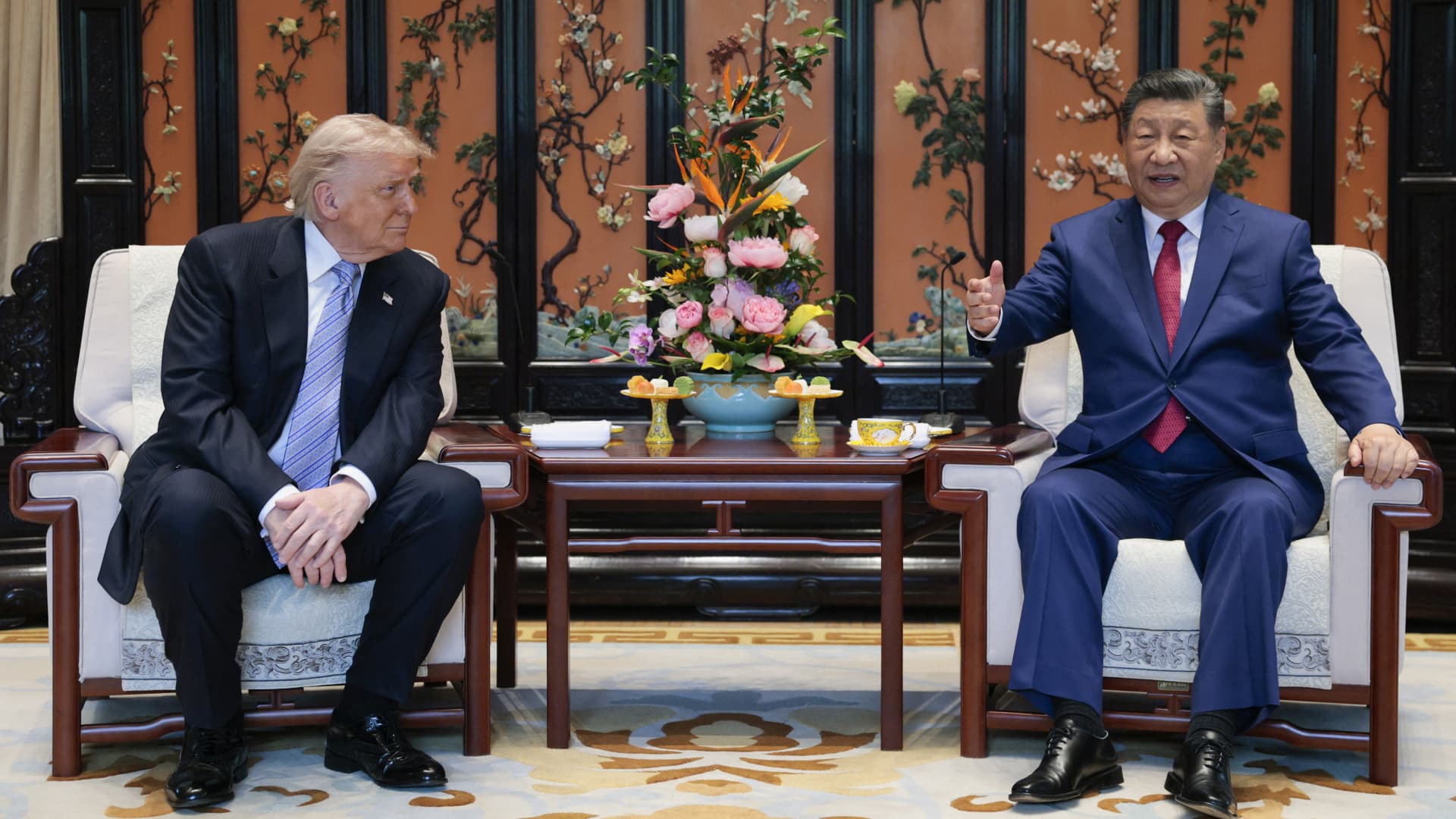
Amidst persistent geopolitical complexities, the ongoing U.S.-China trade truce continues to navigate a delicate path, marked by highly uneven progress across its core commitments. While some agreements, like soybean purchases, show measurable advancement, others, particularly those involving strategic materials and aerospace, reveal a deep-seated reluctance to cede fundamental leverage.
🚀 Tech Strategy & Market Disruptions
- Strategic Chokepoints Persist. Beijing’s control over rare earths and Washington’s dominance in advanced semiconductors underscore a ‘balance of vulnerability,’ where neither side fully commits to concessions that might weaken long-term technological independence.
- Supply Chain Fragility Exacerbated. The uneven fulfillment of trade agreements highlights the inherent fragility of global supply chains for critical resources, pushing nations toward strategic de-risking and localized production for key emerging technologies.
- Geopolitical Factors Driving Tech Investment. Purchases of high-value goods like aircraft are increasingly tied to broader geopolitical guarantees, indicating that technology procurement and market access are now inextricably linked to national security and diplomatic calculus.
Analysts describe the current U.S.-China relationship not as a rapprochement, but rather a ‘détente’ driven by a ‘balance of vulnerability,’ as noted by Larry Hu, head of China economics at Macquarie Group. This suggests both nations are acutely aware of the other’s critical choke points, which dictates the pace and nature of trade fulfillment. Eric Xiao, head of sales for Asia at CMC Markets, observed that progress is swiftest where the cost of concession is lowest.
Soybean purchases, often viewed as ‘political trophies’ by analysts, have shown the most transparent progress. China has purchased nearly half of its 25 million-ton annual commitment, including a significant one million tons from U.S. producers in a single week in September, Reuters reported. This rapid fulfillment often clusters around bilateral meetings between U.S. President Donald Trump and Chinese President Xi Jinping, signaling cooperation. However, Xiao cautioned that China’s purchases are largely driven by necessity, rather than a broad shift in trade policy. The U.S. share of China’s soybean imports plummeted from 40% before 2018 tariffs to 23% in the first five months of 2026, showcasing the significant impact of trade tensions.
In contrast, the commitment to purchase 200 Boeing aircraft has moved at a significantly slower pace with less transparency. U.S. Trade Representative Jamieson Greer stated that approximately 140 aircraft orders are in a ‘good state,’ with another 10 being formalized. However, customer specifics, models, and delivery timelines remain undisclosed. Boeing CEO Kelly Ortberg has downplayed expectations of a singular large announcement, suggesting individual Chinese airlines will place orders on their own schedules. Beijing’s official account of the May agreement added a caveat, tying aircraft purchases to U.S. guarantees regarding the supply of aircraft engines and parts.
Rare earths, critical for clean energy, advanced technology, and defense, represent perhaps the most strategic element of the truce. Reliable access, rather than a specific export volume, was the key commitment. While Chinese shipments of rare earths magnets to the U.S. initially recovered, they subsequently fell to 512 metric tons in August, a 20% decrease from July and 13% year-over-year, according to Chinese customs data reported by the Financial Times. Uncertainty persists for U.S. customers, with some Chinese suppliers declining U.S. orders due to geopolitical concerns and some American companies facing waits of over six months for export licenses, according to Reuters. Macquarie’s Hu identified rare earths as China’s principal choke point, balanced against U.S. leverage in advanced semiconductors. Xiao similarly views rare earths as the clearest indicator of the broader relationship, as concessions in this sector carry significant strategic costs, yet a complete cutoff would accelerate U.S. alternative supply chain development.
The uneven progress across these commitments illustrates a foundational challenge: strategic leverage in critical sectors like rare earths cannot be easily conceded. This reluctance fosters a continuous push for technological independence, driving significant investments in material science, advanced manufacturing, and diversified sourcing strategies. For instance, the ongoing struggle for reliable rare earth access directly fuels research into alternative magnet materials and recycling technologies, fundamentally altering future supply chain designs and creating new market opportunities within emerging technologies.
“The strategic recalibration implied by the U.S.-China trade truce extends beyond mere commerce. It compels CTOs globally to re-evaluate their entire supply chain architecture, embedding resilience and geopolitical risk mitigation as core tenets of digital transformation strategies. Future-proofing technology ecosystems now demands anticipating political headwinds as much as market demands.”
U.S.-China Trade Commitments: Progress Snapshot
| Commitment Area | Key Target | Current Status & Metrics | Strategic Implication |
|---|---|---|---|
| Soybeans | 25 million tons annually | Almost half purchased (1M tons in Sept., per Reuters) | Political signaling, but also market necessity for China. |
| Boeing Aircraft | 200 aircraft orders | ~140 in ‘good state,’ 10 more being written (U.S. Trade Rep.) | Slower, conditional, less transparent; tied to U.S. guarantees. |
| Rare Earths Access | Reliable U.S. access | Shipments fell 20% in Aug. (FT); U.S. firms face access issues (Reuters). | Critical strategic leverage for China; difficult to concede. |
Global Supply Chain Resilience: A Priority
The ongoing U.S.-China trade dynamics underscore an accelerating global imperative for supply chain resilience. Companies across sectors, particularly in advanced manufacturing and high-tech, are actively seeking to diversify their sourcing and reduce dependency on single geographic regions. This strategic shift is driving significant investment in automation, localized production capabilities, and the development of regional supplier ecosystems. For CTOs, this means prioritizing distributed ledger technologies for supply chain transparency, advanced analytics for risk assessment, and smart contracts to secure alternative sourcing agreements. The goal is not merely cost efficiency but geopolitical agility, ensuring continuity amidst future trade frictions or unforeseen disruptions.
Rare Earths Innovation Potential
The strategic importance of rare earth elements, vital for components from electric vehicle motors to advanced military systems, is spurring a wave of innovation. China’s leverage in this sector is forcing other nations to explore alternative supply chains, which includes boosting domestic mining and processing capabilities, enhancing recycling technologies, and investing in material science research to develop substitutes for specific rare earth applications. Breakthroughs in these areas could diminish the geopolitical impact of current trade restrictions, fostering a more diversified and secure global supply for these critical materials. This innovation is not only about securing resources but also about fostering entirely new industries and competitive landscapes.
The U.S.-China Trade Truce: Navigating a New Geopolitical Tech Landscape
The current state of the U.S.-China trade truce is a powerful indicator of a new era where economic and technological competition are deeply intertwined with national security. It highlights that strategic vulnerabilities, particularly in critical materials and advanced technology, will continue to shape global trade policies and drive significant investment in domestic innovation and supply chain resilience.
- The uneven fulfillment showcases a pragmatic, rather than transformative, cooling of tensions, driven by mutual self-interest and a ‘balance of vulnerability’.
- The focus on rare earths and advanced technologies reveals the true battleground for future economic and military superiority, transcending traditional trade goods.
- Businesses must integrate geopolitical risk into their tech strategy, anticipating ongoing friction and planning for diversified, resilient, and independent supply chains.
How will this strategic recalibration redefine the global tech landscape and innovation pathways in the coming decade?
📊 StockXpo Analyst’s View
Market Impact: The persistent fragility of the U.S.-China trade truce introduces continued volatility for sectors heavily reliant on global supply chains, such as automotive, electronics, and aerospace. Investor sentiment will remain cautious regarding companies with significant exposure to either market, particularly those lacking diversified sourcing or production capabilities. The ongoing tensions could stimulate investment in companies offering supply chain resilience solutions and domestic manufacturing capabilities.
Sector To Watch: The critical minerals sector, especially companies engaged in rare earths exploration, extraction, processing, and recycling outside of China, is poised for significant strategic investment. Additionally, firms developing advanced materials and substitute technologies that reduce reliance on these strategic imports will likely see increased valuation and interest, reflecting a broader pivot towards national technological independence.
Financial Disclaimer:
StockXpo.com is a financial news aggregator and educational portal, not a registered investment advisor or broker-dealer. All information, news, and analysis provided herein are strictly for educational purposes and do not constitute investment, financial, legal, or tax advice. Investing in the stock market involves high risks, and past performance is not indicative of future results. StockXpo will not be liable for any financial losses or investment damages. Always consult a certified financial advisor before making market decisions.
MORE IN INSIDE TECHNOLOGY

Bond Yields Under Pressure: IMF Warns of ‘Disorderly’ Spike Driven by AI Debt and Inflation
Published: Tuesday, October 13, 2026 · 1:21 AM
AI Breakthroughs: TikTok CEO Predicts Major Scientific Leap Within Three Years
Published: Monday, October 12, 2026 · 2:40 AM