Published: Wednesday, September 16, 2026 · 12:36 AM | Updated: Wednesday, September 16, 2026 · 12:36 AM
📊 136 views




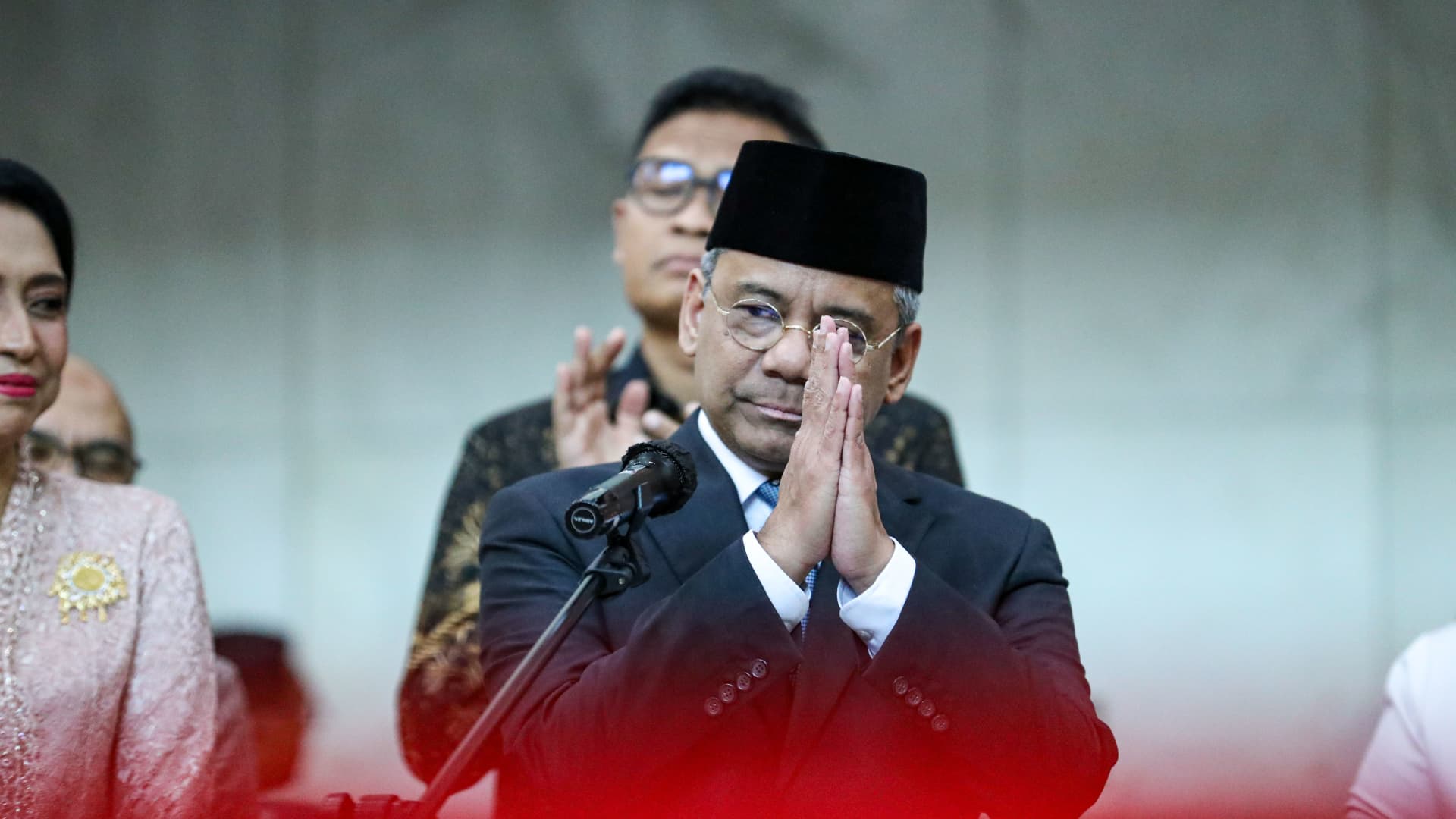
Indonesia, Southeast Asia’s largest economy, is navigating a critical period of leadership transition at its key financial institutions. The recent appointment of a new finance minister, the third in two years, alongside a central bank reshuffle, has intensified global investor scrutiny over the nation’s commitment to sound fiscal and monetary policy. This shift is crucial for maintaining macro-stability and securing systemic growth in a challenging global economic landscape.
📊 Macro-Economic Strategic Insights
- Leadership Uncertainty Lingers. Indonesia’s third finance minister in two years, following a central bank governor’s resignation, signals potential policy instability and raises questions about government influence over key economic levers.
- Technocrat Appointment Boosts Sentiment. Suahasil Nazara, a seasoned technocrat with deep Finance Ministry experience, is seen by analysts as a positive step towards restoring investor confidence and lowering transition risks after a turbulent period.
- Fiscal Credibility on the Line. The new minister must balance President Prabowo’s expensive growth agenda with pledges of fiscal discipline, committed to keeping the deficit under 3% of GDP amid global energy price pressures.
Jakarta’s financial landscape is undergoing a significant transformation with the appointment of Suahasil Nazara as Indonesia’s new finance minister. This move, which marks the third such change in just two years, places a renewed focus on the nation’s commitment to fiscal credibility and prudent economic management. Nazara, who previously served seven years as deputy finance minister and led the fiscal policy agency, is widely regarded as a technocrat. Analysts like Qi Hang Tay, senior Asia analyst at the Economist Intelligence Unit, view his internal pedigree as a factor that ‘lowers transition risk’ due to his deep understanding of budget machinery.
The reshuffle follows closely on the heels of former Bank Indonesia Governor Perry Warjiyo’s abrupt resignation in July, which, coupled with President Prabowo Subianto’s nephew being named a deputy governor in February, has ignited scrutiny over the independence of Indonesia’s key financial institutions. This series of events underpins growing unease among some observers, including Joshua Kurlantzick, a senior fellow at the Council on Foreign Relations, who described Nazara’s elevation as a ‘worrisome sign of the consolidation of economic power in the hands of Prabowo.’ For comprehensive economic policy insights, StockXpo offers in-depth analysis.
Markets, however, have shown a nuanced reaction. The preceding year, under former Finance Minister Purbaya Yudhi Sadewa, was marked by credit-rating outlook cuts and the rupiah’s slide to historic lows. A subsequent pivot towards fiscal discipline, despite global energy price surges impacting subsidy costs, has helped stabilize sentiment more recently. The rupiah has since strengthened, trading around 17,680 per dollar, with DBS Bank economist Radhika Rao expecting continued stability if fiscal credibility is maintained. Nazara, in his initial remarks, has reinforced this commitment, pledging to safeguard budget credibility and uphold the crucial 3% of GDP deficit ceiling. The 2027 budget will serve as a definitive test of whether this marks a genuine policy shift or simply ‘business as usual,’ as noted by EIU’s Tay, especially concerning expenditure and interaction with the central bank. For further educational insights on fiscal policy, StockXpo’s blog provides detailed analyses.
The Ripple Effect of Policy Shifts
- Interventionist Policy → Investor Uncertainty → Currency Depreciation
- Fiscal Discipline Pledge → Market Confidence → Rupiah Strengthening
- Energy Crisis → Higher Subsidies → Program Cuts & Fiscal Strain
Fiscal Credibility refers to the market’s trust in a government’s ability and willingness to manage its public finances responsibly, adhere to stated budget targets, and implement sustainable long-term economic policies. High fiscal credibility is vital for attracting foreign investment, maintaining currency stability, and securing favorable borrowing rates, especially for emerging economies.
Indonesia’s Economic Snapshot (2026 Projections/Performance)
| Metric | Value | Significance |
|---|---|---|
| 2026 Fiscal Deficit Outlook | 2.85% of GDP | Approaches the 3% legal limit, highlighting pressure on public finances. |
| Benchmark Stock Index (YTD) | -25% | Reflects significant market apprehension and investor outflows. |
| Rupiah Exchange Rate (Sept 2026) | 17,680 per dollar | Recent stabilization from historic lows, buoyed by fiscal discipline pledges. |
| GDP Growth (Q2 2026) | 5.6% | Three-year high, indicating underlying economic resilience despite policy concerns. |
These metrics underscore the dual challenge of managing robust economic growth amidst fiscal constraints and policy uncertainty.
Indonesia’s Macro-Economic Trajectory: Navigating Global Headwinds
Indonesia’s economic trajectory in 2026 has been heavily influenced by a confluence of domestic policy shifts and external pressures. The Iran war-led energy crisis significantly inflated energy costs, compelling the government to reallocate funds, often at the expense of other key programs. This external shock exacerbated existing fiscal constraints, making the new finance minister’s role in resource allocation even more critical. The government’s ability to diversify revenue streams and minimize reliance on volatile commodity prices will be paramount for sustained fiscal health. As global markets watch Indonesia’s policy adjustments, the country’s economic resilience, as demonstrated by its 5.6% GDP growth, suggests a strong underlying capacity to absorb shocks, provided political stability and policy clarity are maintained. More details on global economic policies can be found by following Bloomberg economics reports.
Regional Policy Commentary: Southeast Asia’s Balancing Act
Across Southeast Asia, many economies are grappling with similar pressures: maintaining growth, managing inflation, and preserving fiscal space. Indonesia’s situation, however, is particularly pronounced given its size and political dynamics. The interplay between presidential ambition for growth and technocratic calls for prudence is a common theme in emerging markets. Neighboring nations and regional blocs will be closely observing Jakarta’s approach to central bank autonomy and fiscal discipline, as it could set a precedent for how quickly populist policies yield to economic realities. A robust and independent central bank, coupled with predictable fiscal policy, remains the cornerstone for attracting long-term foreign direct investment across the region, a point often highlighted in reports on the broader economic trends.
Indonesia’s Fiscal Credibility: A Path to Sustained Stability?
The appointment of Suahasil Nazara represents a critical juncture for Indonesia’s economic future, offering a potential re-anchoring of fiscal discipline amidst ambitious growth targets. His deep experience may reassure markets, yet the broader context of central bank leadership changes under President Prabowo means his true test lies in independent policy execution.
- The 2027 budget formulation will be the primary indicator of Nazara’s ability to balance funding Prabowo’s agenda with maintaining fiscal prudence.
- Restoring the central bank’s perceived autonomy will be crucial for long-term investor confidence and macroeconomic stability.
- Sustained fiscal credibility is essential for attracting foreign investment and shoring up the rupiah against external shocks.
Can Indonesia effectively marry political ambition with economic realities to secure lasting macro-stability?
📊 StockXpo Analyst’s View
Market Impact: Nazara’s appointment provides a near-term boost to investor sentiment, given his technocratic background, which could see further stabilization in the rupiah and a modest recovery in bond markets. However, sustained positive momentum hinges on concrete policy actions in the 2027 budget and clear delineation between fiscal and monetary policy to allay concerns about central bank independence.
Sector To Watch: Infrastructure and resource-related sectors might see continued government focus due to President Prabowo’s growth agenda, but investors should scrutinize the financing mechanisms. Conversely, sectors sensitive to consumer spending could face headwinds if fiscal discipline leads to cuts in social programs or higher taxes. For deeper dives into investment analysis, visit stock markets insights on StockXpo.
Financial Disclaimer:
StockXpo.com is a financial news aggregator and educational portal, not a registered investment advisor or broker-dealer. All information, news, and analysis provided herein are strictly for educational purposes and do not constitute investment, financial, legal, or tax advice. Investing in the stock market involves high risks, and past performance is not indicative of future results. StockXpo will not be liable for any financial losses or investment damages. Always consult a certified financial advisor before making market decisions.
MORE IN INSIDE ECONOMY

AI Concentration Risks Loom as East Asia & Pacific Sees 4.5% Growth Outlook
Published: Tuesday, October 6, 2026 · 1:56 AM

Western Populations’ Shrinkage: A Looming Fiscal Warning by 2029
Published: Monday, October 5, 2026 · 3:15 AM