Published: Tuesday, September 15, 2026 · 7:34 PM | Updated: Tuesday, September 15, 2026 · 7:34 PM
📊 164 views




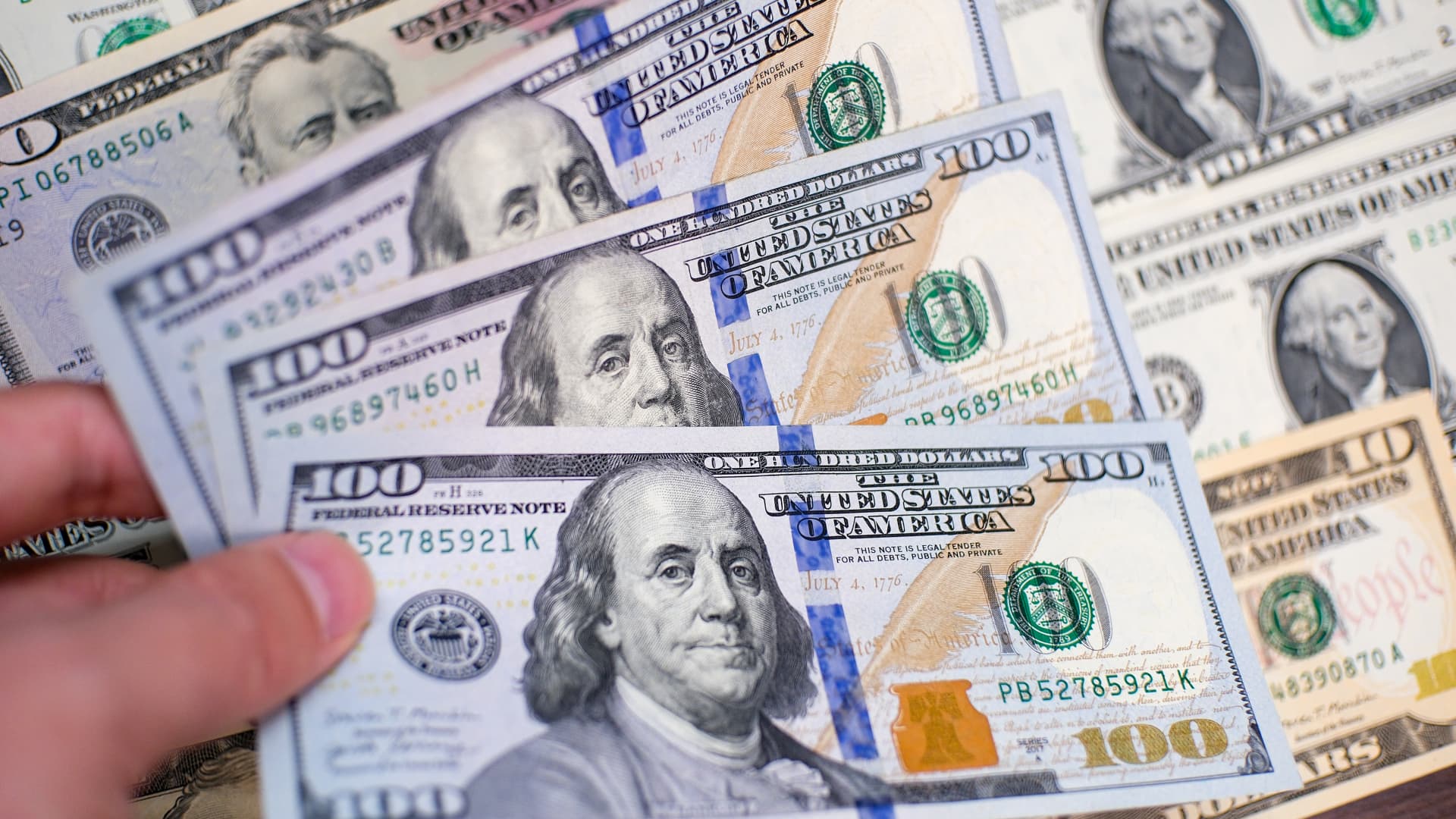
Discussions around de-dollarization persist among emerging economies, particularly the BRICS bloc, driven by geopolitical shifts and a desire for greater financial autonomy. However, the path away from the U.S. dollar’s dominance is fraught with significant economic and structural challenges, raising questions about its immediate feasibility and impact on global macro-stability.
📊 Macro-Economic Strategic Insights
- BRICS Ambitions vs. Reality. Despite strong rhetoric, BRICS nations face significant hurdles in achieving widespread de-dollarization due to internal divisions and lack of financial integration.
- Dollar’s Unmatched Liquidity. The U.S. dollar maintains its overwhelming dominance in global forex markets and commodity denominations, providing liquidity and trust that alternatives currently lack.
- Internal Bloc Divisions. Geopolitical rivalries and economic imbalances, particularly between China and India, impede collective action towards a unified alternative currency or payment system.
The recent BRICS summit reignited conversations about de-dollarization, as member states voiced intentions to reduce reliance on the U.S. greenback for trade and financial transactions. This push stems from geopolitical tensions, U.S. sanctions, and tariff policies, compelling nations like Russia and Iran to seek alternative payment systems. Despite these overt calls, experts remain skeptical about the bloc’s immediate capacity to fundamentally alter the global financial landscape.
The U.S. dollar’s enduring strength is underscored by its pervasive role in international finance. Data from the Bank of International Settlements (BIS) shows the dollar accounted for 89% of the forex market as of April, an increase from the previous year. Commodities like oil and gold are predominantly denominated in the greenback, cementing its status as the world’s primary reserve currency. This entrenched position provides unparalleled liquidity and trust, factors that are difficult for any alternative to replicate quickly.
While leaders like South African President Cyril Ramaphosa advocate for stronger cross-border payment systems and increased use of local currencies, the operational hurdles are substantial. The BRICS bloc, now comprising 10 member states, represented 27% of world output and 24% of merchandise exports in 2024, according to a United Nations Trade and Development report. Yet, intra-BRICS trade constitutes only about 5% of global trade, highlighting the nascent stage of their economic integration.
A significant barrier to meaningful de-dollarization efforts is the lack of cohesive financial and macroeconomic integration among BRICS nations. Competing interests, particularly between major economic players like China and India, create deep-seated distrust that hinders collective action. As Reema Bhattacharya, head of Asia research at Verisk Maplecroft, notes, ‘India-China rivalry… is the single biggest brake on cohesion across the bloc.’
- Sanctions Impact: U.S. sanctions have pushed countries like Russia and Iran to actively seek dollar alternatives, accelerating bilateral shifts in currency use (e.g., Russia-China trade in rubles and yuan).
- Currency Liquidity: Most BRICS currencies lack the deep, liquid markets outside their domestic economies required to challenge the dollar’s global acceptance for invoicing commodities.
- Divergent Priorities: Member states have distinct motivations; Russia and Iran prioritize sanctions avoidance; China seeks renminbi internationalization but maintains capital controls; and India aims for greater rupee usage, often without alignment.
The current global financial architecture largely depends on the U.S. dollar, meaning any significant shift, even if gradual, would create a cascading ‘ripple effect’:
Increased Local Currency Trade → Reduced Dollar Demand → Potential Exchange Rate Volatility for Non-Dollar Currencies → Higher Hedging Costs for International Businesses → Macro-Economic Instability for Emerging Markets.
The U.S. dollar’s global dominance isn’t merely about economic might; it’s a function of deep-seated financial infrastructure, legal frameworks, and market liquidity that has evolved over decades. To displace it would require not just political will, but a fundamental redesign of global trade and payment systems, built on a level of trust and integration that is currently absent among aspiring alternatives.
Key Currency Market Share (April):
| Currency | Share of Forex Market |
|---|---|
| U.S. Dollar | 89% |
| Euro | 29% |
| Japanese Yen | 17% |
This data highlights the dollar’s overwhelming prevalence in global currency transactions, making any immediate systemic shift highly improbable.
Emerging Markets: Navigating Currency Diversification
For many emerging economies, the drive to diversify currency exposure is a strategic imperative to mitigate risks associated with U.S. monetary policy and geopolitical leverage. However, the practicalities are complex. While local currency trade can foster regional integration, it often struggles against the efficiency and cost-effectiveness of dollar-denominated transactions, especially for large-scale commodity trades. Countries must weigh the benefits of reduced dollar reliance against the potential for increased transaction costs and market fragmentation. India’s trade patterns, for instance, reveal a significant surplus with the U.S. ($239 billion trade in 2025 with $58.4 billion goods surplus), making a rapid dollar exit economically disadvantageous for New Delhi, particularly given its widening deficit with China.
Global Trade: The Trust Deficit in Alternative Systems
The foundation of any widely accepted international currency is trust and institutional credibility, attributes the U.S. dollar has accumulated over decades. Alternative payment systems proposed by blocs like BRICS face the challenge of establishing this same level of confidence across diverse economies with varied political and economic systems. The absence of a unified central bank, common monetary policy, or robust dispute resolution mechanisms within BRICS hinders the development of a truly competitive alternative currency or payment framework. Without these fundamental elements, the appeal of local currency trade remains largely confined to bilateral arrangements, limited by the depth and liquidity of individual member currencies.
De-dollarization Efforts: A Long Road to Systemic Change
While the rhetoric surrounding de-dollarization is strong, especially from the BRICS nations, the immediate prospects for a substantial shift away from the U.S. dollar remain low. Deep structural, economic, and geopolitical barriers continue to reinforce the dollar’s unparalleled global position, indicating that any significant change will be a generational process rather than an imminent event.
- Global currency markets overwhelmingly favor the dollar due to its liquidity and trust.
- Internal disagreements and economic imbalances within BRICS impede a unified approach to currency diversification.
- Bilateral local currency arrangements are growing but fall short of a systemic challenge to the dollar’s hegemony.
Can geopolitical pressures eventually overcome entrenched economic realities to reshape the global monetary order?
📊 StockXpo Analyst’s View
Market Impact: The persistent discussion of de-dollarization creates periodic market jitters, but the practical hurdles mean its immediate impact on major stock markets or the stability of global financial systems is minimal. Investors should watch for increased bilateral trade agreements in local currencies, but the dollar’s reserve status remains robust. Major sovereign debt markets will continue to rely on dollar-denominated instruments, securing its position for the foreseeable future, despite calls for global economic analysis.
Sector To Watch: Sectors heavily involved in international trade and commodities, particularly energy and raw materials, will experience the most direct, albeit incremental, effects of increased local currency settlements. Companies with diverse global supply chains may face complexities from managing multiple currency exposures, but robust financial hedging strategies will remain paramount. The financial technology sector, however, could see growth in developing cross-border payment solutions that bypass traditional SWIFT channels, a trend worth following for insights into global economic developments.
Financial Disclaimer:
StockXpo.com is a financial news aggregator and educational portal, not a registered investment advisor or broker-dealer. All information, news, and analysis provided herein are strictly for educational purposes and do not constitute investment, financial, legal, or tax advice. Investing in the stock market involves high risks, and past performance is not indicative of future results. StockXpo will not be liable for any financial losses or investment damages. Always consult a certified financial advisor before making market decisions.
MORE IN INSIDE ECONOMY
India Rate Hike: Inflation Risks Build Amid Global Headwinds
Published: Wednesday, October 7, 2026 · 1:41 AM
AI Concentration Risks Loom as East Asia & Pacific Sees 4.5% Growth Outlook
Published: Tuesday, October 6, 2026 · 1:56 AM