
Published: Tuesday, September 15, 2026 · 6:29 AM | Updated: Tuesday, September 15, 2026 · 6:29 AM
📊 417 views




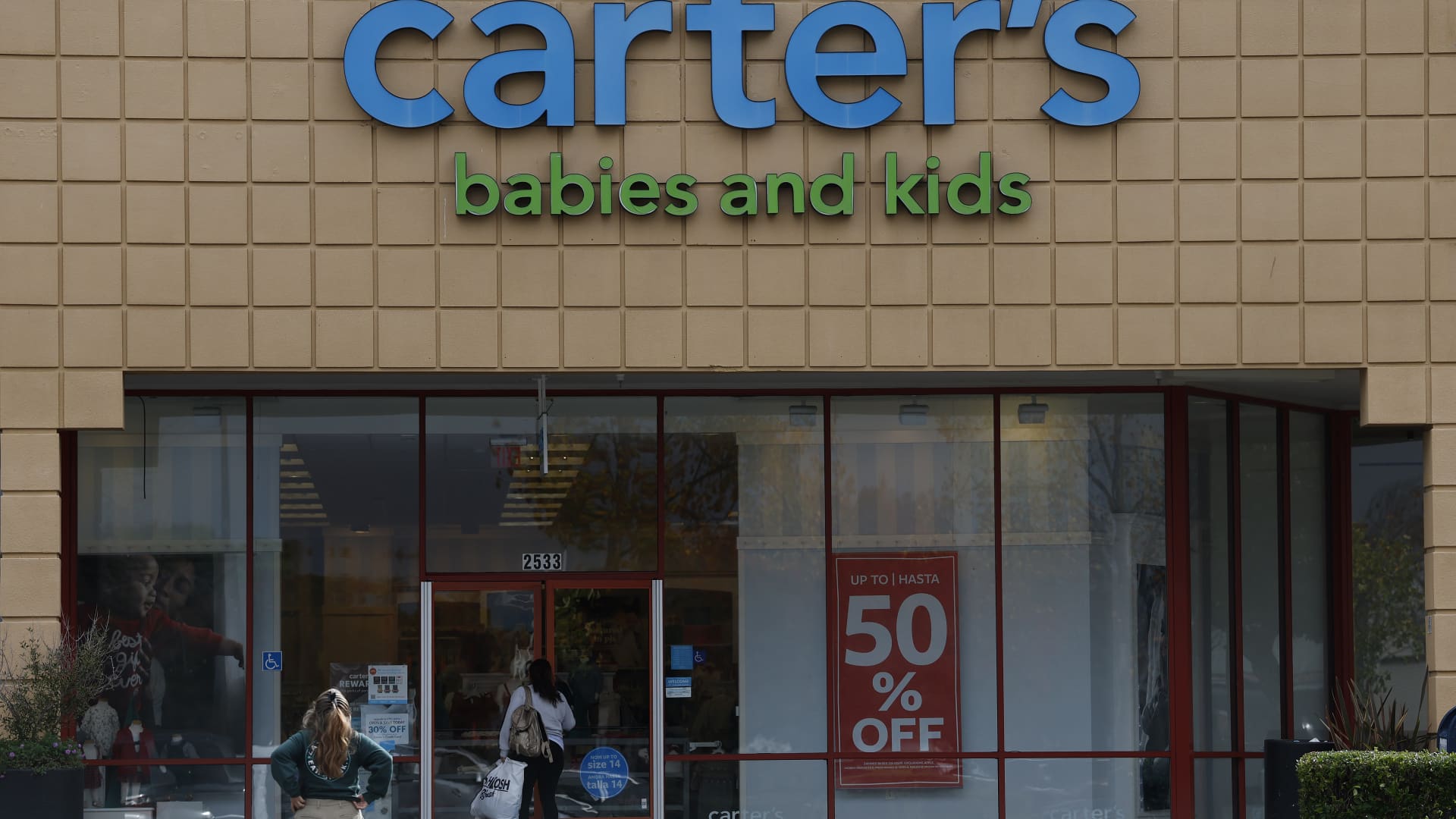
Children’s clothing giant Carter’s (CRI) is undertaking a significant rebranding effort, signaling a strategic pivot to attract the crucial demographic of Gen Z parents. This move comes as the 161-year-old company seeks to revitalize its market position following a period of sluggish performance and heightened competition in the baby and kids apparel sector. The initiative is a calculated response to evolving consumer values and digital consumption habits, essential for sustained relevance and operational efficiency.
🗝️ Corporate Strategy Insights
- Gen Z Focus. Carter’s is specifically targeting Gen Z parents, recognizing their distinct values and media consumption habits, which differ significantly from previous generations.
- Brand Revitalization. The rebranding, including a new logo and marketing campaign, aims to refresh a legacy brand that has experienced over 50% stock depreciation in three years, reflecting a broader attempt at corporate turnaround.
- Operational Efficiency & Growth. This strategic repositioning complements recent operational adjustments, such as store footprint reduction and workforce cuts, aiming to leverage market momentum from improved recent sales figures and tariff refunds for future growth.
Carter’s, a household name in children’s apparel, is actively repositioning its brand identity to resonate with a new cohort of parents. This Carter’s rebranding is a direct response to a challenging period, marked by a more than 50% plunge in its stock value over the past three years, bringing its market capitalization to approximately $1 billion. The company’s profitability suffered in the 2025 fiscal year, with adjusted net income dropping to $126.1 million from $210.7 million, attributed by former CEO Douglas Palladini to elevated product costs, higher tariffs, and increased investments.
In a significant effort to ‘rightsize’ operations, Carter’s initiated substantial cuts last October, eliminating 15% of its corporate workforce and closing 150 North American stores as leases expired. These decisive measures, though impactful, appear to be laying the groundwork for a potential turnaround. Recent financial indicators offer a glimmer of optimism: the first quarter of 2026 saw a 10.5% increase in U.S. comparable sales and an 8.1% jump in net sales. This renewed vitality coincides with the appointment of Sharon Price John, previously CEO of Build-A-Bear Workshop, as the new chief executive, signaling a fresh leadership direction.
Wells Fargo analysts, noting these operational adjustments, upgraded Carter’s stock from underweight to hold in June, citing ‘fundamental improvements.’ The company’s latest earnings call further reinforced this positive trend, reporting a mid-teens percentage growth in new customers, particularly among Generation Z shoppers. Carter’s leadership views these struggles as a ‘natural evolution’ for a company of its scale, emphasizing that adapting its retail footprint and corporate structure is simply ‘running a business’ effectively, a perspective crucial for understanding modern corporate growth strategies.
- The company expects full fiscal year net sales to climb between 2% and 3%.
- It also received approximately $128 million in tariff refunds, offsetting previous cost challenges.
- Gen Z parents are projected to form a major part of the new parent demographic, making their engagement critical for Carter’s long-term business strategy, as noted by CNBC’s reporting on the company’s CMO Sarah Crockett.
This strategic repositioning by Carter’s is set to create a significant ripple effect across the children’s apparel market. The rebrand, focused on Gen Z parents, implies a shift towards values like individuality and social media influence in purchasing decisions. This could compel competitors like private labels sold at major retailers such as Walmart and Target, or direct-to-consumer brands on Amazon, to reassess their own marketing and product development strategies. If Carter’s successfully captures the Gen Z market, it could lead to:
- Increased Market Share: A refreshed brand image and targeted marketing could draw new customers away from competitors, boosting Carter’s revenue and market share.
- Innovation Pressure: Competitors may feel pressure to innovate their product lines, marketing channels, and brand messaging to align with evolving parent preferences, particularly around sustainability, digital engagement, and child-led fashion choices.
- Digital Transformation Acceleration: Carter’s emphasis on social media influence among Gen Z parents suggests a deeper integration of digital strategies. This could accelerate the digital transformation efforts across the broader children’s retail sector, focusing on influencer collaborations, user-generated content, and personalized online experiences.
“Carter’s rebranding isn’t merely a cosmetic change; it’s a profound strategic adjustment to secure future market leadership by aligning with the psychological and digital realities of the next generation of consumers. Their focus on Gen Z values, such as child self-expression and social media influence, is a blueprint for sustained relevance in a rapidly evolving retail landscape.”
Recent Performance Indicators for Carter’s (CRI)
| Metric | Value | Significance |
|---|---|---|
| Q1 2026 U.S. Comparable Sales | +10.5% | Indicates a strong recovery in core market demand after previous declines. |
| Q1 2026 Net Sales | +8.1% | Reflects overall revenue growth, supporting the narrative of a business turnaround. |
| FY 2025 Adjusted Net Income | $126.1 Million | Shows profitability, though a sharp decline from previous year ($210.7M). |
| Tariff Refunds Received | ~$128 Million | Provides a significant capital injection, mitigating previous cost pressures and boosting liquidity. |
Carter’s Competitive Advantages Amidst Rebranding
Despite recent challenges, Carter’s maintains several core competitive advantages that the rebranding aims to amplify. Its 161-year legacy has built immense brand recognition and trust among multiple generations of parents. This established reputation, coupled with an extensive distribution network that includes its own stores and major retail partners like Walmart and Target, provides a broad market reach difficult for newer entrants to replicate. The company’s scale allows for efficient sourcing and production, potentially offering a cost advantage in mass-market children’s apparel. The strategic emphasis on understanding and catering to the distinct values of Gen Z parents, such as encouraging children’s self-expression, represents an intentional effort to future-proof these inherent strengths by adapting them to contemporary consumer psychology, as discussed on corporate growth platforms.
Carter’s Industry Benchmarking and Future Outlook
When benchmarking Carter’s against the broader children’s apparel industry, the company’s recent operational streamlining, including store closures and workforce reductions, aligns with a trend seen across legacy retailers adapting to e-commerce dominance. Its pivot to Gen Z, focusing on digital engagement and evolving parent values, positions it similarly to agile direct-to-consumer brands that have rapidly gained market share. The appointment of Sharon Price John, with her background at Build-A-Bear Workshop, suggests a focus on brand experience and emotional connection, crucial elements for success in a competitive market. The forecasted 2-3% net sales climb for the full fiscal year, combined with significant tariff refunds, indicates a stabilization that many industry analysts, including those contributing to financial news outlets, will be watching closely for sustained momentum.
Carter’s Strategic Evolution: A New Chapter for Children’s Apparel
The multi-faceted turnaround at Carter’s, underscored by its significant rebranding initiative, marks a pivotal moment for the company. By shedding underperforming assets and precisely targeting the next generation of consumers, Carter’s is not just adapting but actively shaping its future relevance. This strategic blend of operational efficiency and targeted brand rejuvenation demonstrates a clear path toward reclaiming market leadership.
- The rebrand is essential for connecting with Gen Z parents’ unique purchasing behaviors and values.
- Recent financial improvements, new leadership, and tariff refunds provide a robust foundation for the refreshed strategy.
- Successful execution could establish a new benchmark for how legacy brands effectively navigate generational shifts in consumer markets.
What further innovations will Carter’s pursue to solidify its competitive edge in the rapidly evolving retail landscape?
📊 StockXpo Analyst’s View
Market Impact: Carter’s strategic move to revitalize its brand and operational structure could positively influence investor sentiment, reflecting a successful navigation of retail headwinds. The focus on Gen Z, a demographic with increasing purchasing power, signals a forward-thinking approach that could lead to improved market liquidity and valuation, particularly if execution translates into sustained revenue growth and expanded market share.
Sector To Watch: The broader children’s apparel and specialty retail sectors warrant close attention. Competitors who fail to adapt their brand messaging and digital engagement strategies to align with the values of Gen Z parents risk losing ground. This development could spur further M&A activity or strategic alliances as companies seek to enhance their market positioning and operational efficiency. For more insights on investment analysis, visit StockXpo.com. Educational insights on these trends can be found by exploring StockXpo’s blog.
Financial Disclaimer:
StockXpo.com is a financial news aggregator and educational portal, not a registered investment advisor or broker-dealer. All information, news, and analysis provided herein are strictly for educational purposes and do not constitute investment, financial, legal, or tax advice. Investing in the stock market involves high risks, and past performance is not indicative of future results. StockXpo will not be liable for any financial losses or investment damages. Always consult a certified financial advisor before making market decisions.
MORE IN INSIDE BUSINESS
Wonder’s Ambitious Strategy: Texas Expansion, Automation, and an IPO Path
Published: Sunday, October 25, 2026 · 9:32 AM

Young Airplane Scrapping: A $17 Million Engine Crisis Reshaping Aviation
Published: Saturday, October 24, 2026 · 8:26 AM


