Published: Tuesday, September 15, 2026 · 2:27 AM | Updated: Tuesday, September 15, 2026 · 2:27 AM
📊 434 views




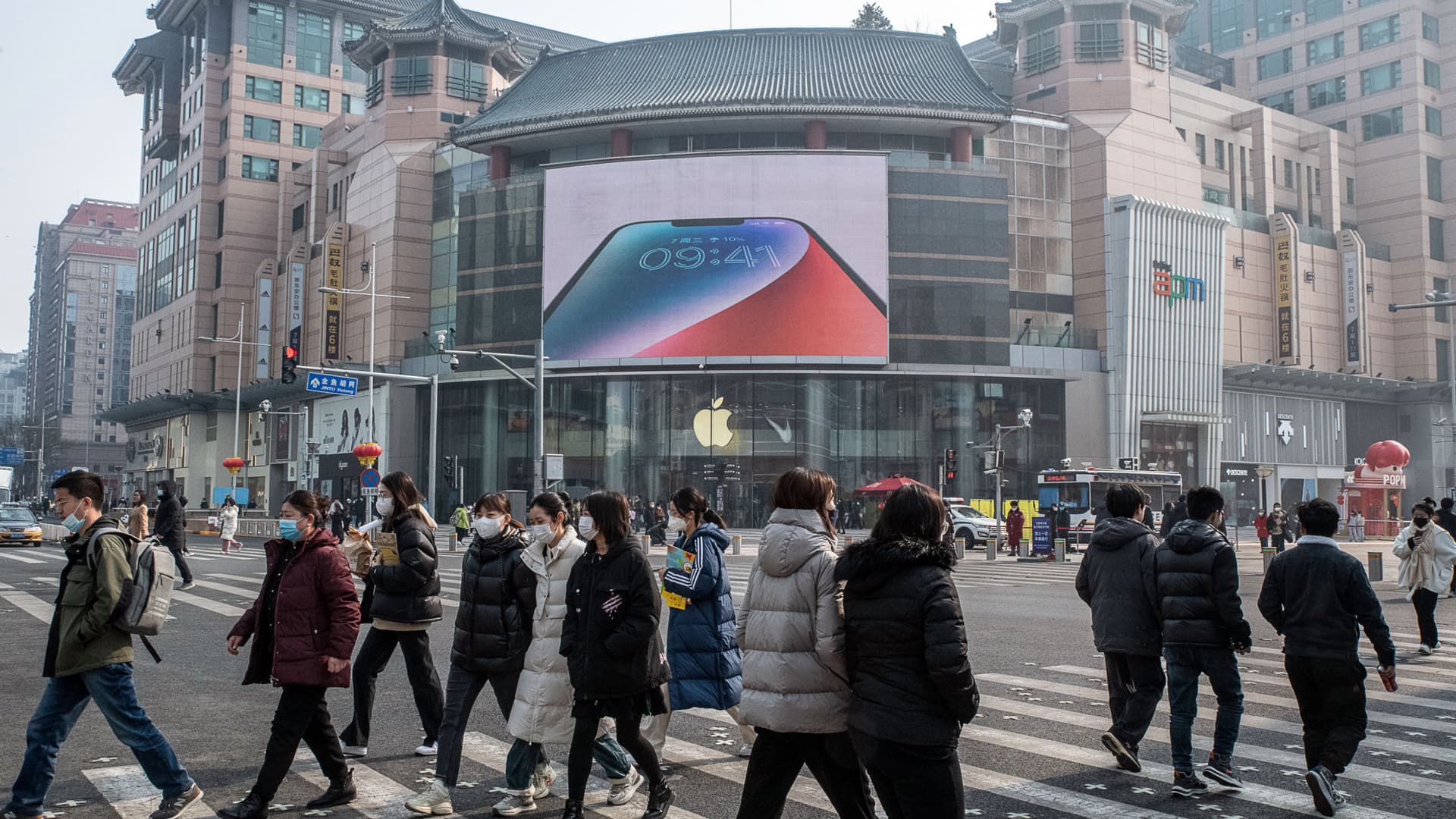
Beijing faces escalating economic challenges as official data reveals that China’s Retail Sales unexpectedly missed forecasts in August, alongside a deepening slump in fixed-asset investment. These figures intensify calls for more aggressive policy intervention, even as authorities signal an ‘acute’ domestic supply-demand imbalance.
💰 Financial Strategy & Market Insights
- Consumer Weakness Persists. August retail sales growth of 0.4% year-on-year significantly underperformed expectations, indicating muted consumer confidence and demand despite prior reopening efforts.
- Investment Slump Deepens. Urban fixed-asset investment contracted by 7.2% in the first eight months, worsening from a 6.7% decline, primarily due to ongoing property sector woes and cautious corporate spending.
- Policy Efficacy in Question. Despite incremental stimulus measures and a central bank pledge for support, credit expansion in August severely missed forecasts, highlighting a struggle to ignite corporate and household borrowing appetite.
The National Bureau of Statistics (NBS) reported a stark slowdown in China’s Retail Sales growth to just 0.4% in August, falling short of economists’ 0.8% forecast and decelerating from July’s 0.6%. This consumer malaise is compounded by urban fixed-asset investment shrinking 7.2% year-on-year for January-August, a further decline from the 6.7% contraction observed through July. These figures paint a challenging picture for the world’s second-largest economy, struggling to regain momentum after a weak second quarter.
In contrast, industrial output showed resilience, expanding by 5.2% in August, surpassing July’s 4.5% and analysts’ 4.8% estimates. This uptick, possibly fueled by global AI investment lifting demand for Chinese semiconductors and tech hardware, provides a nuanced perspective on the economy’s underlying dynamics. However, the NBS itself warned of an ‘acute’ domestic imbalance between ‘strong supply and weak demand,’ underscoring the structural issues at play. The urban survey-based unemployment rate also slightly increased to 5.3% in August.
Despite the mounting pressure, Beijing has largely opted for targeted, incremental stimulus measures rather than broad-based interventions. Recent efforts include increased government bond issuance and expanded loan-interest subsidies for small businesses. Yet, the efficacy of these policies remains uncertain. China’s credit expansion in August disappointed significantly, with new bank loans expanding by a mere 60 billion yuan ($8.95 billion) against a forecast of 400 billion yuan, and outstanding loan growth hitting a record-low of 4.9%. This suggests that policy tools are struggling to translate into actual borrowing and spending in the economy.
Economists at Oxford Economics now project third-quarter growth at 4.3%, potentially missing Beijing’s annual target of 4.5% to 5%. They emphasize that weak consumption and the ongoing property slump remain the primary drags. ANZ Research analysts suggest that September could be a critical policy window to boost business confidence ahead of the Golden Week holidays, advocating for more fiscal support. The broader financial sector awaits clear signals from Beijing to assess market liquidity and investment sentiment, as outlined in our general market analysis. For deeper insights into global trends, visit Bloomberg Markets.
- The stark contrast between robust industrial output and flagging retail sales and investment highlights a complex economic landscape. While external demand for tech goods provides some cushion, internal consumer and investment confidence remains elusive.
- The Chinese government’s cautious approach to stimulus, favoring targeted measures over large-scale fiscal injections, reflects a delicate balancing act to manage debt while supporting growth. The challenge lies in stimulating genuine demand amidst structural imbalances.
Risk vs. Reward: Navigating China’s Economic Crosscurrents
- Upside Potential:
- Targeted Stimulus Success: Should Beijing’s incremental fiscal and monetary policies eventually gain traction, especially in boosting household consumption and infrastructure spending, economic activity could rebound.
- Tech & Export Resilience: Continued strong global demand for high-tech manufacturing and semiconductors could partially offset domestic weaknesses, providing an export-driven floor to growth.
- Property Sector Stabilization: Any signs of stabilization in the beleaguered property sector, even if gradual, could significantly improve investor and consumer sentiment.
- Downside Risks:
- Persistent Demand Weakness: If consumer confidence remains depressed and investment reluctance deepens, the ‘strong supply, weak demand’ imbalance could lead to deflationary pressures and prolonged slowdown.
- Policy Inefficacy: A continued failure of stimulus measures to translate into tangible credit expansion and economic activity could necessitate more drastic, potentially disruptive, policy shifts.
- Geopolitical Headwinds: Intensified external environment concerns, as noted by the NBS, coupled with ongoing trade tensions or supply chain disruptions, could further dampen export growth and foreign investment.
Understanding Fixed-Asset Investment: Fixed-asset investment (FAI) represents the capital spent on tangible assets like property, infrastructure, machinery, and equipment. In China, FAI is a critical driver of economic growth, particularly in urban areas. A deepening slump in FAI, especially in property, signals reduced confidence in future economic prospects and a significant drag on overall growth potential. This directly impacts asset valuation in sectors heavily reliant on capital expenditure and government spending.
Key Economic Indicators: China’s August Performance
| Metric | August Data (YoY) | July Data (YoY) | Economist Forecast |
|---|---|---|---|
| Retail Sales Growth | 0.4% | 0.6% | 0.8% |
| Industrial Output Growth | 5.2% | 4.5% | 4.8% |
| Urban Fixed-Asset Investment (Jan-Aug) | -7.2% | -6.7% (Jan-Jul) | -7.2% |
| Urban Survey-based Unemployment Rate | 5.3% | 5.2% | N/A |
| New Bank Loans | 60 billion yuan | 590 billion yuan (prior year) | ~400 billion yuan |
| Outstanding Loan Growth | 4.9% | N/A | N/A |
China’s Market Sentiment Tracker
Market sentiment in China remains largely cautious, reflecting the mixed economic signals. While manufacturing data, particularly for new orders, showed a return to expansion in August, the persistent weakness in consumer spending and property investment casts a shadow over broader confidence. The disappointing credit expansion figures further exacerbate concerns about the effectiveness of Beijing’s stimulus efforts, indicating that despite policy intentions, market participants are hesitant to take on new debt or ramp up investments. This lukewarm sentiment impacts capital shifts, often leading to a preference for safer assets or increased outflows, complicating Beijing’s efforts to stimulate internal demand. For current market analysis, investors often look to independent financial news for broader perspectives.
Asian Asset Valuation Dynamics
The current economic landscape in China has significant implications for asset valuation across Asia. With ongoing property sector vulnerabilities and subdued domestic demand, sectors like real estate, consumer discretionary, and certain manufacturing segments within China face downward pressure on valuations. However, the unexpected strength in industrial output, driven partly by global AI demand, could buoy valuations in specific technology and industrial hardware segments. Regional spillover effects are also critical; as China slows, demand for raw materials and components from other Asian economies can soften. Investors are closely monitoring policy responses from Beijing, as any substantial stimulus could rapidly re-rate undervalued assets, while a protracted slowdown would necessitate further re-evaluation of regional equity and bond markets. More in-depth financial sector insights are available on StockXpo.
Beijing’s Economic Tightrope: What Comes Next for China’s Retail Sales?
The latest economic data from China underscores a critical juncture for Beijing’s policymakers, with disappointing retail sales and a deepening investment slump overshadowing resilient industrial output. The central challenge remains stimulating domestic demand and investor confidence without incurring excessive debt.
- Policymakers are likely to intensify targeted support for consumption and infrastructure, although a large-scale stimulus package appears unlikely given current growth targets and existing debt concerns.
- The property sector’s recovery remains pivotal; its continued weakness will exert substantial drag on both investment and broader economic sentiment.
- Investors should prepare for continued volatility and nuanced sector performance, with technology and export-oriented industries potentially outperforming domestic consumer-facing businesses.
Will Beijing’s measured approach be enough to reignite a robust recovery, or will more decisive action become inevitable?
📊 StockXpo Analyst’s View
Market Impact: The mixed economic signals from China will likely sustain cautious investor sentiment globally, particularly concerning emerging markets. While industrial resilience offers a silver lining, the weakness in China’s Retail Sales and investment suggests persistent disinflationary pressures and potential contagion risks for global growth. We expect continued capital shifts away from broad-based Chinese equities toward specific, export-driven tech plays.
Sector To Watch: Given the divergence, the high-tech manufacturing sector, especially those benefiting from AI-related demand, could show relative strength. Conversely, the real estate and consumer discretionary sectors face ongoing headwinds, requiring careful risk management. For educational financial insights, visit our blog for analysis.
Financial Disclaimer:
StockXpo.com is a financial news aggregator and educational portal, not a registered investment advisor or broker-dealer. All information, news, and analysis provided herein are strictly for educational purposes and do not constitute investment, financial, legal, or tax advice. Investing in the stock market involves high risks, and past performance is not indicative of future results. StockXpo will not be liable for any financial losses or investment damages. Always consult a certified financial advisor before making market decisions.
MORE IN INSIDE FINANCE

AI Stock Boom Fuels $67 Billion Equities Growth for Wall Street Giants
Published: Wednesday, October 21, 2026 · 11:03 AM

New Risks Emerge: Global Finance Chiefs Highlight Debt, AI, and Geopolitical Volatility
Published: Tuesday, October 20, 2026 · 2:12 AM