Published: Monday, September 14, 2026 · 3:53 PM | Updated: Monday, September 14, 2026 · 3:53 PM
📊 677 views




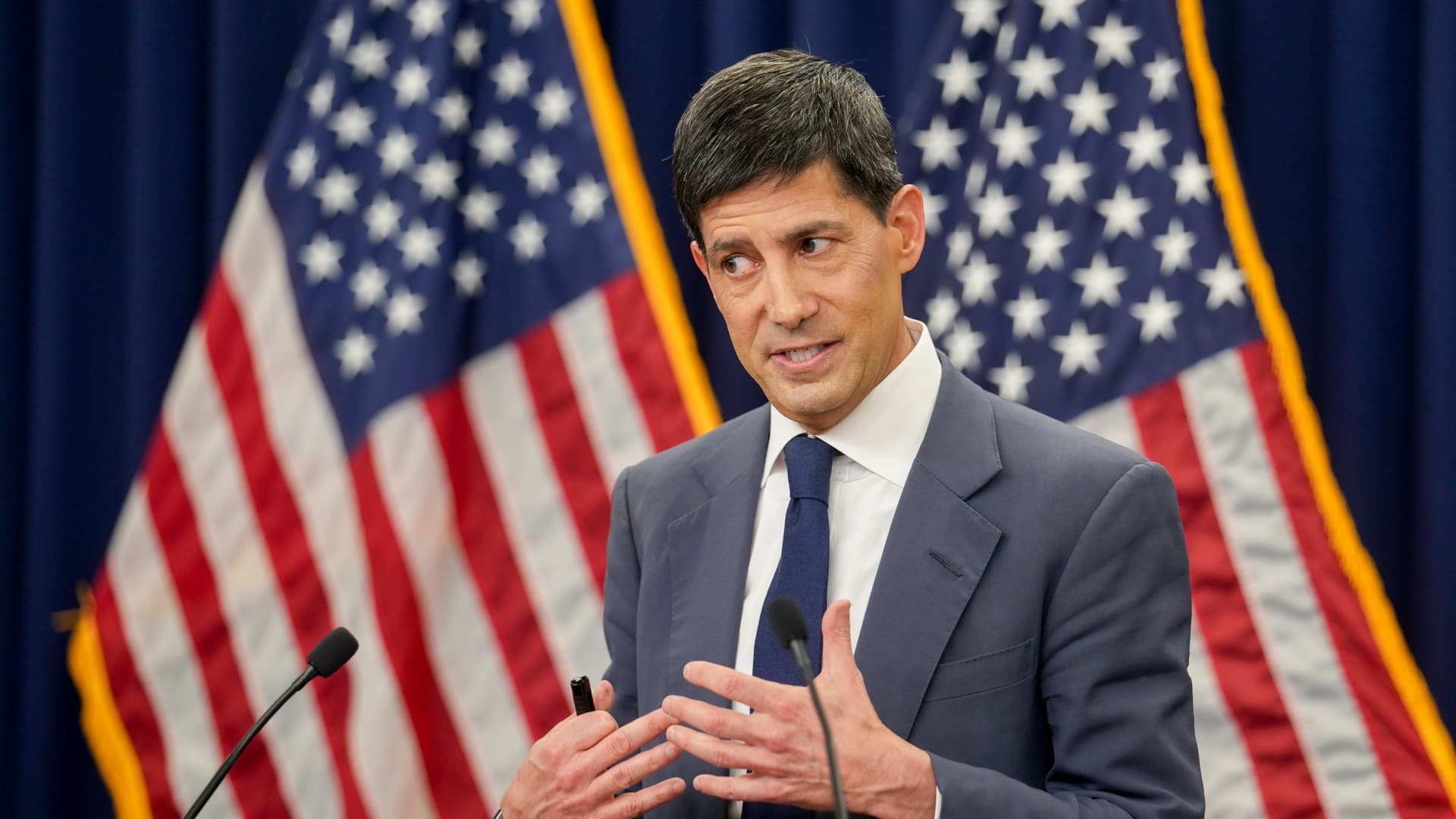
The Federal Reserve stands at a critical juncture, with Chairman Kevin Warsh navigating a complex vote on an anticipated interest rate hike that carries significant implications for global economic stability. This decision comes amidst persistent inflation pressures and divergent views among policymakers, shaping market expectations and future fiscal direction.
📊 Macro-Economic Strategic Insights
- Near-Certain Hike. Markets are pricing in over a 92% probability of a quarter-point rate increase, primarily driven by recent inflation data and rising fuel costs.
- Policy Divisions. Significant internal dissent within the FOMC persists, with some members advocating for patience due to temporary inflationary factors like tariffs and energy shocks.
- Credibility at Stake. Chairman Warsh faces pressure to act on previous hawkish remarks, as inaction could damage the Fed’s credibility and its commitment to the 2% inflation target.
Markets have largely priced in a near-certain quarter-percentage-point interest rate hike for the upcoming Federal Open Market Committee (FOMC) meeting, with futures traders indicating over a 92% probability of a move this week and a greater than 75% chance of another hike in December, according to the CME Group’s FedWatch tool. This aggressive market expectation follows a renewed surge in fuel prices and August inflation data, which showed a headline Consumer Price Index (CPI) running at a 3.4% annual rate, albeit with the core rate (excluding food and energy) at a more benign 2.4%. These figures underscore the Federal Reserve’s challenge in reigning in price pressures.
The prospect of an interest rate hike is complicated by substantial internal divisions within the Fed. While Chairman Warsh’s recent comments in Jackson Hole signaled a hawkish stance, several key policymakers, including Governor Christopher Waller and New York Fed President John Williams, have urged patience. Waller argued that a 25 basis point hike would not immediately bring CPI down to 2%, suggesting the cost of waiting one meeting is minimal. Similarly, Williams previously expressed a belief that inflation has peaked, advocating for a ‘wait-and-see’ approach. Goldman Sachs economists, despite changing their call to a hike due to market pressure, initially saw no strong economic case for a move, attributing much of the inflation overshoot to one-time factors like tariffs and energy supply shocks from the Iran war, which are expected to fade. This internal debate reflects a fundamental split between those who believe inflation is temporary and those concerned about price pressures becoming entrenched.
At the July meeting, three regional presidents—Lorie Logan of Dallas, Beth Hammack of Cleveland, and Neel Kashkari of Minneapolis—dissented, favoring a quarter-point hike. For a majority vote this week, four additional members would need to shift their positions from hold to hike. Governor Lisa Cook has expressed readiness to act on inflation, while Governor Michael Barr is open to a hike if inflation doesn’t ease. Conversely, Philadelphia Fed President Anna Paulson and Chicago’s Austan Goolsbee have leaned towards a more patient approach. The final vote margin will not only reveal the extent of the intellectual divide but also the effectiveness of Warsh’s leadership in guiding the committee. JPMorgan’s chief global strategist, David Kelly, suggests that members on the fence might join a majority decision to present a united front to the public and the President, potentially leading to fewer dissents than currently expected.
Post-vote, attention will shift to the Fed’s ‘dot plot’ update, which anonymously projects rate expectations for all 19 participants, including the first look at 2029. Investors will scrutinize the conviction for two hikes this year and the outlook for 2027, as the Fed typically moves in cycles rather than with isolated adjustments. A narrow 10-8 vote in favor of a single hike could indicate underlying ambivalence among participants, while a stronger majority for two hikes might signal a more aggressive response to prevailing economic pressures.
The **interest rate hike** decision has several significant ripple effects:
- Higher Fuel Prices + Supply Shocks → Elevated Headline CPI → Increased Pressure for Fed Rate Hikes
- Fed **Interest Rate Hike** → Higher Borrowing Costs → Potential Moderation in Economic Activity + Reduced Inflationary Pressures
- Market Expectation of Hike → Fed Action → Preserved Central Bank Credibility + Reduced Market Volatility (in the short term)
The Federal Open Market Committee (FOMC) is the monetary policymaking body of the Federal Reserve System, comprising 12 members who deliberate on the path of interest rates and other monetary tools to foster maximum employment and price stability. A divided FOMC vote not only highlights intellectual disagreements on economic outlook but can also signal potential challenges for leadership in building policy consensus.
| Metric | Current Status (2026) | Significance |
|---|---|---|
| Fed Funds Rate (Benchmark) | 3.50% – 3.75% | The target for overnight borrowing, influencing broader lending rates. |
| Headline CPI (August) | 3.4% | Overall inflation rate, showing persistent price pressures. |
| Core CPI (August) | 2.4% | Inflation excluding volatile food and energy, closer to Fed’s 2% target. |
| Probability of Current Hike | >92% (CME FedWatch) | Market’s strong expectation of an immediate quarter-point increase. |
| Probability of Dec Hike | >75% (CME FedWatch) | Indication of market’s belief in a sustained tightening cycle. |
These metrics underscore the prevailing inflationary environment and the market’s firm belief that the Federal Reserve must respond with an interest rate hike to maintain price stability, despite internal divisions on the appropriate timing and necessity.
Global Benchmarking: Navigating International Economic Headwinds
The Federal Reserve’s impending interest rate hike decision is not made in isolation. Central banks globally are grappling with similar inflationary pressures and differing economic growth trajectories. While some, like the European Central Bank, have also moved to tighten policy, others face unique challenges. The strength of the U.S. dollar, influenced by these economic policy decisions, directly impacts global trade and capital flows. Investors looking for a comprehensive understanding of current global economic developments can refer to Bloomberg Economics. The synchronized or asynchronous nature of monetary policy across major economies can either amplify or mitigate the impact of domestic rate adjustments, making international comparisons crucial for assessing macro-stability.
US Regional Trends: Diverse Economic Pressures Across States
Beneath the national aggregates, regional economies within the United States exhibit varied responses to inflation and economic stimulus. While some manufacturing hubs might experience robust growth, others might face slower expansion due to labor shortages or specific supply chain disruptions. The Federal Reserve’s twelve regional banks provide critical intelligence on these localized conditions, feeding into the broader FOMC deliberations. Understanding these disparities is key to appreciating the complexity of the Fed’s mandate, as a single national interest rate hike can have uneven effects. For more in-depth financial analysis on how these variations impact different parts of the economy, StockXpo’s educational insights offer valuable perspectives.
The Federal Reserve’s Interest Rate Hike: A Test of Policy Conviction
The impending interest rate hike decision by the Federal Reserve marks a critical moment for Chairman Warsh and the FOMC, as they balance market expectations against internal policy debates. The vote’s margin and subsequent forward guidance will be instrumental in shaping economic outlooks and investor confidence for the remainder of 2026 and into 2027.
- Policy credibility hinges on aligning actions with the Fed’s inflation-fighting rhetoric.
- The ‘dot plot’ will reveal the committee’s collective outlook for future rate adjustments.
- Uncertainty remains regarding the long-term impact of temporary inflation drivers like energy prices and tariffs.
As the Fed navigates these complex economic currents, can it effectively steer the economy towards sustainable growth while maintaining price stability?
📊 StockXpo Analyst’s View
Market Impact: A definitive interest rate hike, even if anticipated, could still trigger short-term volatility in equity and bond markets as investors re-evaluate valuations. However, a united front from the Fed could instill confidence, suggesting a clear path towards inflation control, potentially stabilizing long-term yields. Any unexpected hold, conversely, might lead to significant market disruption and a credibility crisis, prompting investors to seek out alternative strategies on global stock markets. For more on broader economic shifts and their implications, see Reuters Economy.
Sector To Watch: Sectors sensitive to borrowing costs, such as real estate and highly leveraged technology companies, will face immediate pressure. Conversely, financials, particularly banks, may see improved net interest margins. Energy stocks could remain volatile given the geopolitical backdrop, while consumer staples might offer relative stability amidst inflationary concerns.
Financial Disclaimer:
StockXpo.com is a financial news aggregator and educational portal, not a registered investment advisor or broker-dealer. All information, news, and analysis provided herein are strictly for educational purposes and do not constitute investment, financial, legal, or tax advice. Investing in the stock market involves high risks, and past performance is not indicative of future results. StockXpo will not be liable for any financial losses or investment damages. Always consult a certified financial advisor before making market decisions.
MORE IN INSIDE ECONOMY
Trump Economic Approval Plummets: A Warning for Macro Stability
Published: Thursday, October 22, 2026 · 9:12 AM
UK Inflation Jumps to 3.5%: Cementing Rate Hike Expectations
Published: Wednesday, October 21, 2026 · 2:51 AM