
Published: Monday, September 14, 2026 · 3:22 PM | Updated: Monday, September 14, 2026 · 3:22 PM
📊 344 views




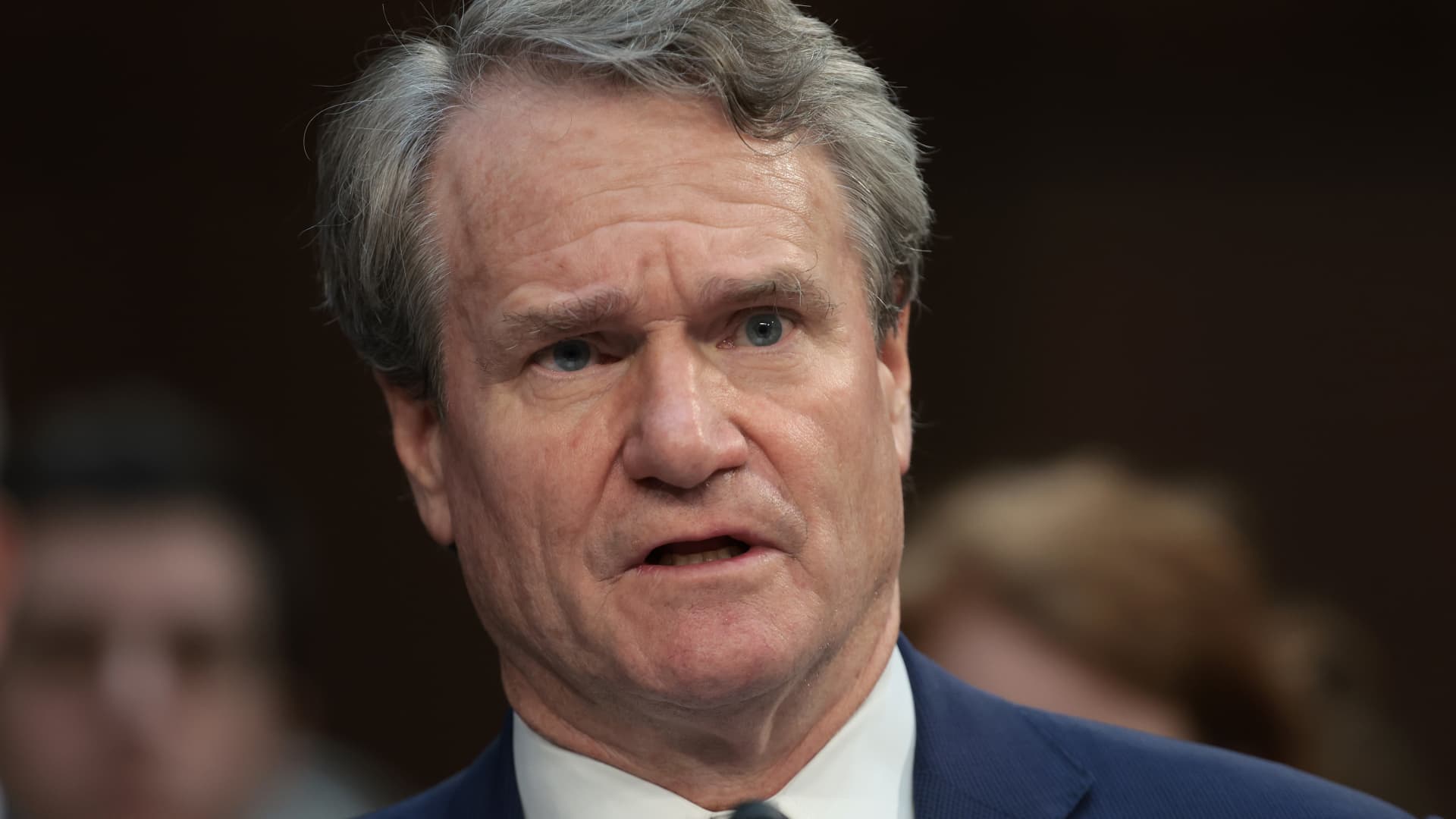
Bank of America, one of the nation’s largest financial institutions, has issued a cautious outlook for its third-quarter performance, projecting a significant drop in investment banking fees. This announcement from CEO Brian Moynihan signals potential turbulence across Wall Street, raising questions about the sustainability of the recent capital markets rebound.
🗝️ Corporate Strategy Insights
- Revenue Diversification Challenge. While trading revenue is expected to remain flat, the sharp decline in advisory fees highlights a vulnerability in volatile market conditions.
- Market Positioning Under Scrutiny. CEO Moynihan’s admission that BofA is ‘not as well positioned’ in active business areas suggests a need to re-evaluate segment focus for sustained growth.
- Operational Efficiency Pressure. A double-digit decline in a key revenue stream will intensify pressure on Bank of America to optimize its cost structures and operational efficiency.
Speaking at a Barclays conference, Bank of America CEO Brian Moynihan outlined expectations for a greater than 10% year-over-year decline in investment banking fees for the third quarter. This forecast contrasts sharply with a robust second quarter that saw a 50% surge in investment banking fees and a 33% increase in trading revenue, according to CNBC. Moynihan attributed the anticipated slowdown to a broader market trend, citing Dealogic data indicating a general 10% downturn in the investment banking sector. However, he noted Bank of America’s specific challenge: ‘We’re not as well positioned in some of the businesses that have more activity, so we’ll be down probably a bit more than that.’ This candid assessment suggests that while the overall market environment is tough, specific strategic gaps might be exacerbating BofA’s performance relative to peers.
The unexpected cooling comes after a period many viewed as an AI-fueled advisory and trading boom across Wall Street. Moynihan’s comments caused Bank of America shares to slide 5% in afternoon trading, reflecting investor anxiety over the bank’s near-term revenue prospects. While a robust middle-market deal pipeline was highlighted, the projected double-digit fee decline has raised questions about the durability of the recent surge in capital markets activity. Understanding company strategy and corporate growth can provide more context on these shifts.
- The projected decline in investment banking fees reflects a broader market contraction, impacting major financial players.
- Bank of America’s specific positioning in active business segments appears to be a factor in its expected underperformance relative to the overall market.
- Investor sentiment remains sensitive to guidance, especially following periods of strong performance, underscoring market volatility.
The ripple effect of Bank of America’s cautious guidance extends across the financial services sector. Competitors heavily reliant on advisory and underwriting revenues may face similar pressures, potentially dampening overall industry forecasts. This shift could lead to intensified competition for market share in remaining active segments and put renewed focus on revenue diversification strategies. Banks with stronger digital transformation initiatives or diversified revenue streams, particularly in wealth management or consumer banking, may prove more resilient. For example, a recent Reuters business report indicates how major firms are navigating market fluctuations. This scenario forces a re-evaluation of how capital is allocated across different business lines to optimize returns in a subdued deal environment.
The core strategic takeaway is that even industry titans like Bank of America are susceptible to macro-economic headwinds and require continuous recalibration of their competitive positioning within dynamic segments like investment banking.
Here are key operational indicators impacting Bank of America’s third-quarter outlook:
- Projected Q3 Investment Banking Fees Decline: >10% (YoY). This direct revenue impact is a primary driver of investor concern, reversing a strong Q2 trend.
- Projected Q3 Trading Revenue: Roughly flat (YoY). While stable, this doesn’t offset the significant decline in advisory services.
- Q2 Investment Banking Fees Growth: 50% (YoY). The stark contrast highlights the rapid shift in market conditions.
- Q2 Trading Revenue Growth: 33% (YoY). Demonstrates the robust capital markets activity that characterized the prior quarter.
These metrics provide a clear picture of the dramatic quarter-over-quarter swing in Wall Street activity and Bank of America’s exposure to these fluctuations.
Unpacking Bank of America’s Strategic Analysis
Bank of America’s strategic emphasis on diverse financial services, from consumer banking to global markets, aims to buffer against segment-specific downturns. However, the current outlook reveals a challenge in its investment banking arm. The admission of being ‘not as well positioned in some of the businesses that have more activity’ suggests either a misjudgment in anticipating market shifts or a deliberate, but currently disadvantaged, strategic focus. This moment calls for a deep dive into how effectively the bank can pivot resources and talent to capitalize on emergent opportunities, such as the noted ‘robust deal pipeline’ in middle-market investment banking. This involves assessing agility in a highly competitive landscape where market leadership requires constant adaptation.
Evaluating Bank of America’s Competitive Advantages Amidst Headwinds
Despite the short-term pressures on investment banking fees, Bank of America possesses significant competitive advantages, including its vast deposit base, expansive branch network, and integrated wealth management services. Its sheer scale and operational efficiency derived from a strong technology backbone provide a foundational moat against smaller players. However, maintaining these advantages in areas like investment banking requires continuous investment in talent, technology, and strategic client relationships to ensure it can compete effectively with specialized boutiques and more agile competitors. The current market dynamics will test the bank’s ability to leverage its broad platform to mitigate sector-specific weakness. Educational insights into complex financial market behaviors are crucial here.
Bank of America’s Next Quarter: Navigating Investment Banking Fees Turbulence
Bank of America’s projected decline in investment banking fees underscores a volatile period for Wall Street, challenging recent optimism. The bank’s candid outlook signals a need for strategic agility to adapt to shifting deal flow and market conditions. This period will be critical for demonstrating operational resilience and recalibrating growth initiatives.
- Market Adjustment: The banking sector is bracing for a potential cooling period after a hot Q2.
- Strategic Imperative: Bank of America must re-evaluate its positioning within key investment banking segments.
- Operational Focus: Heightened scrutiny on cost controls and efficiency will be paramount to sustain profitability.
How will major financial institutions adjust their long-term growth strategies in the face of such rapid market recalibrations?
📊 StockXpo Analyst’s View
Market Impact: The Bank of America guidance sends a clear signal that the broader market sentiment, particularly for financial services stocks, could face headwinds. Investors will be scrutinizing upcoming earnings reports from other bulge bracket banks for similar patterns. This news may prompt a more cautious approach to financial sector investments, particularly those with heavy reliance on capital markets activity, impacting overall stock markets.
Sector To Watch: Given the noted weakness in investment banking fees, the focus shifts to other revenue streams within diversified banks, such as wealth management, commercial lending, and consumer banking. Companies with strong, stable fee-based income outside of advisory work, or those showing robust loan growth in resilient sectors, might outperform. Furthermore, the middle-market segment, explicitly mentioned as a robust deal pipeline by Moynihan, could be a dark horse for continued activity, though potentially with lower fee structures. Forbes’ business coverage often highlights such sector dynamics.
Financial Disclaimer:
StockXpo.com is a financial news aggregator and educational portal, not a registered investment advisor or broker-dealer. All information, news, and analysis provided herein are strictly for educational purposes and do not constitute investment, financial, legal, or tax advice. Investing in the stock market involves high risks, and past performance is not indicative of future results. StockXpo will not be liable for any financial losses or investment damages. Always consult a certified financial advisor before making market decisions.
MORE IN INSIDE BUSINESS
Chick-fil-A’s Unwavering Family Strategy Fuels Expansion and Market Leadership
Published: Sunday, October 4, 2026 · 9:09 AM
Ynon Kreiz Joins Skydance: Operational Strategy for a Media Giant
Published: Saturday, October 3, 2026 · 7:59 AM


