
Published: Tuesday, September 1, 2026 · 4:56 AM | Updated: Tuesday, September 1, 2026 · 4:56 AM
📊 149 views




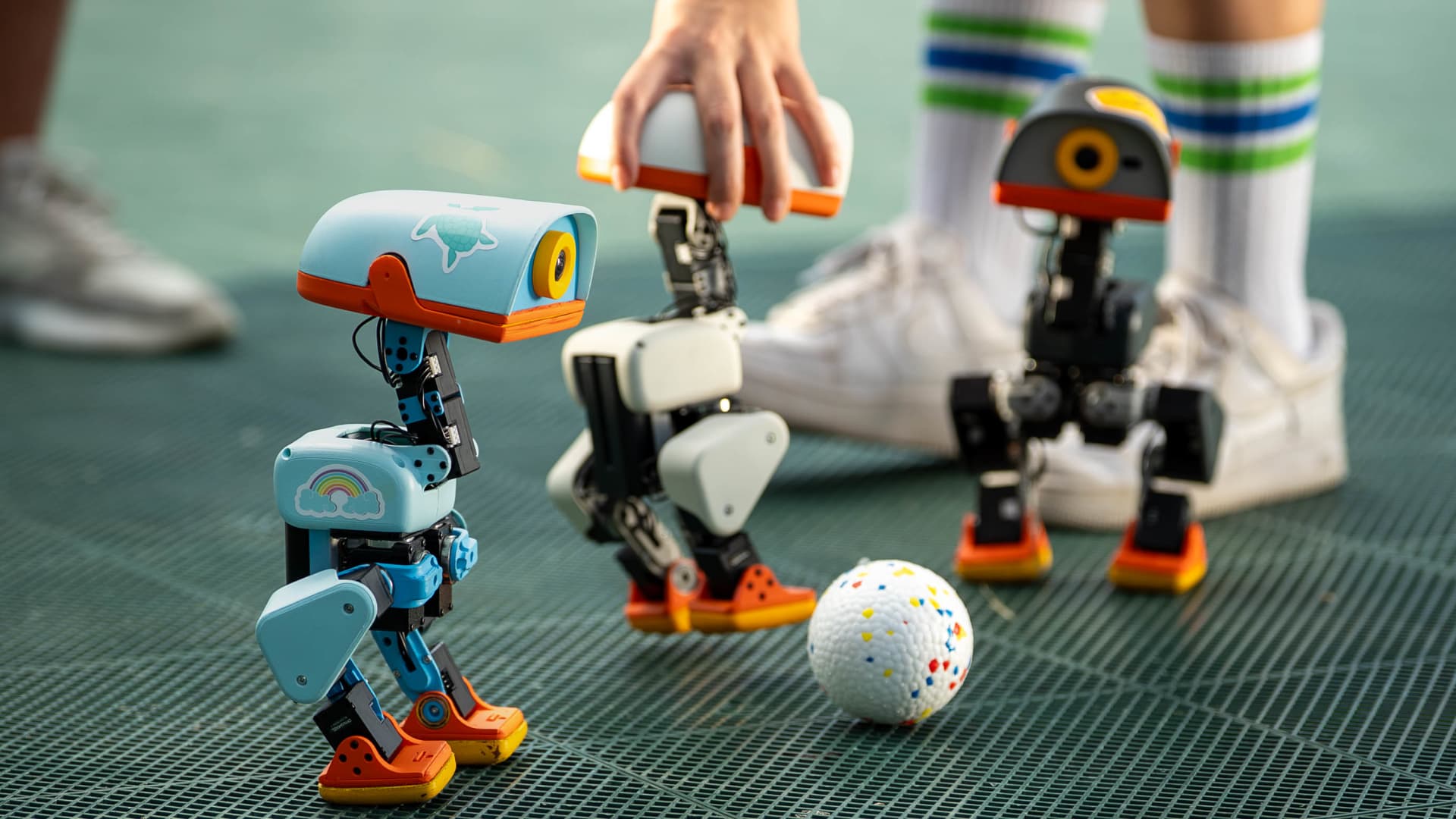
Hugging Face’s new programmable Microduck robot has achieved remarkable sales velocity, signaling robust consumer demand for AI-driven personal devices and highlighting the intricate dependencies within the global technology supply chain. This rapid market penetration, achieving over $4 million in revenue shortly after launch, offers a compelling case study in asset valuation and risk management within the burgeoning consumer robotics sector.
💰 Financial Strategy & Market Insights
- Accelerated Demand Signals. The Microduck robot’s rapid sales, exceeding 10,000 units and generating over $4 million, underscore a powerful consumer appetite for accessible, programmable robotics, indicating a potentially lucrative new asset class.
- Intertwined Global Supply Chains. The reliance on Shanghai-listed Rockchip and British ARM’s technology for the robot’s core processing unit exemplifies the complex, interdependent global nature of tech manufacturing, posing both efficiency benefits and geopolitical risks.
- Edge AI Market Validation. Rockchip’s role as a ‘key vendor’ for on-device AI chips, with strong revenue growth, validates the increasing importance of decentralized computing capabilities in consumer electronics and its implications for future investment trends.
Launched by Hugging Face’s French subsidiary Pollen Robotics, the colorful Microduck robot quickly sold more than 10,000 units since its recent debut. Priced at $399, this translates to over $4 million in revenue and has already pushed delivery times beyond the initial Christmas 2026 promise. This swift market absorption demonstrates a significant demand inflection point for interactive personal robots capable of learning from virtual simulations and goal-driven instructions.
The core of the Microduck robot’s functionality is powered by Rockchip’s RK3566 chip, a component that integrates technology licensed from British semiconductor giant ARM. This arrangement underscores the deep intertwining of global tech supply chains, where innovation often relies on cross-border collaboration and licensing agreements. Rockchip, a Shanghai-listed entity, has positioned itself as a crucial supplier for on-device AI solutions, particularly for applications like object detection and image recognition in machine vision.
Omdia chief analyst Lian Jye Su noted Rockchip’s significant footprint in edge AI, though he cautioned that the company’s chips are not designed for the most complex edge AI devices due to compute resource limitations. Nevertheless, Rockchip reported impressive financial results for the first half of the year, with operating revenue surging 40% year-on-year to 2.88 billion yuan ($428 million) and net profit excluding one-time items jumping over 60%. This performance reflects robust demand for their chips in various applications, including consumer robotics and other embedded AI solutions.
The strategic importance of the Microduck robot extends beyond its immediate sales figures. Hugging Face, known for its open-source machine learning platform, acquired Pollen Robotics last year. This move signals a deliberate expansion into hardware, leveraging their software ecosystem to drive innovation in physical AI devices. The broader market is also seeing increased activity in premium personal robotics, with startups like Zeroth launching humanoid robots and Mondo Robotics’ Wall-E-type cameraman robot exceeding funding goals on Kickstarter. These developments collectively indicate a rapidly expanding market for sophisticated consumer robots.
Key takeaways from the Microduck robot’s swift market entry and technological underpinnings include:
- The immediate and strong consumer validation for advanced, programmable personal robotics.
- The critical role of specialized chipmakers like Rockchip in enabling on-device AI capabilities.
- The continued reliance on foundational intellectual property, such as ARM’s architecture, in diverse hardware innovations.
- Hugging Face’s strategic pivot into hardware, potentially amplified by rumored acquisition interest from giants like Nvidia.
Risk vs. Reward in Consumer Robotics Investments
Investing in the nascent consumer robotics sector, exemplified by the Microduck robot’s success, presents a unique risk-reward profile for market participants.
- Upside Potential:
- High Demand Validation: The rapid sales demonstrate a proven market appetite for interactive, programmable consumer robots, suggesting strong growth runways.
- Technological Innovation Edge: Companies leveraging open-source software and edge AI processing, like Hugging Face, can foster ecosystems that drive continuous product improvement and user engagement.
- M&A Speculation: Rumors of Nvidia’s potential acquisition of Hugging Face highlight significant investor interest and could lead to substantial valuation uplifts for involved parties.
- Platform Lock-in: Successful open-source development platforms can create significant network effects, attracting developers and users, leading to long-term revenue streams.
- Downside Risks:
- Supply Chain Volatility: Heavy reliance on international chip manufacturers, especially from regions with geopolitical tensions, introduces significant supply chain risks and potential production delays.
- Intense Competition: A growing number of startups and established tech firms are entering the personal robot market, intensifying competition and potentially compressing margins.
- Chip Limitations: As noted by analysts, current on-device AI chips may lack the compute resources for complex generative AI, limiting future capabilities and adoption.
- Unconfirmed Acquisition Risks: The Nvidia acquisition remains unconfirmed, introducing uncertainty; if it falls through, market sentiment could sour.
What is Edge AI? Edge AI refers to the processing of artificial intelligence algorithms directly on a device (the ‘edge’) rather than in a centralized cloud server. This localized processing offers benefits such as reduced latency, enhanced data privacy, lower bandwidth usage, and improved reliability, making it crucial for applications in consumer robotics, autonomous vehicles, and industrial IoT. Financially, it enables new revenue streams through hardware sales and specialized chip development, attracting significant investment in this rapidly evolving segment of the financial sector.
Key Performance Metrics: Rockchip & Microduck
The financial performance of key players in the Microduck robot ecosystem provides valuable insights into market dynamics and investment trends.
- Rockchip Operating Revenue (H1): 2.88 billion yuan ($428 million), a 40% year-on-year increase.
- Rockchip Net Profit (H1, excl. one-time items): Surged over 60% year-on-year.
- Microduck Robot Units Sold: Over 10,000 units since launch.
- Microduck Robot Revenue: Over $4 million (based on $399 unit price).
Asset Valuation in the Robotics Sector
The strong reception of the Microduck robot spotlights the evolving metrics for asset valuation in the robotics sector. Traditional valuation models often struggle to capture the full potential of companies operating at the intersection of hardware, software, and AI. For firms like Pollen Robotics (acquired by Hugging Face), early sales figures, user engagement with open-source platforms, and the strategic positioning within a high-growth segment like edge AI become critical indicators. Future valuation trajectories will likely heavily weight recurring revenue potential from software or service subscriptions, developer community size, and the intellectual property protecting their unique robotic capabilities. The ability to scale production rapidly, as evidenced by the Microduck’s swift sell-out, also signifies operational efficiency and market responsiveness, factors that command a premium in asset appraisal. Investors are increasingly looking beyond simple profit margins to assess the ecosystem potential and long-term defensibility of these new-age tech assets, often seeking broader market analysis.
Market Sentiment Tracker for Consumer AI
Tracking market sentiment for consumer AI products is crucial, given the rapid technological advancements and shifting consumer preferences. The quick sell-out of the Microduck robot suggests a highly positive initial sentiment, fueled by innovative features, programmable capabilities, and the brand association with Hugging Face. This strong reception indicates that consumers are increasingly willing to invest in sophisticated AI-powered companions and tools, moving beyond simple smart speakers or vacuums. However, sentiment can be volatile, influenced by product performance, data privacy concerns, and competitive offerings. Companies like Zeroth and Mondo Robotics entering the fray will test the market’s capacity and price elasticity. Positive news, such as a confirmed Nvidia acquisition of Hugging Face, would undoubtedly boost investor confidence across the entire AI hardware spectrum. Conversely, supply chain disruptions or technical glitches could quickly dampen enthusiasm, creating significant shifts in industry finance news.
Hugging Face’s Robotics Play: A Future Market Barometer?
Hugging Face’s successful launch of the Microduck robot is more than just a product release; it’s a significant indicator of the growing consumer appetite for sophisticated, programmable AI hardware. This venture could serve as a barometer for future investment in the broader consumer robotics and edge AI markets, particularly as global tech supply chains continue to evolve.
- The immediate demand validates the commercial viability of open-source software platforms extending into physical robotics.
- The integration of Chinese chip technology with Western design highlights crucial interdependencies and potential points of geopolitical leverage in tech manufacturing.
- Investor sentiment is likely to remain keen on companies that can demonstrate both innovative AI software and tangible hardware sales, especially with major M&A rumors circulating.
How will this rapid consumer adoption reshape the broader AI hardware investment landscape?
### 📊 StockXpo Analyst’s View
Market Impact: The brisk sales of the Microduck robot inject fresh optimism into the consumer AI hardware segment, potentially encouraging increased venture capital and private equity interest in innovative robotics startups. This also underscores a growing trend of software-centric companies expanding into hardware, which could lead to new market liquidity dynamics and diversified investment opportunities beyond traditional tech giants.
Sector To Watch: Investors should closely monitor the ‘Edge AI Hardware’ and ‘Consumer Robotics’ sectors. Companies specializing in AI-optimized semiconductors, sensor technologies, and open-source robotics platforms are poised for significant growth. Furthermore, the semiconductor IP sector, with players like ARM, remains foundational, and any shifts in its licensing model could have ripple effects across the entire technology value chain for educational financial insights.
Financial Disclaimer:
StockXpo.com is a financial news aggregator and educational portal, not a registered investment advisor or broker-dealer. All information, news, and analysis provided herein are strictly for educational purposes and do not constitute investment, financial, legal, or tax advice. Investing in the stock market involves high risks, and past performance is not indicative of future results. StockXpo will not be liable for any financial losses or investment damages. Always consult a certified financial advisor before making market decisions.
MORE IN INSIDE FINANCE

Fixed Income: JPMorgan Calls it a Once-in-a-Generation Opportunity Amid Market Shifts
Published: Saturday, October 10, 2026 · 12:03 PM

Crypto Derivatives Trading: Blockchain.com’s Bold Move into U.S. Markets
Published: Friday, October 9, 2026 · 8:23 AM


