Published: Thursday, July 30, 2026 · 3:13 AM | Updated: Thursday, July 30, 2026 · 3:13 AM
📊 121 views




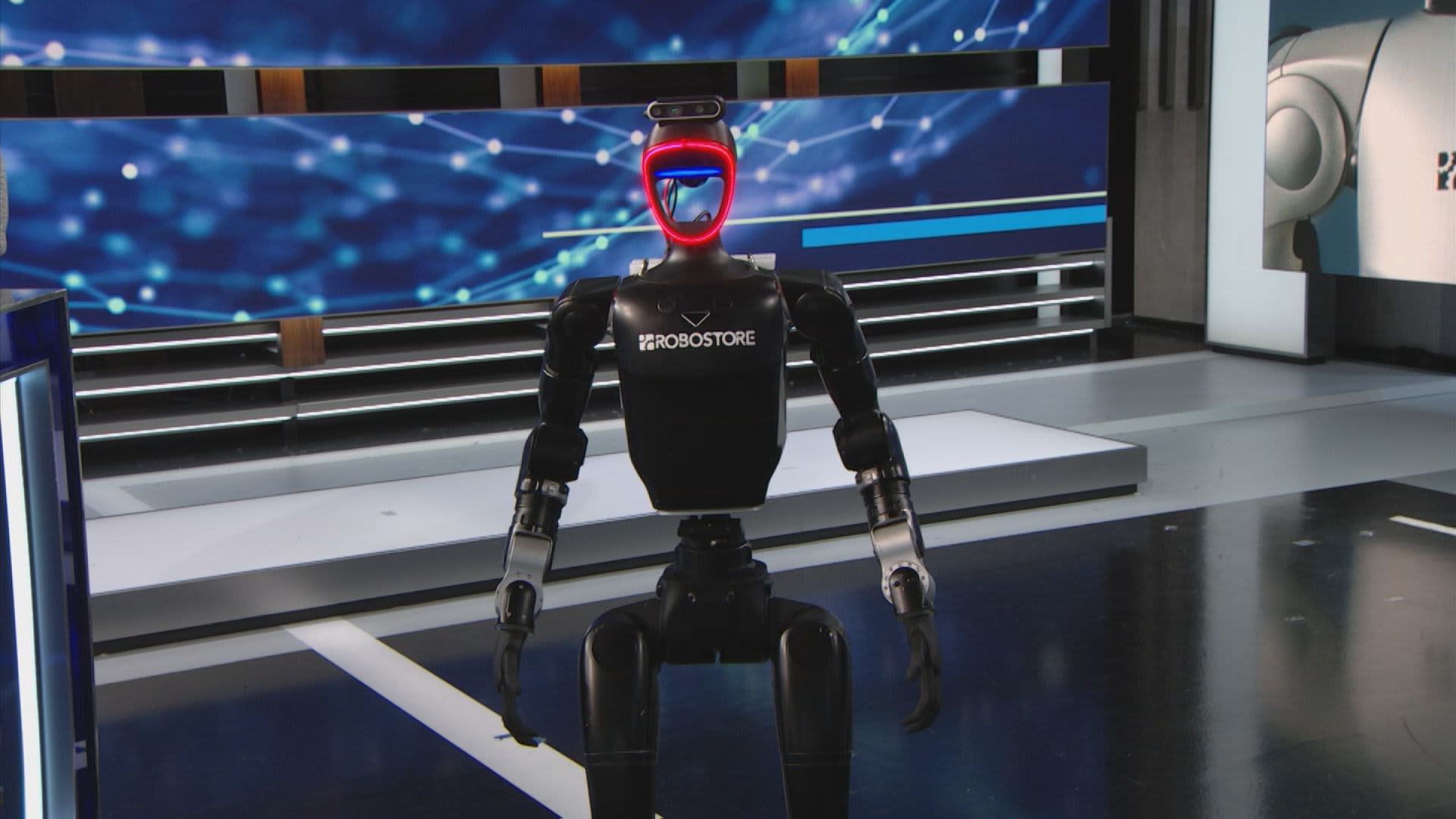
Beijing has issued a stern warning to Washington, threatening retaliatory measures in response to the U.S. Federal Communications Commission’s (FCC) recent decision to add foreign-made advanced robotic devices, including humanoids, to a restricted import list over cybersecurity concerns. This move, seen by China as a direct affront, could significantly escalate trade tensions between the two economic giants.
💰 Financial Strategy & Market Insights
- Trade Tensions Escalate. The U.S. FCC’s inclusion of advanced robotics on a restricted import list has provoked a sharp response from China, signaling a deepening rift in bilateral economic relations and potentially impacting global supply chains.
- IPO Market Vulnerability. Chinese humanoid robot developers with upcoming initial public offerings (IPOs) face heightened risk, as the ban could curtail their access to crucial U.S. markets, impacting investor confidence and valuation prospects.
- Geopolitical Leverage for China. Beijing possesses strategic tools such as restricting rare earth sales and limiting market access for U.S. companies, which it may deploy as countermeasures, creating significant ripple effects across various industries.
The FCC’s statement, which did not explicitly name China but targeted foreign-produced devices, stated that retailers could still import models previously approved by the commission. However, China’s Ministry of Commerce characterized the FCC’s actions as a continuous escalation of restrictions on Chinese goods that ‘severely damages China-U.S. economic and trade stability.’ The ministry’s online statement urged the U.S. to reconsider its decision, warning that failure to do so would compel China to implement countermeasures.
This diplomatic standoff occurs against a backdrop of rising U.S.-China tech competition, particularly in the artificial intelligence and advanced robotics sectors. U.S. Treasury Secretary Scott Bessent has previously indicated a willingness to sanction China for alleged AI model ‘theft,’ while President Trump has suggested a potentially more lenient approach to AI controls to maintain American technological leadership. The interplay of these policy stances creates a complex environment for international trade and investment.
According to research director Marc Einstein of Counterpoint Research, this situation presents a challenging outlook for Chinese humanoid robot manufacturers planning to go public. He noted that China’s potential responses could involve further restrictions on rare earth sales to U.S. companies or reduced market access for American tech giants like Tesla and NVIDIA. Companies such as Agibot, Unitree, and UBTech, which currently dominate the Chinese humanoid market, and even Tesla’s Optimus robot, are all exposed to these geopolitical shifts.
Chinese Robotics Sector Faces IPO Headwinds
The immediate market reaction saw shares of Hong Kong-listed UBTech briefly decline by over 6% on Thursday. Meanwhile, Unitree and Agibot are in the process of filing for their respective public offerings, potentially facing a more scrutinized and uncertain investor reception due to the escalating U.S.-China trade friction in the tech sector. Robostore, a North American distributor of Chinese humanoid robots, is reportedly expanding its U.S. operations in anticipation of evolving market dynamics.
Potential Upside and Downside Risks
- Upside:
- Diversification of supply chains by U.S. companies to mitigate reliance on China.
- Increased investment in domestic robotics research and development within the U.S.
- Potential for new international partnerships as companies seek alternative markets.
- Downside Risks:
- Disruption of established supply chains and increased costs for businesses reliant on Chinese robotics components.
- Retaliatory tariffs or trade barriers imposed by China on U.S. technology exports.
- A chilling effect on innovation and market growth due to heightened uncertainty and regulatory hurdles.
The FCC’s action, framed under cybersecurity concerns, acts as a significant non-tariff barrier, potentially influencing global standards for AI and robotics development. This could lead to a bifurcation of technological ecosystems, impacting the pace of innovation and market access for companies operating across different geopolitical blocs. Analyzing market sentiment surrounding these developments is crucial for navigating investment in this rapidly evolving sector, as detailed in our financial sector reports.
China-US Tech Relations Under Strain
The escalating restrictions on advanced robotics highlight the broader geopolitical tensions impacting the technology race between China and the United States. This development could lead to a more fragmented global market for critical technologies. Investors are closely monitoring these developments for potential impacts on sector valuations and supply chain stability. Further insights into market liquidity and investment trends can be found on our platform.
Humanoid Robot Market Sentiment Tracker
Market sentiment for Chinese humanoid robot companies, particularly those with U.S. market aspirations, has turned cautious. The immediate impact has been observed in stock price fluctuations of listed companies, such as UBTech. Analysts are weighing the potential for retaliatory measures from China, which could include restricting key raw materials like rare earths, a scenario that would significantly affect U.S. manufacturing capabilities.
China’s Robotics Sector Faces Strategic Crossroads
China’s response to the U.S. humanoid robot ban will be critical in shaping future bilateral trade relations and the global robotics landscape. The threat of retaliation suggests a willingness to use economic leverage, potentially impacting U.S. companies that depend on Chinese market access or resources. Investors should prepare for increased volatility and potential shifts in market dynamics.
- The ban poses a direct challenge to Chinese companies eyeing global market share, particularly in the U.S.
- Potential retaliatory measures by China could extend beyond robotics, affecting broader trade relationships.
- Geopolitical friction may accelerate the trend of supply chain diversification for multinational corporations.
What are the long-term implications for the global AI and robotics race if such trade restrictions become more commonplace?
📊 StockXpo Analyst’s View
Market Impact: The U.S. humanoid robot ban introduces significant geopolitical risk into the advanced technology sector, potentially impacting investor sentiment and capital allocation towards Chinese tech firms. This could lead to decreased liquidity for companies reliant on U.S. market access.
Sector To Watch: Robotics and AI development sectors globally will feel the impact. Companies that can navigate or are insulated from these geopolitical pressures may see a competitive advantage. The semiconductor and rare earth material industries could also experience shifts in demand and pricing dynamics, as discussed in global market analysis.
Financial Disclaimer:
StockXpo.com is a financial news aggregator and educational portal, not a registered investment advisor or broker-dealer. All information, news, and analysis provided herein are strictly for educational purposes and do not constitute investment, financial, legal, or tax advice. Investing in the stock market involves high risks, and past performance is not indicative of future results. StockXpo will not be liable for any financial losses or investment damages. Always consult a certified financial advisor before making market decisions.
MORE IN INSIDE FINANCE

Sports Betting Volatility: Gen Z’s Risky Financial Shift
Published: Sunday, October 4, 2026 · 10:11 AM

Brazil Election: Market Volatility Ahead Amidst Political Divide
Published: Saturday, October 3, 2026 · 11:30 AM