Published: Monday, August 31, 2026 · 11:52 AM | Updated: Wednesday, September 2, 2026 · 2:38 AM
📊 248 views




The recent influx of tariff refunds has introduced a complex layer to retailer earnings reports, forcing Wall Street and investors to decipher divergent corporate strategies. While these windfalls have undeniably boosted bottom lines, their varied application — from immediate price cuts to margin enhancements — creates a nuanced landscape for assessing intrinsic value and future growth trajectories.
💎 Strategic Investment & Portfolio Insights
- Divergent Retailer Strategies. Companies like Home Depot and Walmart prioritize consumer price reductions, while Lowe’s and Target leverage refunds to boost margins and EPS, signaling distinct market positioning and shareholder value approaches.
- One-Time Boost, Future Comparables Challenge. The immediate earnings uplift from tariff refunds will create artificially high comparables for next year, potentially masking underlying operational performance and complicating year-over-year growth analysis.
- Alpha Generation Through Supply Chain Agility. Beyond immediate financial impact, the tariff situation highlights the strategic importance of diversified and agile supply chains, offering a long-term alpha generation opportunity for retailers capable of adapting swiftly.
Following a landmark Supreme Court ruling in February 2026, which determined that President Donald Trump lacked the authority to impose specific tariffs under the International Emergency Economic Powers Act, a wave of tariff refunds began flowing to major retailers during the second quarter. This unexpected capital injection has significantly impacted earnings, helping companies mitigate rising operational costs, particularly fuel price inflation, and bolster gross margins. However, the corporate response to these refunds has been far from uniform, presenting a ‘choose your own adventure’ scenario for how these funds are ultimately deployed and reported.
AlixPartners managing director Bryan Eshelman noted two primary influences on how retailers managed these refunds: their market price position and the complexities of being the importer of record. Value-driven retailers, for instance, are more inclined to pass savings to consumers, leveraging the refunds to maintain competitive pricing. Conversely, companies not directly importing goods, or those facing intricate record-keeping challenges, often find it less straightforward to attribute rebates to specific products already sold. For deeper understanding and market analysis, investors frequently consult diverse financial platforms.
Several prominent retailers have taken distinct paths:
- Price-Focused Strategy: Companies like Home Depot (HD) and Walmart (WMT) explicitly channeled a substantial portion of their refunds into reducing costs of goods sold or lowering consumer prices. Home Depot reported receiving $730 million in tariff refunds, allocating approximately $685 million to reduce COGS, directly impacting its gross margin positively by 0.3%. Walmart’s CFO, John David Rainey, confirmed the company was eligible for roughly $2.9 billion in refunds, with plans to use these funds to lower prices for consumers in the current fiscal third quarter, which saw a 1.6% rise in Walmart U.S. gross profit. TJX Cos. also adopted this approach, directing its $331 million in refunds to benefit its second-quarter cost of sales.
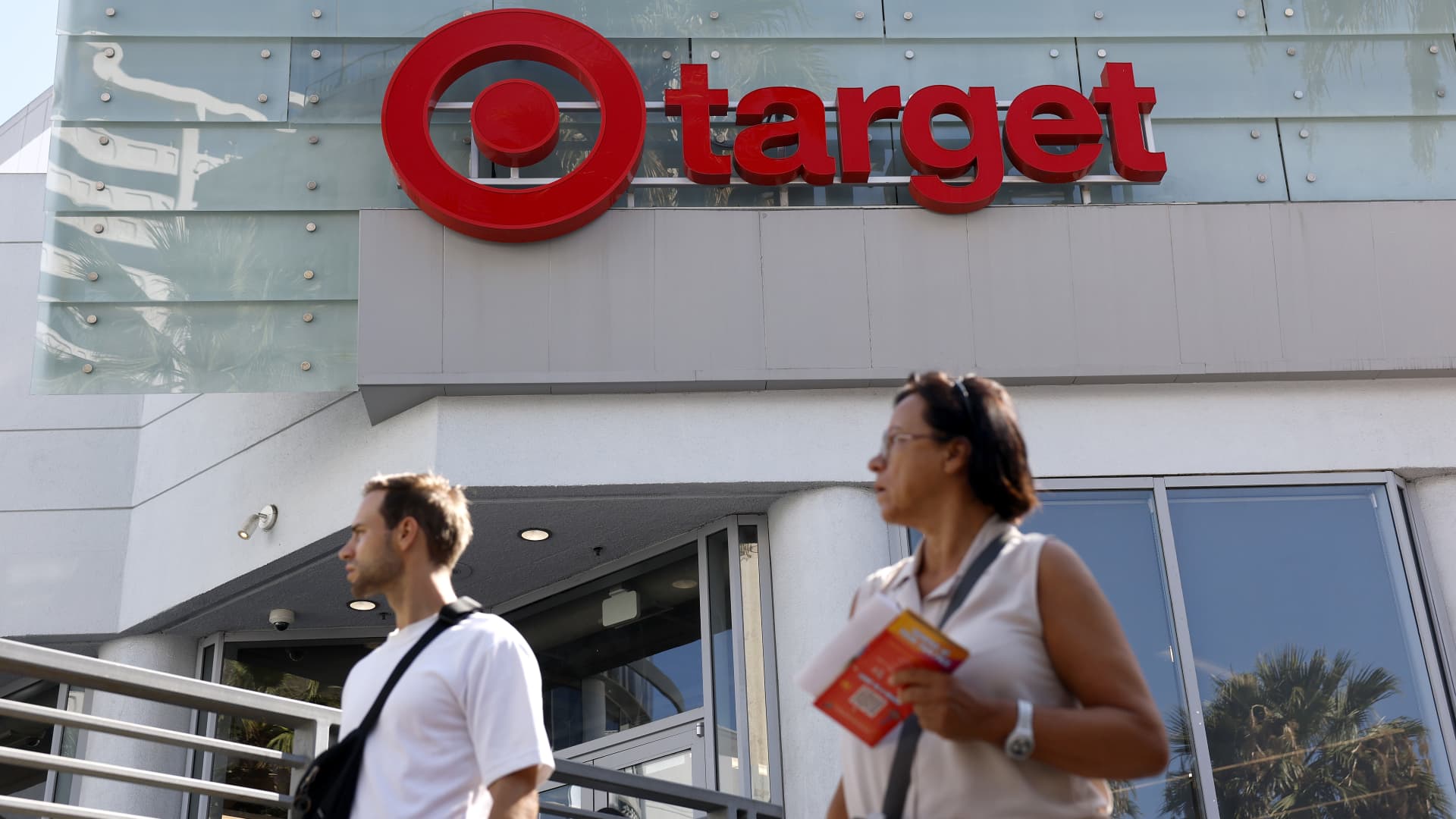
- Margin/Profit-Focused Strategy: Other retailers opted to directly enhance profitability. Lowe’s (LOW) leveraged its $80 million in repayments to provide an 11-cent boost to its second-quarter earnings per share, with CEO Marvin Ellison stating a clear intent to prioritize shareholder profitability over aggressive pricing actions, as Reuters reported. Target (TGT) similarly recorded a $752 million boost to net earnings ($1.65 per share) and a $994 million pretax benefit to its gross margin and operating income from tariff refunds, despite also reducing prices on over 10,000 items. Kohl’s (KSS) allocated $100 million of its refunds directly into gross margin and plans further investments into inventory.
This dichotomy in approach underscores varying philosophies on shareholder value versus market share and consumer perception. Investors seeking robust long-term capital preservation should analyze which strategy offers sustainable advantages beyond the one-time boost.
The sudden availability of tariff refunds has created a unique cause-and-effect chain across the retail sector and investor portfolios.
- Policy Change: The Supreme Court ruling invalidating specific Trump-era tariffs.
- Asset Revaluation: Retailers receive substantial, often unexpected, cash injections. This temporarily inflates reported earnings, leading to potential short-term stock appreciation but also obfuscating true operational performance.
- Corporate Strategy Diversification: Management teams choose to either bolster margins (Lowe’s, Target) or invest in price competitiveness (Walmart, Home Depot). This strategic divergence dictates how the benefit manifests on financial statements and impacts perceived competitive advantage.
- Portfolio Rebalancing & Alpha Generation: Investors must critically assess whether the chosen strategy aligns with their investment thesis. Companies prioritizing margin enhancement might appeal to value investors, while those focused on price cuts might attract growth-oriented investors betting on increased market share. This requires careful re-evaluation of holdings to identify alpha generation opportunities that transcend temporary windfalls and align with a long-term portfolio strategy.
‘The tariff refund scenario serves as a perfect microcosm of management quality. Those retailers who strategically deploy these one-time gains—whether through disciplined price investment to secure long-term market position or margin enhancement for shareholder returns—will ultimately distinguish themselves. For the discerning CIO, it’s less about the immediate earnings bump and more about the underlying capital allocation strategy for sustainable portfolio growth.’ – StockXpo Chief Investment Officer.
The impact of tariff refunds varied significantly across retailers, reflecting diverse strategic choices. Home Depot, a key player in the home improvement sector, provides a clear example of prioritizing consumer pricing.
Home Depot’s Q2 2026 Tariff Refund Allocation
| Metric | Value | Significance |
|---|---|---|
| Total Tariff Refunds Received | $730 Million | Substantial one-time cash injection boosting liquidity. |
| Funds Allocated to COGS Reduction | $685 Million | Demonstrates a strategic choice to lower prices for consumers, enhancing competitiveness. |
| Gross Margin Increase (Q2 YoY) | 0.3% | Direct positive impact on profitability, driven by the refund allocation despite price cuts. |
Note: These figures highlight Home Depot’s immediate financial improvements and strategic use of the tariff refunds to benefit both its P&L and consumer value proposition.
Retailer Competitive Benchmarking Amid Tariff Shifts
The varied deployment of tariff refunds inherently reconfigures the competitive landscape within retail. Retailers like Walmart and Home Depot, by funneling funds into price reductions, are reinforcing their value proposition to consumers, potentially capturing greater market share in an inflationary environment. This aggressive pricing strategy could put pressure on competitors who chose to pocket the refunds, especially those in highly elastic product categories. Conversely, companies like Lowe’s, which opted to boost margins and EPS, are signaling a commitment to shareholder profitability and potentially a more premium market positioning. Their challenge will be to maintain sales volume without price intervention. This dynamic creates an interesting long-term play for investors focusing on how these companies sustain their competitive edge post-refunds. For broader market insights, Bloomberg’s market insights often cover these competitive dynamics. Further educational market content can also provide valuable perspectives.
Walmart: Risk-Reward Matrix Post-Refunds
Walmart’s strategic decision to use nearly all of its eligible $2.9 billion in tariff refunds to lower prices presents a specific risk-reward profile. The immediate reward is likely enhanced customer loyalty and increased foot traffic/sales volume, solidifying its market leadership. This aggressive move could accelerate customer acquisition, especially from lower-cost competitors. However, the risk lies in the sustainability of this strategy once the one-time refund effect dissipates. If subsequent cost pressures negate the ability to maintain lower prices, or if competitors find alternative ways to offer value, Walmart’s market share gains could be ephemeral. Furthermore, the higher gross profit base established during the refund period will make year-over-year comparisons more challenging in subsequent quarters, potentially obscuring organic growth unless backed by strong operational efficiencies.
Navigating Retailer Tariff Refunds: The Path Forward for Investors
The ‘choose your own adventure’ approach to tariff refunds has underscored the diverse operational and strategic priorities within the retail sector. While these one-time windfalls offer a temporary reprieve and boost to earnings, investors must look beyond the headline numbers to discern which retailers are making decisions that foster sustainable growth and long-term capital preservation. Understanding how these funds align with a company’s core mission and competitive positioning is crucial.
- The true impact will be seen in future quarters as the effect of these refunds normalizes and higher comparable bases challenge organic growth figures.
- Companies that invested in supply chain resilience and passed savings to consumers may build stronger long-term customer relationships and market share.
- The strategic allocation of these funds reflects management’s long-term vision, distinguishing transient boosts from enduring value creation.
How will retailers maintain their competitive edge and profitability once the last of these tariff refunds has been fully absorbed?
📊 StockXpo Analyst’s View
Market Impact: The market’s reaction to these divergent tariff refunds strategies has been mixed, with investors initially rewarding any positive earnings surprise. However, as the implications for future comparables become clearer, we anticipate a more discerning approach. Stocks of retailers that opted for margin enhancement may face downward pressure in the medium term as investors adjust expectations for organic growth. Conversely, those prioritizing price cuts might see sustained positive sentiment if they translate into tangible market share gains, influencing overall market liquidity in consumer discretionary stocks.
Sector To Watch: The broader consumer retail sector, particularly discount and big-box retailers, will remain under scrutiny. The differing approaches to tariff refunds have highlighted fundamental business models and competitive strategies. Companies demonstrating agile supply chain management and a clear value proposition, whether through pricing or service, are positioned to outperform. This situation also indirectly benefits logistics and supply chain technology providers, as retailers prioritize efficiency to maintain competitive pricing independent of one-time windfalls.
Financial Disclaimer:
StockXpo.com is a financial news aggregator and educational portal, not a registered investment advisor or broker-dealer. All information, news, and analysis provided herein are strictly for educational purposes and do not constitute investment, financial, legal, or tax advice. Investing in the stock market involves high risks, and past performance is not indicative of future results. StockXpo will not be liable for any financial losses or investment damages. Always consult a certified financial advisor before making market decisions.
MORE IN INSIDE INVESTMENT NEWS

Delta Air Lines Forecast: Warning Signals on 2026 Outlook Amid Fuel Volatility
Published: Friday, October 9, 2026 · 8:54 AM
PepsiCo Earnings Forecast Cut: Alpha Generation Amid North American Lag
Published: Thursday, October 8, 2026 · 6:41 AM