
Published: Monday, August 24, 2026 · 1:38 AM | Updated: Monday, August 24, 2026 · 1:38 AM
📊 119 views




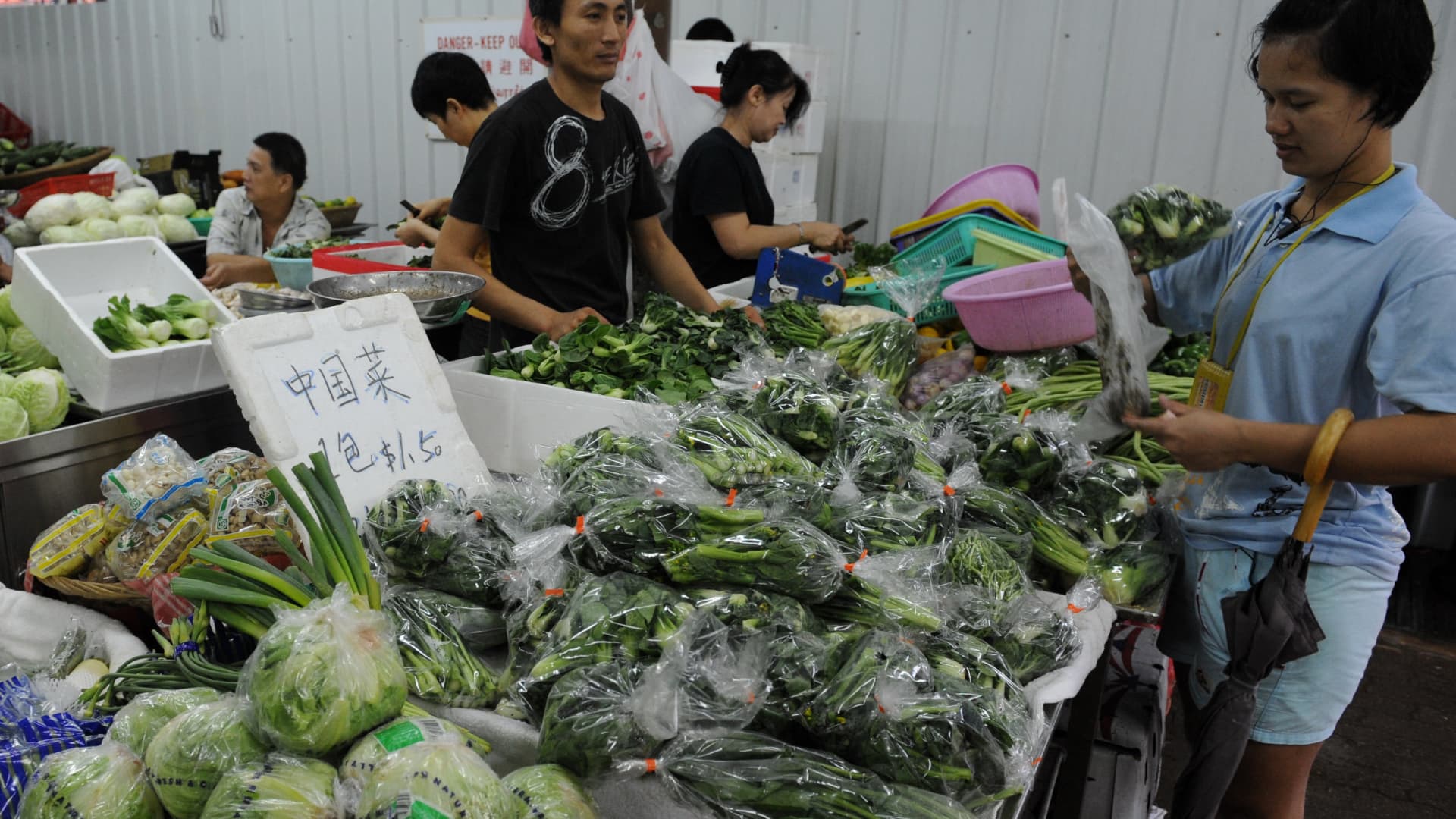
Singapore’s economy is navigating a complex global landscape, with July’s inflation data revealing a near two-year high amidst unexpected moderation against economists’ forecasts. This dual narrative of rising prices and robust growth projections highlights the delicate balance policymakers face in maintaining macro-stability while absorbing external shocks.
📊 Macro-Economic Strategic Insights
- Inflationary Pressures Persist. July’s headline consumer price index (CPI) rose 2.2% year-on-year, driven by elevated global energy costs from the Iran war, impacting electricity, gas, and transport fares.
- Policy Response and Economic Resilience. The Monetary Authority of Singapore (MAS) preemptively tightened monetary policy, indicating vigilance against imported inflation, while simultaneously upgrading 2026 GDP growth forecasts to 4.5%-5.5%.
- Targeted Fiscal Support. Singapore has deployed S$2 billion in support packages, including cash handouts and tax rebates, to mitigate the cost of living impact on households and businesses.
The latest data from Singapore indicates that while headline Singapore inflation accelerated to its highest level in nearly two years, reaching 2.2% year-on-year in July, it notably undershot economists’ expectations of 2.3% polled by Reuters. This uptick from June’s 1.9% rise underscores persistent global inflationary pressures, primarily fueled by the Iran war driving up international energy prices. The ripple effect has been felt directly in domestic electricity and gas charges, as well as higher transportation fares, according to a joint release from the Monetary Authority of Singapore (MAS) and the Ministry of Trade and Industry (MTI).
Even core inflation, which excludes volatile private transport and accommodation costs, climbed to 2%, slightly below the anticipated 2.2%. The MAS had already signaled its concerns, undertaking a surprise monetary policy tightening in July. This proactive measure was intended to preempt a rise in imported inflation stemming from elevated fuel and electronic input costs expected in the coming quarters. Despite these inflationary headwinds, Singapore’s economic outlook remains robust, with the city-state sharply upgrading its 2026 GDP growth forecast to a range of 4.5% to 5.5%, a significant jump from the previous 2%-4% projection.
This upward revision suggests a strong underlying economic momentum, possibly driven by sectors such as AI, as hinted by other market indicators. To cushion the impact of rising costs, the government has introduced two comprehensive support packages totaling approximately S$2 billion, providing direct cash handouts, consumption vouchers for households, and tax rebates for companies. These fiscal interventions aim to bolster household purchasing power and corporate stability amid the challenging global environment. The interplay between these monetary and fiscal responses highlights Singapore’s integrated approach to economic management, targeting both price stability and sustained growth.
The Ripple Effect: Unpacking Economic Consequences
Understanding the current economic climate in Singapore involves tracing the chain of events:
Global Energy Price Spikes (Iran War) → Increased Imported Costs for Singapore → Higher Domestic Electricity, Gas, & Transport Prices → Elevated Singapore inflation (CPI) → MAS Monetary Policy Tightening → Increased Lending Rates for Businesses/Consumers → Potential Moderation of Domestic Demand → Pressure on Household Budgets → Government Fiscal Support (Cash Handouts, Vouchers) → Alleviation of Cost-of-Living Burden → Maintenance of Economic Stability.
Expert Impact: Understanding Monetary Tightening
Monetary policy tightening, such as that enacted by the MAS, is a conventional tool used by central banks to combat inflation. It typically involves raising interest rates or reducing the money supply, making borrowing more expensive and thereby cooling aggregate demand. While effective in curbing price rises, it must be carefully balanced to avoid stifling economic growth, especially when external factors like global energy prices are the primary drivers of inflation.
Key Economic Indicators for Singapore (July 2026)
| Metric | July 2026 Data | Economist Expectation | Significance |
|---|---|---|---|
| Consumer Price Index (CPI) YoY | 2.2% | 2.3% | Measures headline inflation, reflecting the general cost of living. |
| Core Inflation YoY | 2.0% | 2.2% | Excludes volatile items, giving a clearer picture of underlying price trends. |
| GDP Growth Forecast (2026) | 4.5% – 5.5% | 2.0% – 4.0% (previous low-end) | Indicates overall economic health and productive capacity. |
| Government Support Packages | S$2 Billion | N/A | Fiscal measures to mitigate inflationary impact on citizens and businesses. |
Source: Monetary Authority of Singapore, Ministry of Trade and Industry, Reuters Poll.
Singapore’s Prudent Policy Commentary
The Monetary Authority of Singapore’s pre-emptive tightening of monetary policy in July, ahead of the official inflation data release, demonstrates a highly proactive and forward-looking approach to price stability. This stance reflects a deep understanding of Singapore’s open economy, which is particularly susceptible to imported inflation. By acting swiftly, the MAS aims to anchor inflation expectations and prevent a more entrenched price spiral, even as global commodity markets remain volatile. The targeted fiscal packages further complement this monetary action, providing direct relief without necessarily exacerbating broad demand-side inflationary pressures. This coordinated policy effort is crucial for maintaining confidence among investors eyeing the nation’s resilient economic prospects, as noted in recent reports on global economics from Reuters. For more detailed insights into economic policy, visit StockXpo’s dedicated section on global economic trends.
Global Inflationary Risks: A Broader Perspective
Singapore’s experience with elevated energy prices mirrors a global challenge, where geopolitical tensions, particularly the Iran war, have a tangible impact on international oil and gas markets. This creates a complex environment for central banks worldwide, forcing them to balance inflation containment with the risk of triggering economic slowdowns. The vulnerability of import-dependent economies like Singapore underscores the need for diversification and resilience in supply chains. As global oil prices remain high and adverse weather conditions are anticipated to affect agricultural yields, the threat of rising imported food prices looms large, potentially pushing up inflation globally, as observed in recent analyses of business and finance by Forbes. Businesses seeking deeper investment analysis can explore our educational articles on investment strategies and market insights.
The Enduring Resilience of Singapore’s Macro-Stability
Singapore’s latest economic figures paint a picture of resilience and proactive governance amidst global inflationary headwinds. While Singapore inflation has accelerated, the undershoot of expectations and the sharp upward revision of GDP forecasts highlight a robust economy supported by strategic monetary and fiscal policies.
- The MAS’s pre-emptive policy tightening reflects a commitment to long-term price stability.
- Fiscal support packages are crucial in mitigating cost-of-living pressures for households and businesses.
- Strong GDP growth projections suggest underlying economic strength despite external challenges.
Can Singapore continue to effectively decouple its domestic economic trajectory from volatile global commodity markets?
📊 StockXpo Analyst’s View
Market Impact: The measured rise in Singapore inflation, coupled with strong GDP growth forecasts, provides a nuanced but generally positive signal for investor confidence in the region. While some sectors may face margin compression from higher input costs, the overall stability and proactive policy response from the MAS should help mitigate systemic risks. Equity markets may see continued interest, particularly in companies with strong pricing power or those benefiting from the upgraded growth outlook.
Sector To Watch: Given the emphasis on energy prices and transportation costs, the logistics and transportation sectors will be under scrutiny. Conversely, sectors benefiting from domestic consumption and government support, such as retail and essential services, could show resilience. The upgraded GDP forecast, potentially linked to AI, suggests tech and innovation-driven sectors could be outperformers, reflecting the broader trend discussed on leading financial news sites like Bloomberg Economics. For broader market insights, consider exploring our main page for stock market news and investment analysis.
Financial Disclaimer:
StockXpo.com is a financial news aggregator and educational portal, not a registered investment advisor or broker-dealer. All information, news, and analysis provided herein are strictly for educational purposes and do not constitute investment, financial, legal, or tax advice. Investing in the stock market involves high risks, and past performance is not indicative of future results. StockXpo will not be liable for any financial losses or investment damages. Always consult a certified financial advisor before making market decisions.
MORE IN INSIDE ECONOMY

Trump Economic Approval Plummets: A Warning for Macro Stability
Published: Thursday, October 22, 2026 · 9:12 AM
UK Inflation Jumps to 3.5%: Cementing Rate Hike Expectations
Published: Wednesday, October 21, 2026 · 2:51 AM


