Published: Sunday, August 23, 2026 · 10:03 AM | Updated: Sunday, August 23, 2026 · 10:03 AM
📊 111 views




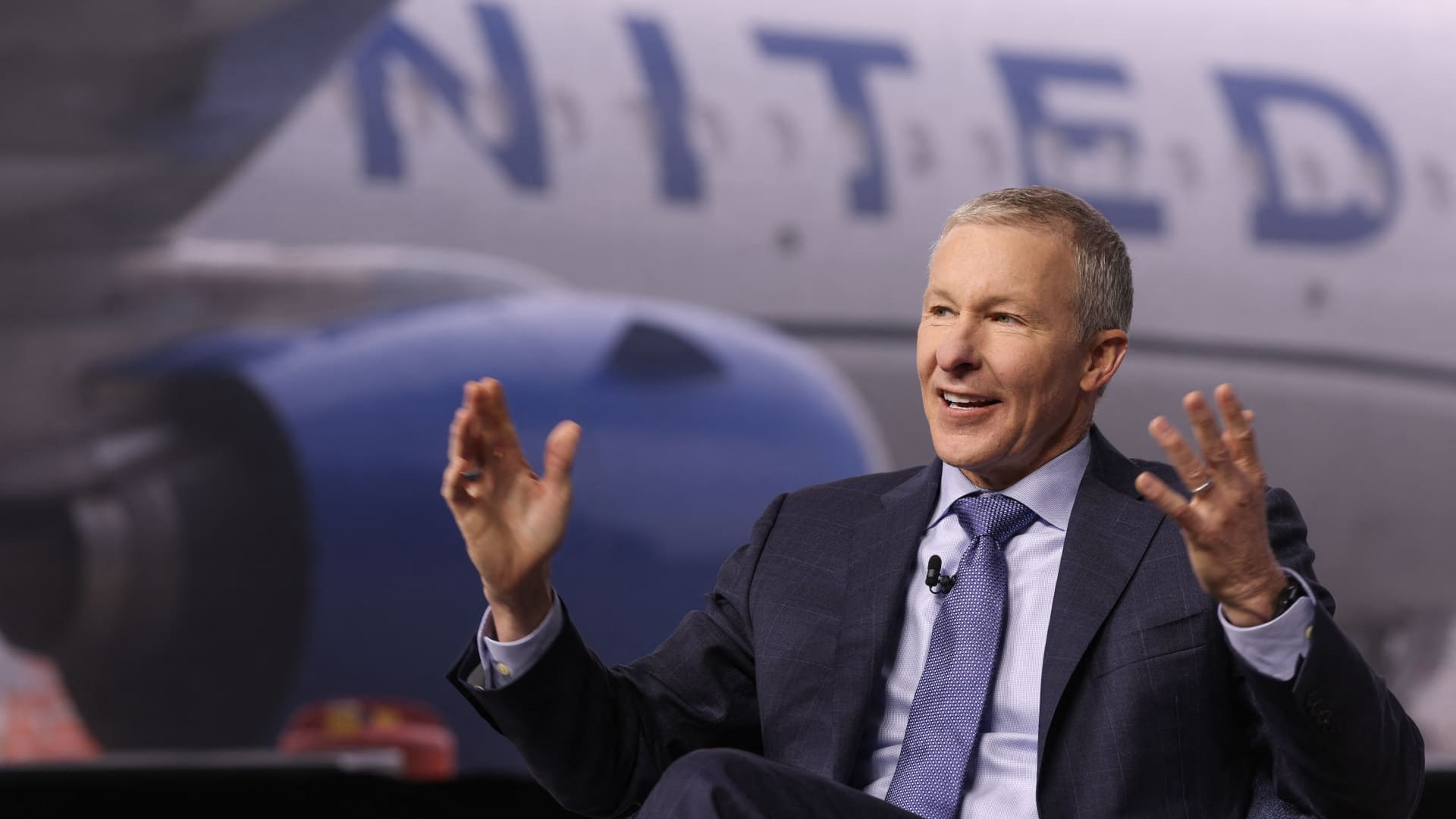
After a decade at the helm, United Airlines CEO Scott Kirby is aggressively reshaping the carrier’s future, steering it toward enhanced global presence, technological innovation, and superior operational efficiency. This ambitious corporate growth plan is poised to redefine market dynamics in a fiercely competitive airline industry.
🗝️ Corporate Strategy Insights
- Global Network Dominance. United aims to cement its lead in international routes, leveraging extensive network expansion and lucrative rewards programs to drive customer loyalty.
- Strategic Hub Fortification. Despite rebuffed merger proposals, Kirby eyes significant expansion at key gateways like New York’s JFK, potentially through slot acquisitions and partnerships.
- Operational Excellence through AI. The airline plans to integrate advanced AI tools to improve reliability, enhance customer communication, and streamline internal processes, embodying a ‘no excuses’ philosophy.
Scott Kirby’s tenure at United Airlines, which began following his departure from American Airlines a decade ago, marks a period of significant strategic recalibration. Under his leadership, United has climbed to become the second-most profitable U.S. airline, trailing only Delta. This turnaround is rooted in a disciplined approach to route profitability and a bold vision for expansion, notably exemplified by the decision to halt the closure of critical hubs like Los Angeles International (LAX) and Washington Dulles (IAD) and the aggressive international route development.
Despite previous attempts to initiate mega-mergers with Delta and American Airlines, which were met with skepticism by antitrust experts and outright rejection from competitors, Kirby remains committed to expanding United Airlines’ reach. His focus has shifted to organic growth and strategic partnerships, particularly in congested markets like New York’s JFK, where United plans to return through an alliance with JetBlue Airways. This move highlights a pragmatic adjustment to market realities and regulatory hurdles, ensuring the stock markets take notice of their adaptability.
United’s international network is already the largest among U.S. carriers, a critical differentiator in attracting premium passengers and bolstering its high-value travel rewards credit card programs. The airline consistently makes annual announcements for new global destinations, reinforcing its commitment to a vast, loyalty-driving route map.
- United Airlines has successfully navigated a complex competitive landscape to become the second-most profitable U.S. airline.
- The airline’s strategic pivot includes aggressive international expansion and a planned return to JFK airport through a partnership.
- CEO Scott Kirby is prioritizing operational efficiency and customer experience through technology, including AI, to minimize disruptions.
- The focus on premium cabins and international routes helps differentiate United in a market often perceived as commoditized, challenging rivals to innovate.
The United Airlines Strategy has a significant strategic ripple effect across the aviation sector. United’s aggressive international expansion directly challenges rivals like Delta, which is now actively expanding its Pacific routes, historically a United stronghold. This heightened competition prompts other carriers, such as American Airlines, to accelerate their own service upgrades, including the reintroduction of seatback screens and enhanced first-class offerings, in a race to maintain market relevance. Furthermore, United’s pursuit of additional slots at JFK, whether through partnerships or acquisitions, could reconfigure competitive access in one of the most crucial domestic and international gateways, potentially shifting passenger flows and revenue opportunities for all major players.
The emphasis on operational efficiency, underpinned by AI, creates an imperative for the entire industry to invest in similar technologies. As United aims to deliver clearer delay information and improve reliability, it sets a new standard for customer expectation, forcing competitors to match or exceed these advancements to prevent customer churn. This push for technological superiority and differentiated service aims to elevate the entire passenger experience, moving the industry beyond basic point-to-point travel and fostering deeper customer loyalty through superior service and network breadth.
Why Operational Clarity Is Becoming a Market Differentiator
Scott Kirby’s steadfast belief in ‘no excuses’ and the strategic integration of AI tools underscore a commitment to operational transparency and reliability, a critical differentiator that could define market leadership in an unpredictable industry.
While specific verifiable financial metrics for future performance are not provided, several key operational and market indicators highlight United’s strategic positioning:
- Profitability Ranking: United is the second-most profitable U.S. airline, behind Delta and ahead of American. This indicates strong operational leverage and effective cost management relative to peers.
- On-Time Arrival Performance (H1 2026): United ranked behind Delta and Alaska Airlines (including Hawaiian Airlines). This suggests an area for improvement, which AI integration aims to address to enhance customer satisfaction.
- International Network Size: United holds the crown among U.S. airlines for international flights, signifying a robust global footprint and potential for high-yield premium traffic.
These indicators collectively point to a strong market position but also highlight areas where Kirby’s strategic initiatives, particularly in AI and operational reliability, are crucial for sustaining and enhancing competitive advantage.
United Airlines Competitive Advantages
United Airlines under Scott Kirby leverages several distinct competitive advantages. Foremost is its unparalleled international route network, which provides extensive global access and forms the backbone of its valuable loyalty program and credit card partnerships. This wide reach allows United to capture a significant share of high-demand, high-yield international travel, which is increasingly resilient to economic fluctuations. The airline’s strategic hub structure, carefully maintained and developed at key airports like LAX and Dulles, further solidifies its domestic and international connectivity. Moreover, United’s aggressive investment in premium cabin upgrades, such as the Polaris business class, targets affluent travelers willing to pay for superior comfort and service, moving the airline beyond a ‘commodity’ perception and into a more differentiated market segment, as highlighted by Kirby to CNBC.
United Airlines Industry Benchmarking
Benchmarking United Airlines against its major competitors, Delta and American, reveals key strategic differences and areas of focus. United’s emphasis on international expansion and network scale positions it as a global leader, often outpacing rivals in adding new exotic destinations, as reported by industry news outlets. In profitability, United closely follows Delta, which has historically been lauded for its premium strategy and operational consistency. American Airlines, while undergoing its own upgrades like reintroducing seatback screens, appears to be playing catch-up in premium offerings and profitability. On-time performance, however, remains an area where United seeks improvement, with current rankings behind Delta and Alaska. The anticipated integration of AI tools aims to bridge this gap, enhancing United’s reliability and making its operational benchmarks more competitive across the board, a key area for educational insights for investors.
United Airlines’ Ambitious Flight Path: What’s Next?
Scott Kirby’s ambitious vision for United Airlines extends beyond mere expansion; it’s a blueprint for long-term market leadership built on differentiated service and robust operational resilience. The strategy addresses core industry challenges like rising costs and infrastructure limits by focusing on high-yield opportunities and technological efficiency.
- United aims to broaden its market presence, targeting key growth areas in South America and the Southeast U.S. while fortifying its position in international markets.
- The integration of AI is not just about incremental improvements but a foundational shift to enhance reliability and customer experience, minimizing the impact of unforeseen disruptions.
- By emphasizing its unique route network and premium offerings, United seeks to further distinguish itself from competitors, challenging the perception of air travel as a mere commodity.
Can United Airlines, under Kirby’s aggressive leadership, solidify its place as the undisputed global leader in a dynamic and ever-evolving aviation industry?
📊 StockXpo Analyst’s View
Market Impact: United’s aggressive expansion and technological push are likely to inject increased volatility into the airline sector, as competitors respond to its bold moves. Investors may see short-term capital expenditures impacting earnings, but the long-term play for market share and premium traveler dominance could yield significant returns. The emphasis on AI and operational efficiency could also boost investor confidence in the airline’s resilience against industry disruptions.
Sector To Watch: The airline industry, particularly the segment focused on international and premium travel, will be a key sector to monitor. Companies involved in aviation technology and AI solutions for logistics and customer service could also see increased demand as airlines like United prioritize advanced operational tools. Regional carriers in targeted expansion zones like South America and the U.S. Southeast might experience increased competitive pressure or, conversely, partnership opportunities.
Financial Disclaimer:
StockXpo.com is a financial news aggregator and educational portal, not a registered investment advisor or broker-dealer. All information, news, and analysis provided herein are strictly for educational purposes and do not constitute investment, financial, legal, or tax advice. Investing in the stock market involves high risks, and past performance is not indicative of future results. StockXpo will not be liable for any financial losses or investment damages. Always consult a certified financial advisor before making market decisions.
MORE IN INSIDE BUSINESS

Young Airplane Scrapping: A $17 Million Engine Crisis Reshaping Aviation
Published: Saturday, October 24, 2026 · 8:26 AM
American Express Workforce Cuts: A Strategic AI Preparation
Published: Friday, October 23, 2026 · 9:50 AM