Published: Sunday, August 23, 2026 · 9:32 AM | Updated: Sunday, August 23, 2026 · 9:32 AM
📊 72 views




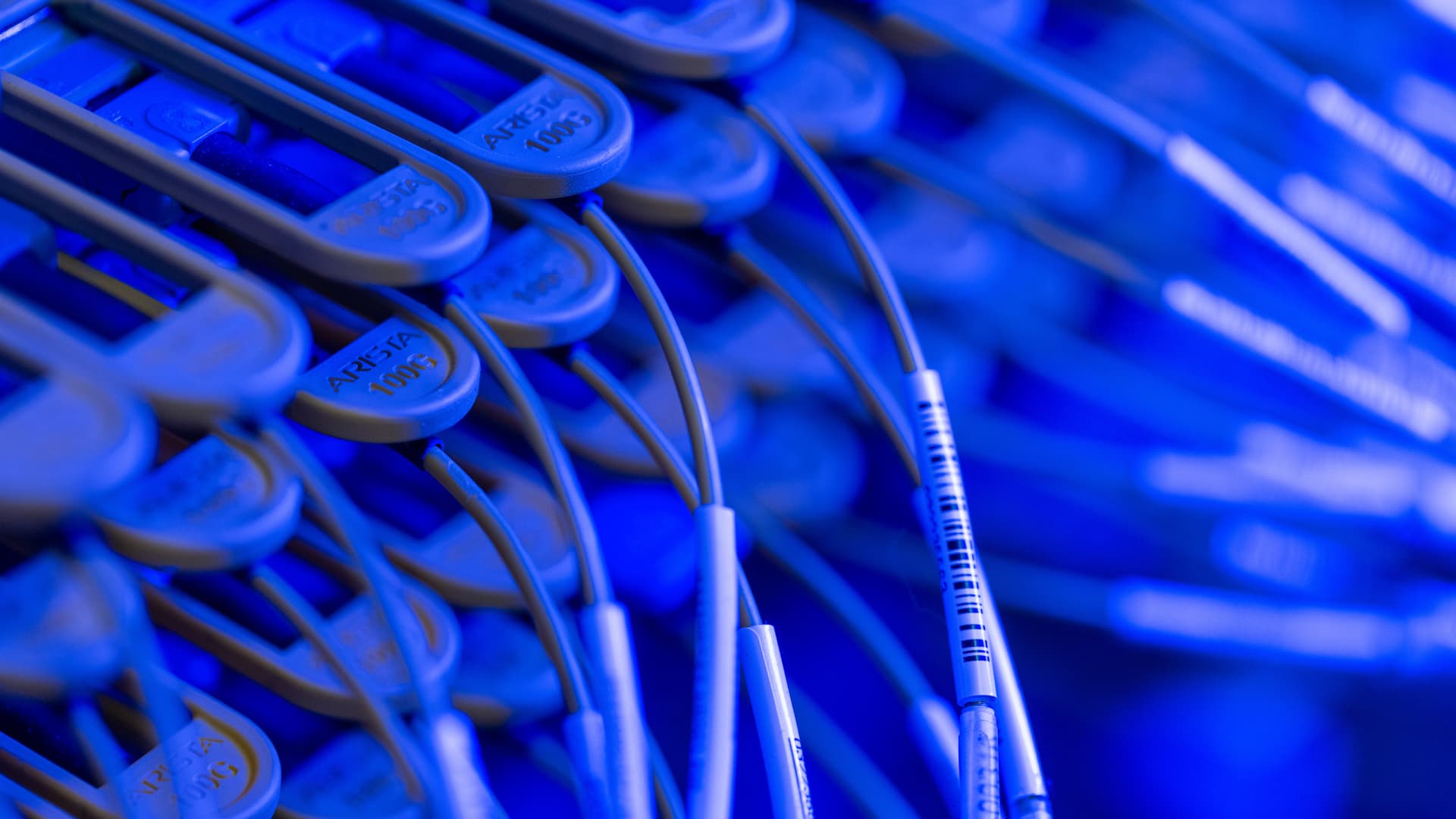
A recent incident involving a small power generator in the U.K., shut down for four days due to a cyberattack reportedly linked to Iranian actors, underscores the escalating digital threats to critical national infrastructure. This event highlights the urgent need for advanced cybersecurity resilience in the energy sector amid a landscape of increasingly sophisticated state-sponsored attacks.
🚀 Tech Strategy & Market Disruptions
- Geopolitical Cyber Warfare Escalation. Attacks on essential energy and water infrastructure signal a dangerous phase of state-backed digital conflict, demanding advanced threat intelligence.
- Critical Infrastructure Vulnerability Exposed. Even small-scale disruptions, like the recent technology market trends, reveal systemic weaknesses requiring robust, multi-layered defense strategies.
- Cybersecurity Investment Imperative. Governments and utility operators must prioritize secure-by-design architectures and proactive threat detection to ensure operational continuity.
The recent *UK Power Grid Cyberattack*, which incapacitated a minor power generator for four days in July, has thrown a spotlight on the precarious state of global critical infrastructure. Reportedly orchestrated by hackers tied to Iran, this incident aligns with concurrent warnings from U.S. authorities, including the Federal Bureau of Investigation (FBI), regarding malicious cyber actors targeting water and wastewater facilities across at least seven American states. These U.S. incidents were explicitly attributed to Iran-affiliated threat actors by agencies such as the Cybersecurity and Infrastructure Security Agency (CISA) and the Environmental Protection Agency (EPA).
While a U.K. government spokesperson declined to assign blame or identify the specific facility, they emphasized that the wider energy system was never at risk, asserting the U.K.’s ‘highly resilient’ infrastructure. Nevertheless, the Department of Energy Security and Net Zero swiftly responded by briefing energy sector CEOs and initiating updates to cybersecurity regulations, signaling a recognized need for enhanced defenses. This move reflects a broader strategic imperative to strengthen digital perimeters against evolving threats, a sentiment echoed by broader technological shifts in defense.
The timing of the U.K. attack, occurring shortly after a U.S. and Israel war on Iran on February 28, has fueled concerns among cyber experts about retaliatory online assaults on Western businesses and infrastructure. Indeed, the U.S. Department of Justice charged 17 Iranians with a ‘massive cyber theft campaign’ on behalf of the Islamic Revolutionary Guard Corps. This complex geopolitical backdrop suggests a new front of conflict waged in the digital realm, impacting not only national security but also the stability of essential services. Similar incidents are often tracked by global news agencies reporting on global tech advancements.
The cyber offensive is not one-sided. Iran itself has been subjected to significant digital incursions, notably the June 2025 hack of Nobitex, its largest cryptocurrency exchange. This breach, which resulted in over $90 million being drained, was claimed by the pro-Israel hacking group Gonjeshke Darande, or ‘Predatory Sparrow.’ The funds were reportedly moved to addresses displaying anti-government messages referencing the IRGC, indicating a clear political motivation behind the attack. Such events highlight:
- The increasing weaponization of cyber capabilities by both state and state-backed non-state actors in geopolitical conflicts.
- The critical intersection of national security, economic stability, and digital resilience, making robust cybersecurity a top-tier national priority.
- The continuous need for organizations, especially in critical sectors, to stay ahead of sophisticated, adaptive threat landscapes.
The underlying disruption flow from a targeted cyberattack on critical infrastructure can be traced through several stages: a malicious intrusion into operational technology (OT) systems → disruption of control systems, leading to equipment shutdown or malfunction → operational downtime and service interruption for end-users → economic ramifications due to lost productivity and repair costs → erosion of public trust in system resilience and security → ultimately, a strategic reassessment and accelerated investment in advanced cybersecurity frameworks and digital transformation to fortify defenses against future attacks. This cascade effect illustrates why even ‘small-scale’ incidents carry significant long-term implications for national security and economic stability.
As a CTO, the paramount lesson from the recent *UK Power Grid Cyberattack* is that network segmentation and zero-trust architectures are no longer aspirational best practices, but existential necessities for critical infrastructure. The attack surface of operational technology is expanding rapidly, demanding an integrated, proactive threat intelligence platform that can correlate geopolitical shifts with real-time network anomalies. We must move beyond perimeter defense to assume breach and build resilience into the core of our digital infrastructure.
Key incidents highlighting evolving cyber threats include:
- July 2025: Small U.K. power generator shut down for four days following a cyberattack, reportedly linked to Iran.
- August 2025: U.S. authorities warn of Iranian-linked cyber actors targeting water and wastewater facilities across at least seven states.
- February 2025: U.S. and Israel reportedly launch a war on Iran, leading to warnings of retaliatory cyberattacks on U.S. infrastructure.
- June 2025: Iran’s largest cryptocurrency exchange, Nobitex, hacked for over $90 million by a pro-Israel group.
- August 2025: U.S. Department of Justice charges 17 Iranians with a ‘massive cyber theft campaign.’
Energy Sector Security & Infrastructure Strength
The resilience of national energy grids relies heavily on sophisticated, multi-layered cybersecurity architectures. While the U.K. government affirmed the wider system’s robustness, the incident serves as a stark reminder that even isolated vulnerabilities can be exploited. Modern energy infrastructure integrates IT (Information Technology) with OT (Operational Technology), creating complex attack vectors. Strengthening this requires not only advanced firewalls and intrusion detection systems but also comprehensive supply chain security, regular penetration testing, and a culture of continuous threat intelligence sharing across public and private sectors. The emphasis must shift from merely preventing breaches to rapidly detecting, containing, and recovering from them, minimizing downtime and cascading effects.
Critical Infrastructure Ecosystem Expansion Potential
Beyond the immediate threat, this incident highlights the imperative for critical infrastructure operators to engage more deeply with emerging technologies and expand their security ecosystem. This includes leveraging AI and machine learning for predictive threat analytics, adopting blockchain for immutable audit trails in sensitive data transfers, and embracing advanced encryption standards. Collaborative initiatives with leading cybersecurity firms, academic research institutions, and international intelligence agencies are crucial. Furthermore, the integration of new energy sources and smart grid technologies introduces new endpoints and complexities, requiring a proactive approach to security by design rather than as an afterthought. For more educational tech insights, StockXpo provides comprehensive analysis.
The UK Power Grid Cyberattack: Reassessing National Digital Resilience
The recent *UK Power Grid Cyberattack*, despite its limited immediate impact, serves as a potent reminder of the persistent and evolving threat landscape facing global critical infrastructure. It underscores the geopolitical tensions that increasingly manifest in the digital realm, demanding a significant re-evaluation of national cybersecurity strategies and investment.
- Governments worldwide must accelerate the implementation of advanced cybersecurity frameworks and regulations for critical sectors.
- Enhanced intelligence sharing and international cooperation are vital to counter sophisticated state-sponsored cyber adversaries.
- Public and private partnerships are crucial for developing resilient infrastructure and mitigating the risks of operational disruption.
How will nations worldwide adapt their digital defenses and geopolitical strategies to effectively counter these increasingly sophisticated and state-sponsored cyber threats?
📊 StockXpo Analyst’s View
Market Impact: This incident, while contained, will likely drive increased investor focus on cybersecurity stocks, particularly those specializing in critical infrastructure protection, industrial control systems (ICS) security, and operational technology (OT) defense. It reinforces the long-term growth trajectory for the entire cybersecurity sector as governments and corporations bolster their digital perimeters. We expect heightened demand for security consulting, advanced threat intelligence platforms, and robust data integrity solutions.
Sector To Watch: The energy, utilities, and water treatment sectors are under immediate pressure to demonstrate resilient digital transformation. Companies investing proactively in AI-driven threat detection, zero-trust network architectures, and robust incident response planning will likely gain a competitive edge and attract investment. Furthermore, the defense and aerospace sectors, which are often at the forefront of cyber warfare capabilities, will see continued strategic importance.
Financial Disclaimer:
StockXpo.com is a financial news aggregator and educational portal, not a registered investment advisor or broker-dealer. All information, news, and analysis provided herein are strictly for educational purposes and do not constitute investment, financial, legal, or tax advice. Investing in the stock market involves high risks, and past performance is not indicative of future results. StockXpo will not be liable for any financial losses or investment damages. Always consult a certified financial advisor before making market decisions.
MORE IN INSIDE TECHNOLOGY

SoftBank AI Investment: Malaysia’s $50 Billion Innovation Surge
Published: Monday, October 26, 2026 · 2:37 AM

SpaceX AI Chips: $40 Billion Deal Fuels Innovation-Driven Growth
Published: Sunday, October 25, 2026 · 9:35 PM